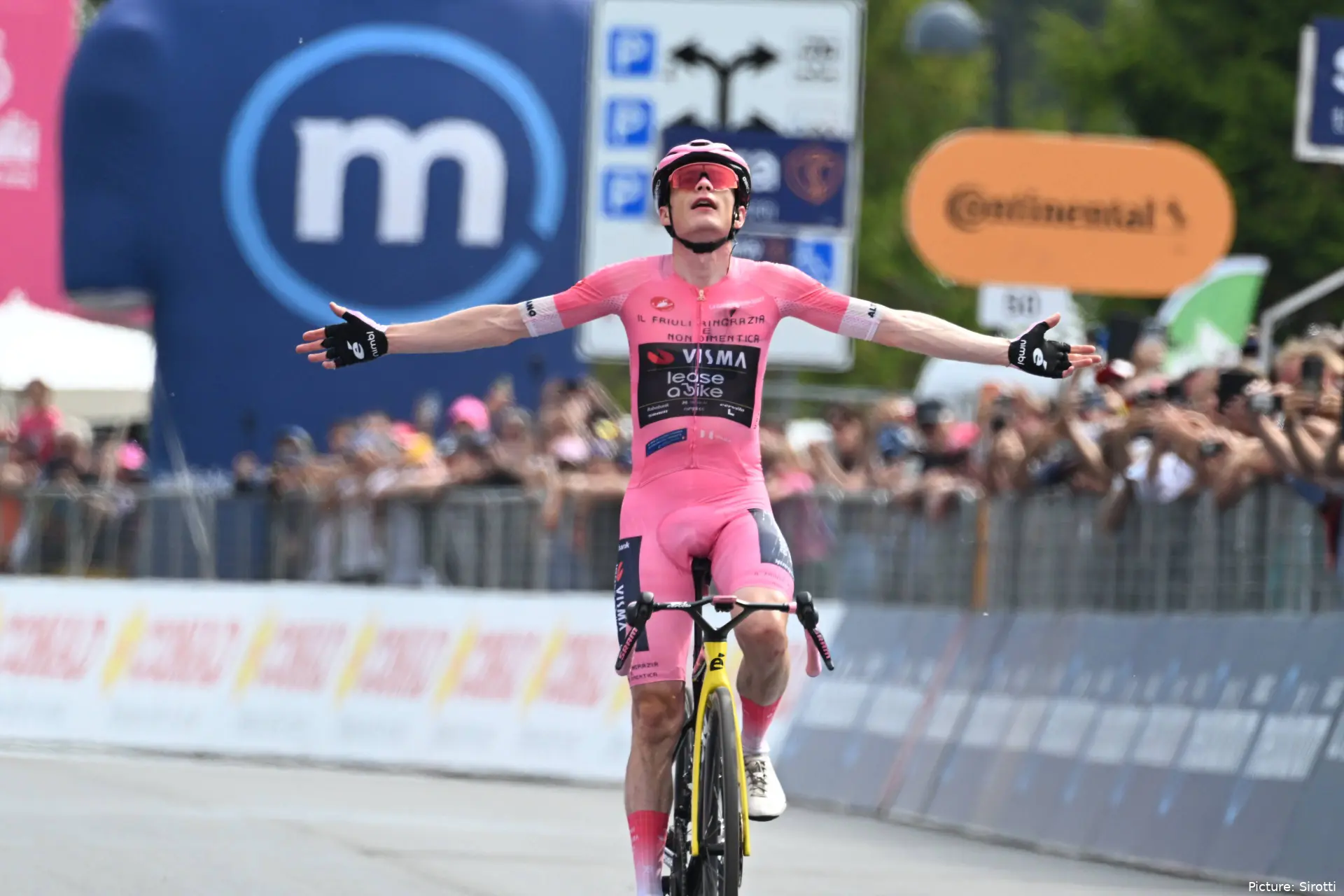
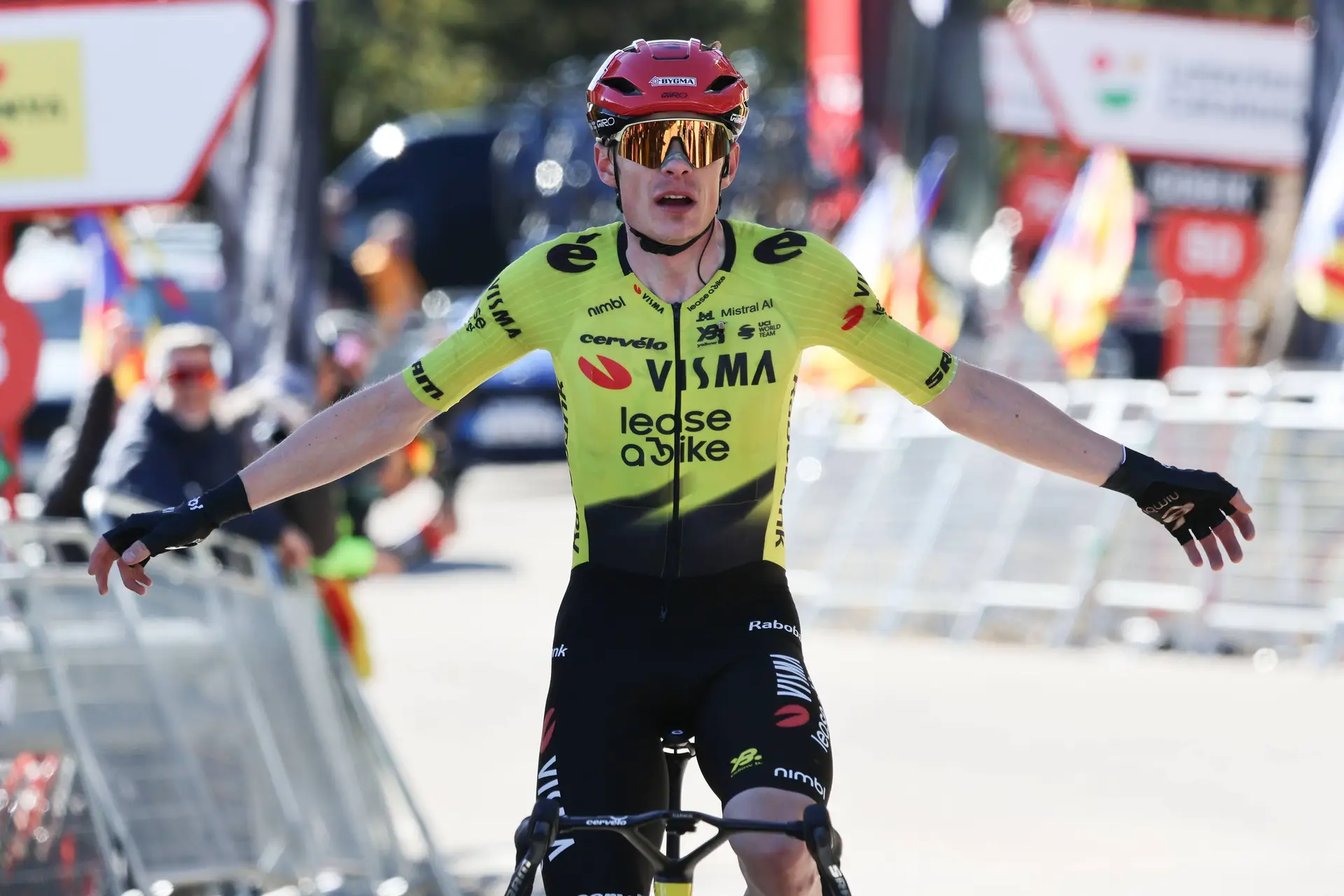
The 109th Giro d’Italia reached its conclusion last Sunday in Rome. Via dei Fori Imperiali welcomed Jonas Vingegaard into the Hall of Fame of Triple Crown winners. The Dane was the undisputed protagonist of the corsa rosa alongside his team, Visma - Lease a Bike.
After three weeks of racing, from Bulgarian soil to the Eternal City, having crossed Italy from south to north, the peloton wrapped up a demanding race that sparked mixed views.
CiclismoAlDía analysts Juan Larra and Javier Rampe agreed in acknowledging the greatness of the Danish rider after sealing a milestone that brings him huge peace of mind ahead of his next goals this year.
In Rampe’s words, “the best part was seeing Jonas Vingegaard sign his name in cycling history, entering the hall of fame with that treble.” The leader’s superiority completely erased the fight for the maglia rosa, a battle further weakened by Joao Almeida’s withdrawal through physical problems, the only genuine challenger who truly stirred anticipation.
Only Austria’s Felix Gall, of Decathlon, tried to take the fight to him before settling for securing second place on the podium. The overall dominance was reinforced by Sepp Kuss’s success, who completed his trilogy of stage wins across the three Grand Tours, and the notable emergence of Italian Davide Piganzoli.
The Italian Grand Tour also delivered an engaging tussle for the ciclamino between Soudal’s Paul Magnier and Jhonatan Narváez, representing UAE Team, a thrilling duel cut short two days from Rome after the Ecuadorian was forced to abandon with whiplash suffered while returning to his team bus.
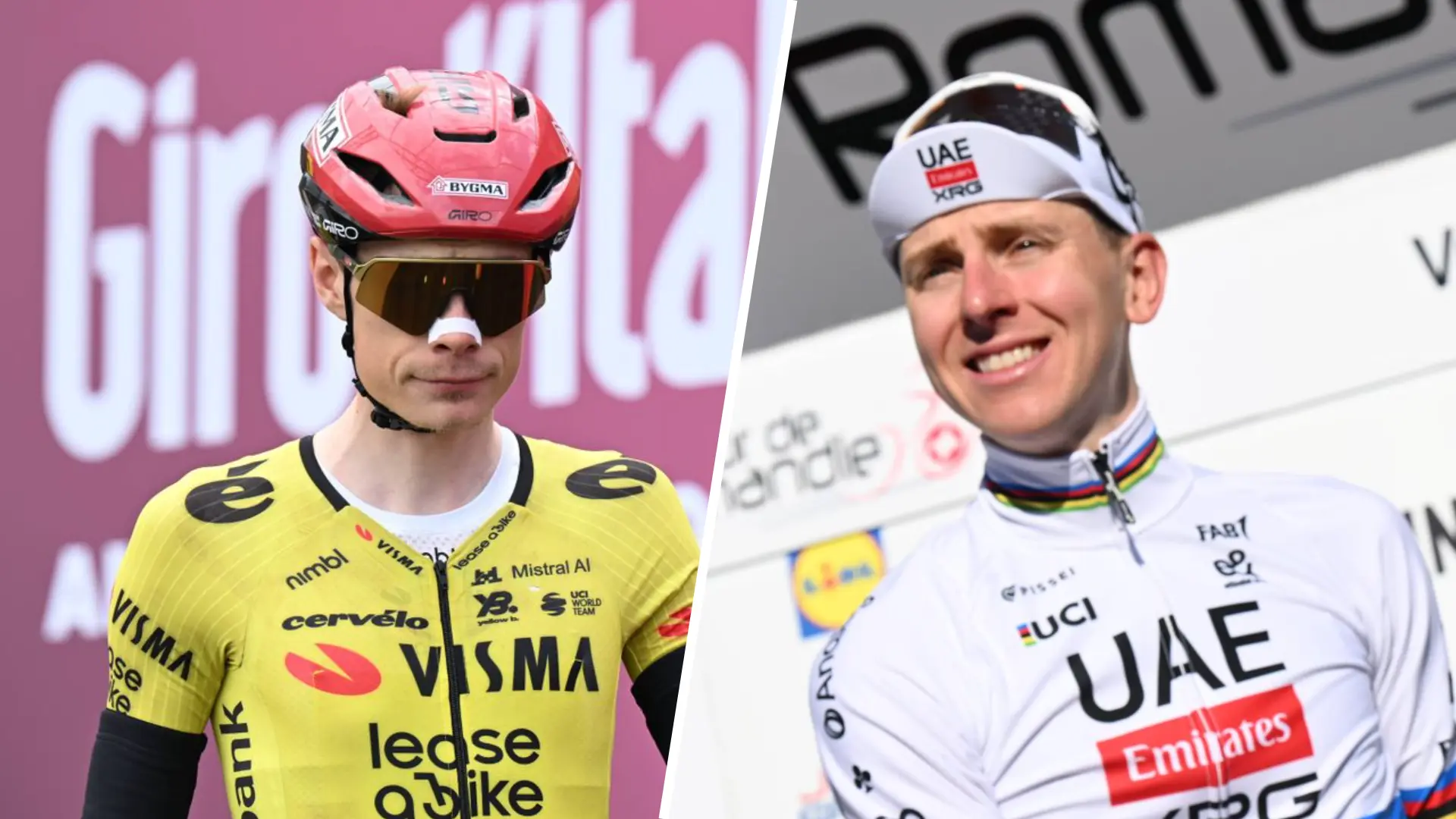
“A completely predictable race”
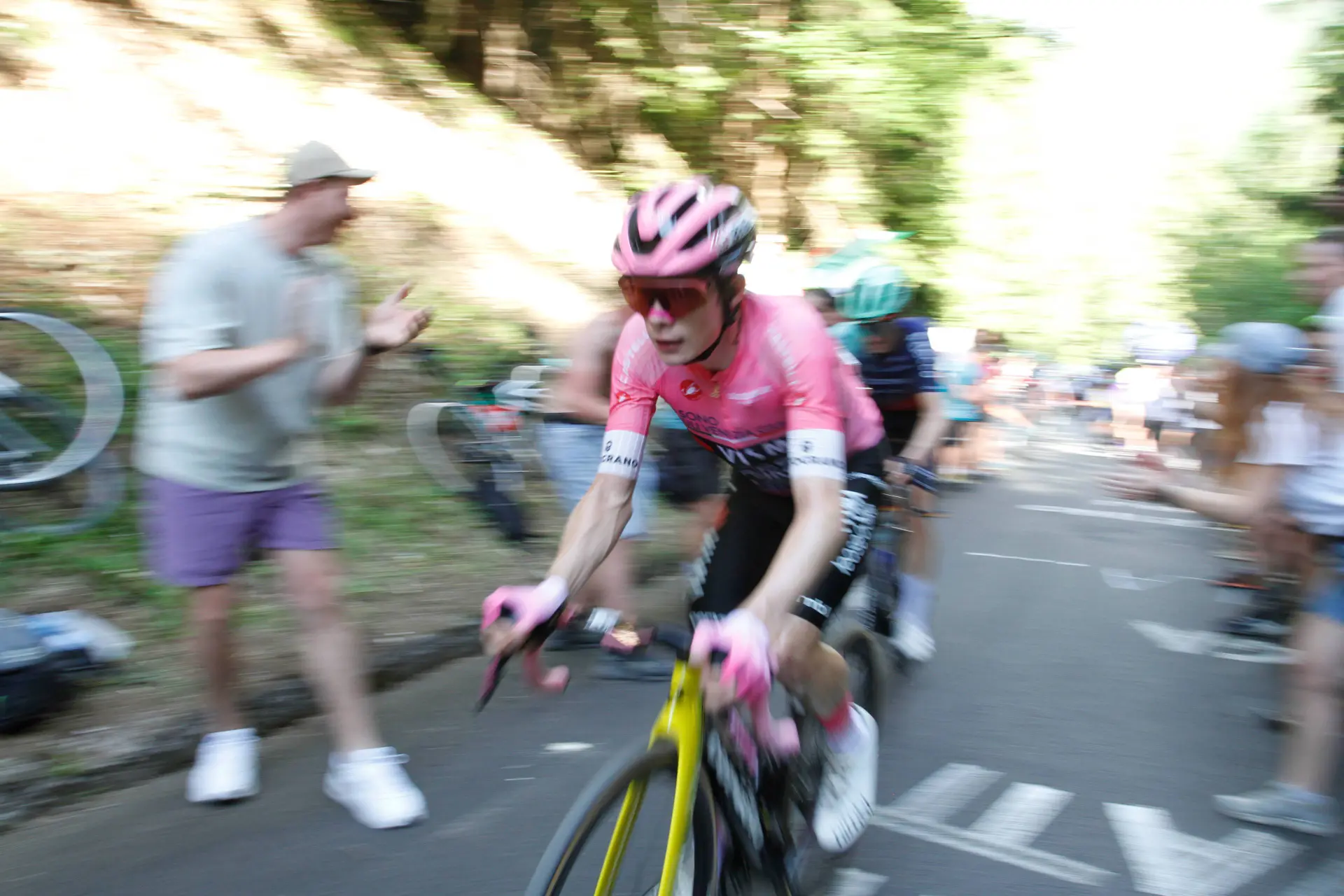
The flip side of this edition was the alarming lack of suspense and excessive predictability that weighed down the key high-mountain days with a hegemonic leader and his thunderous team.
Vingegaard’s overwhelming superiority and Visma’s tightly metronomic pace ultimately dulled the peloton’s tactics, ensuring long-range attacks were conspicuous by their absence.
Larra was critical of this monotonous scenario, stating bluntly that “Grand Tours cannot allow a rider to be so superior to the rest, because it makes the race completely predictable,” arguing that interest evaporates when the outcome is known so far in advance.
This lack of initiative in the GC fight was compounded by the limited tactical effectiveness of teams like Decathlon, whose attempts to harden the race ended up, unintentionally, playing into the leader’s control.
The Giro d’Italia is becoming “too Vuelta-like”
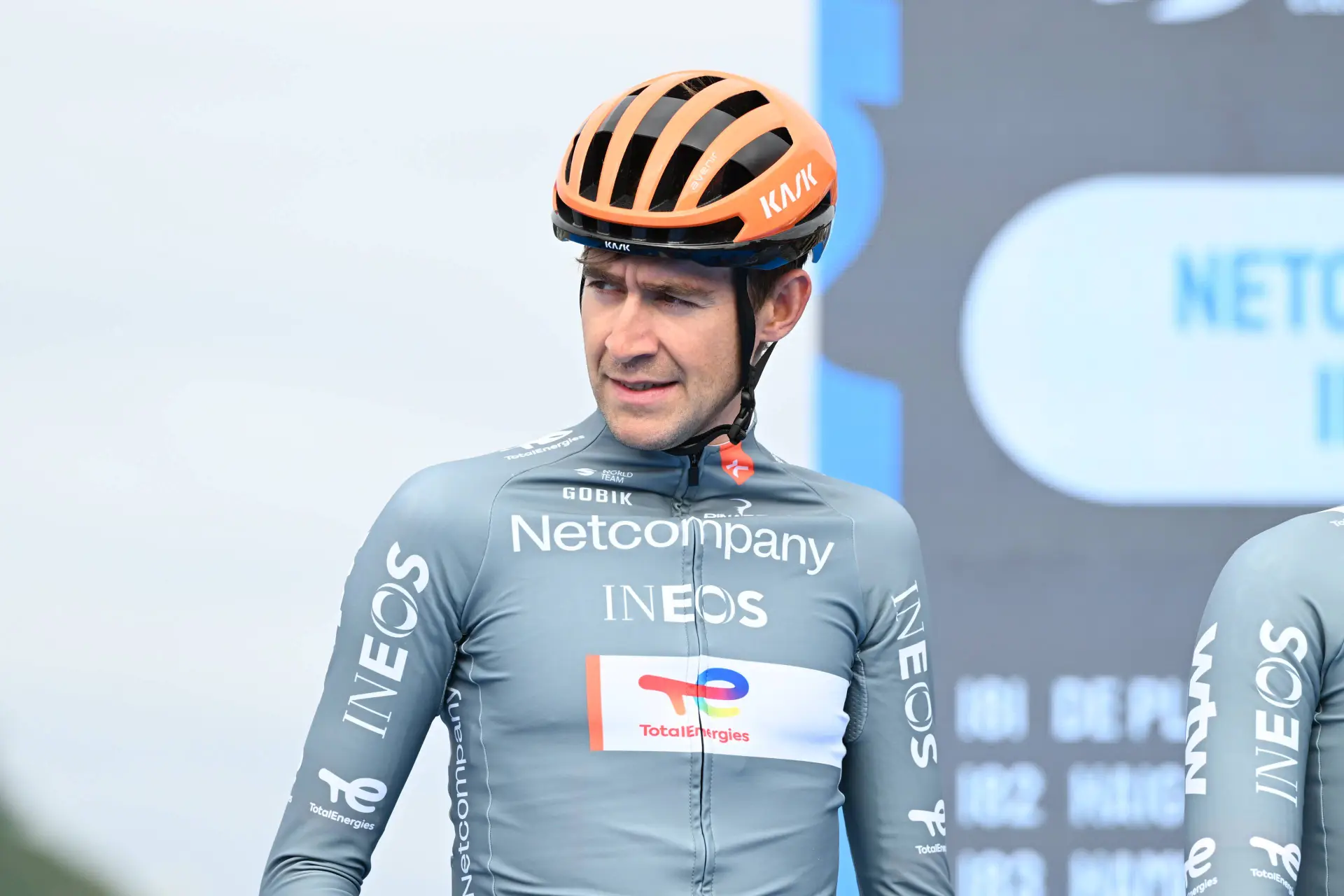
Something similar happened at Netcompany Ineos, where an outstanding Egan Bernal did a notable job in support of Thymen Arensman, although the Dutchman faded at the key moments of the podium fight.
In parallel, the debate over route design gained momentum, with an ever clearer trend to swap the classic Giro blueprint for single-climb finishes and shorter stages.
A shift driven largely by television demands and one that, for many fans, strips away some of the epic and mystique that defined the marathon stages of the past.
Read also
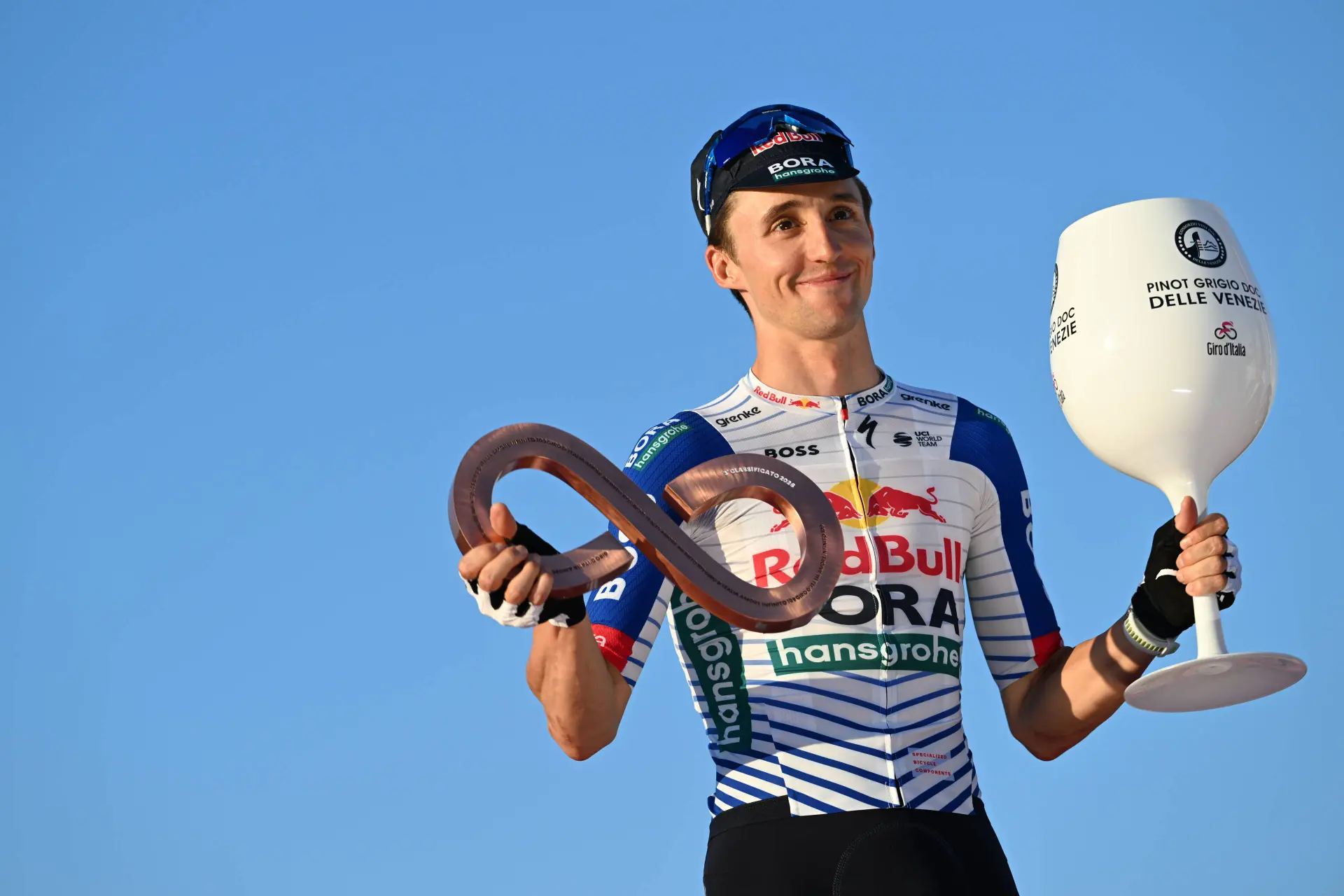
Adding to this picture was the disappointment of Giulio Pellizzari, seen as the big local letdown, and the notable absence of Remco Evenepoel, whose participation was ruled out by Red Bull management to focus on France, depriving the Giro of a time trialist capable of putting the Danish champion’s hegemony under pressure.
Gavin QuinnCycling Journalist
Gavin Quinn is a cycling journalist and ultra-distance cyclist with a BA in Journalism from Dublin City University. Formerly the Press & Communications Officer for Cycling Ireland, Gavin has worked inside the national team at the World Championships and has reported for the Irish Mirror, Mirror UK, and The42.
His expertise is backed by elite-level access, having interviewed stars like Sam Bennett and Ben Healy, as well as immense personal endurance. In 2025, he completed a 12,000km solo cycle from Ireland to Vietnam, following a 4,600km tour across Europe. From the cobbles of Paris-Roubaix to the gradients of the Tourmalet, Gavin’s writing focuses on the "romance and brutality" of the sport. Having visited 50+ countries, he brings a global, cultural perspective to his coverage of the pro peloton for CyclingUpToDate.
claps 2visitors 2
Just in
Popular news
Latest comments
- "Reports emerge of Visma riders mysteriously lying in the dark for up to 8 hours a night, refusing to answer my tweets - bizarre team tactics or sinister conspiracy?"wrsty21-10-2026
- Vingegaard is entering the Roglic period of his career. Few major wins remaining and even a podium at Tour unlikely.paule21-10-2026
- Vingegaard is entering the Roglic period of his career. Few major wins remaining and even a podium at Tour unlikely.paule21-10-2026
- Hi Jumpyjohn, I was wondering what races you would like to see Pog ride next year (assuming he can do it, even he can't be sure what his post-crash form will be like).Hills3321-10-2026
- this is too much Visma or Jonas dont owe the media anything. they are not going to tell every small detail. Only when racing does the media become relevant. sour grapes from rasmussenabstractengineer21-10-2026
- He is a great teammate.
 MarkFour21-10-2026
 - Given that the headline did not restrict the conversation to men’s cycling and only asked about cycling as a whole, perhaps mention of Lorene Wiebes would be appropriate? She had an astonishing season, 24 wins, though not all WT level like Pogačar. He has always won with a higher percentage of WT wins than almost anyone else.RidesHills21-10-2026
- POGI NEEDS NO TEAM! Entire UAE squad liquidated, Pog's salary jumps to 50m Euros. Will win every stage at all 3 GTs in 2027 and break the speed of sound at Worlds! ET ACTAAAAAAAwrsty21-10-2026
- Will be a big test for Trek with their GC riders barring Skelly who was their best this year closely followed by Cicco who has left. Jury out on why they signed Gee. Lots of changes in the Mens and Womens WT some good (Kasia) some puzzling and off the bike too.
 Davide21-10-2026
 - "And we’ll avoid rushing from race to race"...LOL he took all that time off between the end of the Tour and the Canadian one day races ! That got him one win and a failed worlds RR title ! Only thing he got a was TT titles and a Euro championship against a weak field !frieders321-10-2026
Loading
Write a comment