Tour de France 2026 Roundtable: Pogacar deserved Yellow, but the attackers were the ones who made the race. The good, the bad, the organisation and more
Cycling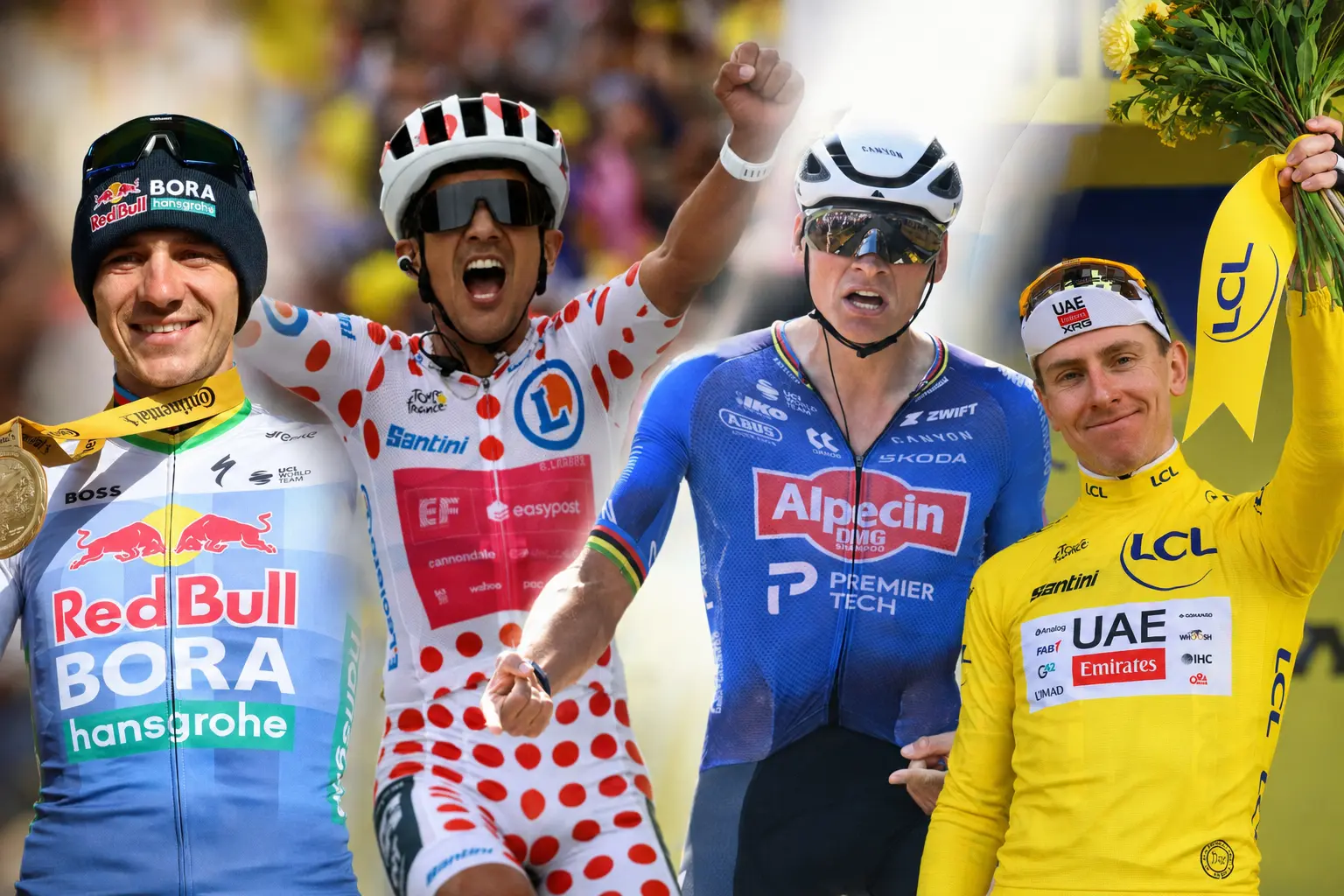
The 2026 Tour de France is over. After 21 days of racing on the roads of France, the time has come to reflect on a race that delivered Tadej Pogacar his fifth overall title.
Much will be said and written about this edition in the coming days and weeks. Now that the dust has settled, the journalists of CyclingUpToDate, CiclismoAlDía and RadsportAktuell have come together to share their verdict on the Tour.
The positives, the negatives, the organisation, the anti-doping controls, the records, the crashes, the riders who deserve special recognition, those who failed to live up to expectations, the behaviour of the spectators and everything else that left its mark on the race, for better or worse. Nothing is off the table as we look back on the defining moments and major talking points of the 2026 Tour de France.
Van der Poel and Carapaz, the souls of the race
Carlos Silva of CyclingUpToDate shared his thoughts on the 21 days of racing.
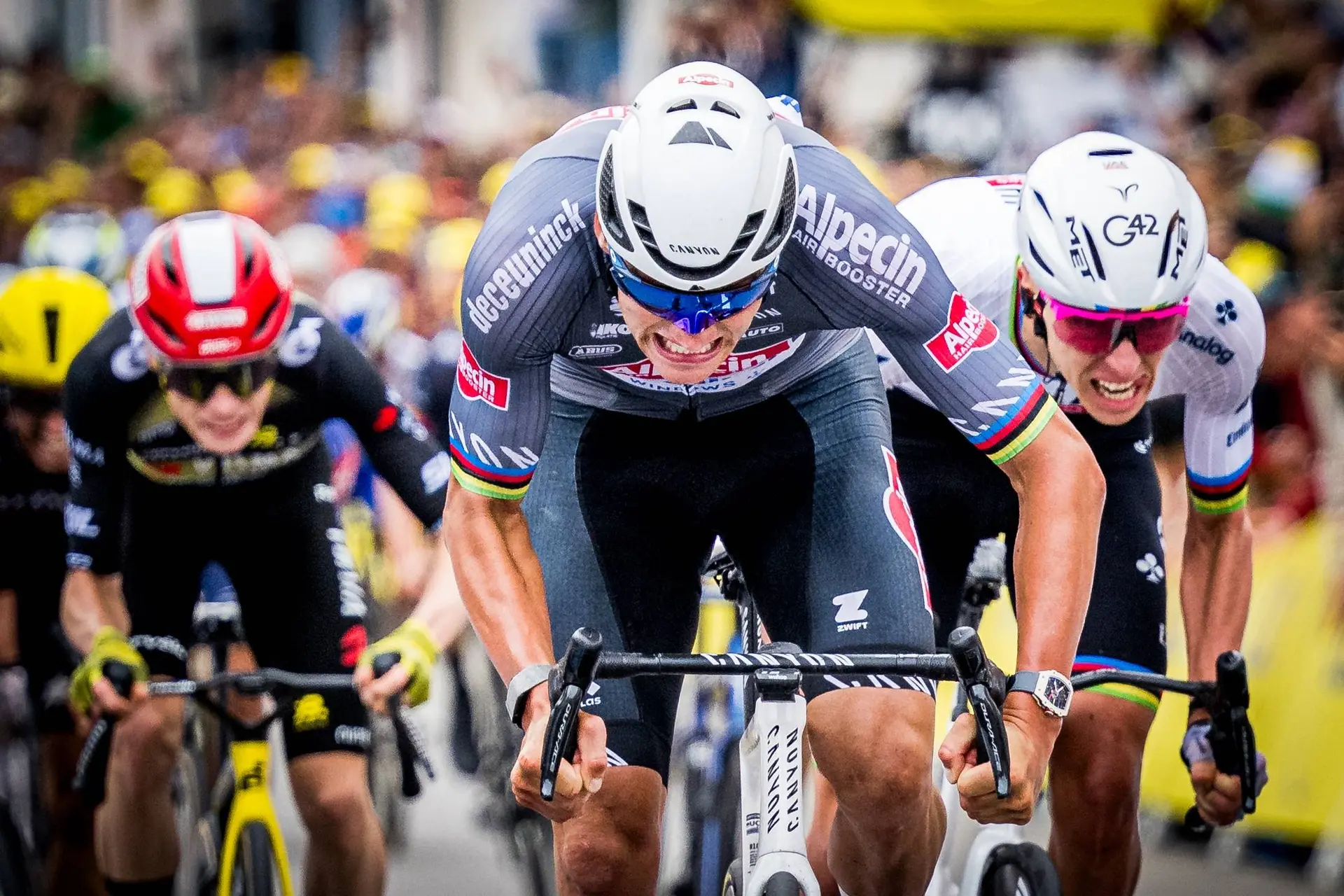
I am writing these words in the aftermath of Mathieu van der Poel’s epic victory on the Champs-Élysées. The Dutch rider from Alpecin-Premier Tech won two stages at this Tour and was one of the souls of the race.
The same can be said of Richard Carapaz. At 36, the Ecuadorian from EF Education - EasyPost delivered a lesson in attacking cycling, irreverence, determination, fighting spirit and undeniable strength. What a pleasure it was to watch Carapaz on a bike.
There is so much talk about modern cycling, young talents, watts, lactate, strategies and tactics. Carapaz showed that old-school cycling has not gone out of fashion and that it is far more intense. It fills my heart with joy. Carapaz attacks once, twice, three times, four times and, if necessary, he keeps trying. If he is dropped, he does not give up. He continues to fight.
Van der Poel and Carapaz taught modern cycling a lesson.
Pogacar stands above the rest
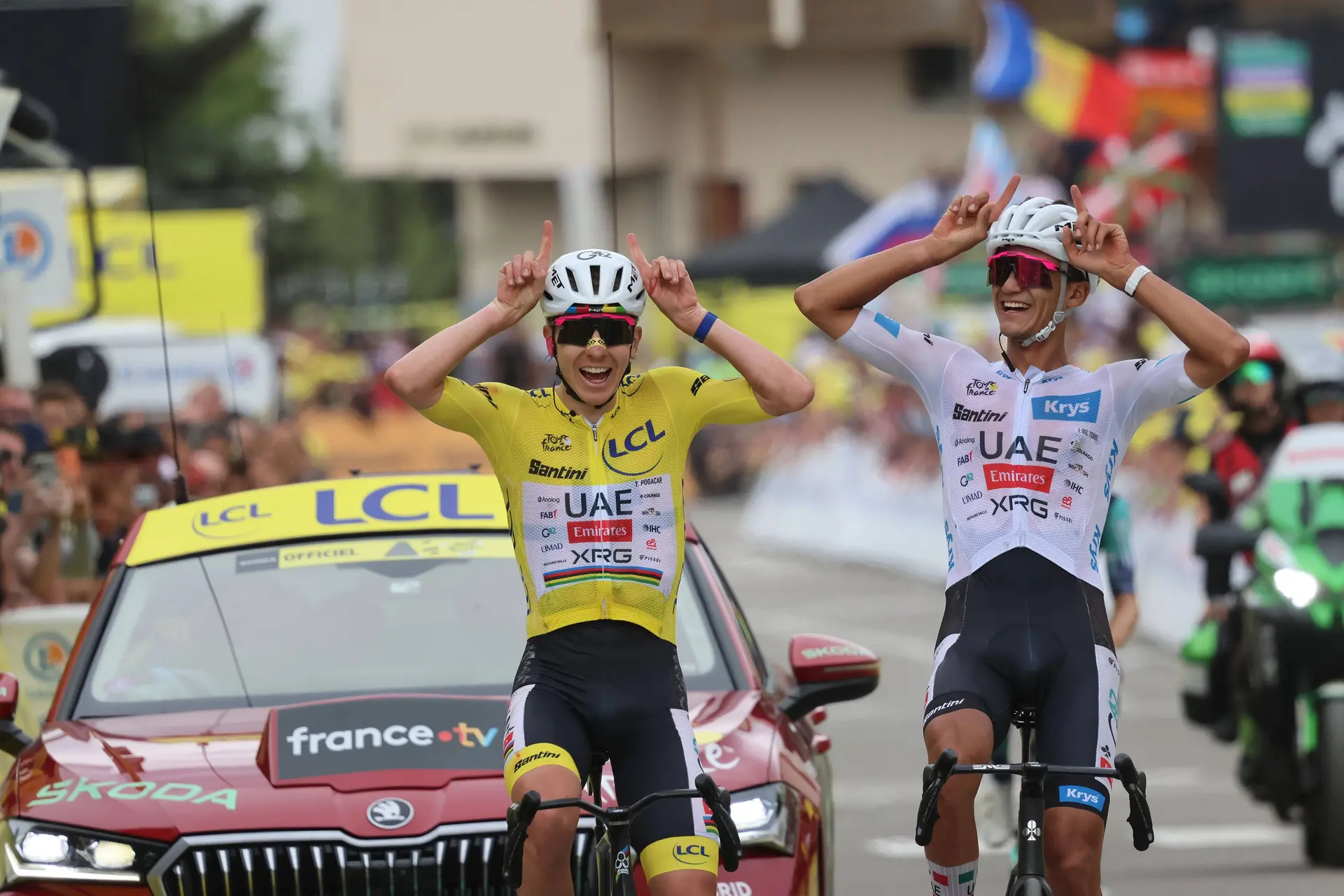
The third defining figure of this Tour was Pogacar. With or without Vingegaard, Pogi proved that he is a level above everyone else. The Danish Visma rider himself lowered his head several times during the race, a sign that he accepted he had been beaten.
Until the crash that forced Jonas Vingegaard to abandon the race, Pogacar had been the strongest. After that day, he was left without a rival capable of matching him. The world champion completed the Grand Boucle with a handful of victories and promises that he is not finished yet.
Stage rating for Alpe d’Huez: Pogacar smashed Marco Pantani’s long-standing climbing record with a truly brutal display. There are simply no words to describe what the UAE Team Emirates - XRG leader produced on Stage 19, especially with the team still weakened after a virus had affected their performances for several days during the third week.
Seixas and Del Toro shine on their Tour debuts
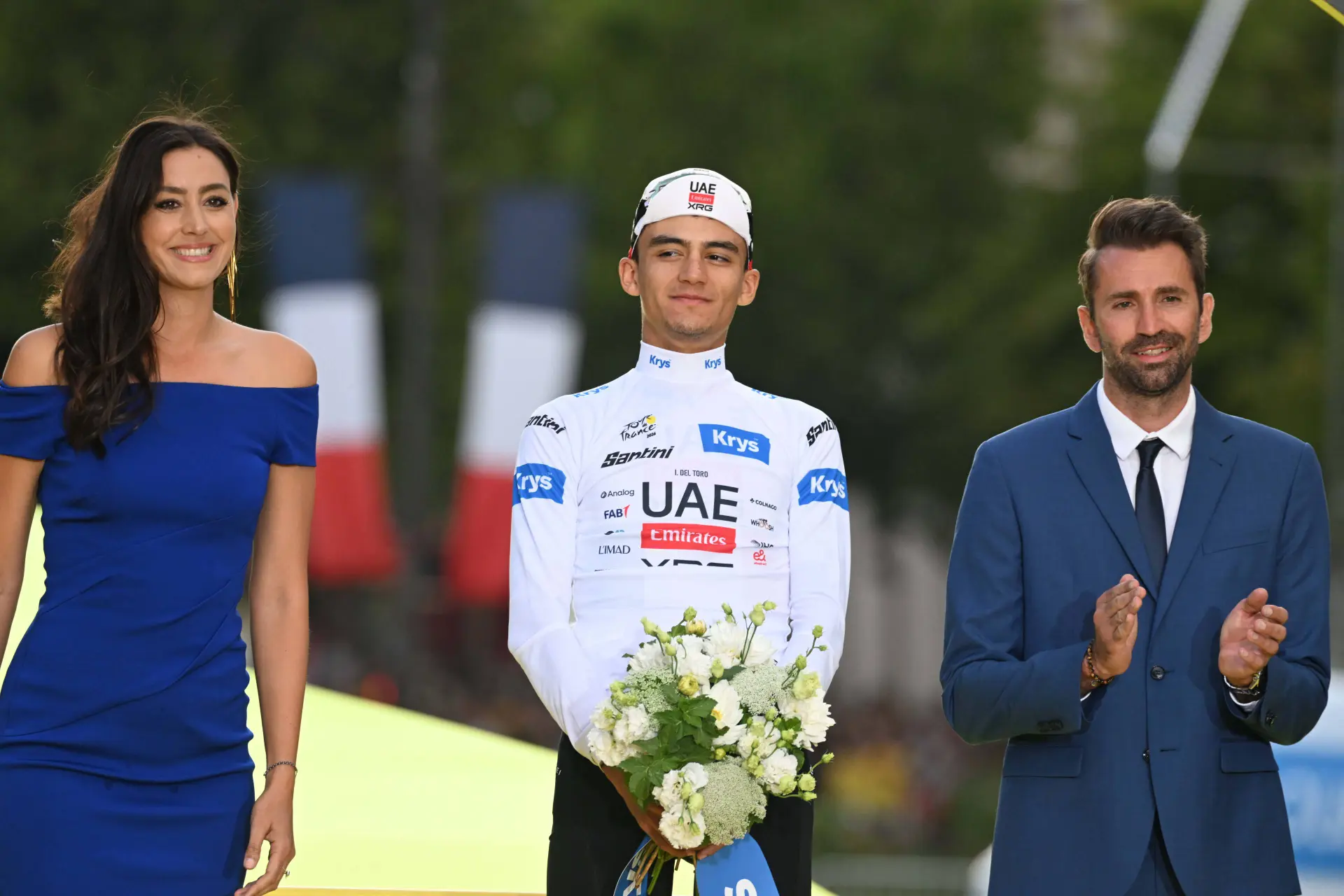
Paul Seixas and Isaac del Toro made their debuts on French roads and both finished the race inside the top five. Del Toro won one stage, a gift from Pogacar, had a luxury super-domestique in Tadej Pogacar and finished on the lowest step of the podium, thanks to the organisers.
And why the organisers? Firstly, because yesterday they suddenly decided to record the times dozens of kilometres from the finish. Secondly, because the organisers must accept a considerable share of the blame for the abandonments of Jonas Vingegaard and Florian Lipowitz.
Both riders abandoned after crashing, but they hit the pavement. While I do not blame the organisers entirely for the Danish abandonment, they were 100 per cent responsible in Lipowitz’s case.
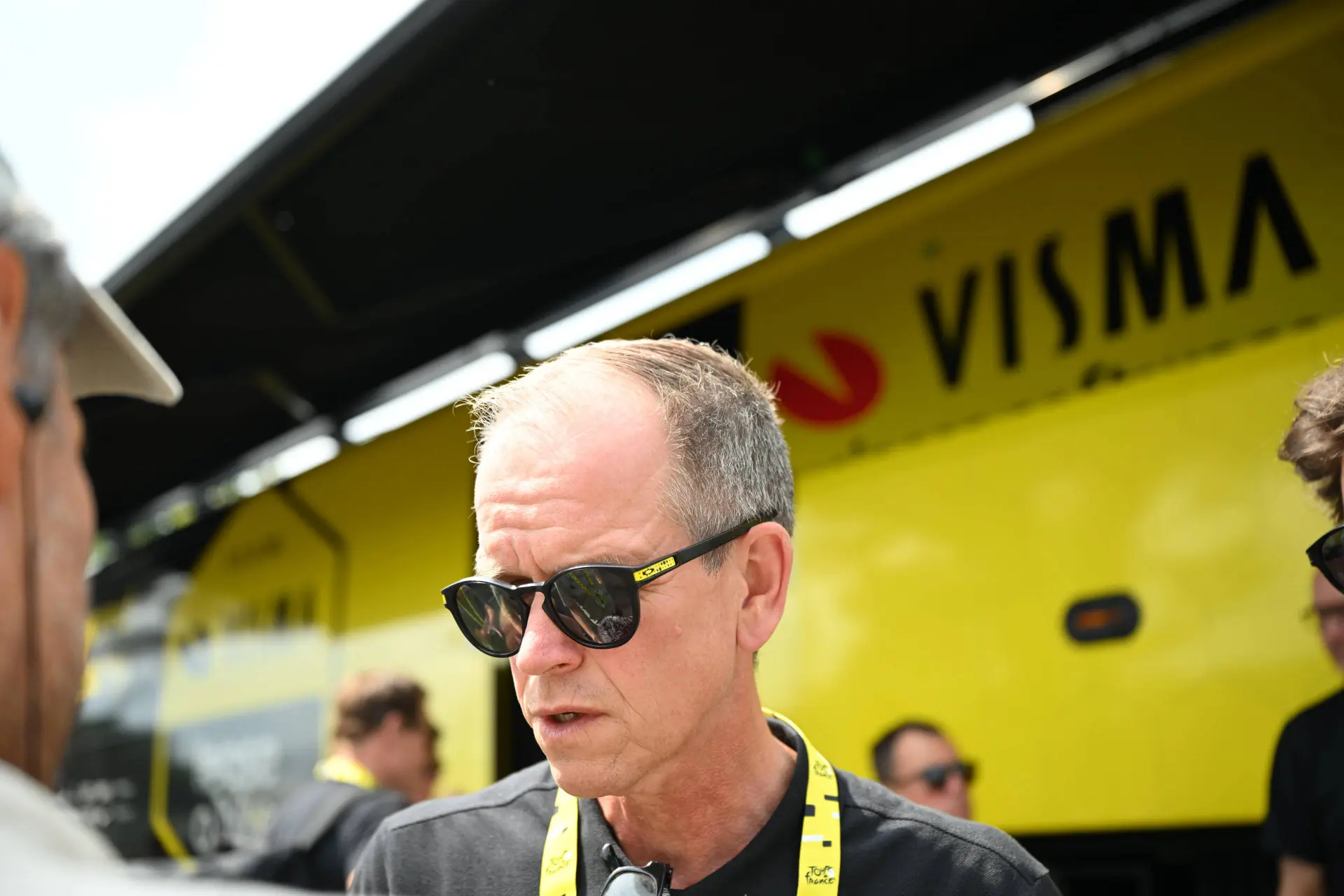
The Dane also crashed on the same day that the vampires knocked on his hotel-room door at two in the morning to carry out an anti-doping control. Pogacar was woken three hours later for an identical procedure. The other riders were only tested the following day.
Well, everyone except Paul Seixas’ Decathlon team, who received preferential treatment because they were French and were tested at eight in the evening. Seixas and his teammates did not lose a night’s sleep. Apparently, they are VIPs.
Total disappointment for Visma
It was a completely disappointing Tour for Visma, who only won the team time trial in Barcelona and had nothing else to show to their sponsors. Kuss came close to winning the queen stage, but two crashes on the final descent ruined everything.
Visma also finished outside the top ten of the final general classification in Paris.
Pedersen brings colour to the race
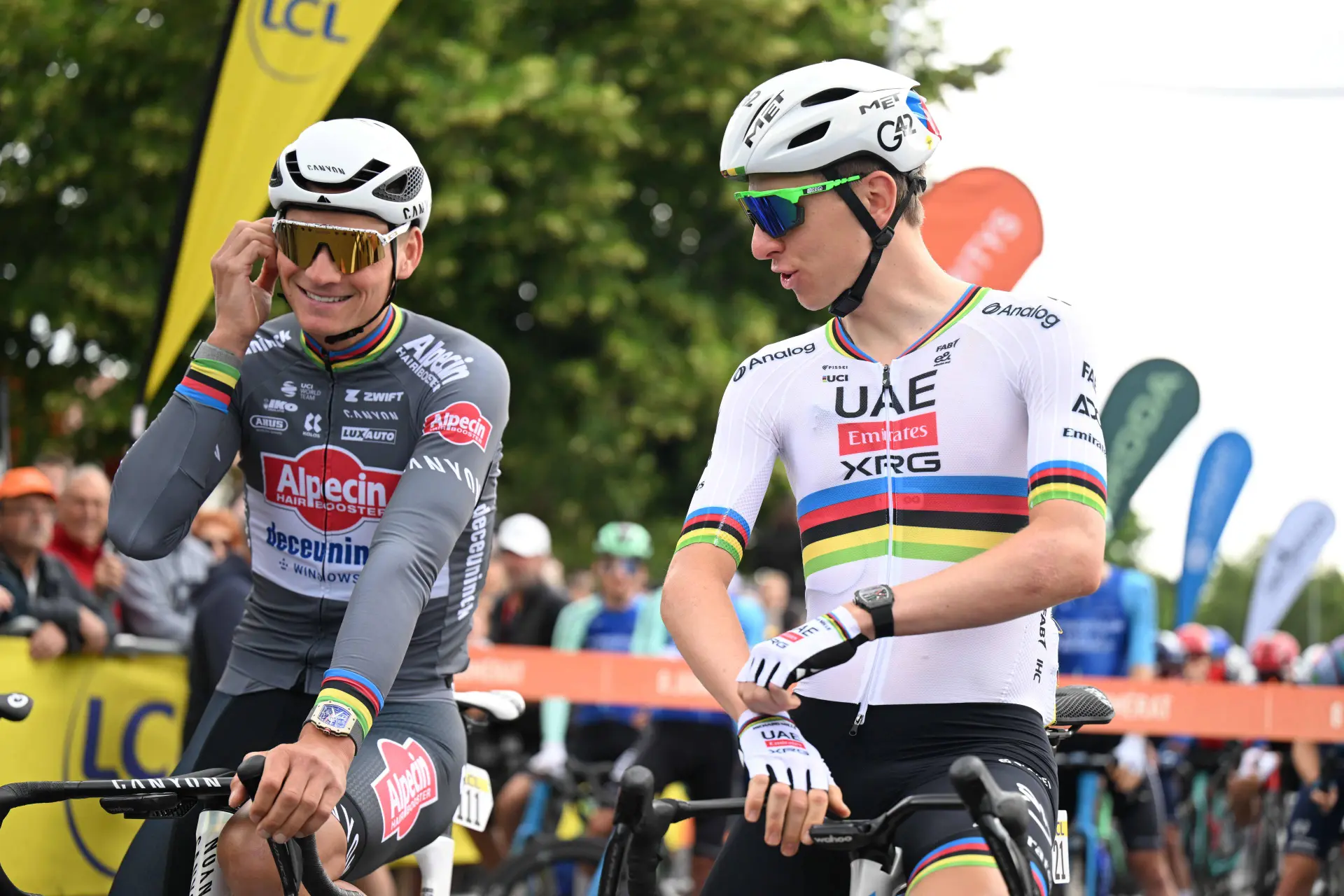
Mads Pedersen brought colour and life to the race by attacking, winning intermediate sprints and driving the Lidl-Trek train to ensure that the team entered the mountains in a strong position.
Juan Ayuso, however, once again showed that he is not, and never will be, a leader at the Tour de France.
Skjelmose, who expressed his discomfort with the Spaniard’s presence at the beginning of the year and is approaching the end of his contract, should sit down with the team to discuss a new agreement. His status within the team should be one of the main subjects on the table.
Skjelmose is a leader. Ayuso is merely a luxury domestique who does not have the words “work” and “humility” in his dictionary.
The best Tour de France in recent years
Yesterday brought the end of what was, for me, the best Tour de France in recent years. The yellow jersey alone does not define the direction or quality of a race. What matters is everything the race gives us.

Tadej Pogacar and Isaac del Toro at the 2026 Tour de France
A Tour of ups and downs
CyclingUpToDate’s Rúben Silva offered his verdict on 21 thrilling days of racing.
A good Tour and so much to say really. From start to finish it was a race with exciting moments, sometimes over attacks and sometimes over crashes, a real race of ups and downs.
On some minor notes were some of the incidents outside of the racing itself. Fans have great control over what happens on the roads, it was great seeing massive crowds on Montmartre, the Col du Haag and on Alpe d'Huez as well, but I have to say that I agree with the fact that in the future there may be some serious limitations on the crowds allowed to go up Alpe d'Huez due to the fear of the riders and managers this year, and Einer Rubio's crash.
Crashes change the race
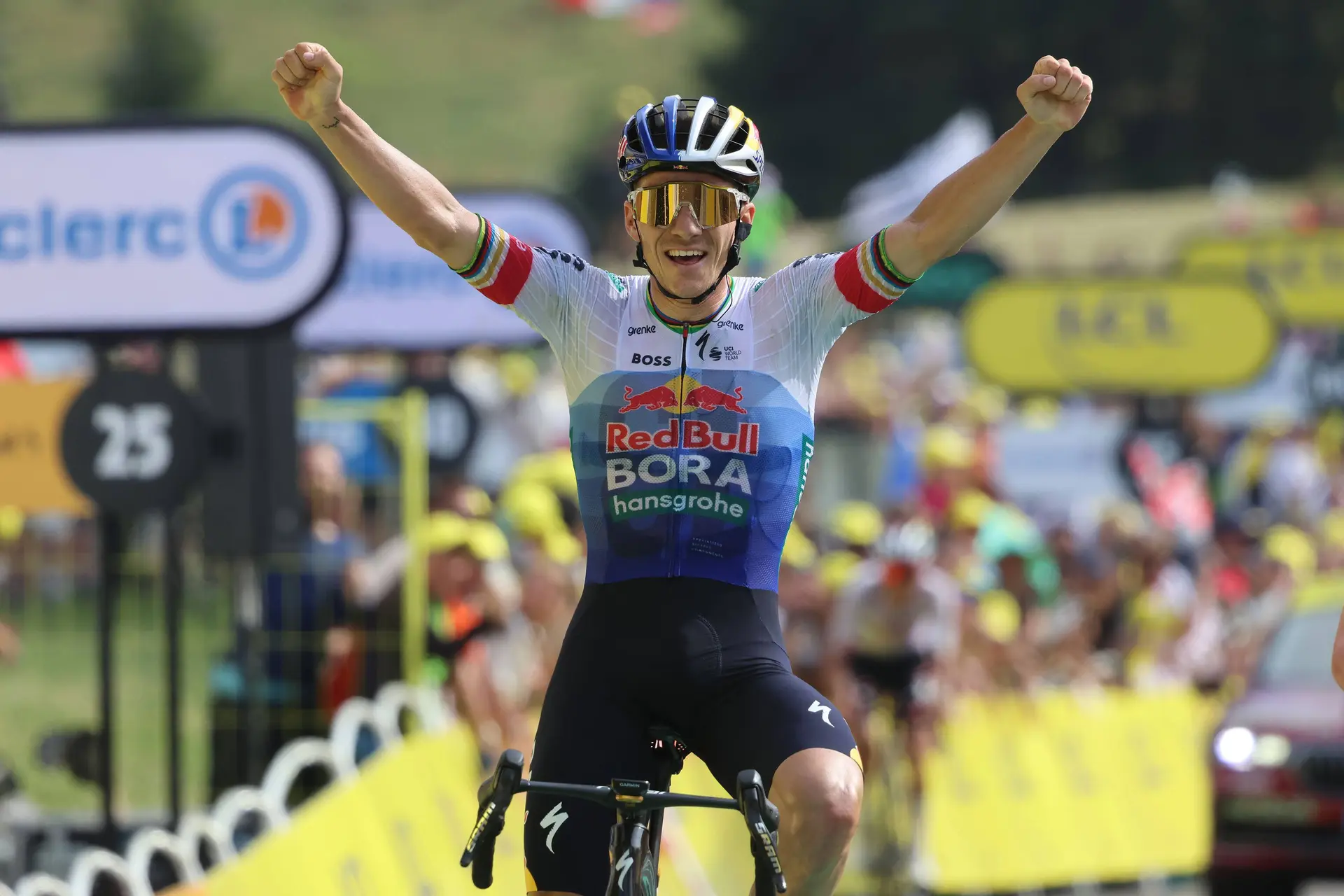
The race was marked by the crashes on stages 15 and 16 with Jonas Vingegaard and Florian Lipowitz abandoning the race. Visma's unlucky streak continues, they were the only team that actually intended on challenging Tadej Pogacar and UAE and so it was a big hit to see them leave.
Even if the outcome hadn't changed (seeing Pogacar on week 3, it really wouldn't have) Vingegaard's presence added that 'what if' as he has done it in the past and was the rider with nothing to lose. A loss for the race, but cycling is made up of good and bad moments.
Modern cycling lacks unpredictability
The GC fight was not what we once again years or decades ago, but that's part of modern cycling. Despite the constant high pace (faster Tour edition ever), the brutal heat (maybe the hottest Tour ever? Certainly in recent years that is the case), modern nutrition, training and adaptation to the weather conditions is so good and professional that you simply have riders that do not have bad days on the bike - or they are very good hiding it.
Whilst I enjoy seeing riders at the very best level constantly and putting out their best performances, I always like more the unpredictability. Grand Tours is not where you find unpredictability nowadays, and it was a race often without that tension that really makes cycling special.
Pogacar closes in on the outright record
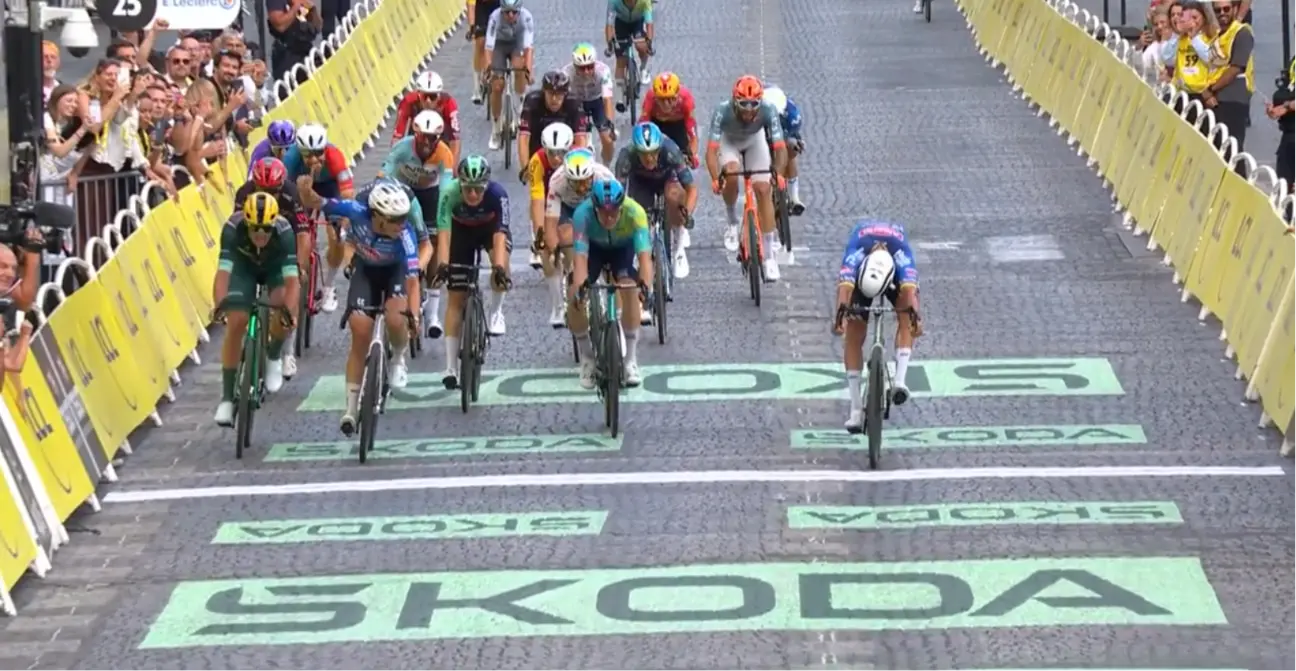
Tadej Pogacar is now a record-holder together with a few others when it comes to Tour victories, well deserved and if nothing weird happens, he should be able to win number 6 and become the sole record holder next year.
His level is astonishing, he isn't improving but he is maintaining a level that no-one else can reach, and there is a physiological ceiling that only a few men can even dream of reaching close to him. I expect to see him race the Vuelta a España and go finally for the red jersey, starting at home in Monaco.

Richard Carapaz at the 2026 Tour de France
Pogacar becomes history
CiclismoAlDía’s Javier Rampe shared his assessment of three intense weeks of racing.
The 2026 Tour de France will be remembered as the edition in which Tadej Pogacar stopped chasing history and became part of it. The Slovenian claimed his fifth yellow jersey, equalling the record of Jacques Anquetil, Eddy Merckx, Bernard Hinault and Miguel Indurain. He did so with an authority that suggests the question is no longer whether he will win a sixth, but when.
At 27 years of age, the UAE Team leader has transformed the biggest race in the world into a stage where uncertainty barely exists. Five stage victories, dominance in the mountains, displays of strength on the decisive days and a constant sense of superiority summed up three weeks in which nobody was truly capable of putting him under pressure.
Visma fail to challenge the champion
The biggest shortcoming of this edition was precisely the absence of convincing opposition. Visma arrived as the only team considered capable of challenging the champion, but ultimately produced an overly conservative style of racing. Beyond the occasional isolated attempt, they never presented a strategy that forced Pogacar out of his comfort zone. They lacked imagination, aggression and the ability to turn the race into a tactical problem for the Slovenian. Whenever the UAE leader accelerated, the response was almost always resignation.
Red Bull settle for a defensive approach
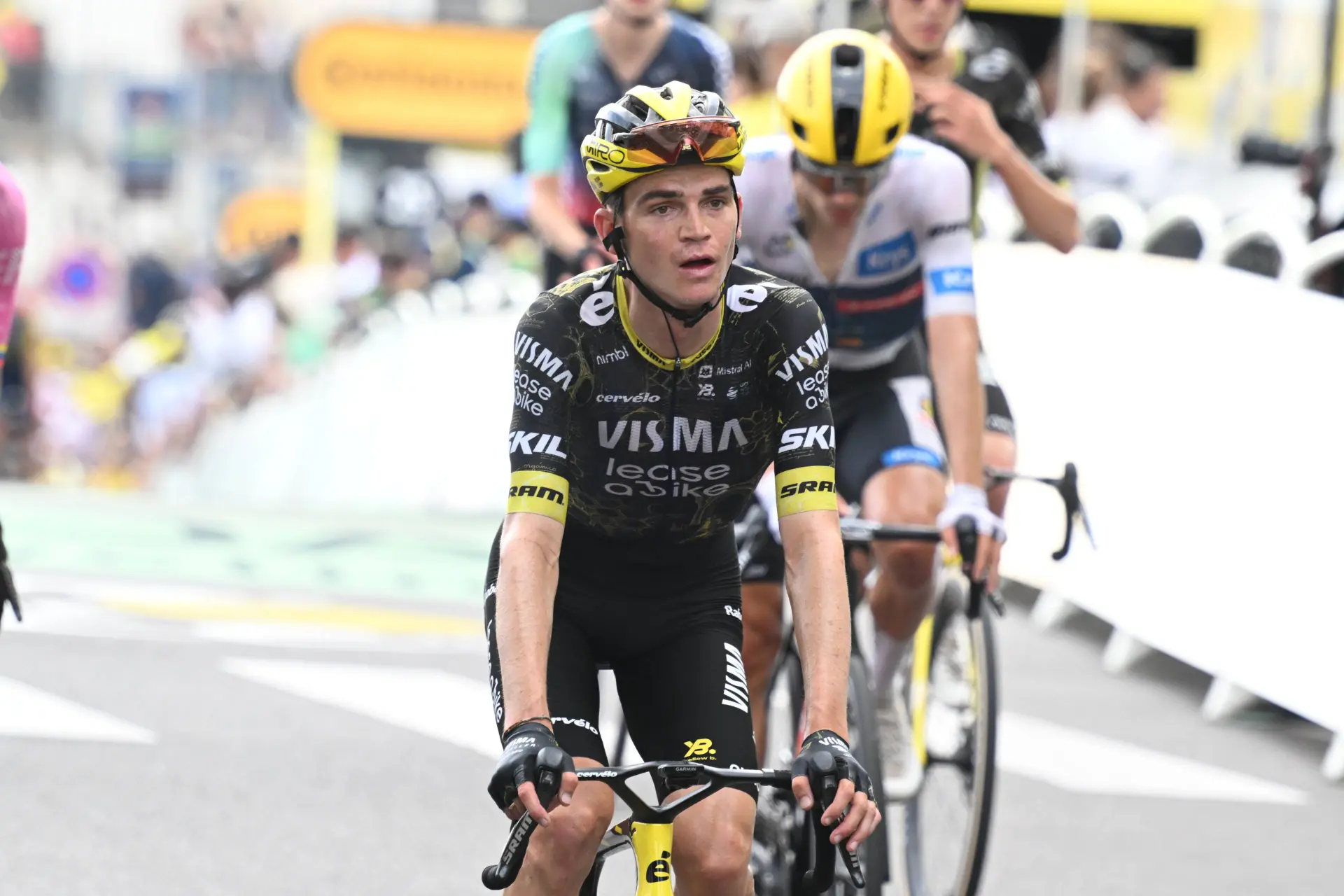
Red Bull also failed to convince. Despite possessing a powerful squad and several riders capable of making the race harder, the German team too often opted for a defensive approach, focusing on protecting positions rather than chasing victory. In a Tour dominated from start to finish by one man, the passivity of some of the favourites contributed to the general classification being decided far too early.
Too much pressure on Paul Seixas
Decathlon also feature among the disappointments. The expectations surrounding Paul Seixas ultimately proved disproportionate. The young Frenchman possesses extraordinary talent, but he was burdened with a level of responsibility unsuitable for a debutant. The Tour served as a reminder that potential needs time to turn into results and that no rider wins a Grand Tour solely because of the expectations created during the spring.
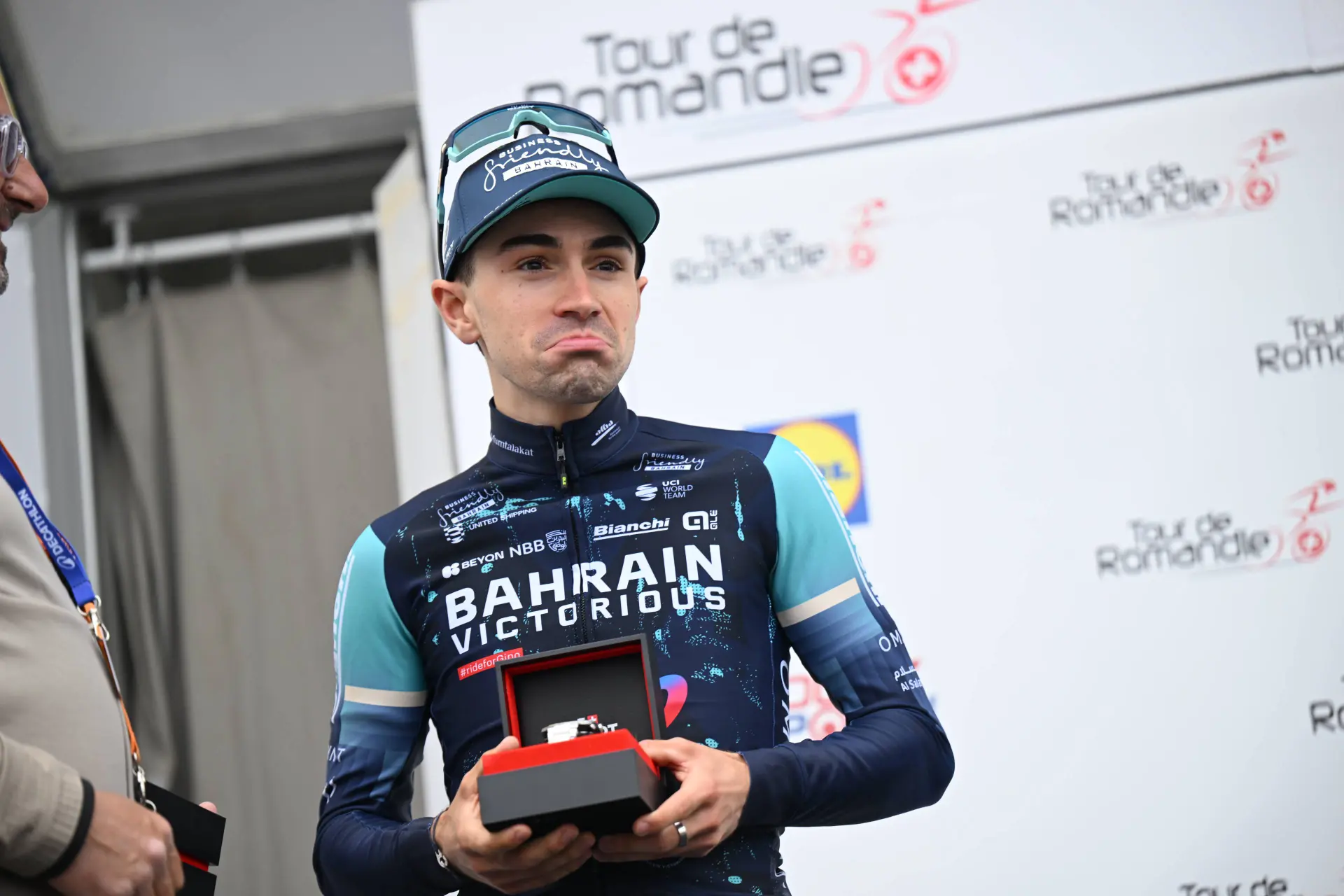
Juan Ayuso falls short of expectations
Something similar happened with Lidl-Trek and Juan Ayuso. The Spaniard arrived amid enormous media attention, but the race once again demonstrated that he is not yet a three-week rider, much less someone capable of challenging Pogacar at the Tour. Between physical problems, inconsistent days and a performance below expectations, Lidl’s gamble ultimately left more questions than answers.
Carapaz, Van der Poel and Del Toro make their mark
Beyond the battle for the yellow jersey, the Tour produced numerous protagonists. Richard Carapaz once again demonstrated that his attacking instinct remains intact; Mathieu van der Poel confirmed that his generosity as a domestique can also make a decisive difference; and Isaac del Toro took another step forward in his development within the UAE squad, establishing himself as one of the major names of the future.
Safety concerns and exceptional circumstances
The organisers raised doubts when the race was forced to deal with various exceptional circumstances, such as the modification of the finish in Paris due to the fires that forced the final stage to be shortened. Although safety was once again the priority, crashes influenced several important stages, reopening the debate about protecting the integrity of the peloton. There was also no shortage of irresponsible behaviour from spectators who invaded the riders’ space on the major climbs, although the fans generally provided a spectacular image once again.
Extraordinary anti-doping controls
The “controversial” anti-doping controls represent a fundamental aspect of strengthening the credibility of modern cycling and fighting against cheats. If there are suspicions, the law must be followed. In this case, under a judge’s order, it was decided that the two biggest figures in cycling, Jonas Vingegaard and Tadej Pogacar, would be called for extraordinary testing, one at two in the morning and the other at five.
Annoying? Certainly, but doping still exists in 2026 and, given the history of our sport, no measure is excessive when it comes to stopping those who break the rules and put their own health at risk.
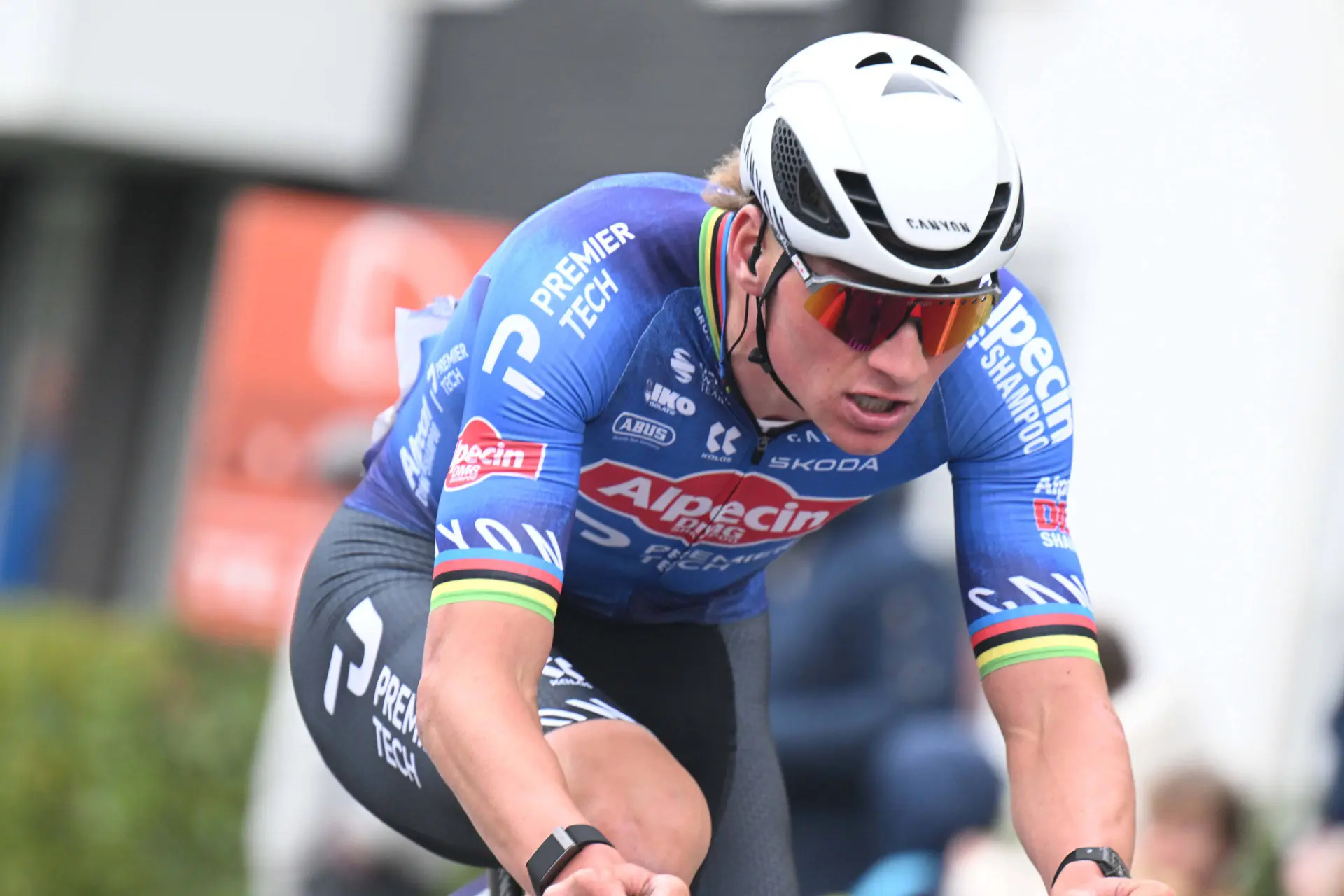
Pogacar’s only rival is history
The final assessment leaves one obvious conclusion: the Tour’s problem is not that Pogacar wins too much, but that nobody has yet found a way to make him lose. While his rivals calculate, wait or settle for limiting their losses, the Slovenian continues to write one of the most extraordinary chapters cycling has ever witnessed. A fifth Tour does not mark the end of an era; it is probably just another chapter that adds to the legend of Tadej Pogacar, whose only rival is history.

Paul Seixas at the 2026 Tour de France
The reality of modern cycling
CyclingUpToDate’s Gavin Quinn reflected on an unforgettable 21 days of racing.
Ah the 2026 Tour de France. It pretty much signaled exactly what the modern era of cycling has become. Breakaways are rarely given room to breathe, and if you want to win a stage, you have to be of the highest-caliber of rider. The Tour stage winners are essentially cycling's elite top table, such as the standard that comes with it.
Pogacar is once again shattering and equalling records, there's no disputing that he is the best rider in the world. Jonas Vingegaard leaving the race does leave me wondering, not if he could challenge Pogacar, but if we could see Remco Evenepoel, Isaac del Toro or Paul Seixas establish themselves as the clear number two rider by next July.
A philosophical conundrum for Pogacar’s rivals
For Seixas, I wonder if he'd be better suited for doing a Giro or Vuelta in 2027. Not because he can't come back and finish fourth or better next year, but because a grand tour without Pogacar is one he can legitimately win. However, same goes for Evenepoel and del Toro. In a way, Pogacar's dominance leaves a philosophical conundrum for the four other riders in his wake: what is most worth pursuing? A placing in the Tour or potentially winning another grand tour?
Elsewhere, the big winners for me were Richard Carapaz, Mads Pedersen, Mathieu van der Poel and Tim Merlier. It's great to definitively have jersey battles elsewhere with both the KOM and points systems re-shuffled a little.
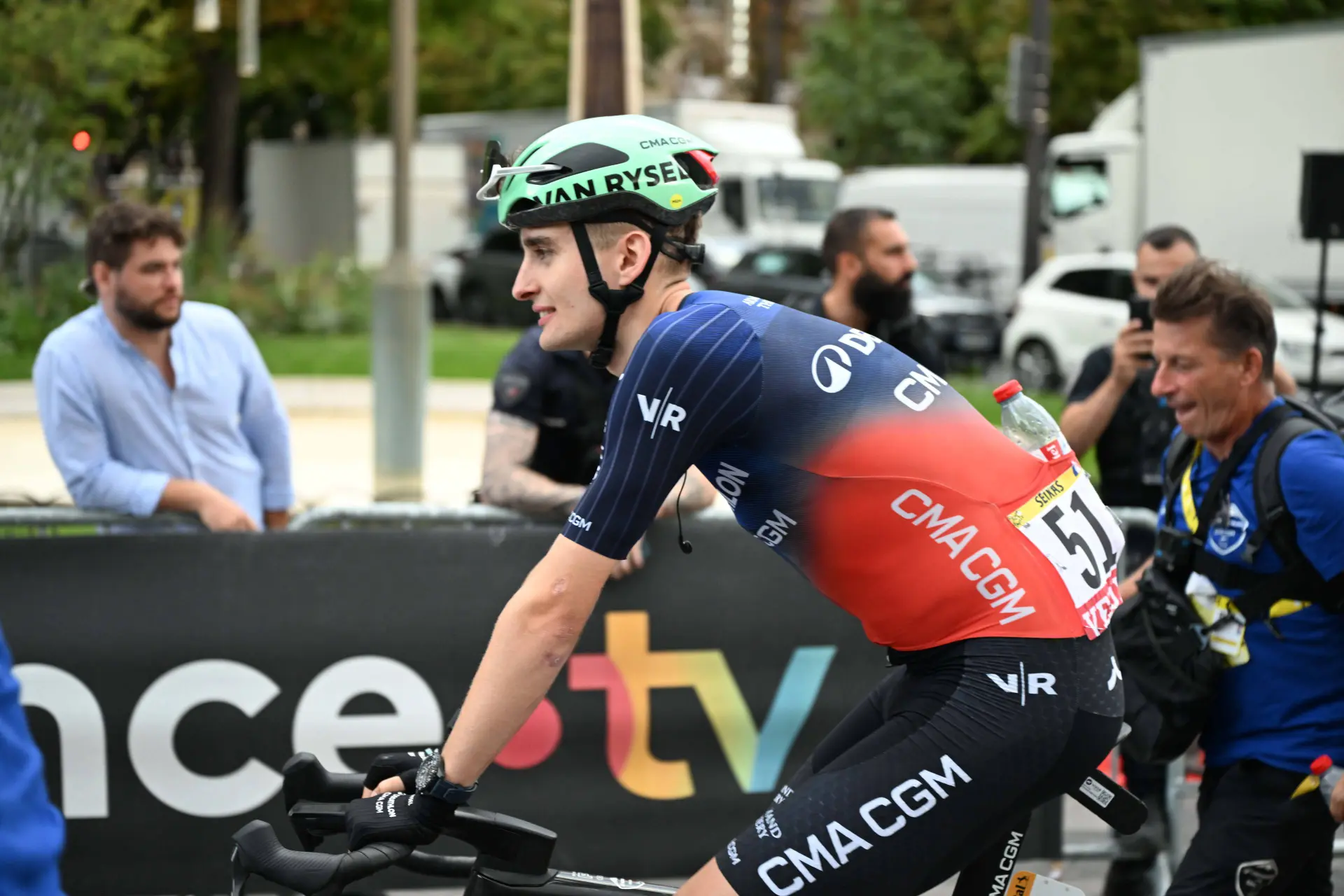
The harsh reality of the Tour
In a way the Tour is harsh. Most of the top ten would have delivered career-best performances over the three weeks only to finish in the records as a number in the top ten and way off Pogacar's pace. Sprinters get 15 seconds to show off months and years of dedication and training while a breakaway attacker or stage hunter faces a lucky dip to see whether they'll even get the chance to fight for victory.
Pogacar further solidifies his invincibility
As with dining at the top table, there's always a big bill to pay at the end - most riders will reset and we likely won't see some of them for a long time. Pogacar's invincibility has solidified even further as he makes it five. He's the best ever, I don't think it can be a discussion anymore.
The sun sets on Paris and another Tour. This one won't go down as the most memorable given the lack of a yellow jersey fight, but on a daily basis, there was plenty at stake across the board and it has been a thoroughly entertaining three weeks.

Remco Evenepoel at the 2026 Tour de France
The paradox of the 2026 Tour
RadsportAktuell’s Pascal Michiels offered his perspective on three remarkable weeks of racing.
The paradox of the 2026 Tour de France is that the battle for yellow was decided far too early, yet the race itself remained relentlessly entertaining.
Tadej Pogacar imposed himself so quickly that the central question soon became not whether he would win, but by how much. Normally, that would drain the life from a Grand Tour. We want uncertainty, tactical desperation and a leader who still looks vulnerable in the final week.
This Tour offered little of that. And yet, in one word, it was spectacular.

Pogacar always wants to race
There are almost no superlatives left for what Pogacar produced. He won across different terrains, controlled the race with frightening authority and still raced aggressively after the overall victory was secure.
His performance on Montmartre captured everything about him. Tour winners usually treat the final stage as a procession. Pogacar instead helped turn Paris into chaos, attacking in yellow and contributing to one of the most dramatic finales the race has seen. The guy always wants to race.
Pedersen’s three-week campaign
Mads Pedersen settled the points classification almost as decisively as Pogacar settled the yellow jersey.
The final week always suited him far better than his direct rivals. He could climb, join breakaways and collect points on terrain where the pure sprinters were simply trying to survive.
The contest lacked suspense, but his victory was entirely deserved. Pedersen did not win green by waiting for conventional sprints. He turned the classification into a three-week campaign built on versatility, endurance and tactical intelligence.
Carapaz rediscovers his attacking instinct
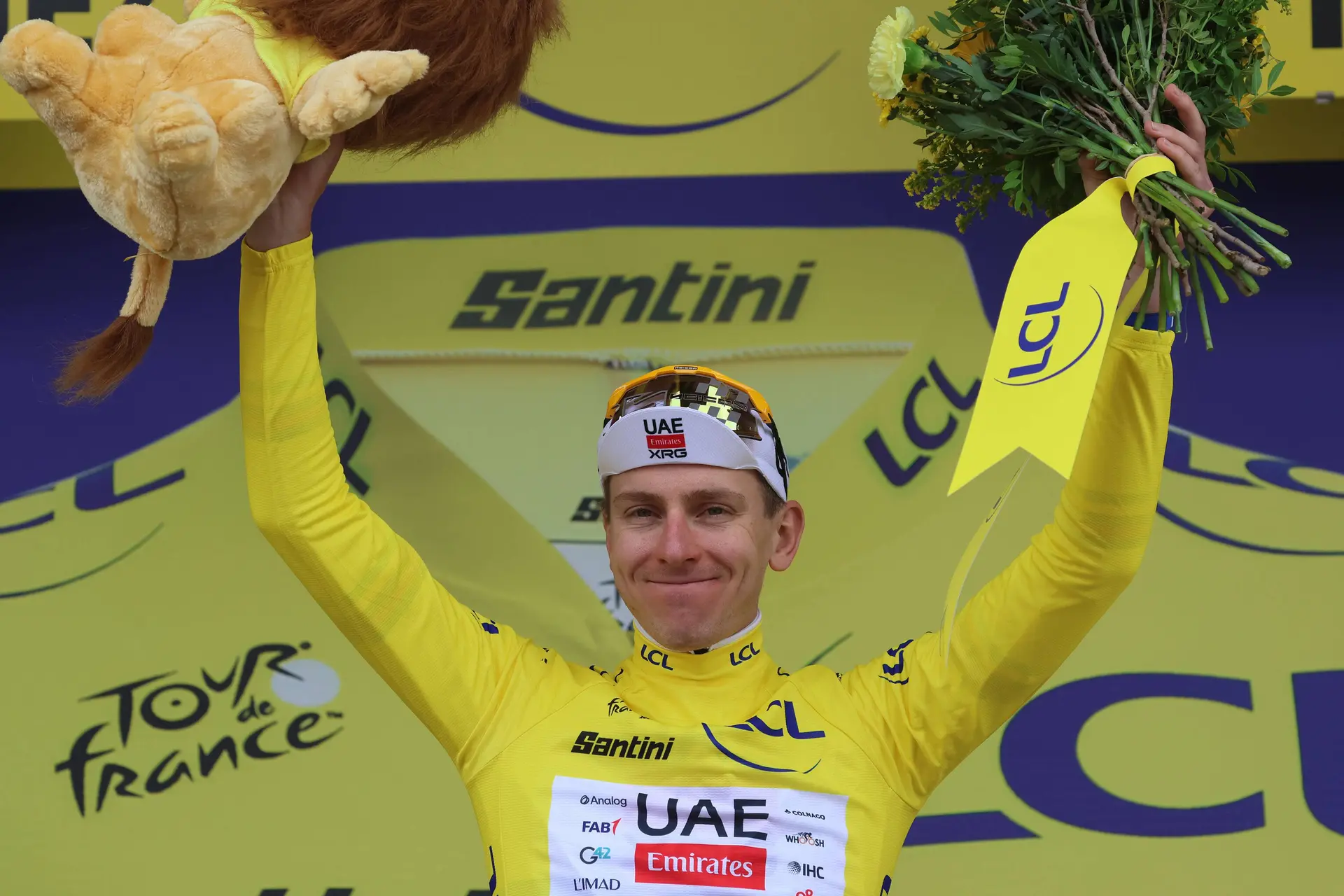
Richard Carapaz provided perhaps the most satisfying story of the race. There is something wonderfully instinctive about the way he climbs. He attacks rather than calculates, and in the final week he rediscovered the aggressive style that once made him one of the most feared riders in the mountains. He won twice, secured the polka-dot jersey and also took the overall combativity award. That combination says everything.
The white jersey stayed alive
The youth classification provided the tension missing from the battle for yellow. Isaac del Toro eventually defeated Paul Seixas, with Lenny Martinez and Juan Ayuso also involved deep into the race. The contest might even have produced one final twist in Paris after Del Toro suffered a puncture.
Because the times were taken before the Montmartre circuit, rather than at the finish, the mechanical problem did not threaten his white jersey. Otherwise, El Toro might have faced a frantic chase through Paris to save his classification.
His victory confirmed that he is already far more than a promising young rider. Seixas was equally impressive, and their rivalry could define future Grand Tours.

The biggest losers of the Tour
The 2026 Tour de France was not perfect. The people booing Pogacar on the mountain roads, for instance, are the biggest losers of this Tour. They were watching one of the greatest performances in cycling history and chose bitterness over appreciation. You do not have to support Pogacar, but refusing to respect what he was producing was totally embarrassing.
The spectacle never died
The final classification may have been predictable. The journey was anything but. The suspense died early. The spectacle never did.
Pogacar is cycling’s Messi, only a far better role model. That is why he is bigger than his nation. He does not merely represent cycling. He embodies world cycling.

Jonas Vingegaard at the 2026 Tour de France
Verdict
The great paradox of the 2026 Tour de France is that the fight for the yellow jersey ended early, yet the race never stopped producing entertainment. Tadej Pogacar was so superior that the question quickly changed from whether he would win to how large his winning margin would be. That lack of uncertainty weakened the battle for overall victory, but it did not prevent the Tour from delivering three weeks filled with attacks, crashes, breakaways, controversy and memorable performances.
Pogacar leaves France with a fifth Tour victory, joining Jacques Anquetil, Eddy Merckx, Bernard Hinault and Miguel Indurain. At 27, he no longer appears to be pursuing cycling history. He has become part of it.
The world champion won five stages, dominated in the mountains and continued attacking even after his overall victory was effectively secure. His performance in Paris captured his mentality perfectly. The yellow jersey normally treats the final stage as a procession, but Pogacar helped turn the Montmartre circuit into chaos. He always wants to race.
Jonas Vingegaard’s withdrawal inevitably left the race with a sense of what might have been. Visma were the only team that appeared genuinely committed to challenging UAE, although their approach was often too conservative. Vingegaard had already been unable to match Pogacar, but his presence still offered the possibility of an attack from a rider with nothing left to lose. His departure, followed by that of Florian Lipowitz, removed two major figures from the general classification.
Their crashes also raised questions about safety. Both riders hit the pavement, while Einer Rubio’s crash added to concerns about crowd control. The enormous numbers of spectators on Montmartre, the Col du Haag and Alpe d’Huez created spectacular scenes, but riders must be given enough space to compete safely. Restrictions on some of the busiest climbs may become unavoidable.
Carapaz and Van der Poel embody the race
If Pogacar was the dominant figure, Richard Carapaz and Mathieu van der Poel were the souls of this Tour.
At 36, Carapaz delivered a magnificent demonstration of old-school attacking cycling. He attacked once, twice and then attacked again. When he was dropped, he continued fighting. The Ecuadorian won two stages, secured the polka-dot jersey and received the overall combativity award. No rider better represented courage, persistence and the refusal to calculate every effort according to watts or lactate levels.
Van der Poel brought the same instinctive desire to race. His two stage victories, including his epic success on the Champs-Élysées, only tell part of the story. He attacked, worked for others and helped animate the race whenever an opportunity appeared. Alongside Carapaz, he reminded modern cycling that racing with emotion and imagination still has a place at the highest level.
Mads Pedersen also deserves enormous credit. He did not win the green jersey simply by waiting for conventional bunch sprints. He attacked, joined breakaways, collected intermediate points and worked for Lidl-Trek before the mountains. His points victory was built on versatility, endurance and tactical intelligence.
A glimpse of the future
The youth classification delivered much of the suspense missing from the yellow-jersey contest. Isaac del Toro eventually defeated Paul Seixas, while Lenny Martinez and Juan Ayuso remained involved deep into the race.
Del Toro and Seixas both finished inside the top five on their Tour debuts, confirming that they are already more than promising talents. Del Toro won a stage and reached the podium with the support of Pogacar, who performed the role of luxury domestique when required. Their rivalry could become one of the defining stories of future Grand Tours.
Pogacar’s dominance, however, creates a difficult decision for the riders behind him. Is finishing on the Tour podium more valuable than targeting victory at the Giro d’Italia or Vuelta a España? For Seixas, Del Toro and Remco Evenepoel, a Grand Tour without Pogacar may offer a far more realistic path to overall victory.
Ayuso leaves a very different impression. Despite the expectations surrounding him, he again failed to show that he can lead a team at the Tour. Lidl-Trek must now decide how its hierarchy should look, particularly with Mattias Skjelmose approaching the end of his contract. Skjelmose has demonstrated leadership qualities, while Ayuso still has much to prove in terms of consistency, teamwork and humility.
Visma’s Tour was an enormous disappointment. Victory in the team time trial in Barcelona was their only major reward, while two crashes on the final descent denied Sepp Kuss a possible victory on the queen stage. The team ultimately finished without a rider inside the top ten in Paris. Red Bull also raced too defensively, protecting positions when the situation demanded ambition.
Spectacular, despite its flaws
The extraordinary overnight anti-doping controls involving Vingegaard and Pogacar created further controversy, particularly because other riders and teams were tested at more convenient times. Anti-doping controls are essential to the credibility of cycling, but questions about consistency and equal treatment are legitimate.
The 2026 Tour was not perfect. The general classification lacked suspense, breakaways were rarely given freedom and the organisation made decisions that deserve scrutiny. The spectators who booed Pogacar also disgraced themselves. Nobody is required to support him, but a performance of this magnitude deserves respect.
Modern cycling increasingly rewards physical perfection, detailed preparation and control. Bad days are becoming rarer, or riders are becoming better at hiding them. That can make Grand Tours predictable. Yet this edition proved that the yellow jersey is not the only measure of a great race.
Pogacar controlled the destination, but Carapaz, Van der Poel, Pedersen and the emerging generation made the journey worthwhile. The suspense died early. The spectacle never did.
Tour de France 2026 stage winners
| Stage | Winner | |
| 1 | Barcelona – Barcelona, TTT | Team Visma | Lease a Bike |
| 2 | Tarragona – Barcelona | Isaac del Toro |
| 3 | Granollers – Les Angles | Tadej Pogačar |
| 4 | Carcassonne – Foix | Mads Pedersen |
| 5 | Lannemezan – Pau | Olav Kooij |
| 6 | Pau – Gavarnie-Gèdre | Tadej Pogačar |
| 7 | Hagetmau – Bordeaux | Tim Merlier |
| 8 | Périgueux – Bergerac | Tim Merlier |
| 9 | Malemort – Ussel | Mathieu van der Poel |
| 10 | Aurillac – Le Lioran | Tadej Pogačar |
| 11 | Vichy – Nevers | Søren Wærenskjold |
| 12 | Circuit de Nevers Magny-Cours – Chalon-sur-Saône | Tim Merlier |
| 13 | Dole – Belfort | Mauro Schmid |
| 14 | Mulhouse – Le Markstein Fellering | Tadej Pogačar |
| 15 | Champagnole – Plateau de Solaison | Remco Evenepoel |
| 16 | Évian-les-Bains – Thonon-les-Bains, contrarrelógio individual | Remco Evenepoel |
| 17 | Chambéry – Voiron | Jasper Philipsen |
| 18 | Voiron – Orcières-Merlette | Richard Carapaz |
| 19 | Gap – Alpe d’Huez | Tadej Pogačar |
| 20 | Le Bourg-d’Oisans – Alpe d’Huez | Richard Carapaz |
| 21 | Paris – Champs-Élysées | Mathieu van der Poel |
And you? What did you think of the Tour de France 2026? Tell us your thoughts, share your opinion on all the key moments and incidents from the race, and join the discussion.
Carlos Silva is a writer for CyclingUpToDate.com, where he contributes race reports, interviews, analysis pieces, and live coverage of the international cycling calendar. Holding a degree in Sports from the Jean Piaget Institute, he combines academic knowledge of performance, training, and competition with hands-on journalism experience in professional cycling.
Throughout his career, Carlos has conducted interviews with leading figures in the sport, including Alberto Contador, Joaquim Rodríguez, Óscar Pereiro, João Almeida, Isaac del Toro, Derek Gee, John Degenkolb and Geraint Thomas. These conversations reflect direct engagement with Grand Tour winners, Classics specialists, and emerging talents.
He has provided on-site coverage at major events ranging from the Vuelta a España to the Tour de France, alongside stage races such as Vuelta a Andalucía, Volta ao Algarve, Volta a Portugal and O Gran Camiño. Covering the mythical climbs of the Giro d'Italia remains one of his professional ambitions.
Carlos is responsible for liveblog coverage of all major WorldTour races and beyond, including the Tour de France, Giro d'Italia and Vuelta a España. His reporting integrates verified data from ProCyclingStats to ensure statistical accuracy, contextual depth, and analytical precision.
A lifelong cycling enthusiast, he approaches storytelling across written, photographic, and video formats with a focus on credibility, tactical insight, and informed race interpretation.
claps 3visitors 2
Just in

Popular news
Latest comments
- Nothing. Against Pogi nothingabstractengineer18-10-2026
- He didn't even try to sprint all outvappaxbipmv18-10-2026
- Campenaerts looked like a rolling pumpkin with that all orange leaders skinsuit !frieders318-10-2026
- He can take his dumb a$$ politics somehwere else !frieders318-10-2026
- good to have her back. fingers crossed she‘ll be able to stay!Ketterechts17-10-2026
- A tenner and he wins the Tour next year, too 😂anonymouscyclist17-10-2026
- the answer is either stick to classics or GTs but not bothabstractengineer17-10-2026
- the exodus already stared with Ciccone. Already they were struggling with two sprinters, now there are three. Also Ganna will demand leadership. Gall is the most proven GC, Ayuso has the most potential. GC leadership for everybody will be impossible. Literally a UAE style mess without pogi.abstractengineer17-10-2026
- I raced as an amateur for 12 years, including six years on my country’s national road cycling team. I secured two national titles and competed in three World Championships plus more than 15 international stage races. At 23, we travelled to Italy for a training camp—or so I assumed. On a rest day, we watched a presentation about adopting a more “professional” training approach. It was crystal clear what “professional” meant. That moment first exposed me to this dilemma. After returning from Italy, I left cycling—at least at the competitive level I had known. Over the following two years, the whole team was caught doping. I hold that everyone is innocent until proven guilty. In my view, current stakeholders operate on a different scale, and the sums involved are vast. I am unsure whether any doping would ever be revealed. I try to stay positive and enjoy the show. My 2c.
 vannpelt17-10-2026
 - Fiver he wins 🤣
 leedorney17-10-2026
Loading
2 Comments