"The phrase in the team car, and amongst a few DS's, they're letting them cook" - UAE's Tour de France stage 9 tactics potentially explained
Cycling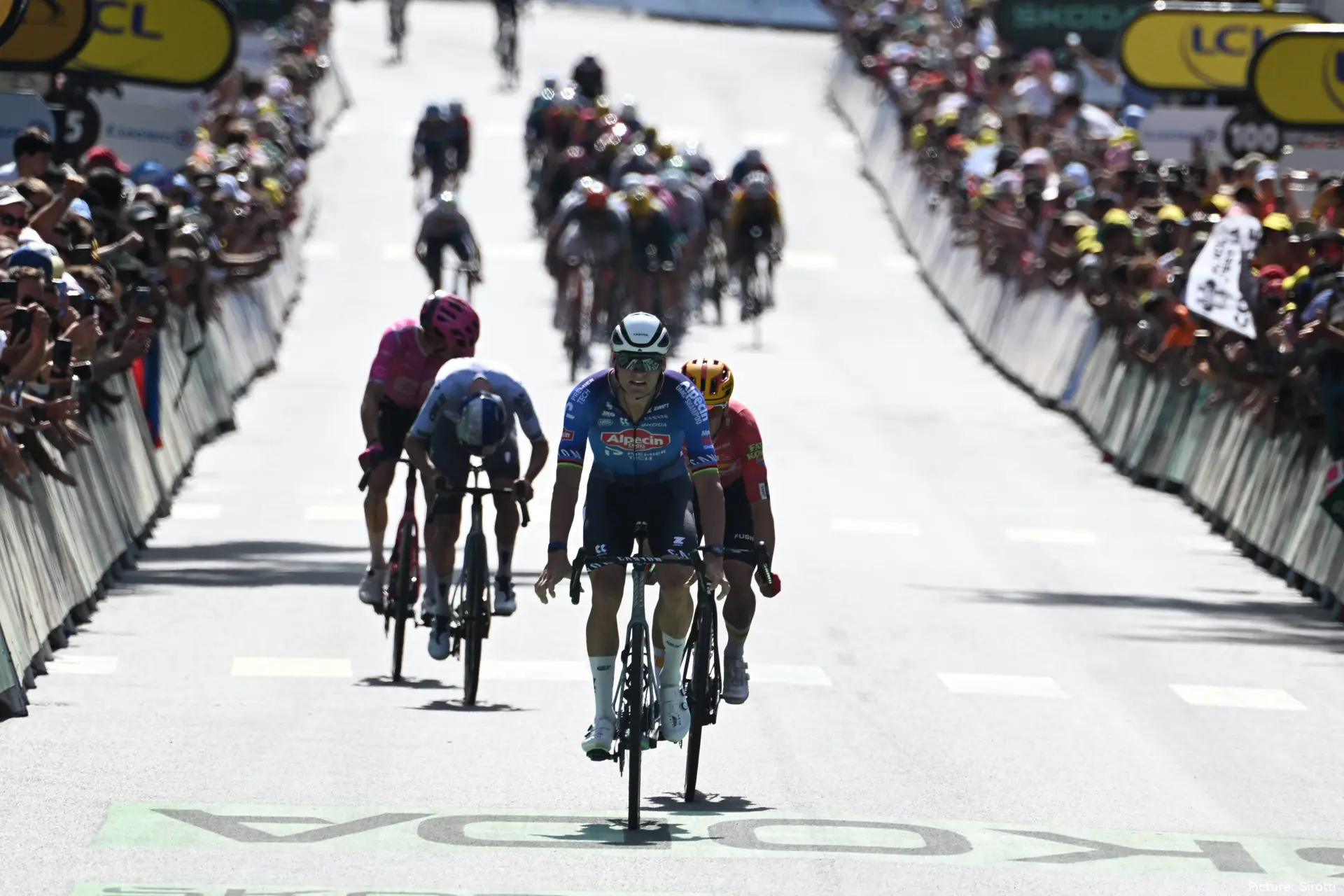
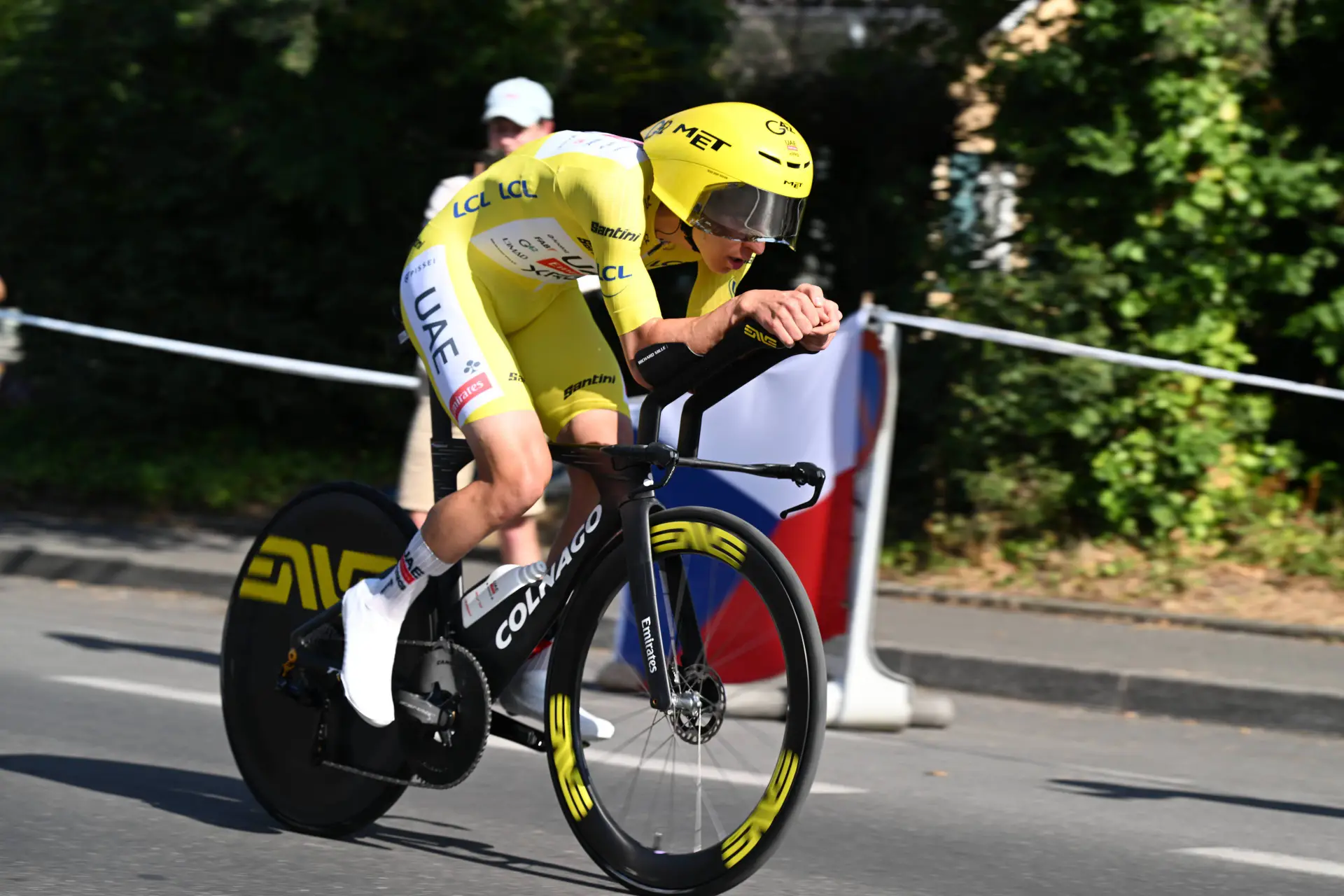
UAE Team Emirates - XRG seemingly haunted the breakaway on stage 9 of the Tour de France. In a hilly day that proved the perfect playground for punchy riders intent on getting themselves up the road, the peloton barely let any daylight between the attackers and bunch.
As an exciting breakaway formed with stage-hunters such as Mathieu van der Poel, Tobias Johannessen, Tom Pidcock and Alex Baudin surviving from an initial breakaway of eight riders until the end, but the stage was made harder by the chase behind.
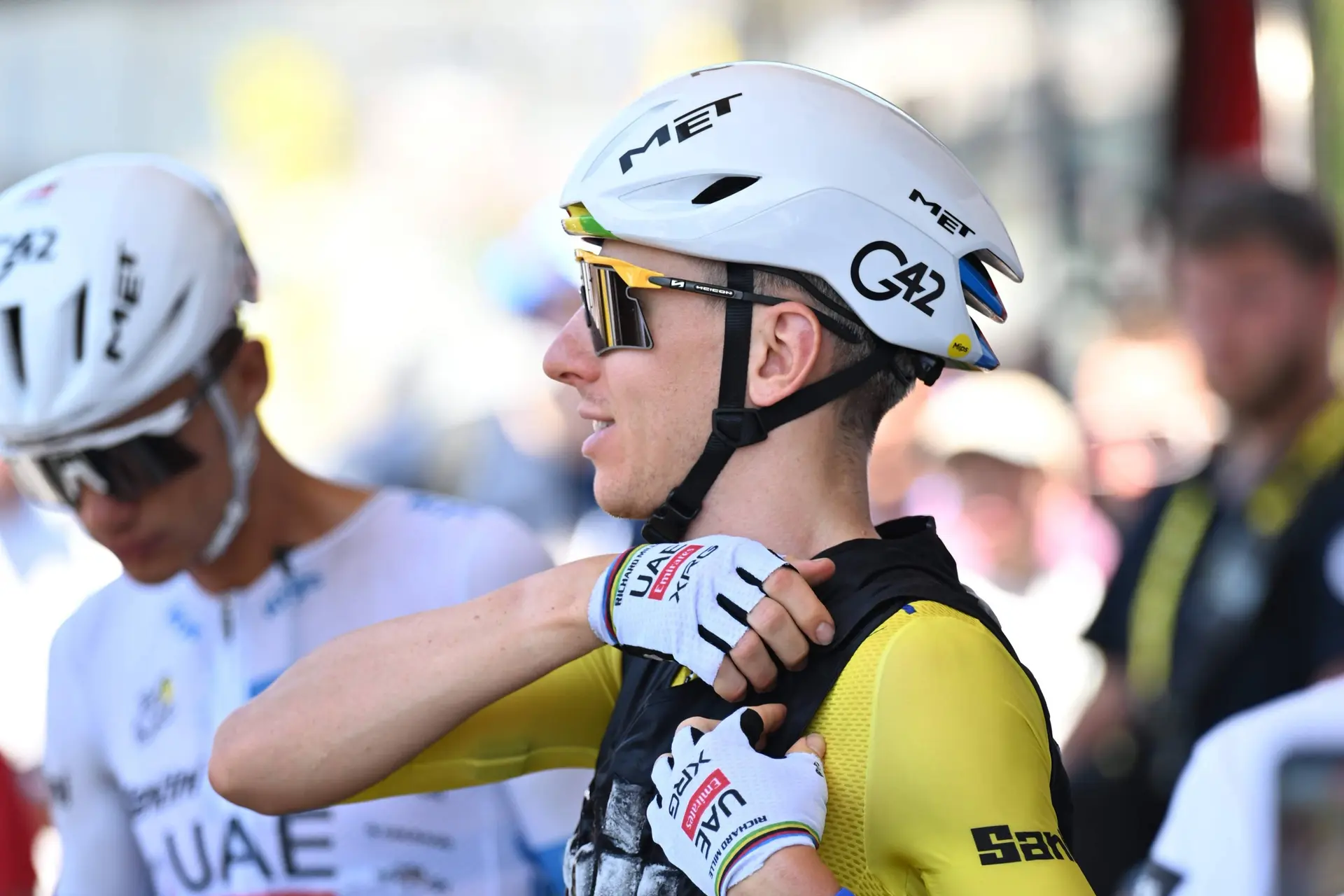
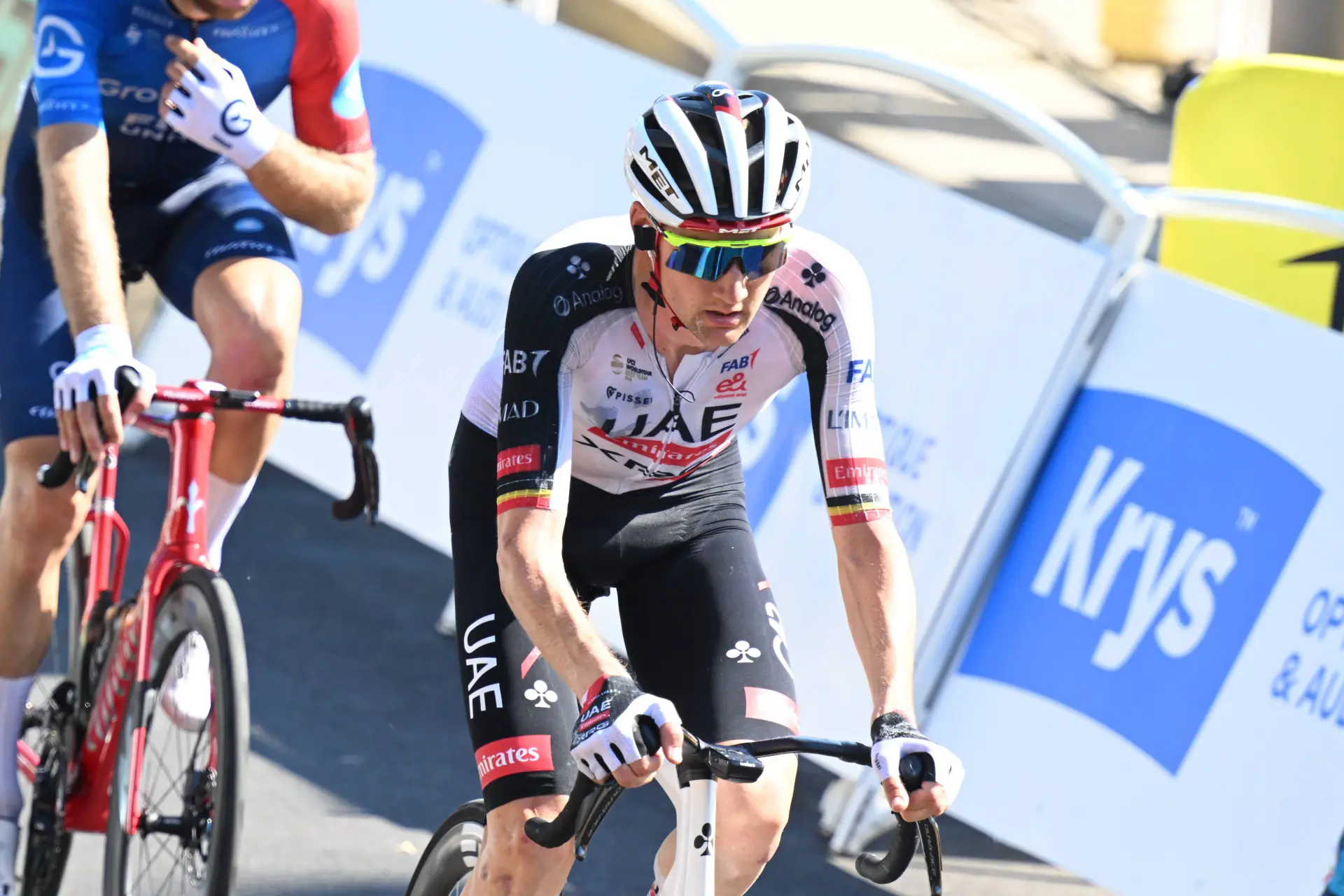
Under the intense heat, a chasing peloton seemed to keep the breakaway within their sights as UAE's Tim Wellens put in a strong shift at the front of the remnants of the bunch, despite there being no immediate general classification danger for Tadej Pogacar's yellow jersey.
In the latter stages, Lidl-Trek and INEOS paced behind in their bid to catch the breakaway, with Mads Pedersen and Filippo Ganna their options if it was to come back together, but many were puzzled by UAE's pacing and why they kept the breakaway on such a short leash.
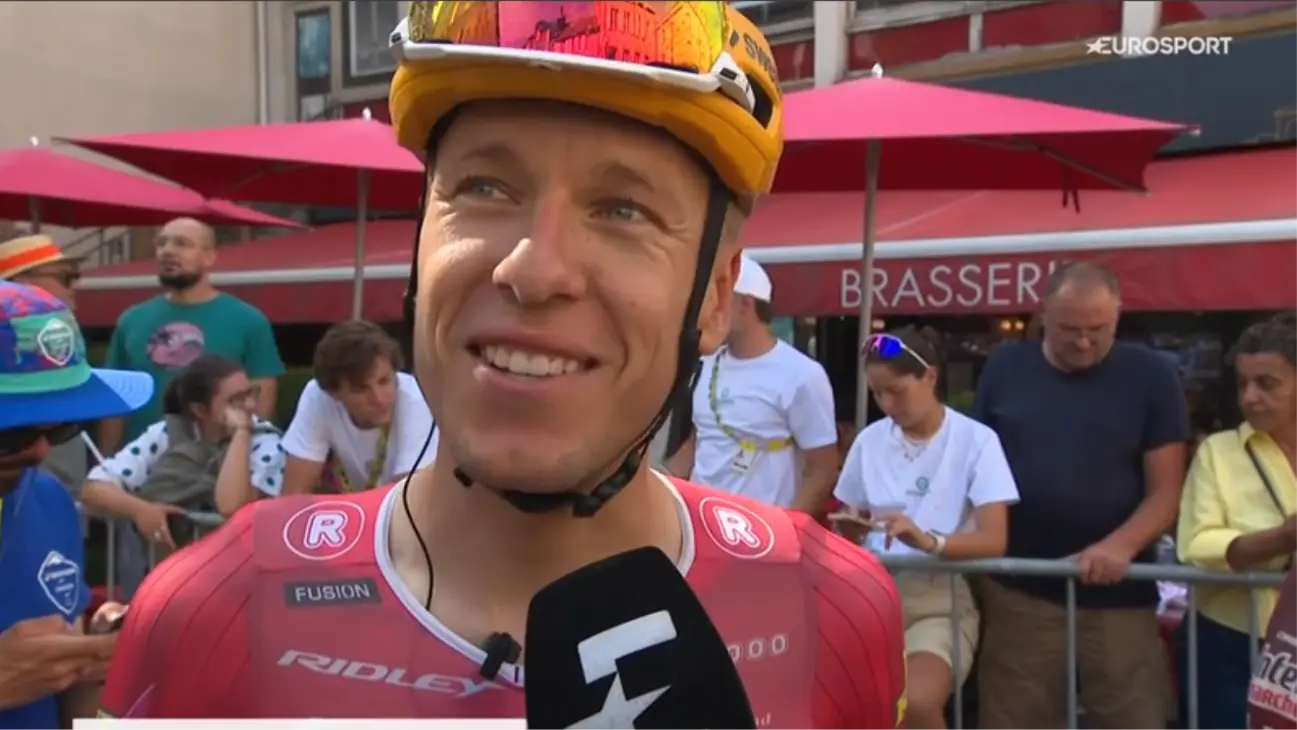
"How about this for a hot take, I was in the pan comms [commentary booth, Ed.] with John Mould, okay, and we were talking about this, and it was really interesting," Matt Stephens offered his theory on TNT Sports' coverage.
Stephens highlights psychological move
"We were discussing, he said: 'Matt, what UAE are doing, they're making it hard, they don't want any days to be easy, it is a psychological flake, because they've got the troops to be able to do that'."
Describing the psychological move, Stephen's wondered if the sports directors of some teams were trying to hinder the breakaway rider's ability to get service from team cars.
In cycling, when breakaways hold a large enough gap over the peloton, the race commissaires allow team cars for each rider to join the front of the race and follow their rider in the break.
However, when the gap between the groups reaches a point that the race commissaires deem that the groups could soon come closer, they will order all the team cars out of the gap between the groups and back behind the peloton.
When no team cars are behind the breakaway, their only support is usually just the neutral service car or bike that can offer water bottles and mechanical support - but not the fine-tuned or exact sustenance riders desire.
In a conversation with Unibet Rose Rockets sports director Jon Mould, he labelled the practice to let the breakaway 'cook' and that some team's attempt this tactic.
Letting the breakaway "cook"
He continued: "But by keeping it a minute... He said that basically the phrase in the team car, and amongst a few DS's, they're letting them cook, because they only have neutral service behind.
"It's only later when the gap went out to a minute thirty [1:30], could they get cars in behind, so the lads weren't getting the right sort of hydration, the right sort of food, and I said: 'John, is that really something that happens sometimes?' and he said: 'yeah'."
Read also
Stephens feels the theory explains why the peloton kept the gap between the two groups at in or around the minute mark for much of the stage.
He added: "Yeah, I mean I don't know whether it was the intention of the team to do that, but he said that is a thing, that they were holding it exactly a minute, fifty seconds, a minute, fifty seconds a minute, and at that point it was just - there was Shimano neutral service was the only vehicle."
Gavin QuinnCycling Journalist
Gavin Quinn is a cycling journalist and ultra-distance cyclist with a BA in Journalism from Dublin City University. Formerly the Press & Communications Officer for Cycling Ireland, Gavin has worked inside the national team at the World Championships and has reported for the Irish Mirror, Mirror UK, and The42.
His expertise is backed by elite-level access, having interviewed stars like Sam Bennett and Ben Healy, as well as immense personal endurance. In 2025, he completed a 12,000km solo cycle from Ireland to Vietnam, following a 4,600km tour across Europe. From the cobbles of Paris-Roubaix to the gradients of the Tourmalet, Gavin’s writing focuses on the "romance and brutality" of the sport. Having visited 50+ countries, he brings a global, cultural perspective to his coverage of the pro peloton for CyclingUpToDate.
claps 0visitors 0
Just in
Popular news
Latest comments
- Pog can be beat, so, yeh 👍
 leedorney22-10-2026
 - absolutely iconic face/effortwrsty22-10-2026
- EF makes some pretty good signings. Tao and Sosa could be decent replacements for Carapazmij22-10-2026
- gravel is such a great discipline. I hope it gets bigger from a media standpoint. looking at old Tour de France stages, they were basically gravel before it was called gravelmij22-10-2026
- This is good for the sport ? Spreading of talent around the peloton.
 Davide22-10-2026
 - Im all in with you Wally. Good Luck.Davide22-10-2026
- No it’s not, what utter drivel. How do you know he wasn’t presented the option to stay with a renegotiated contract. I’m sure if he’d not gotten a better deal elsewhere he would even have considered accepting. It’s not like they would have told him to ride for free like Cavendish had to.Jumpyjohn21-10-2026
- It’s been a long time since any real Special accomplishments.Jumpyjohn21-10-2026
- It's nice to know that (some of) this article is not AI generated... igneous is autocorrected Ineos
 Rafionain-Glas21-10-2026
 - What are they doing nobody knows.abstractengineer21-10-2026
Loading
Write a comment