John Degenkolb defends Picnic PostNL over alleged “dictatorship”, prompting a response from the journalist who exposed the case
Cycling
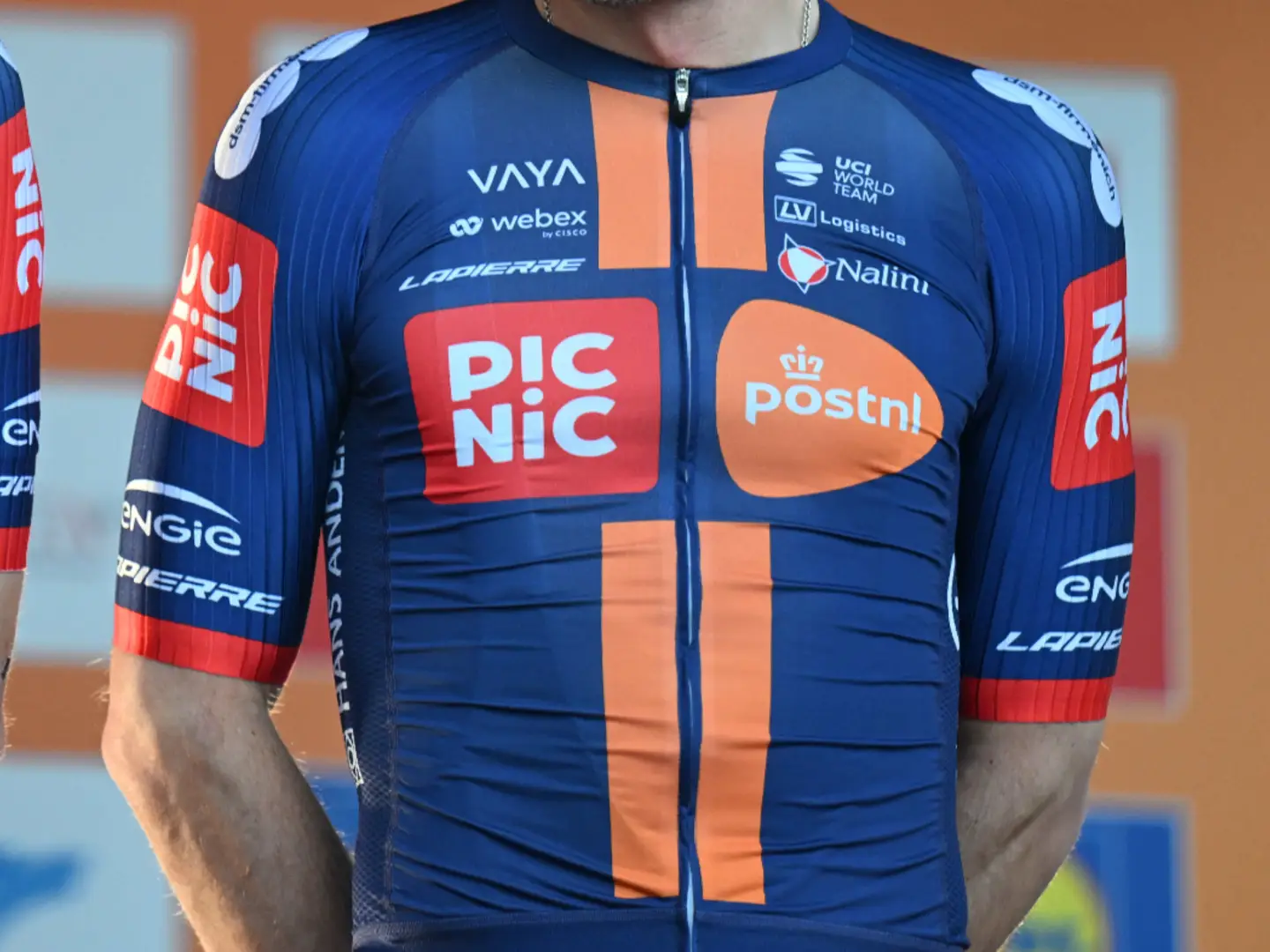
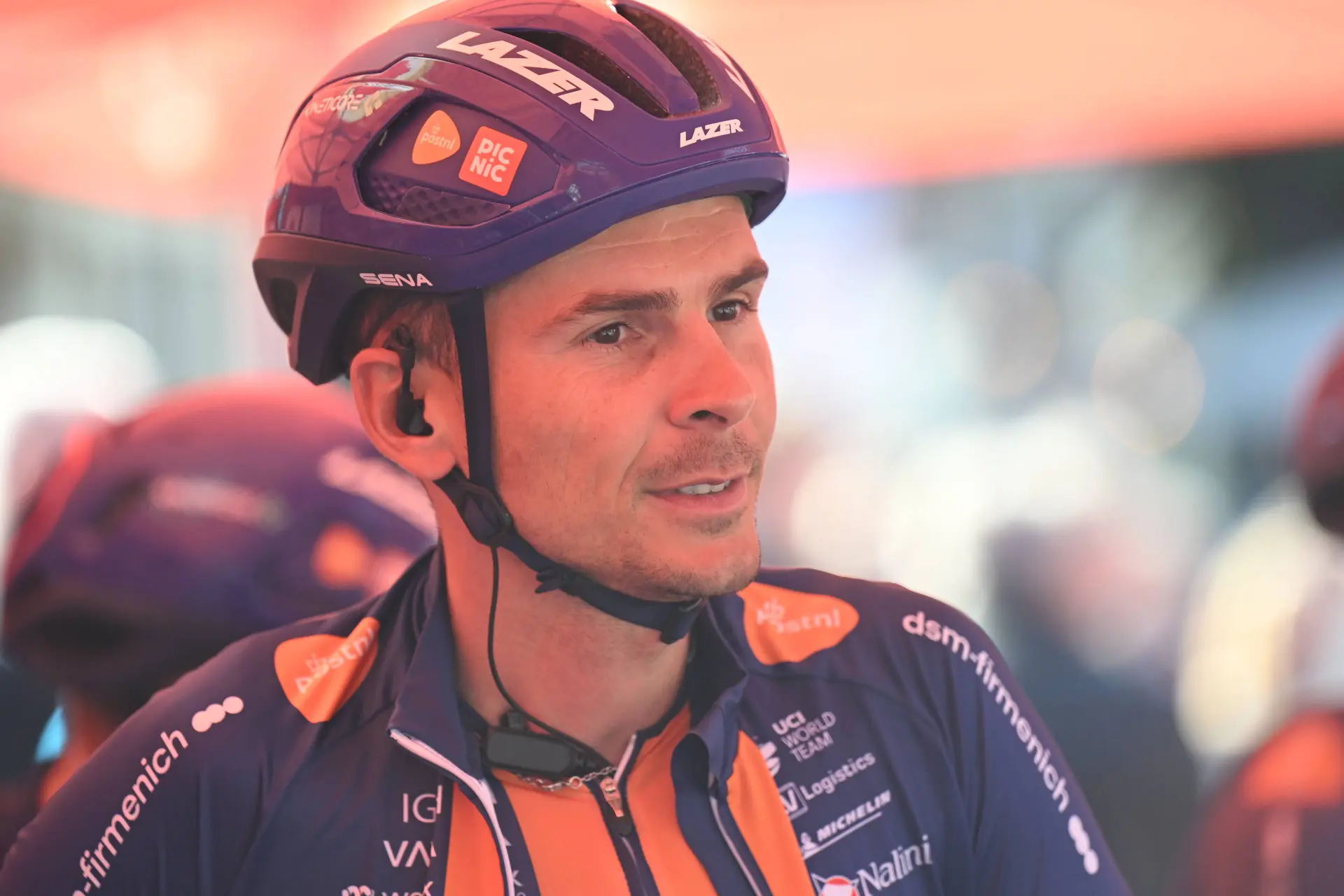
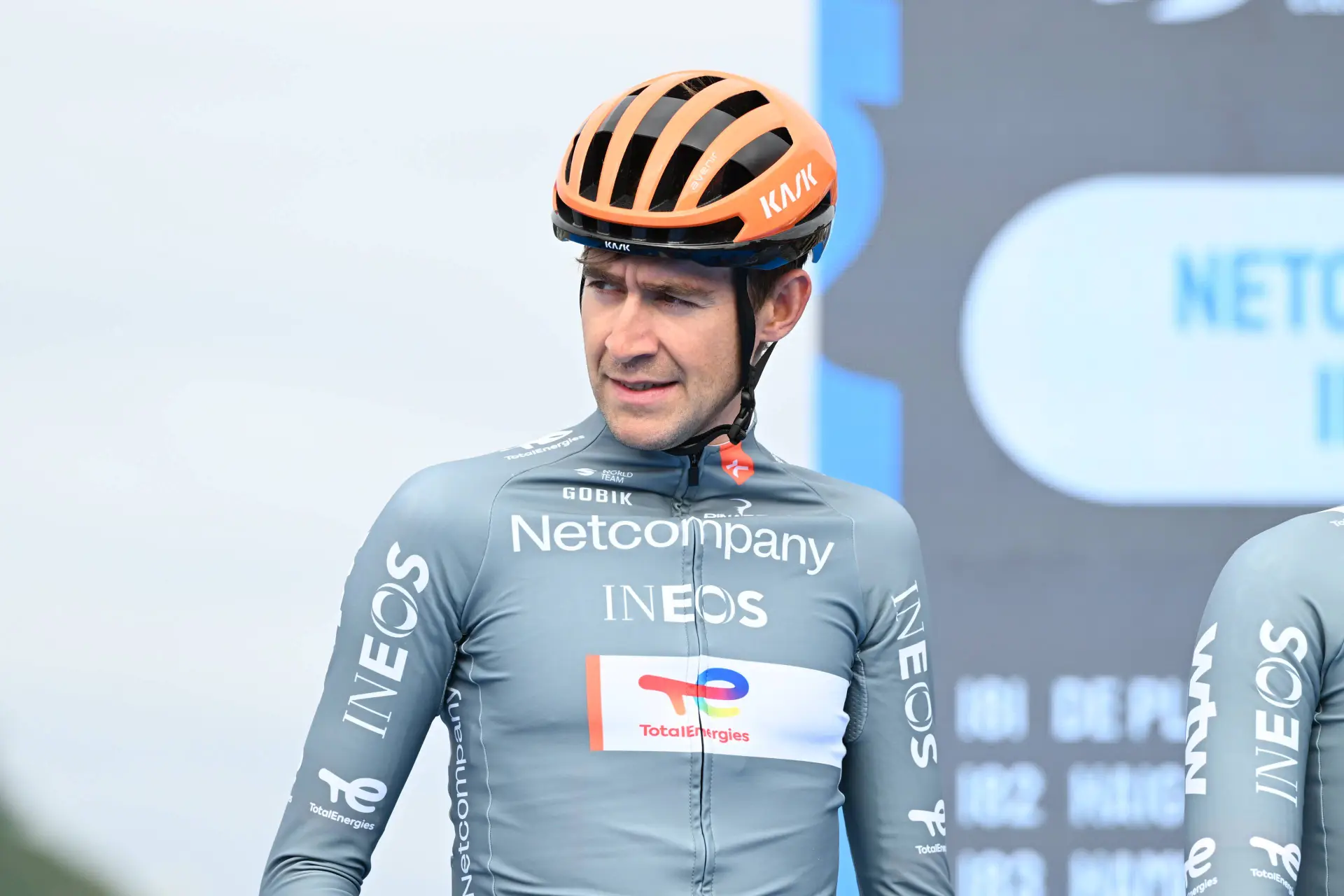
John Degenkolb has publicly defended Team Picnic PostNL following reports alleging a “culture of fear” within the Dutch organisation. The veteran German rider, who has spent ten seasons with the team over the course of his career, says he has never experienced anything similar. He also questioned why the journalistic investigation included no testimony offering a positive view of the organisation.
His comments prompted a direct response from Thijs Zonneveld, one of the journalists involved in the investigation.
The report, produced by Dutch broadcaster NOS and cycling podcast In de Waaier, was published last week and included allegations about the working environment at Picnic PostNL. The investigation was based on confidential conversations with 71 current and former riders and staff members, who described psychological pressure, fear and difficulties challenging management decisions.
Degenkolb, however, says his personal experience does not match that portrayal. The 37-year-old won Milan-San Remo and Paris-Roubaix during his first spell with the organisation, then returned in 2022 after six seasons with other teams. On Monday, he shared his perspective on Instagram, questioning whether the findings offered a sufficiently broad view of the organisation.

Team Picnic PostNL
Degenkolb says positive experiences should also be heard
The rider explained that he had waited until the end of a week’s holiday before commenting on the controversy. He made clear that he did not intend to downplay the negative experiences reported by other team members. However, he believes a fair assessment should also include testimony from people who have had a positive relationship with the organisation.
“After a week’s holiday, I think it is important to share my personal perspective on the NOS investigation,” Degenkolb wrote. “In the ten years I have spent with Team Picnic PostNL—out of my 16 years as a professional—I have never experienced a ‘culture of fear’, either before or after I voluntarily returned to the team in 2022.”
The German stressed that critical voices must be heard, but said the findings should take all relevant perspectives into account. His argument reflects the scale of the organisation, which has around 160 employees and nearly 60 riders each season.
“Critical voices must be heard and taken seriously. However, a fair and balanced assessment requires all relevant perspectives to be considered,” he added.
He then questioned whether the number of negative accounts could represent an organisation with an 18-year history. “Our team has around 160 employees, including nearly 60 riders each season. Over 18 years, it is possible to find 71 people who have had negative experiences—but were they exclusively negative?”
His main criticism of the report’s authors came in a question about why they had not included voices with a different perspective. “Why were voices like mine—and those of many others—left out of the investigation?”
Thijs Zonneveld responds and defends source confidentiality
Degenkolb’s comments drew a direct response from Thijs Zonneveld on Instagram. The journalist explained that he could not reveal the identities of those interviewed, as protecting source confidentiality was an essential condition of his work. He also said the number of testimonies gathered would rise if conversations held since publication were included.
“We can’t tell you exactly who we spoke to, because we will always protect our sources,” Zonneveld wrote. “But I can tell you that we spoke to 71 riders, former riders, staff members and former employees. And if we also count the (former) employees we have spoken to since publication, the number would be even higher.”
The journalist also acknowledged that the German’s experience deserved to be heard, while arguing that it differed from the experiences of others connected to the organisation. Zonneveld said he was willing to hear more about Degenkolb’s account, but stood by the findings drawn from the interviews conducted for the report.
“I respect your point of view and would be happy to hear more details—I’ll send you my number by direct message—but many people had a different experience from yours,” he added.
The exchange highlights the contrast between riders’ personal experiences and the accounts gathered in the investigation. While Degenkolb questions whether the published portrayal is representative, Zonneveld maintains that the allegations come from numerous people and that confidentiality prevents their identities from being disclosed.
Read also

Warren Barguil also defends Picnic PostNL
Degenkolb is not the only rider to have publicly backed Picnic PostNL since the allegations were published. Warren Barguil, who also left the Dutch team before returning in 2024, expressed a similar view over the weekend and recalled the support he received from the team at various points in his career.
The Frenchman pointed to his relationship with the management before the 2017 Tour de France. He said the team continued to support him despite knowing he would leave at the end of that season. For Barguil, that experience was one reason he chose to return years later.
“If the management had been toxic, I would never have come back,” said the rider, who also defended the demands of professional cycling and the standards expected of members of a top-level team.
“This isn’t a holiday at Club Med,” Barguil said, arguing that the team’s standards had helped him develop both as a rider and as a person. He also voiced concern about the impact the allegations could have on the organisation at a delicate time, as it works to secure sponsors and safeguard its WorldTour future.
Picnic PostNL commissions independent investigation
Degenkolb and Barguil’s comments offer positive accounts of Picnic PostNL, but they do not, in themselves, invalidate the negative experiences described by other riders and staff. The controversy centres on the coexistence of differing experiences within the same organisation and the seriousness of the allegations reported by NOS and In de Waaier.
The Dutch team has acknowledged the importance of the complaints, while saying it does not recognise itself in the overall picture presented by the journalistic investigation. In response, it has commissioned an independent investigation into its workplace culture, with the findings expected to help clarify the issues raised.
As those conclusions are awaited, the debate remains open. Degenkolb argues that those with positive experiences should also be heard, while Zonneveld defends the value of confidential accounts and notes that many people described a reality different from the German rider’s. Both perspectives form part of a controversy that is still awaiting a broader assessment.
Jorge BorregueroWriter
Jorge Borreguero is a journalist with a degree from the Complutense University of Madrid and has been a writer for Cyclinguptodate and Ciclismoaldia since early 2023. In this role, he has played a key part in the evolution of the website, particularly as a specialist covering Movistar Team. He regularly writes race reports, analytical pieces, and in-depth features about the team, and has conducted exclusive interviews and attended multiple team presentations, providing readers with firsthand insights into one of the leading professional cycling squads.
Throughout his career, Jorge has maintained a strong focus on sports journalism, gaining experience across a variety of disciplines, including basketball and football. However, his current work is almost entirely dedicated to cycling, contributing extensively to Ciclismoaldia and its sister website Cyclinguptodate. For these platforms, he combines thorough research with detailed reporting to deliver high-quality content, ranging from race previews and results to expert analysis of teams and riders.
Jorge’s reporting is marked by accuracy, depth, and a commitment to providing readers with reliable and authoritative information. His direct engagement with teams, athletes, and events ensures that his coverage reflects firsthand knowledge and professional insight. Through his work, he has established himself as a trusted voice in professional cycling journalism, bridging the gap between the sport and its global audience while maintaining rigorous editorial standards.
claps 1visitors 1
Just in

Popular news
Latest comments
- Rasmussen hasn't been relevant for years and that's only because he was booted out of the tour wearing the yellow due to failed doping !frieders321-10-2026
- Yep Pogi can't win the Vuelta if he doesn't cross the finish line in stage 21! PogiFanStalker can't seem to understand that.frieders321-10-2026
- This PogiFanStalker can't seem to help himself with his constant nonsensical comments here.frieders321-10-2026
- Only thing boring here is reading your constant drooling comments about him!frieders321-10-2026
- So much clickbait hereDAS21-10-2026
- Yes, this site has truly become a joke... and about 3/4 of the commentators. For most of them UAE are dopers and Pogi is boring??? They're brainwashed and want Pogi out of cycling.... because he's boring. Yes, in their f***ed up brains, Pogi is the G.O.A.T. ... but he's boring???????PogiSloFans20-10-2026
- As long as the anti doping agencies are on the up and up and doing all they can I can live with the world we now live in without suspicion lurking in the back of my mind all the time.
 Brucegel20-10-2026
- The message to honour the leaving Felix Gall's performances was more enthusiastic
 Rafionain-Glas20-10-2026
- "We all know he would have won by a big margin if he didn't crash out." But he did crash out, so why does it matter?Rafionain-Glas20-10-2026
- UAE and pogacar are the greatest ever but this Ruben silva whos basically a kid who never even raced, essentially a blogger projecting his wrapped and biased opiinion, this here isnt even journalism its just blogger which 14 year old girls does and after reading his constant takes pre TDF and everyone was wrong this makes it worse, dude still thinks visma rode a good tour de france and is a top 3 strong team stillin the world just lol even tho riders and coaches flee mid contract and their broke...and he gonne lecture the greatest ever team and rider in cycling history what they should do?hes not even qualified journalism his works, just a blogger projection his biased opinion which 14 year old girls can do too Do better cyclinguptodate this is getting really embarassingmiguel20-10-2026
Loading
Write a comment