“I can't explain what I see on the road” - Doping shadows cycling once more as German documentary reopens old wounds
Cycling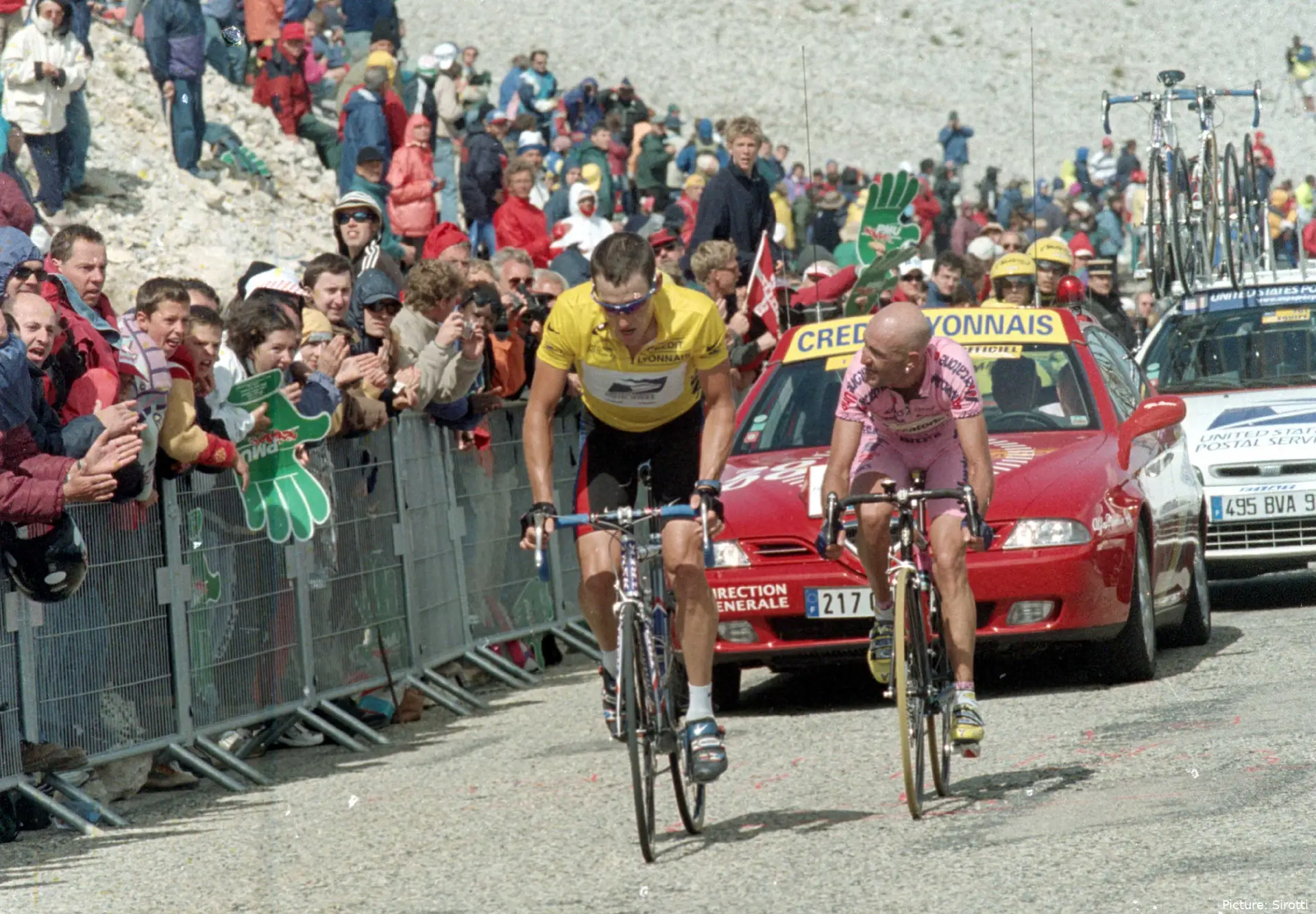
More than a decade after the Lance Armstrong scandal
threatened to destroy the credibility of professional cycling, the sport finds
itself once again under scrutiny. A new documentary by German broadcaster ARD, Geheimsache
Doping: Im Windschatten (Secret Case Doping: In the Slipstream), suggests that
while the methods may have evolved, the culture of cheating has not entirely
disappeared.
One could argue the sport has never truly emerged from the
dark cloud of doping, always troubled by rumours of cheating. The question is,
are they to be believed? And if these rumours are to be believed, can cycling
endure another doping scandal?
The film presents testimonies from several whistleblowers
inside the sport, including former professionals, who risked their safety to
speak out. “Many people are afraid to talk,” says one ex-pro. “I know someone
who wanted to testify, but he received death threats when the masterminds
behind doping found out he wanted to talk.”
It’s a chilling reminder of how deep the roots of doping
still run, despite claims of a cleaner peloton in the post-Armstrong era.
Armstrong’s case, built on EPO, blood transfusions, and systematic deceit,
shook the sport to its core, before he was ousted by the likes of Tyler Hamilton. But in exposing the scale of the fraud, it also
reinforced just how advanced and coordinated doping operations had become.
Cycling introduced the biological passport and increased out of competition
testing, but the new revelations suggest those measures might still fall short.
According to the documentary, EPO remains in use, not in the
same large doses seen in the 1990s and 2000s, but through microdosing, a method
designed to fly under the radar of modern testing. More concerning still is the
apparent widespread use of Aicar, a drug that is both hard to detect and
immensely beneficial in endurance sports.

“People who are active in professional cycling say that
Aicar was and is the drug of choice in the peloton,” says a whistleblower.
Aicar enhances blood flow and can alter muscle fibres,
giving an unnatural edge in long, gruelling races, making it perfect for
cycling. Its growing use reflects the constant game of cat-and-mouse between
dopers and anti-doping authorities. As Oliver Catlin, an American doping
expert, puts it: “If I were an athlete, would I take Aicar, knowing that it is
on the list of banned substances? Or would I take a related product that is not
on the list?”
Even those within the industry admit the Pandora’s box has
not been shut, and perhaps is still very much open. “It opened a door that has
never been closed,” says Evans, referring to the doping culture that once
engulfed the sport.

The documentary doesn’t just highlight the drugs themselves
but questions the physical plausibility of what fans witness on the road.
Pierre Sallet, who has long studied human performance limits, is blunt. “We
know the limits of human performance. We know what a person can and cannot
achieve. There are certainly grey areas, but it becomes black and white at some
point, and then it's doping, 100%.” He adds: “I can't explain what I see on the
road. A normal man is between 1.60 meters and 2.20 meters tall. But the
performances we see are sometimes as if someone is 3 meters tall.”
Not everyone agrees that performance gains are due to
doping. Some argue that technological progress, from bike design to nutrition
and data analytics, accounts for much of the change. “The major developments
are much more important than the advantages of illegal substances in the past,”
says Filippo Galli, product developer at Colnago. “We are talking about
countless innovations: materials, aerodynamics, weight, bike control, grip,
comfort.”


Fin MajorCycling Journalist
Fin Major is a UK-based writer at CyclingUpToDate and has been part of the team since 2024. He is the site’s main writer for FAQs and evergreen explainers and has written around 2,000 pieces for the platform. Alongside this work, he focuses on in-depth analysis and covers the biggest races on the calendar, including the Tour de France, the Giro d’Italia, and La Vuelta a España, providing clear context around performance trends, tactics, and key storylines.
In his reporting, Fin uses reputable data sources such as ProCyclingStats for results, statistics, and historical context. He places strong emphasis on careful sourcing, editorial accuracy, and updating articles promptly when new, verified information becomes available. Outside of writing, Fin is an active cyclist, which supports his practical understanding of the sport and its demands.
claps 13visitors 13
Just in

Popular news
Latest comments
- Good boy Obviously doesn’t need that much help dealing with pressure, as some have suggested. Wiser (and humbler) than many far further along their careers. About offering him the moon, recently someone came up with an explanation of the downfall of a football great (either referring to Maradona or Portuguese Ronaldo) saying it was kind of normal after coming back from the moon, except that others, including some who actually did go to the moon like Armstrong (Neil in case anyone is too switched off to realise) didn’t go through any of the same motions after coming back. A lot of how you deal with situations has less to do with the situation than with your character.Jumpyjohn07-11-2026
- I think that they're not really used to dealing with this type of incident in a cyclocross race, and the situation has been magnified because it was a race for a championship title. It's very unfortunate that the race had to be decided in this way.
 santiagobenites07-11-2026
- Seriously why do they keep doing stupid things like this. Its one thing to relegate when the placings are minor, when the action is blatant. But when it is ambiguous, why dont they at least take advice from some higher up to avoid embarrassing themselves. This is similar to the Halland goal when his teammate was clearly offside and interfered in play and VAR gave them the goal. if you dont have evidence you cannot convict. Even for doping they have these rulesabstractengineer07-11-2026
- So all those who went to watch, including all from abroad, waled there, spent nothing? Most places hosting events of the sort manage to make it worthwhile. If it was so obviously fruitless, don’t you think by now they’d have run out of hosting candidates? Why do you think the Tour can command such high prices for departure and arrival locations? If it didn’t bring anything locally they’d have to pay to get authorisation to use cities.Jumpyjohn07-11-2026
- What a travesty ! That little deviation did nothing to impede Brand !frieders307-11-2026
- I also wanne beat Pogacar in the tour but it aint gonne happen. Jonas unfortunately getting dropped by del toro and seixas several times this TDF and jonas team is very weak and joinas on way down, it aint happening thats clear. its also clear it only happened cause Pogacar was hurt and had a broken wrist that time everytime both full strenght its not close we just have to be honest about it :/miguel07-11-2026
- They do this but literally let cars on courses to run over riders.mij07-11-2026
- Looking at that photo she appears to be several feet from her. I’m not sure how that impeded brands sprint.mij07-11-2026
- Lucky to not get disqualified
 leedorney07-11-2026
- wtf dudemij07-11-2026
Loading
8 Comments