“He officially became a knucklehead” – Chris Horner blasts Mads Pedersen and Lidl-Trek after frantic Tour de France tactics
Cycling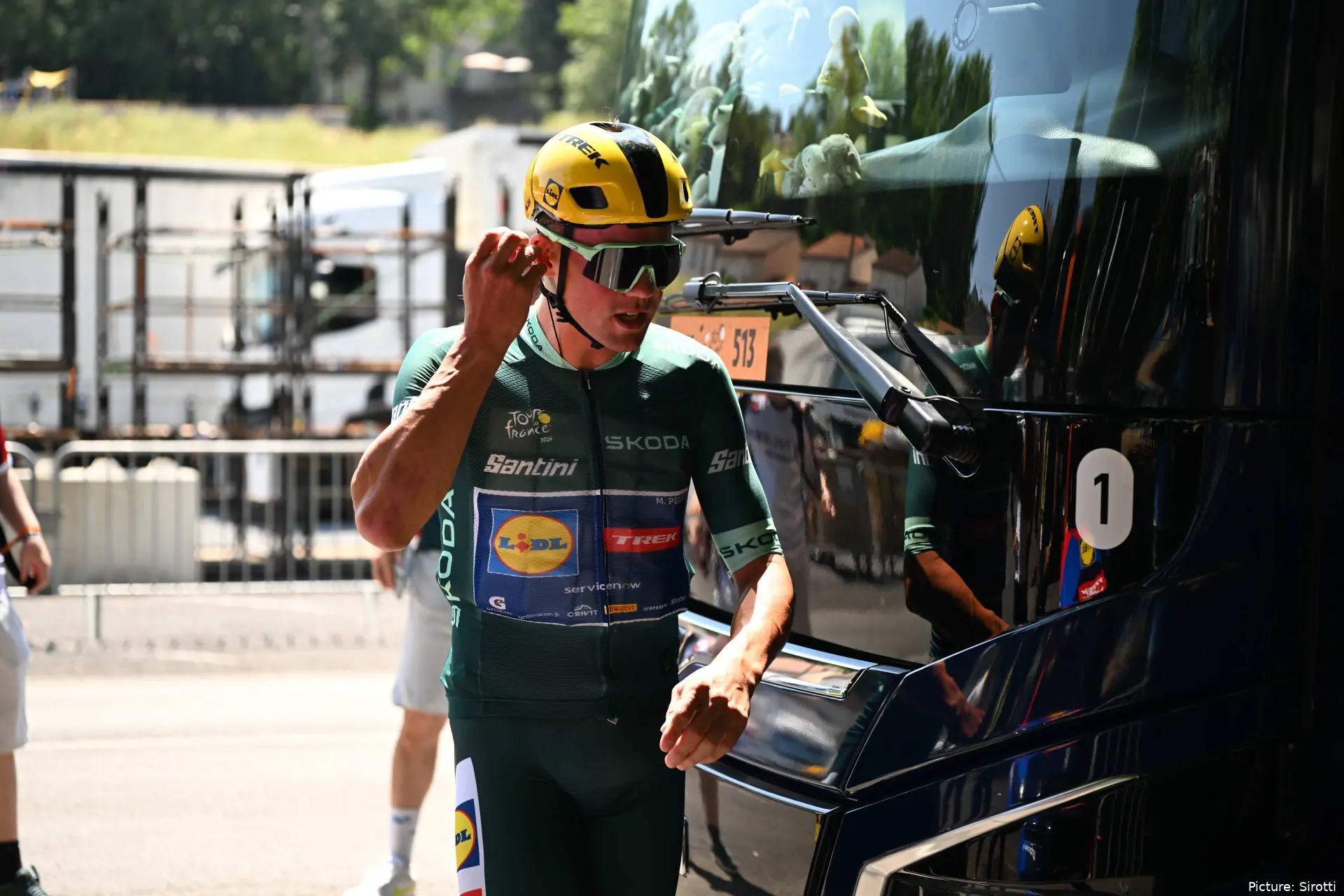
Chris Horner has accused Mads Pedersen and Lidl-Trek of turning a sound green jersey plan into “knucklehead” racing during the frantic finale to stage 12 of the Tour de France.
Pedersen began the day attempting to protect his lead in the points classification from Jasper Philipsen, Biniam Girmay and the other leading sprinters. Lidl-Trek wanted to force a strong break clear late in the stage, remove the large points haul available at the finish and avoid leaving Pedersen dependent on another direct sprint. “That was the dream, but it didn’t work out,” Pedersen admitted after finishing ninth.
Horner agreed with the principle behind the plan. The 2013 Vuelta a Espana winner believed Lidl-Trek could consider the stage a success even without winning, provided a breakaway stayed clear and prevented Pedersen’s rivals from collecting heavily.
“The first objective: get this breakaway away from all of the sprinters back there so Mads Pedersen does not lose green jersey points,” Horner explained during his post-stage analysis on his YouTube channel. “You are not trying to win the stage as the first priority. The second priority is to win the stage.”
His approval faded as Lidl-Trek’s attacks repeatedly stalled and Pedersen began spending his own energy.
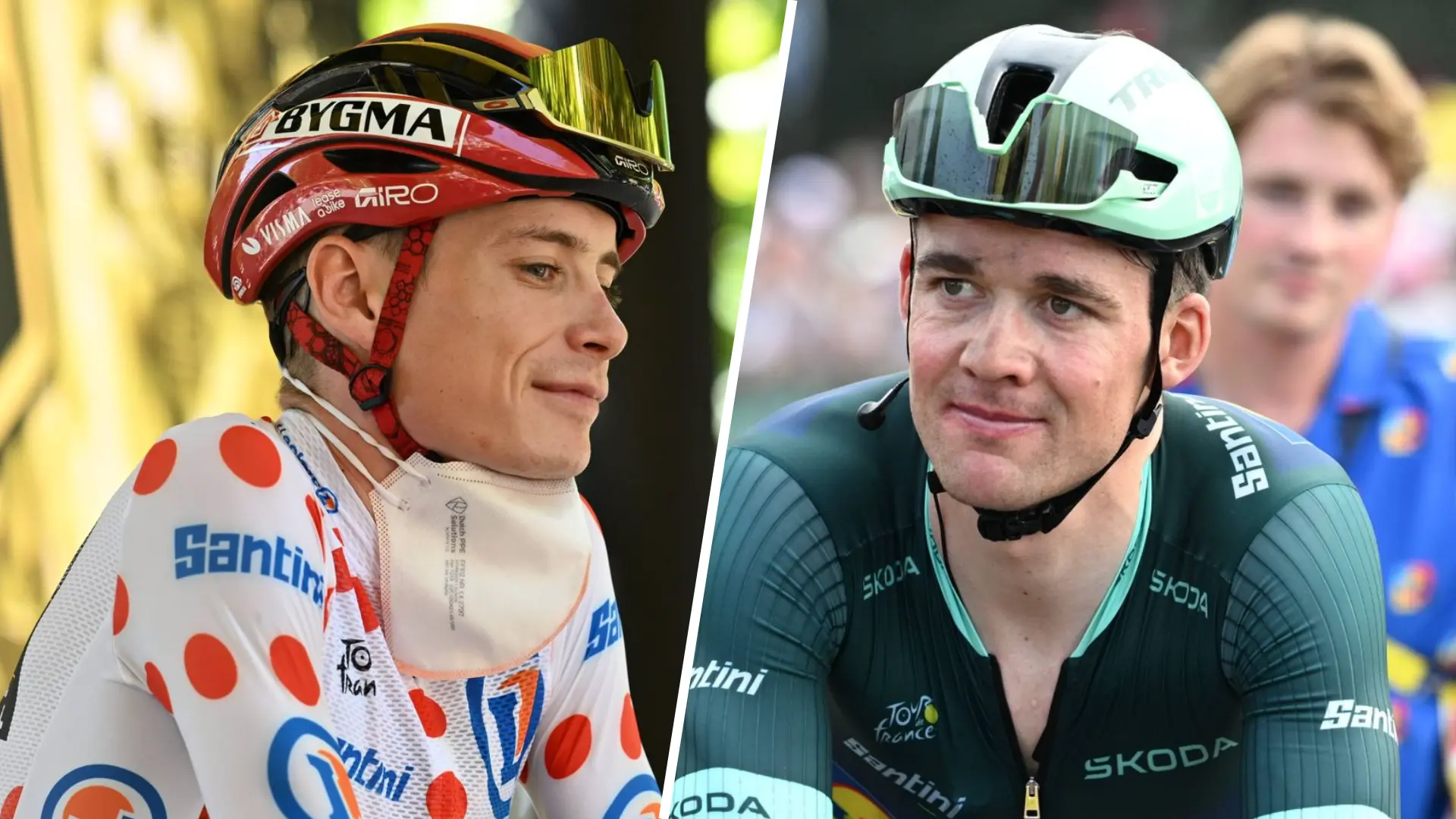
Simmons attacks but repeatedly eases off
Quinn Simmons was among the most aggressive riders as stage 12 reached its rolling final section. The American champion launched several attacks but repeatedly reduced his effort after looking back and finding nobody prepared to work with him. “I love his attacking. I love the strategy from Lidl-Trek,” Horner said. “He’s being a knucklehead by shutting the gas off.”
Each pause allowed the sprinter teams to settle back into their chase rather than being forced to close a sustained move. Horner believed Simmons needed to continue driving regardless of whether the other riders came through. “When you shut the gas off, it allows the peloton with the sprinter teams to stay at a steady pace,” he continued.
Simmons attacked four or five times on the final categorised climb, but none of the moves gained enough distance to survive. During one effort, he spotted his father beside the road with an American flag and reached across to give him a high five.
“It was a little special moment there for the stars and stripes jersey as he’s throwing back down on the pedals,” Horner said. “But he was still a knucklehead for backing off the throttle too many times.”
With Simmons unable to establish the separation Lidl-Trek wanted, Pedersen began launching attacks of his own.

Simmons is one of the most recognisable riders in the peloton
Pedersen joins the attacks before the sprint
Pedersen made his first move with around 16 kilometres remaining. Horner accepted the initial attempt, given the Dane’s strength in Classics-style finales and the possibility that a small group could still escape through the technical roads. “One attack for Mads Pedersen, okay, I’ll live with it,” he said. “He’s a Classics-type specialist. We’re 16 kilometres out.”
Pedersen attacked again at around 14 kilometres to go and then made a third effort with approximately 12 kilometres remaining. Horner believed the likelihood of a successful escape had fallen too far by then to justify the energy being spent.
“When Mads Pedersen throws in his third attack, officially you guys are knuckleheads at this moment,” Horner said. “You want to save your legs now because the idea that a break is going to go up the road with 12 kilometres to go is not looking likely.”
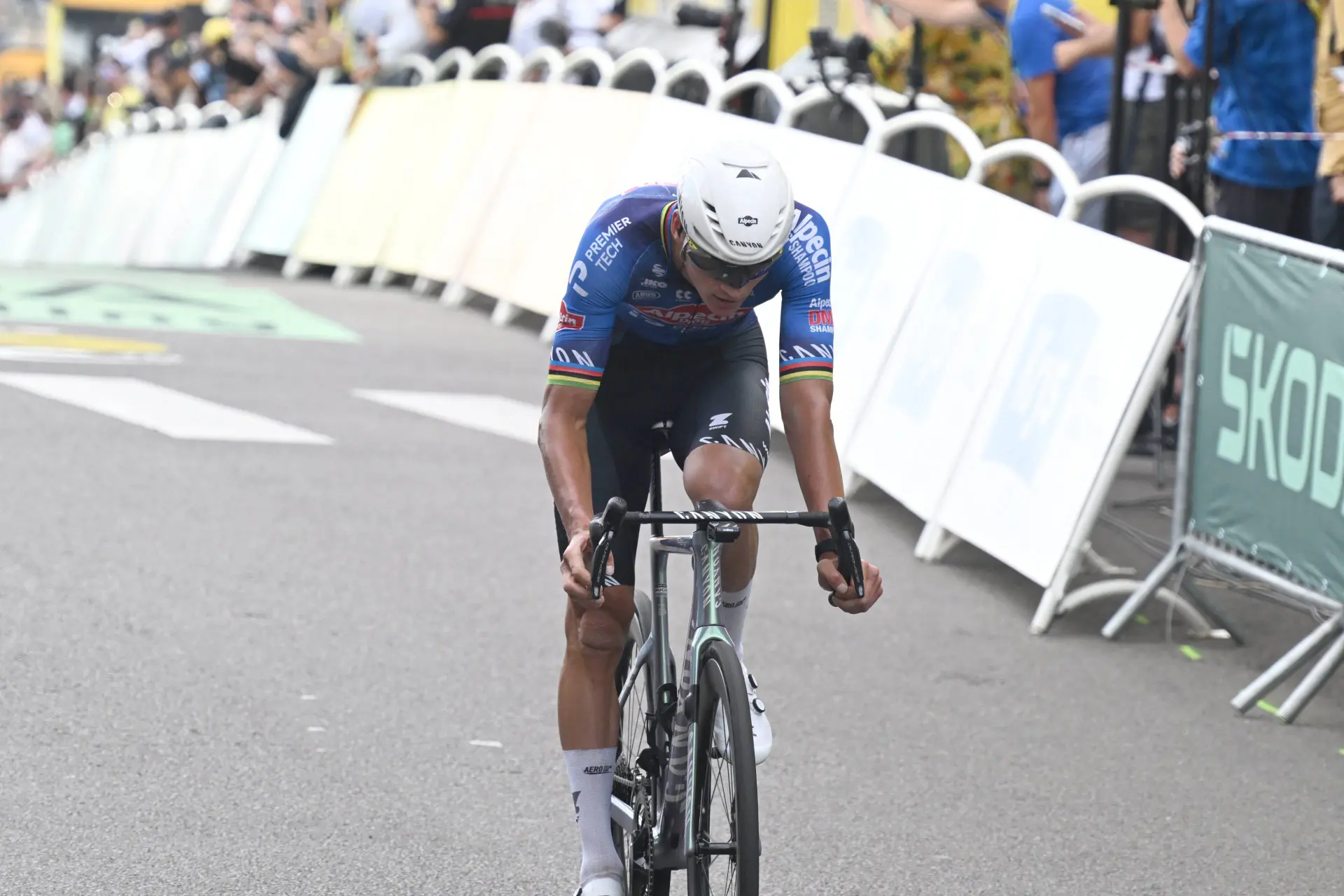
Mattias Skjelmose and another Lidl-Trek rider kept the attacks coming inside the final 11 kilometres, but the team never created the sustained separation Horner believed was required.
For Horner, that was the difference between an ambitious plan and a wasteful one. Lidl-Trek had the numbers and the right objective, but too many interrupted efforts left Pedersen spending energy without ever forcing the sprinter teams into the prolonged chase the strategy required.
Pedersen’s ninth place did little to strengthen his green jersey position, leaving Lidl-Trek with the exact sprint they had spent the finale trying to avoid.

Kieran WoodDeputy Editor-in-Chief
Kieran Wood is a sports journalist based in Wales and has been active in journalism since 2022. He regularly contributes to DartsNews.com and CyclingUpToDate.com, where he covers professional cycling and darts. In cycling, his work includes liveblogs from major races, including the Tour de France, the Giro d’Italia, and La Vuelta a España, alongside race reports and analysis. He has also conducted interviews with professional riders.
His reporting spans the full racing calendar, from one-day classics to stage races, with a focus on accurate, real-time coverage and clear contextual analysis. For statistics, results, and historical context, he regularly uses resources such as ProCyclingStats. To support reporting on rider activity and training context where relevant, he also references Strava.
In his work, Kieran places strong emphasis on careful sourcing, editorial accuracy, and updating articles as new, verified information becomes available.
claps 0visitors 0
Just in
Popular news
Latest comments
- UAE was really badly positioned at the last climb, and Ineos did a great job of making that happen at the bottom. That must have affected del Toro and the rest. His attack wasn't spectacular, and they hadn't ripped apart the bunch enough, letting a large group remain in back to reel him in. UAW lost the race on the road to the climb and the bottom third of it, I think.RidesHills08-10-2026
- He won in exactly the same way as others. By being the fastest to complete the stages.mobk08-10-2026
- Very surprised del toro couldn't beat everyone here against lesser competition. He's well on his way to being top 5 in the worldbruins3008-10-2026
- Being the best rider left in the race is pretty much the only way to win in any edition, surely? Seems reductive to say "they only won because the entire peloton wasn't as absolutely stacked as it could've been" - you can only beat who is in front of you.wrsty08-10-2026
- I’m sorry but generally the coverage on your site is first class but this incident highlights something I just don’t get with cycling journalism. This accident should never have been allowed to happen, it comes uncomfortably close to the Finlay Tarling tragedy and two other incidents took place within days of this. I checked all of the cycling websites and you all put out basically the same story. Pidcock gave journalists the perfect opening to blow this sky high, what has the UCI got to say? What is Adam Hansen doing? What do the organisers say? Nothing, you all trot out the same easy quotes taken from Pidcocks interview after the race but do nothing to follow it up. I see it time and time again, journalists taking the easy way out but being outraged when it happens again as it surely will. Riders can’t do this but journalists should be independent and should be able to raise these uncomfortable questions but cyclinguptodate and every other on line publication prefer to take the easy way out. That’s the real tragedy here.Paul53108-10-2026
- Happy to help :-)Mistermaumau08-10-2026
- Well, ok but, it’s also a structural, team, budgeting, direction and all sorts of other issueMistermaumau08-10-2026
- I wouldn’t call it an analogy but maybe his criticism is a little unfair. On the other hand, the fact Cicco made a public affair out of it despite having received all the explanations and proof makes me feel he now deserves being criticised for not accepting there is nothing to discuss.Mistermaumau08-10-2026
- Much as I like him (one of my favourites), I do want to attract a little attention to the coincidence of his recent performances in the current context. Not the first time a rider improves noticeably when there’s a job interview to prepare. In the same lighthearted humour of his, i hope the UCI will let him wear it at home as the rules quite strictly state you can only wear it during participation in the discipline you won in, and we all know how capable they are of interpreting rule interpretation ;-) Also, if it’s going to be retirement (please not), I wouldn’t call that an agreement as somebody will probably feel they didn’t get what they wanted.Mistermaumau08-10-2026
- Agreed. There used to be a team willing to pay though. I take all these figures (that vary enormously according to who is publishing) with handfuls of salt. We don’t know how salaries are treated (especially between a UK employer and Andorran resident), we don’t know how numbers are derived and from where, if deductions have been taken into consideration, etc. but if he returns to Colombia, he’s going to need quite a bit in protection money.Mistermaumau08-10-2026
Loading
1 Comments