“Do not ride to bring him back immediately” - Tadej Pogacar’s former mentor reveals counter-intuitive Remco Evenepoel plan to beat Tour de France favourite
Cycling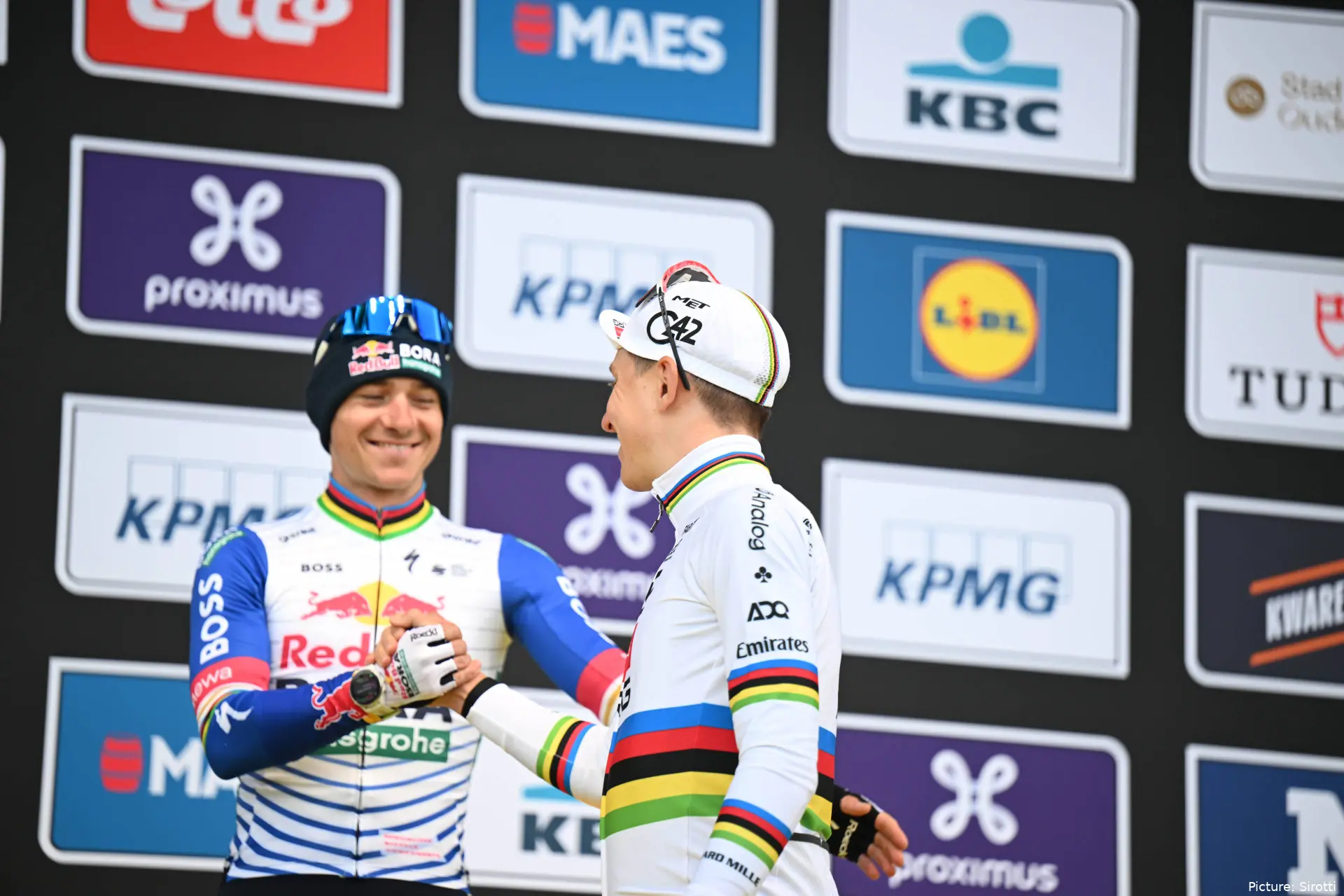
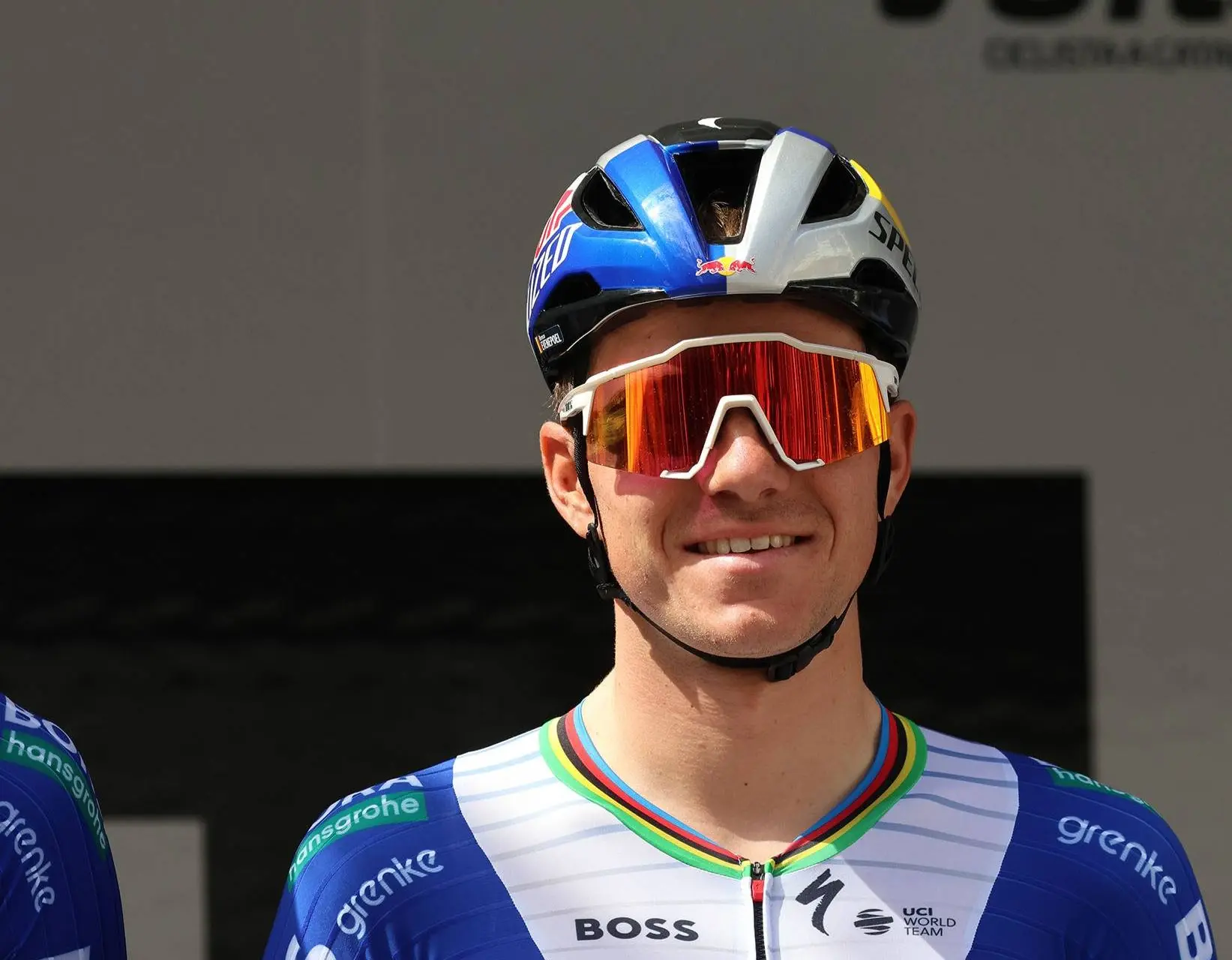
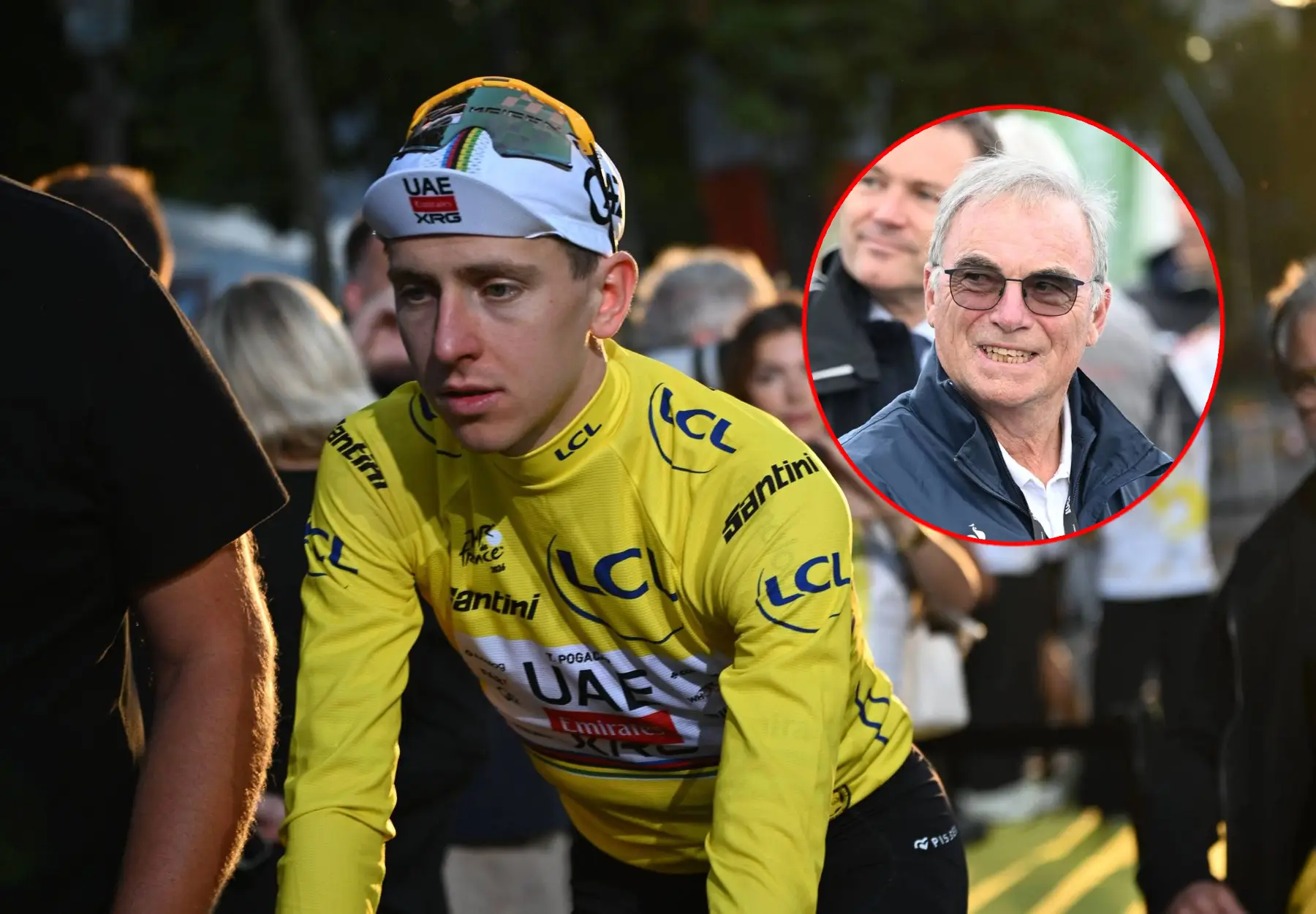
Allan Peiper helped guide Tadej Pogacar to his first Tour de France victory. Now, from inside the Red Bull - BORA - hansgrohe set-up, he has outlined the kind of patience Remco Evenepoel may need if he is to stop the Slovenian doing the same thing again.
Peiper was one of the key figures behind Pogacar’s 2020 Tour triumph at UAE Team Emirates, before later moving into an advisory role at Red Bull. That gives his view a rare double edge: he has seen Pogacar’s method from the inside, and he is now around the team trying to build Evenepoel into a Tour-winning threat.
Speaking on the De Koffiestop podcast, Peiper described the pattern that has made Pogacar so hard to bring back once he has gone clear.
“That is very difficult, because his system of riding everyone off the wheel, widening the gap and then staying a minute ahead is something he has perfected,” Peiper said. “They get a little bit closer, then he rides a little harder again. He drinks and eats well. Nobody can close it down.”
Peiper warns against chasing Pogacar on instinct
Pogacar’s long-range attacks often create panic behind. Peiper’s answer is different: do not burn everything trying to erase the gap immediately. “It is better, as Remco, not to blow things up,” Peiper explained. “You gather your troops, but you do not ride to bring him back immediately. You let him ride at a minute and keep the tempo tight. Tighter than he wants.”
Peiper’s point is built around control rather than reaction. Pogacar is at his most dangerous when rivals chase on impulse, break their own structure and leave him to settle into a rhythm out front. Holding him close, without emptying the whole chase too soon, is the route Peiper sees as more realistic.
“Then you need a strong team, but the Belgians have that,” he added. “If he goes from 100 kilometres out, then you have more chance than from 40 kilometres.”
That part of Peiper’s answer looks most directly towards the World Championships in Canada, where Evenepoel can call on Belgian strength around him. At the Tour, the equivalent question will fall on Red Bull, and whether they can keep enough riders around Evenepoel when Pogacar begins to stretch the race.

Evenepoel finished on the podium alongside Pogacar at Liege-Bastogne-Liege 2026
Pauwels points to Evenepoel’s aerodynamic weapon
Belgian national coach Serge Pauwels also sees the problem facing Pogacar’s rivals. Once the Slovenian has made the gap, the numbers behind him can remain stubbornly stable.
“At Red Bull they can see that it stays constant once the gap has been made,” Pauwels said. “Do you train very intensively to try to follow him, or do you do something different? Pogacar can ride a very hard five minutes, while he also has not yet suffered at the moment he attacks. That just makes it very difficult.”
Pauwels pointed to Pogacar’s victory at the World Championships in Zurich, where the Slovenian launched from long range and still survived to the finish despite fading late. “In Zurich there was a chance to beat him, because he basically fell into the trap there of going from 100 kilometres out,” said Pauwels. “On the final lap he stalled, but he still made it."
“In Rwanda he did something similar. But the instinct is to try to follow him," he added. "Suppose Remco can follow him on one climb, then that is obviously also just a good situation for us. He may then be able to make sure Pogacar uses more energy than the other way around, because Remco can use his aerodynamics.”
Evenepoel’s best route may depend on the exact situation: follow Pogacar when he can, use his aerodynamic strength when the road allows it, and avoid turning every Pogacar attack into an immediate all-or-nothing chase.
Peiper knows how Pogacar built his Tour-winning method. His warning to Evenepoel and Red Bull is that beating it may require resisting the first instinct to chase.

Kieran WoodDeputy Editor-in-Chief
Kieran Wood is a sports journalist based in Wales and has been active in journalism since 2022. He regularly contributes to DartsNews.com and CyclingUpToDate.com, where he covers professional cycling and darts. In cycling, his work includes liveblogs from major races, including the Tour de France, the Giro d’Italia, and La Vuelta a España, alongside race reports and analysis. He has also conducted interviews with professional riders.
His reporting spans the full racing calendar, from one-day classics to stage races, with a focus on accurate, real-time coverage and clear contextual analysis. For statistics, results, and historical context, he regularly uses resources such as ProCyclingStats. To support reporting on rider activity and training context where relevant, he also references Strava.
In his work, Kieran places strong emphasis on careful sourcing, editorial accuracy, and updating articles as new, verified information becomes available.
claps 5visitors 5
Just in
Popular news

Latest comments
- although he'll never be able to beat a healthy pogi in a grand tour, this year's tdf has demonstrated that in his absence he can probably win any grand tour...Ketterechts07-10-2026
- Nothing has changed, even after all these deaths. The UCI has blood on its hands.Pogboom07-10-2026
- I'm a retired pro photographer. We have been having a debate on this issue on a photography forum. Is the image we see that the ECF has issued accurate? In truth it is debatable. Why? What they are describing is basically high speed photography using a camera that shoots at 13000 frames per second. That is thirteen thousand single images every second. They are than using a process that most keen photographers know as "stacking." Each image taken within the set time period that the camera is set to shoot is then laid one on top of the other to get a single high resolution image. Does it tell the truth about the winning bikes position? Therein is the debate! My opinion is that unless you see the actual line on the road and its position relative to the actual finish line on the road and not a manufactured digital line purporting to be the finish line, there will always be questions on the accuracy of the image that the ECF has produced.Prorodsandstuff07-10-2026
- Take the thrown? Really?Trooph07-10-2026
- Maybe consider that it helps him work himself up into pushing his energy? A lot of people never start or do anything without some catalyst based on or created through negative feelings. Saying all continents is no longer acceptable without qualification, it must now be starred ;-) The amateur world of pioneers and seekers of thrills and fame has long since declared you have not been or won on all continents until you’ve included Antartica, to the great and sad loss of that place’s merit of having stayed more or less undiscovered by useless visitors.Jumpyjohn07-10-2026
- Now Hills33, don't you turn your back on me... you hear? They're all against me, because together they think, they have more power, but it ain't working for them. They keep losing out.PogiSloFans07-10-2026
- McEnremcoe?Jumpyjohn07-10-2026
- You make a statement like that and provide zero evidence or argument to back it up?Jumpyjohn07-10-2026
- For good measure, I would add a case of nuts tooJumpyjohn07-10-2026
- I don’t think anybody here is confused about who the real Mous are, they’re unmistakable so don’t worry too much about that.Jumpyjohn07-10-2026
Loading
3 Comments