“The investments have become too large to be satisfied with the current calendar": Fenix boss warns women's cycling must evolve despite booming Tour audiences
Cycling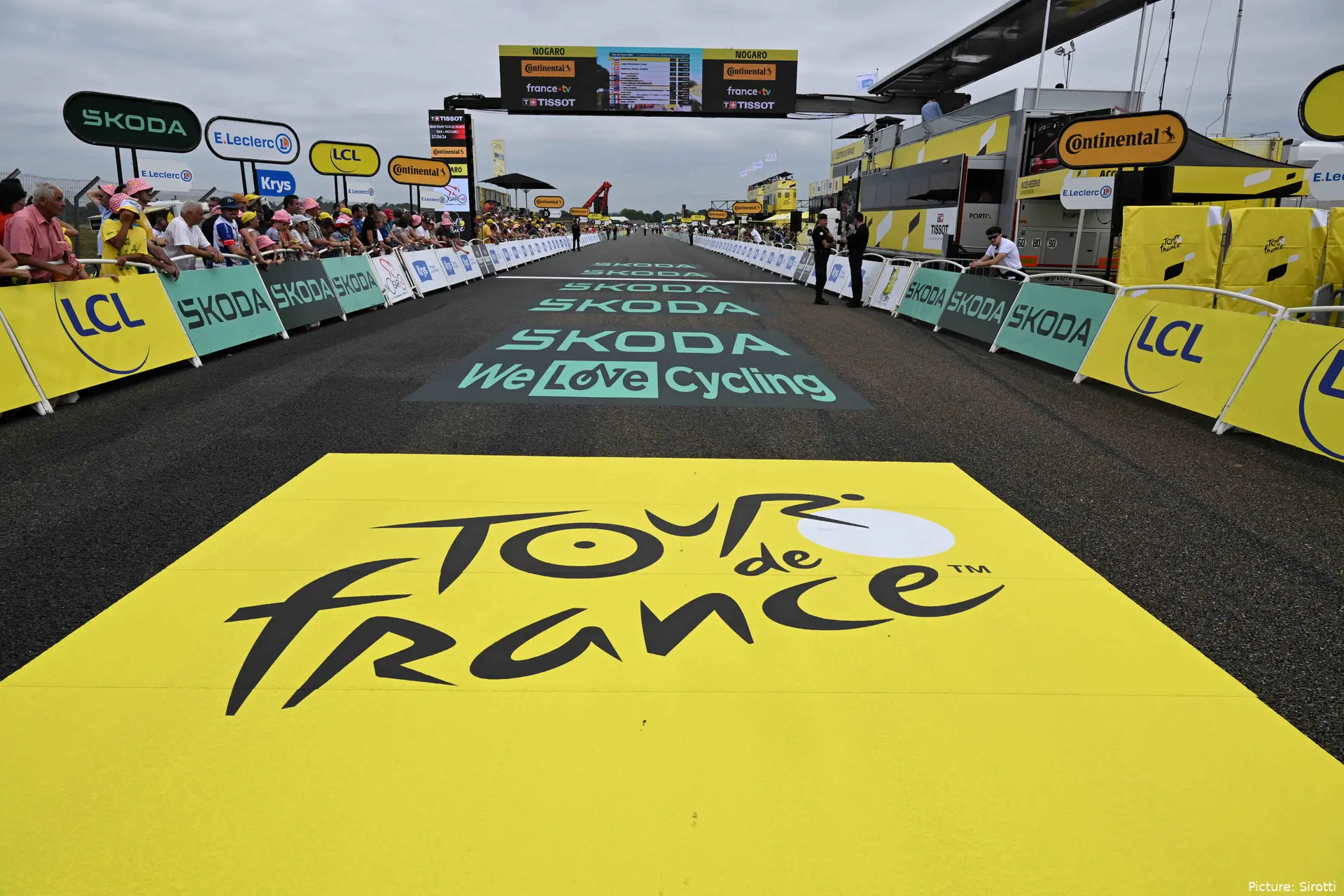
The Tour de France Femmes continues to break television audience records, but behind the sport's rapid growth, concerns about its financial sustainability are mounting. Fenix-Premier Tech team manager Philip Roodhooft believes women's cycling has never been more popular, yet warns that rising costs, inflated salaries and a limited racing calendar are creating serious economic challenges.
Tour audiences continue to surge
The opening weekend of the 2026 Tour de France Femmes underlined just how far women's cycling has come. Stage 1 attracted 2.17 million viewers in France, while stage 2 increased that figure to 2.51 million, with both broadcasts drawing around 80 percent of the audience achieved by comparable stages of the men's Tour.
For Roodhooft, those numbers reflect the remarkable progress made over the past five years. “There are certainly a few stages where you cannot see the difference between the men's and women's races at the start and finish. It says a lot about how much the women's race has evolved over the course of five years,” he told Nieuwsblad.
He believes the presence of French star Pauline Ferrand-Prévot has further accelerated that growth. “Last year, in particular, was extreme because a French contender for the win also emerged. Since then, the atmosphere and enthusiasm have been comparable to what we have with the men.”
Read also
Despite the increase in popularity, Roodhooft stressed that the economic picture is far less encouraging. He explained that the women's peloton is becoming increasingly divided between teams with major financial backing and those operating on very modest budgets.
"On the one hand, you see a number of teams that are becoming too small, teams that still arrive at the start in a camper van. On the other hand, you see a number of teams that are investing heavily. Whereas they used to think they needed a women's team to be politically correct, you now see that they really want to perform. These are the same teams as with the men: Lidl-Trek, UAE..."
"Teams that are struggling to play a significant role in men's racing are going to extreme lengths to be dominant among the women, like Movistar. Finally, you have the typical women's teams – FdJ, Canyon-Sram, SD Worx – that have large budgets at their disposal. In that respect, the gap is even wider than with the men."

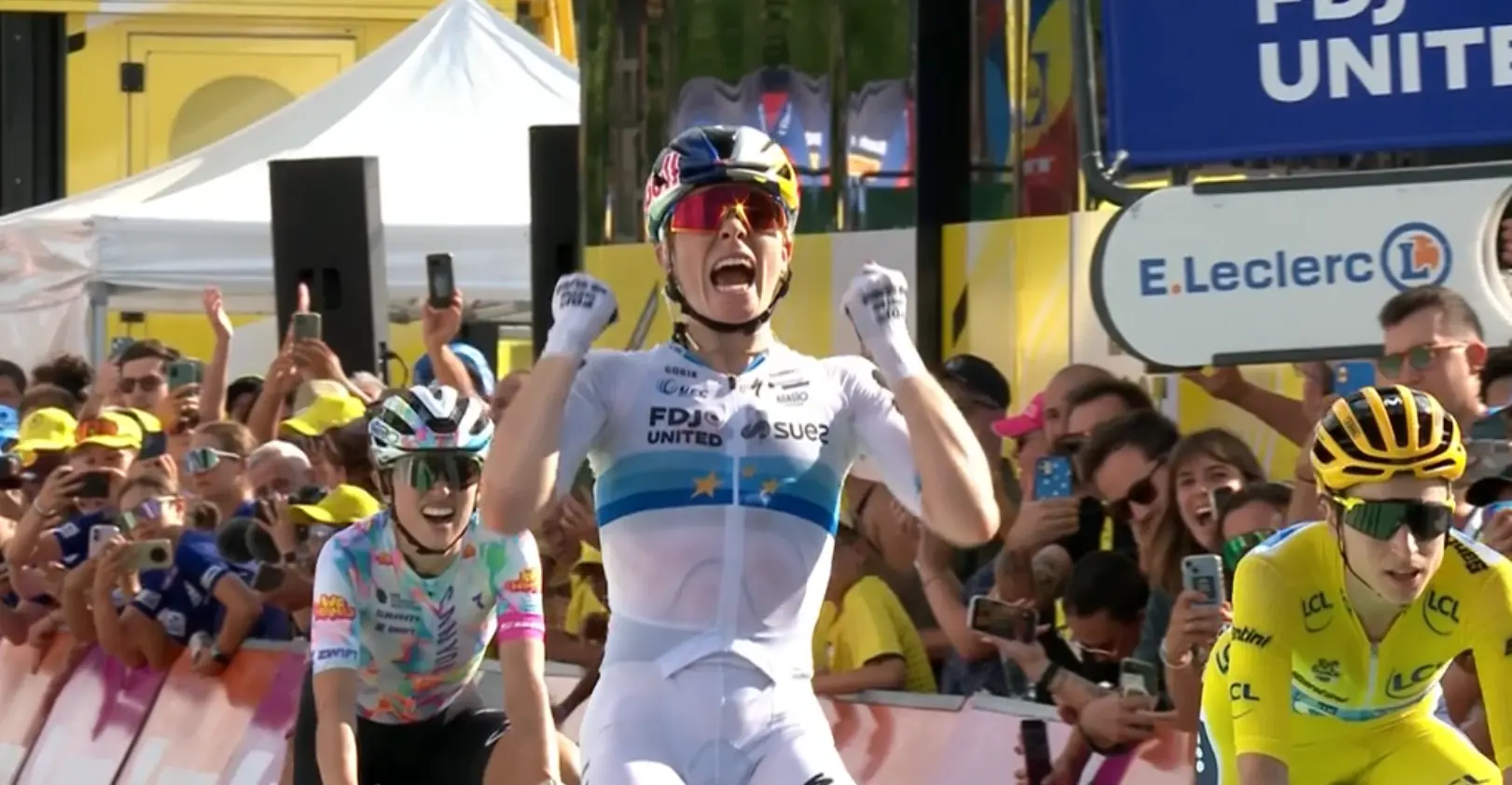
Demi Vollering won stage 5 of the 2026 TDFF
Sponsors increasingly want women's teams
Roodhooft also believes the commercial landscape has changed dramatically. Using his own team as an example, he explained that sponsor Fenix embraced the opportunity to become title sponsor of the women's squad.
“They were very happy when they could become the primary sponsor for the women. Because they saw the potential. AG Insurance also sponsors only women. But above all, you see that every men's team nowadays also needs to have a women's team, because otherwise they no longer manage to bring the right financial partners on board.”
While investment continues to increase, Roodhooft believes the current race calendar is no longer sufficient to justify those costs. “The investments have become too large to be satisfied with the current calendar."
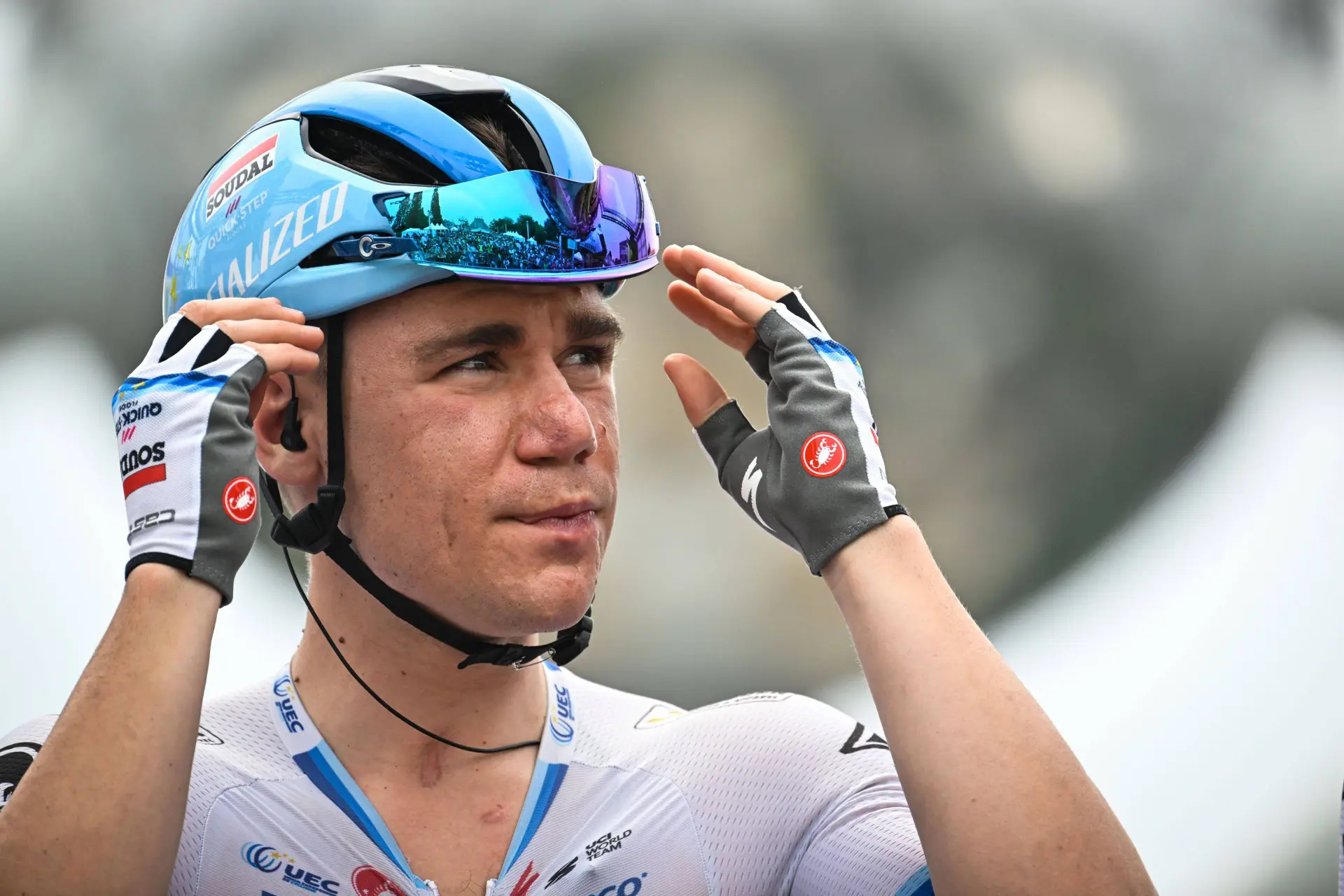
He also warned that the rapid rise in salaries is outpacing the available talent pool. "Salaries are being paid that defy all logic. There is insufficient talent to fill all the spots, meaning good riders are being overpaid. Therefore, something must be done in return. However, there are still too many races that generate too little media attention to justify the investments in women's cycling.
Looking ahead, he outlined what he believes women's cycling still needs to reach its full potential. “More talented female riders, a broader calendar, more competition in the sprint, and we would also like to see even more Belgian talents. The fact that there is nothing to be earned from it should no longer be an argument.”

Félix SernaCycling Journalist
Félix Serna is a writer at CyclingUpToDate and has been part of the team since 2025. He covers professional cycling across both the men’s and women’s calendars, with a focus on UCI rankings, race developments, and rider performance. His work includes interview-based reports, liveblogs, and tournament coverage designed to provide clear, accurate context throughout the season.
In his reporting, Félix regularly uses ProCyclingStats for results, statistics, and historical reference. He places strong emphasis on careful sourcing, editorial accuracy, and updating articles promptly when new, verified information becomes available. He holds a bachelor’s degree in International Studies.
claps 0visitors 0
Just in
Popular news
Latest comments
- At this point, Tadej doesn't just need an aero helmet; he needs a restraining order and a fruit basket sent to Mou’s house just to keep him from declaring war on the entire Visma LAB, or Remco subreddit (or any other subreddit that isn’t dedicated to his truly).anonymouscyclist06-10-2026
- question: photo finish pictures have been released for many races. do they all lack the finish line on the ground or is this only here the case?Ketterechts06-10-2026
- Cool that Remco has done that. it's one record that is likely to stand a long time and won't be taken by pogimobk06-10-2026
- Poor pogi. There is literally nothing more cringe than fanboys like this.mobk06-10-2026
- :)Hills3306-10-2026
- Hey Hills old chap, I read your posts again and yeah, I guess we're on the same wavelength :)PogiSloFans06-10-2026
- Ayrton Senna used to say: second place is just the first loser. If Tadej is in the race, everyone else is a loser. Remco included. ;)MajorPayne06-10-2026
- PogiSloFans, I mean read my first post above, and only then read my reply to Lozza.Hills3306-10-2026
- Hi PogiSloFans, I was actually agreeing with you! Maybe read it again.Hills3306-10-2026
- Hey Hills33, you wrote: "Perhaps a better measure would be the strength of the competition beaten." ... So Lozza is correct in saying: "Pogi 5 TDF...Jonas 2 TDF." In what other GT is the competition even close to TDF? In no other GT, Giro or Vuelta. Ad acta.PogiSloFans06-10-2026
Loading
Write a comment