“The course is simply too hard for African riders” — Biniam Girmay lashes out at Kigali Worlds parcours, admitting he “hesitated to come”
Cycling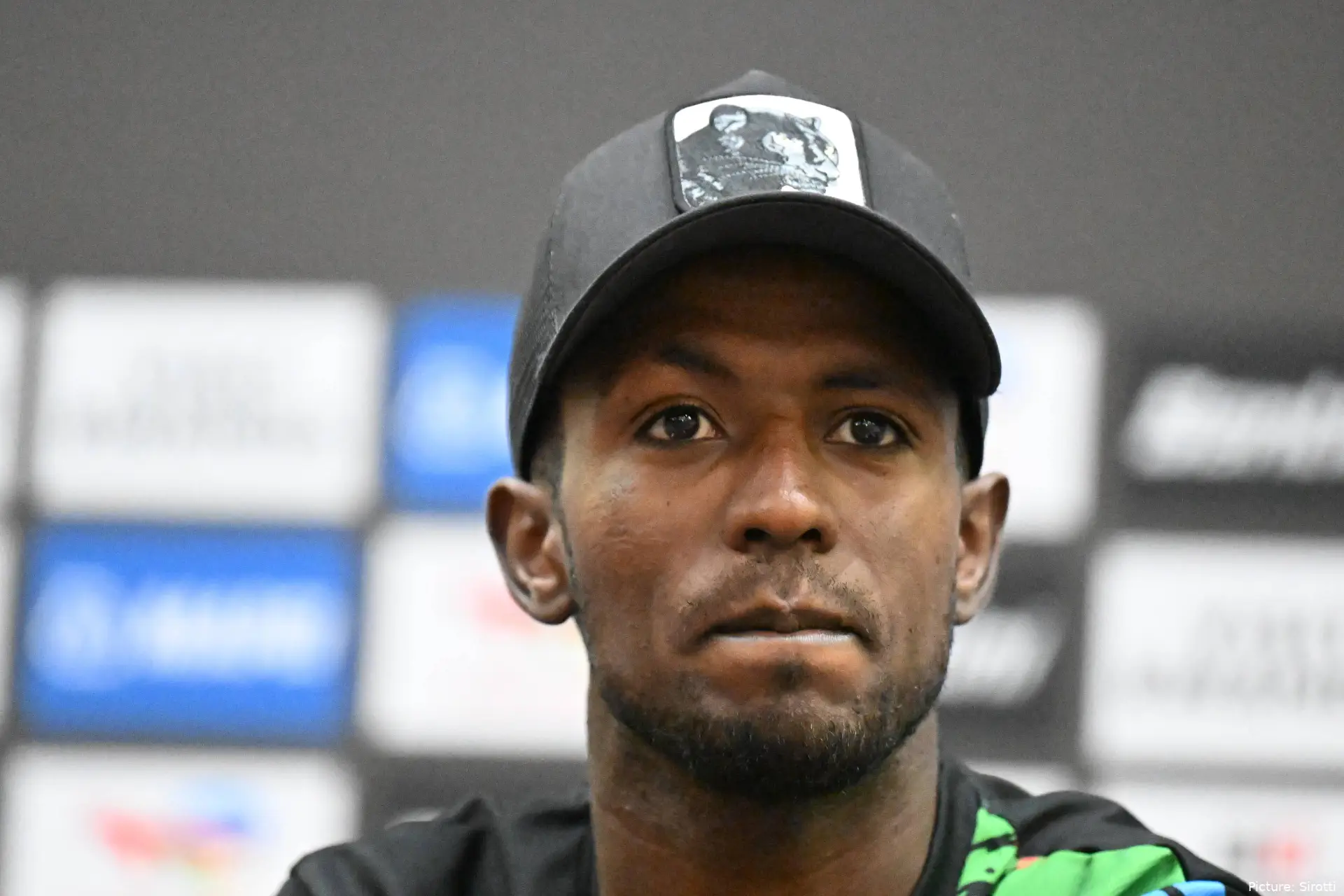
With the road cycling world having descended on Kigali for the first-ever World Championships to be held on African soil, the continent’s biggest star has delivered a sobering assessment of the event’s headline race. Biniam Girmay, the trailblazing Eritrean sprinter and figurehead of African cycling, has voiced strong criticism of the Elite Men’s road race course, branding it “far too difficult for African riders” and revealing he almost chose not to attend.
“It’s a shame,” Girmay told reporters on Friday, in quotes collected by RMC from his pre-race press conference. “Especially as this is the first time the Worlds are being held in Africa. But the course is simply too hard for African riders.”
Coming from the man who became the first Black African to win a Classics race — Gent–Wevelgem in 2022 — and who lit up the 2024 Tour de France with three stage wins and a historic green jersey, Girmay’s comments carry significant weight. While the UCI has hailed the Kigali Worlds as a watershed moment for global cycling, Girmay’s remarks point to a deeper issue: that the course design may have inadvertently limited the very impact it was supposed to celebrate.
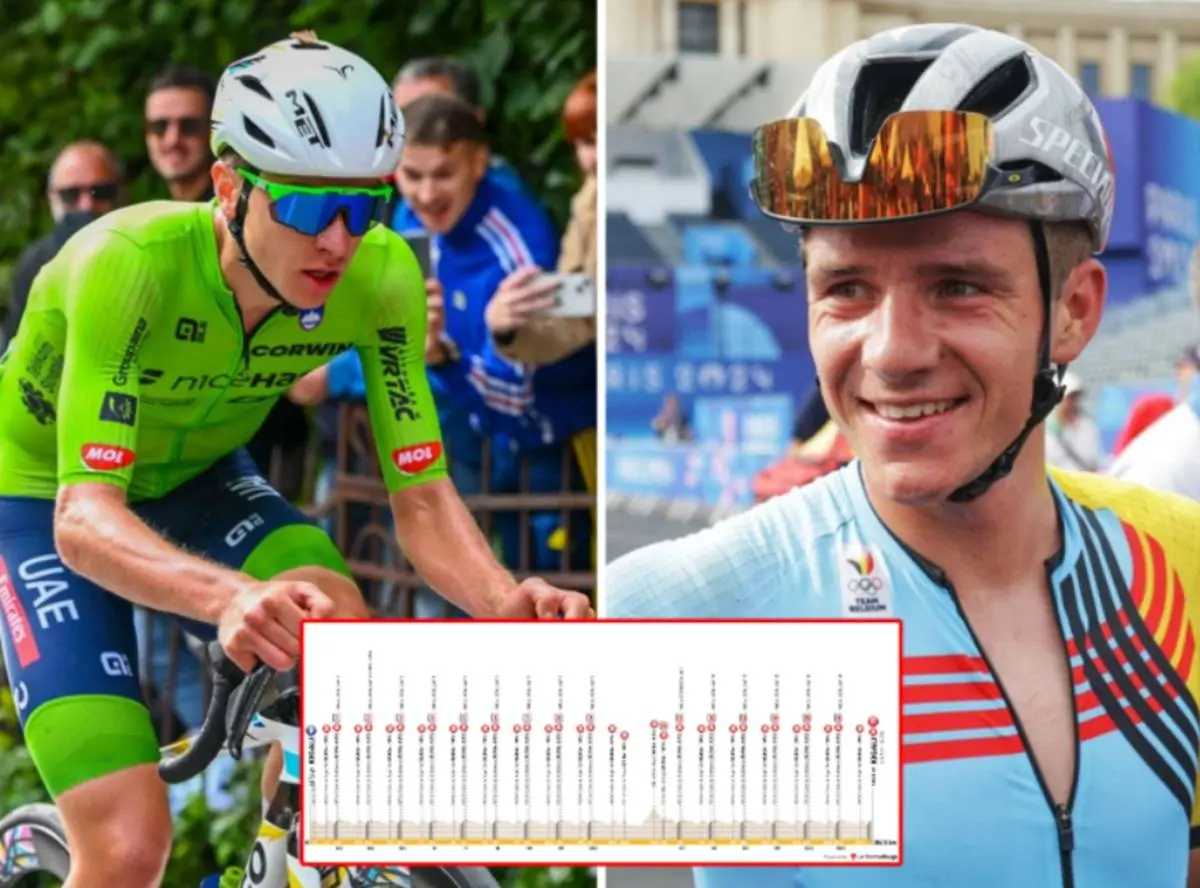
A route that rewards the climbers — and excludes the continent?
The Kigali circuit, with its brutal succession of steep gradients and a cumulative elevation gain rivalling the most mountainous Worlds in history. But for Girmay, who has always been more at home in punchy one-day races and bunch finishes, the terrain is a stark mismatch — and not just for him. “I hesitated to come because of how hilly the course is,” he admitted. “It’s considered one of the hardest ever. I never go to Liège–Bastogne–Liège or Il Lombardia because they’re just too hard. I don’t want to start a race just to end up not finishing.”
The Intermarché - Wanty rider pointed out that the parcours does little to accommodate the strengths of African nations, many of whom are still developing climbers capable of thriving on high-altitude, European-style terrain. “It would have been better to give African riders more of a chance,” he said. “Just look at the junior races — the results haven’t been good.”
Indeed, early signs from the youth and U23 events suggest that African riders are struggling to feature at the sharp end, despite the unprecedented home advantage. For a continent long shut out of the sport’s top tiers, the symbolism of a World Championships in Africa is undeniable. But Girmay’s frustration reflects a fear that symbolism won’t be enough — not if the racing itself doesn’t allow African riders to contend.
Still flying the flag — with pride
Despite his reservations, Girmay did ultimately make the trip — not for personal glory, but to support the Eritrean national team. “The national team asked me to come and help my teammates, and I’m fully committed to that,” he said. “In the end, I’m always proud to wear the national jersey and to represent my country. I’ll give it my all.”
Since his breakout ride at the 2021 U23 Worlds and that unforgettable Gent–Wevelgem win, he has become a symbol of possibility — the rider who broke through, not just for Eritrea, but for an entire continent. In Kigali, the weight of expectation is once again on his shoulders — even if the road ahead looks unforgiving.
Biniam Girmay, Eritrean professional cyclist, reflected on competing at this year’s UCI World Championships, the first ever on African soil.
— The New Times (Sports) (@TimesSportRW) September 26, 2025
He called for more opportunities for African riders, particularly juniors and U23s, to showcase their talent on the global stage.… pic.twitter.com/sCLtY5L6Fc
Kieran WoodDeputy Editor-in-Chief
Kieran Wood is a sports journalist based in Wales and has been active in journalism since 2022. He regularly contributes to DartsNews.com and CyclingUpToDate.com, where he covers professional cycling and darts. In cycling, his work includes liveblogs from major races, including the Tour de France, the Giro d’Italia, and La Vuelta a España, alongside race reports and analysis. He has also conducted interviews with professional riders.
His reporting spans the full racing calendar, from one-day classics to stage races, with a focus on accurate, real-time coverage and clear contextual analysis. For statistics, results, and historical context, he regularly uses resources such as ProCyclingStats. To support reporting on rider activity and training context where relevant, he also references Strava.
In his work, Kieran places strong emphasis on careful sourcing, editorial accuracy, and updating articles as new, verified information becomes available.
claps 5visitors 1
Just in


Popular news
Latest comments
- He is boring
 leedorney08-11-2026
- To Twoje przemyślenia te bla, bla :)
 Dariusz08-11-2026
- Uwielbiam patrzeć, jak wyjeżdża na czoło peletonu i zaczyna się rzeź...Dariusz08-11-2026
- Yeah, unreal.
 parisbound0008-11-2026
- there needs to be space in life for pointless comments!Ketterechts08-11-2026
- That is a very lazy way of putting it but so far on this website it seems like everyone is happy to look at everything lazily, even things that annoy them intensely. All they want to do is state their feeling and position but ask most to analyse a problem or come up with solutions or improvements and you’re stunned by silence. Nobody even really knows how this all happens. It’s very simple and quick to just say the UCI did it but I bet you they didn’t, I bet you not more than 2 people were involved, more likely just 1. The UCI may be ultimately responsible but it is not their decision, this is about hierarchy, power and delegation. The fact that protest is possible also means it isn’t over and that MORE people could get involved for a thorough review which could throw up anything. It is highly likely it was a sole commissar who decided and has that power in a first round. Therein might lie the problem the UCI has to consider, is it acceptable to give so much authority to one single person when it is quite possible for them to have a natural bias or be too easily susceptible to imposed bias. Who is to say an individual in this position isn’t susceptible to collaboration with outside players with interests in the results, nations, families, teams, betting companies, etc. On the one hand we have sports where these problems have been worked on way more to reduce such problems, on the other hand we have sports with far stricter and more draconian rules not even concerning safety or obstruction that nobody really questions like false starts or stepping out of lane or zones in athletics. If cycling hastowork on itself, it would be good if protagonists (all kinds) would start doing a little more than just moaning over outcomes.Jumpyjohn08-11-2026
- Yes, so why not make comments less pointless?Jumpyjohn08-11-2026
- What a race! I didn't expect Vanthourenhout to collapse like that, and Wyseure did take the fight to Nys, but there was no doubt at the end. I also wonder what Aubin Sparfel would be capable of were he to race in the elites now. In the U23 ranks he is making good work of Giel Lejeune, who himself is among the better riders in the elites, and a top 10 contender in the big races (3rd at Kleebergcross, 8th at Berencross and 5th at Heerderstrand). In the French Cup, Sparfel is significantly better than Romain Debord (8th at Koppenbergcross and 10th at the Euros) and Rémi Lelandais (12th at Koppenbergcross and 19th at the Euros).
 Rafionain-Glas08-11-2026
- There really was nothing in it. Schreiber was so much faster, and Brand was fighting to stay in the wheel in the sprint. Schreiber did move a bit, but to say she closed the door doesn't make sense because Brand couldn't enter it anyway, abd she wasn't impeded.Rafionain-Glas08-11-2026
- He should have been allowed to go to Movistar. Right now both arent a good fit for each other and are just wasting each other's time and effortabstractengineer08-11-2026
Loading
4 Comments