“Teams were never properly looking after the riders” – Chris Horner traces record-breaking Tour de France to nutrition revolution amid doping-test controversy
Cycling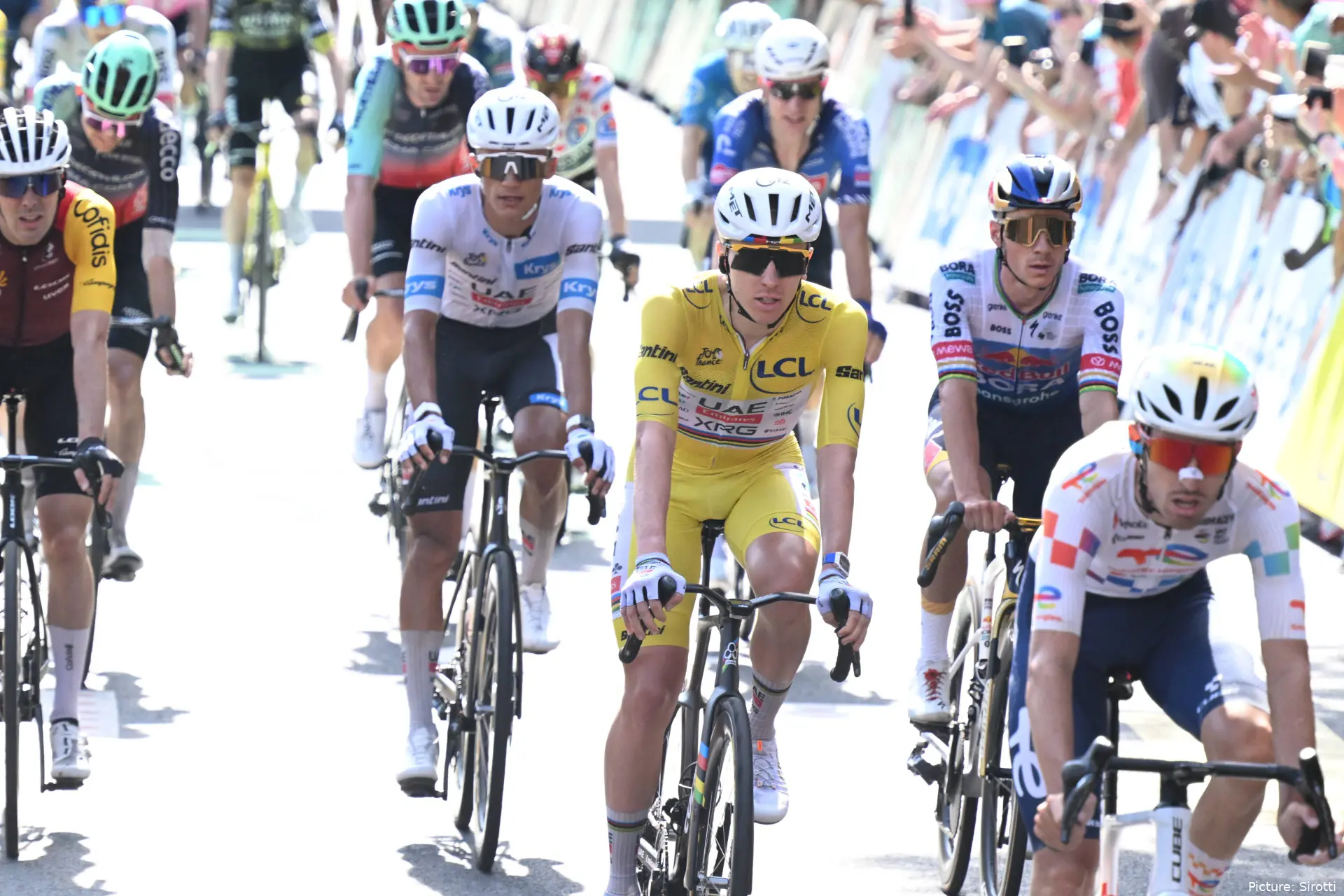
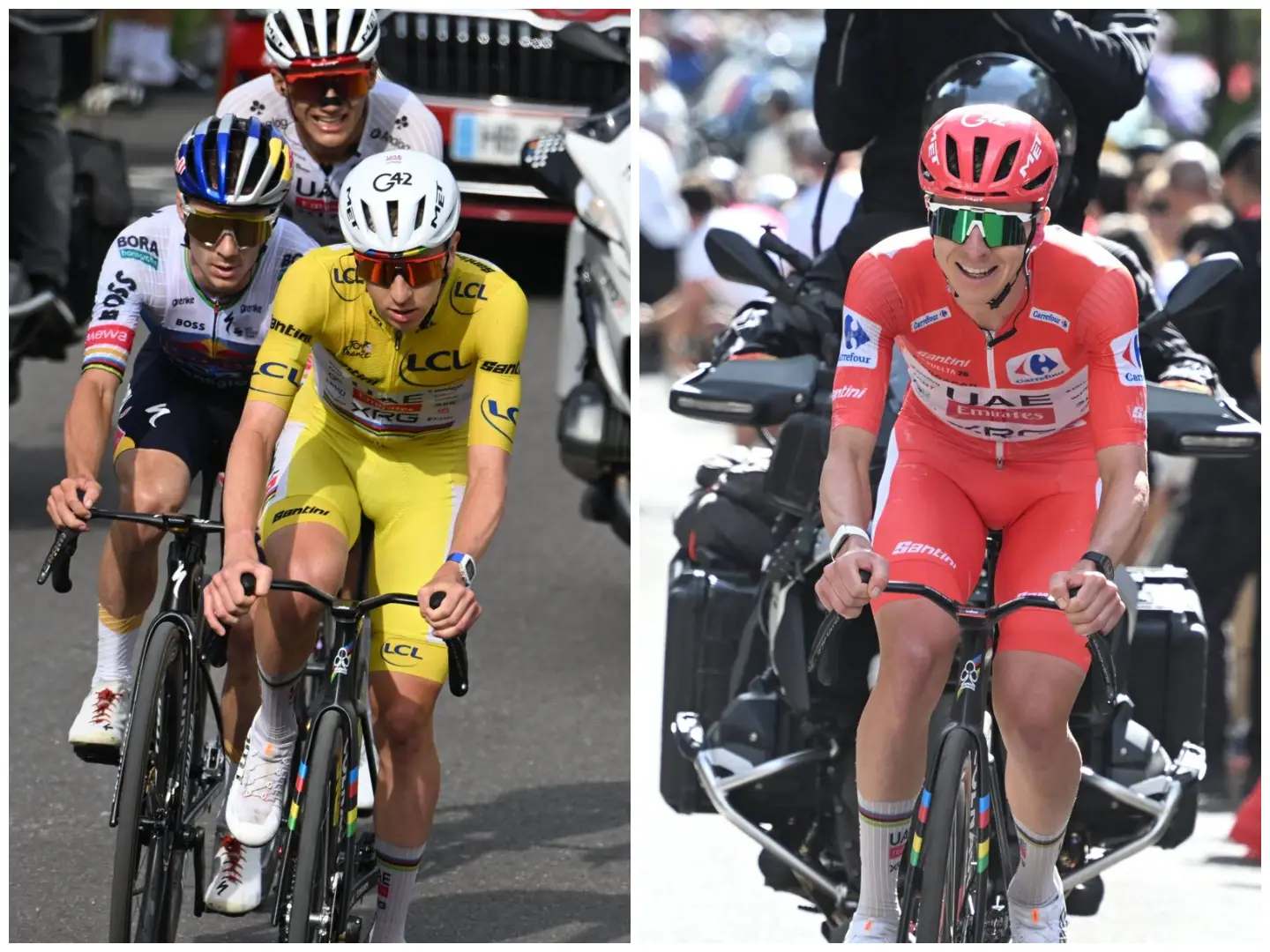
The fastest Tour de France in history brought familiar questions back to cycling, with record speeds followed by controversial overnight anti-doping tests on Tadej Pogacar and Jonas Vingegaard.
No anti-doping violation involving either rider has been announced, but the unprecedented pace of the 2026 race ensured renewed scrutiny. Pogacar broke Marco Pantani’s long-standing Alpe d’Huez climbing record during his fifth overall victory, while Soren Waerenskjold completed the fastest road stage ever recorded at the Tour.
Less than a week after the race finished, former Vuelta a Espana winner Chris Horner turned his attention to a transformation that has taken place openly across the professional peloton.
Riders once travelled with their own supplies, survived stages on shop-bought pastries and waited in hotel dining rooms for food. Modern teams now control nutrition and recovery from the moment a stage finishes until the next one begins.
“Even in 2005, when I was showing up with Saunier Duval for my first Tour de France, I was still bringing my own food because the teams were never properly looking after the riders,” Horner said on his YouTube channel.
From shop-bought pastries to precision fuelling
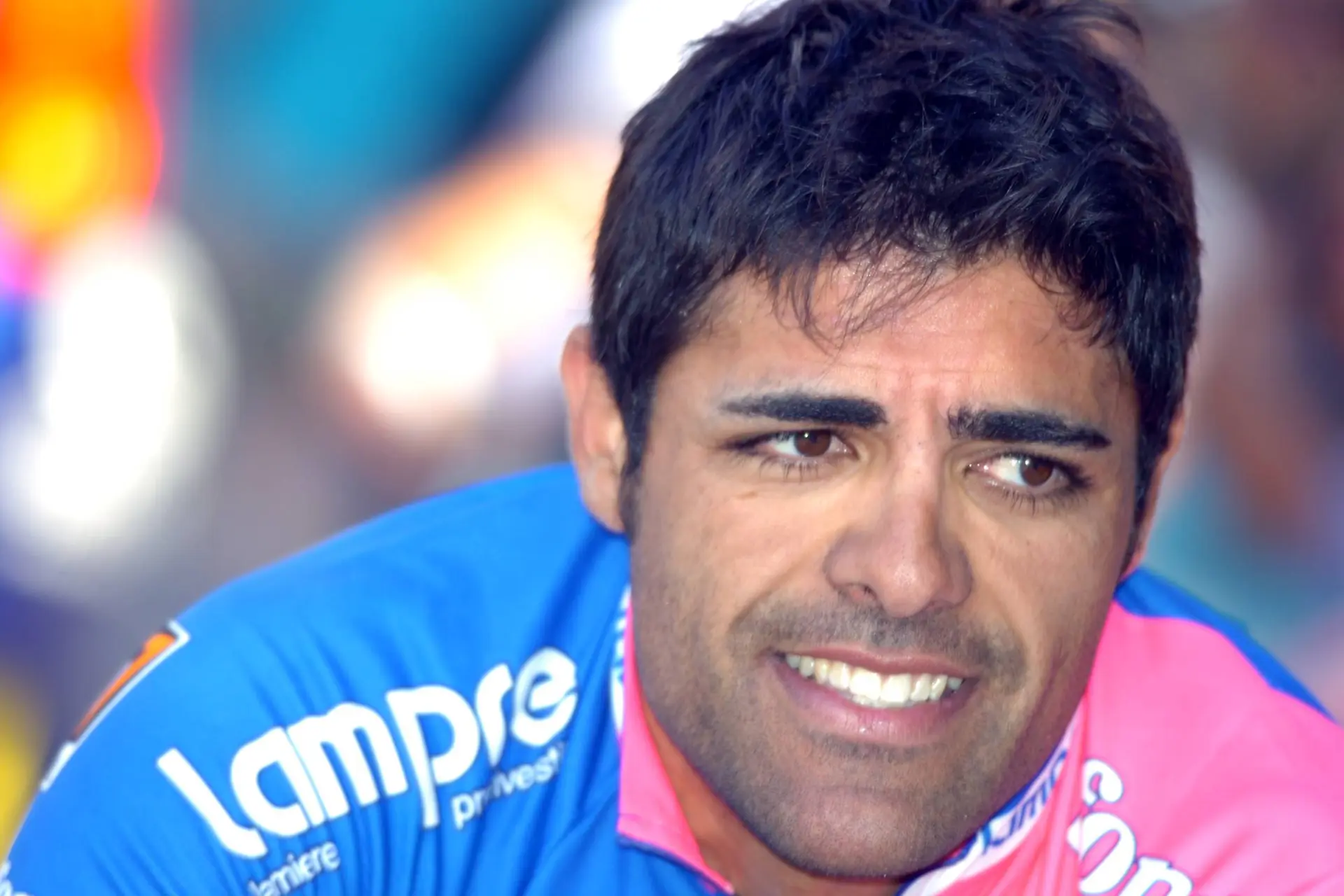
Horner entered the European peloton with FDJ in 1997 and continued racing at the highest level until 2014.
During his early years in France, food prepared for races could be bought locally shortly before the start. “We basically survived at the bike races with little cakes and pastries,” he said. “They would buy boxes of pastries, bring them in, cut them up, throw them in a little tinfoil, make little sandwiches along with that and put it in your pocket.”
Horner travelled from the United States with a suitcase packed with Clif Bars before buying chocolate after arriving in Europe. Those supplies followed him through races including Paris-Nice, Tirreno-Adriatico, the Tour of the Basque Country and the Tour de France.
Even riders who arrived in strong condition could begin losing ground through small nutritional errors repeated across several days. “If you have any calories missing throughout the days, you can see yourself having a blow-up in a Grand Tour such as the Tour de France,” Horner said.
Such collapses have not disappeared. Horner rejected the suggestion that modern nutrition has made the traditional Grand Tour implosion obsolete. “Will it be a relic? It absolutely will not be a relic, and we’ll see it happen again.”
Fewer riders now reach the decisive mountains having already been compromised by basic failures away from the road.
Meals have also moved beyond the repetitive menus Horner encountered during his career. “They’re not just feeding pasta for breakfast, pasta after the race and then pasta for dinner now,” he said. “It’s completely changed.”

Vingegaard and Pogacar were both subject to surprise overnight doping tests during the 2026 Tour de France
Recovery no longer depends on the hotel kitchen
The record speeds of the modern Tour are built across the hours between stages as much as during the racing itself. At the 2005 Tour, Horner remembered sitting at the dinner table for an hour before food arrived.
Riders had already completed the stage, travelled to the hotel and worked through their immediate recovery routine. A meal expected at 8pm could still be missing at 9pm.
“That could be a dramatic problem that affects how you ride the next day,” Horner said. “You were leaving the table more fatigued than when you arrived at the table. It was ridiculous.”
Teams increasingly travel with private chefs, their own ingredients and mobile kitchens. Riders are no longer dependent on a different hotel restaurant at each stage finish.
“Their chefs are cooking everything, preparing it exactly right and feeding the riders at the right time when they need to eat,” Horner said. “They’re not delayed an hour. They’re not sitting at the table with their legs hanging down after you just got done doing a 200-kilometre stage at the Tour de France and went up and over Alpe d’Huez.”
The difference extends beyond the quantity of food. Horner described riders returning from cold and mountainous stages exhausted, before being presented with meals designed to restore both energy and morale. “You leave the dinner table completely satisfied,” he said. “You’re ready to go back, relax on the bed and decompress.”
By the following morning, modern riders have spent an entire evening inside a controlled recovery system. Horner’s generation could lose part of that window before dinner had even been served.
“The racing’s going full gas the whole time”
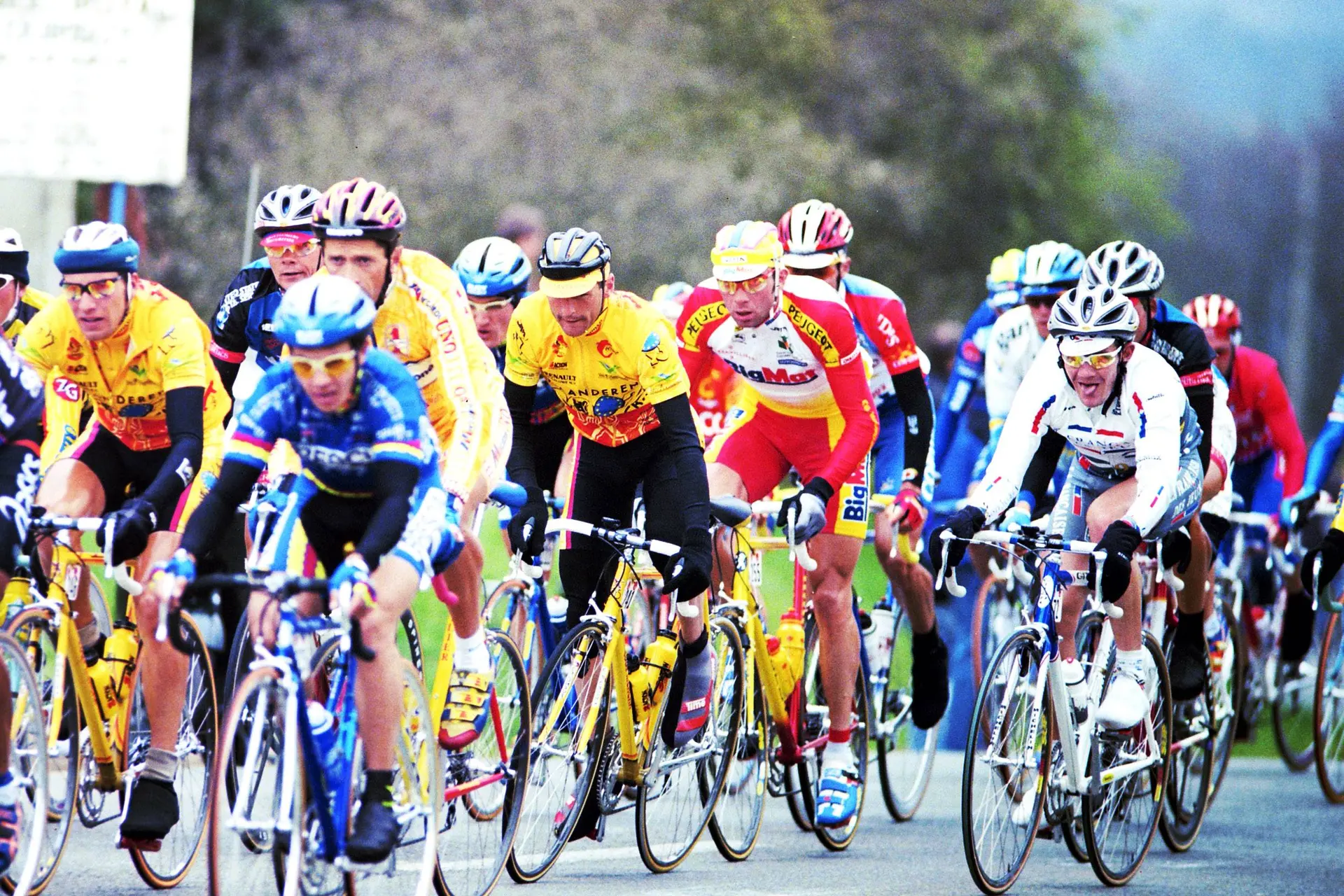
The 2026 Tour rarely allowed the peloton to settle. Breakaway battles stretched deep into stages, teams drove the pace long before the final climbs and Waerenskjold averaged more than 50km/h on the road to Nevers.
Horner consumed unusually large quantities during his own career, even by the standards of the time. “If I was training, I’d usually have about 600 calories an hour, but in the bike race you would add a third more to that and have 800 calories an hour,” he said. “Riders themselves, and especially the staff, would kind of laugh at me with the amount of sugar and calories that I had.”
He preferred solid food: pastries, sandwiches, Clif Bars, Snickers and Coca-Cola. The peloton regularly eased before the decisive part of a stage, giving riders time to reach into their pockets and eat. Those quieter periods are increasingly difficult to find.
Horner pointed to Jonas Abrahamsen displaying 12 gels prepared for a day of racing. “Nowadays, you might need 12 gels,” he said. “You have to put these calories down fast because the racing’s going full gas the whole time.”
Fuel taken during a stage forms only part of the total. Intake begins immediately after the previous finish, continues through the evening and breakfast, and resumes before the next start.
“How much are you eating before the race? How much are you eating during the race? And how much are you eating after the race?” Horner said of the first questions he asks athletes when coaching. “Diet is absolutely the most important thing you can be doing correctly, along with training.”
The overnight controls on Pogacar and Vingegaard ensured that the 2026 Tour’s record pace would face intense examination. Horner’s account places those speeds beside another vast change in the sport.
His generation could enter a stage after waiting an hour for dinner and spend the following afternoon eating locally bought pastries. The riders who broke records in 2026 were fuelled before, during and after racing by systems designed to prevent energy deficits from accumulating across three weeks.
Kieran WoodDeputy Editor-in-Chief
Kieran Wood is a sports journalist based in Wales and has been active in journalism since 2022. He regularly contributes to DartsNews.com and CyclingUpToDate.com, where he covers professional cycling and darts. In cycling, his work includes liveblogs from major races, including the Tour de France, the Giro d’Italia, and La Vuelta a España, alongside race reports and analysis. He has also conducted interviews with professional riders.
His reporting spans the full racing calendar, from one-day classics to stage races, with a focus on accurate, real-time coverage and clear contextual analysis. For statistics, results, and historical context, he regularly uses resources such as ProCyclingStats. To support reporting on rider activity and training context where relevant, he also references Strava.
In his work, Kieran places strong emphasis on careful sourcing, editorial accuracy, and updating articles as new, verified information becomes available.
claps 0visitors 0
Just in

Popular news
Latest comments
- He is a great teammate.
 MarkFour21-10-2026
 - Given that the headline did not restrict the conversation to men’s cycling and only asked about cycling as a whole, perhaps mention of Lorene Wiebes would be appropriate? She had an astonishing season, 24 wins, though not all WT level like Pogačar. He has always won with a higher percentage of WT wins than almost anyone else.RidesHills21-10-2026
- POGI NEEDS NO TEAM! Entire UAE squad liquidated, Pog's salary jumps to 50m Euros. Will win every stage at all 3 GTs in 2027 and break the speed of sound at Worlds! ET ACTAAAAAAAwrsty21-10-2026
- Will be a big test for Trek with their GC riders barring Skelly who was their best this year closely followed by Cicco who has left. Jury out on why they signed Gee. Lots of changes in the Mens and Womens WT some good (Kasia) some puzzling and off the bike too.
 Davide21-10-2026
 - "And we’ll avoid rushing from race to race"...LOL he took all that time off between the end of the Tour and the Canadian one day races ! That got him one win and a failed worlds RR title ! Only thing he got a was TT titles and a Euro championship against a weak field !frieders321-10-2026
- Rasmussen hasn't been relevant for years and that's only because he was booted out of the tour wearing the yellow due to failed doping !frieders321-10-2026
- Yep Pogi can't win the Vuelta if he doesn't cross the finish line in stage 21! PogiFanStalker can't seem to understand that.frieders321-10-2026
- This PogiFanStalker can't seem to help himself with his constant nonsensical comments here.frieders321-10-2026
- Only thing boring here is reading your constant drooling comments about him!frieders321-10-2026
- So much clickbait hereDAS21-10-2026
Loading
1 Comments