Remco Evenepoel rode a ‘mini Amstel Gold Race’ in Calpe, whilst his rivals were tearing up the cobbles of Roubaix
Cycling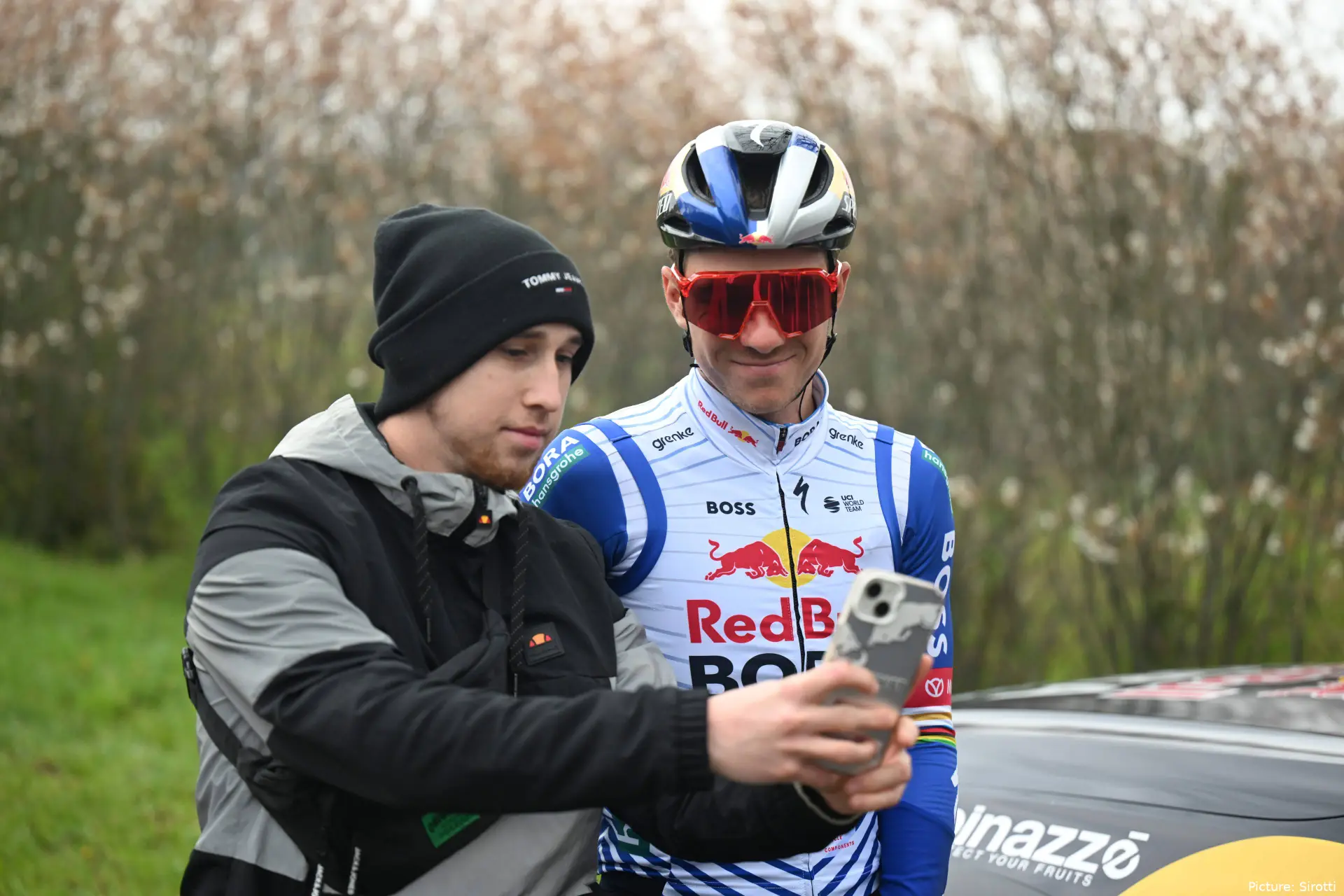
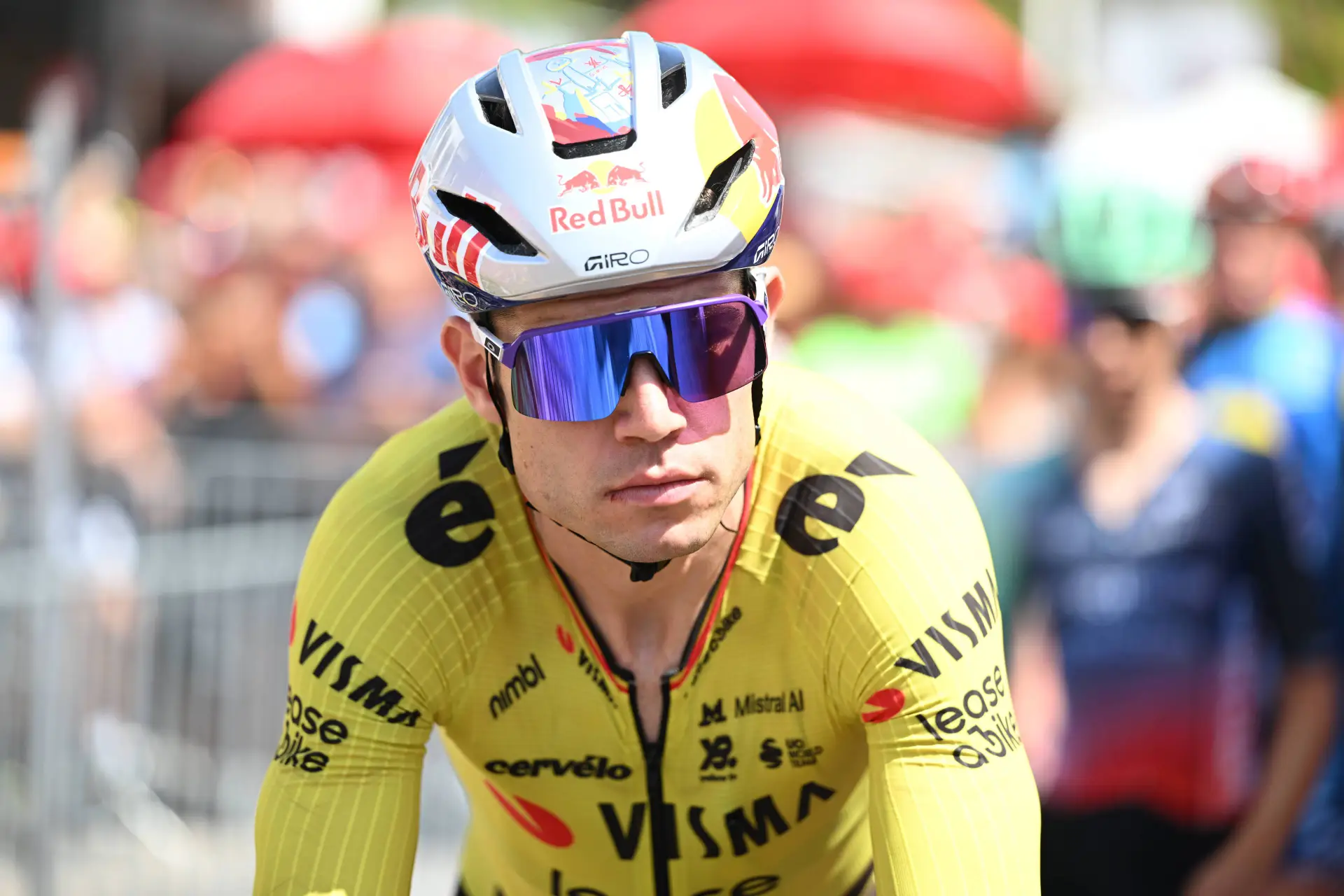
Remco Evenepoel delivered one of the biggest surprises of the spring when he appeared on the start line of the Tour of Flanders. Few expected the Belgian to add the cobbled Monument to his program, yet he immediately proved competitive, finishing third on debut after an aggressive and highly impressive ride.
The announcement only came a few days before the race, creating intrigue around how long the decision had been planned. According to his team, the choice had already been made earlier, but preparations and reconnaissance were kept strictly private until the final moment.
That secrecy quickly fueled speculation that Evenepoel could also line up at Paris-Roubaix. Given his power, engine, and growing confidence on difficult terrain, many believed the Queen of the Classics might be the logical next step. However, the Belgian was never part of the Roubaix plans.
Instead, the Red Bull - BORA - hansgrohe leader returned to Spain to continue his build-up for the Ardennes Classics, where a renewed battle with Tadej Pogacar could await. The rivalry between the two has become one of the defining storylines of modern cycling, and Evenepoel has made no secret of the motivation it gives him.
Speaking to La Gazzetta, Evenepoel explained that competing against riders of Pogacar’s level pushes him forward. His focus, however, remains on his own progression and producing stronger performances than in previous seasons.
That meant resisting the temptation of Paris-Roubaix and prioritizing the races that suit his profile best. The Ardennes campaign begins this Sunday with the Amstel Gold Race, where Evenepoel is expected to start among the leading favourites.
With Pogacar absent, the Belgian’s status only grows stronger. Several other notable names are also set to miss the race, leaving the door open for a major result from the Olympic champion.
While much of the cycling world was watching Paris-Roubaix, Evenepoel was already deep into his final preparations in Calpe. His Strava data showed a demanding 230-kilometer training ride featuring around 2,900 meters of climbing, a session closely matching the physical demands of the Amstel Gold Race.

The numbers are revealing. Amstel covers roughly 257 kilometers with approximately 3,400 meters of elevation gain, making Evenepoel’s Spanish session a clear race-specific effort. Although the climbs in Spain were generally longer than the punchy ascents of Limburg, the workload underlined how precisely his preparation has been structured.
Everything now points toward another serious Ardennes campaign. Evenepoel has chosen to skip Brabantse Pijl, a race he won last year, placing full emphasis on the bigger targets ahead.
The Amstel Gold Race may also offer an extra source of motivation. Twelve months ago, Evenepoel was narrowly denied victory by Mattias Skjelmose and had to settle for third place after a tense finale.
This time, he returns with fresher legs, focused preparation, and clear intent. After surprising the peloton in Flanders, Evenepoel now turns his attention to terrain where he has already shown he can dominate.
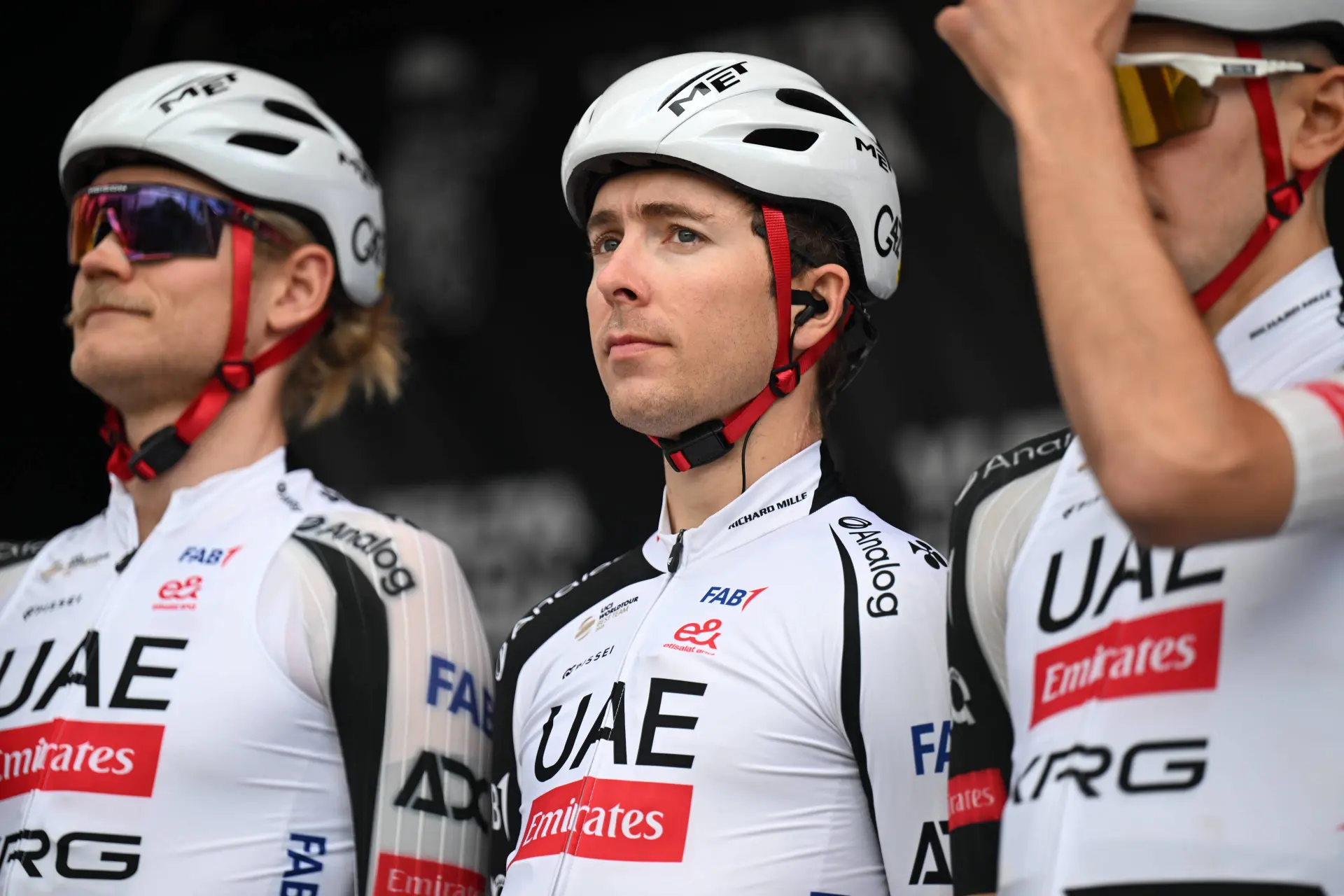
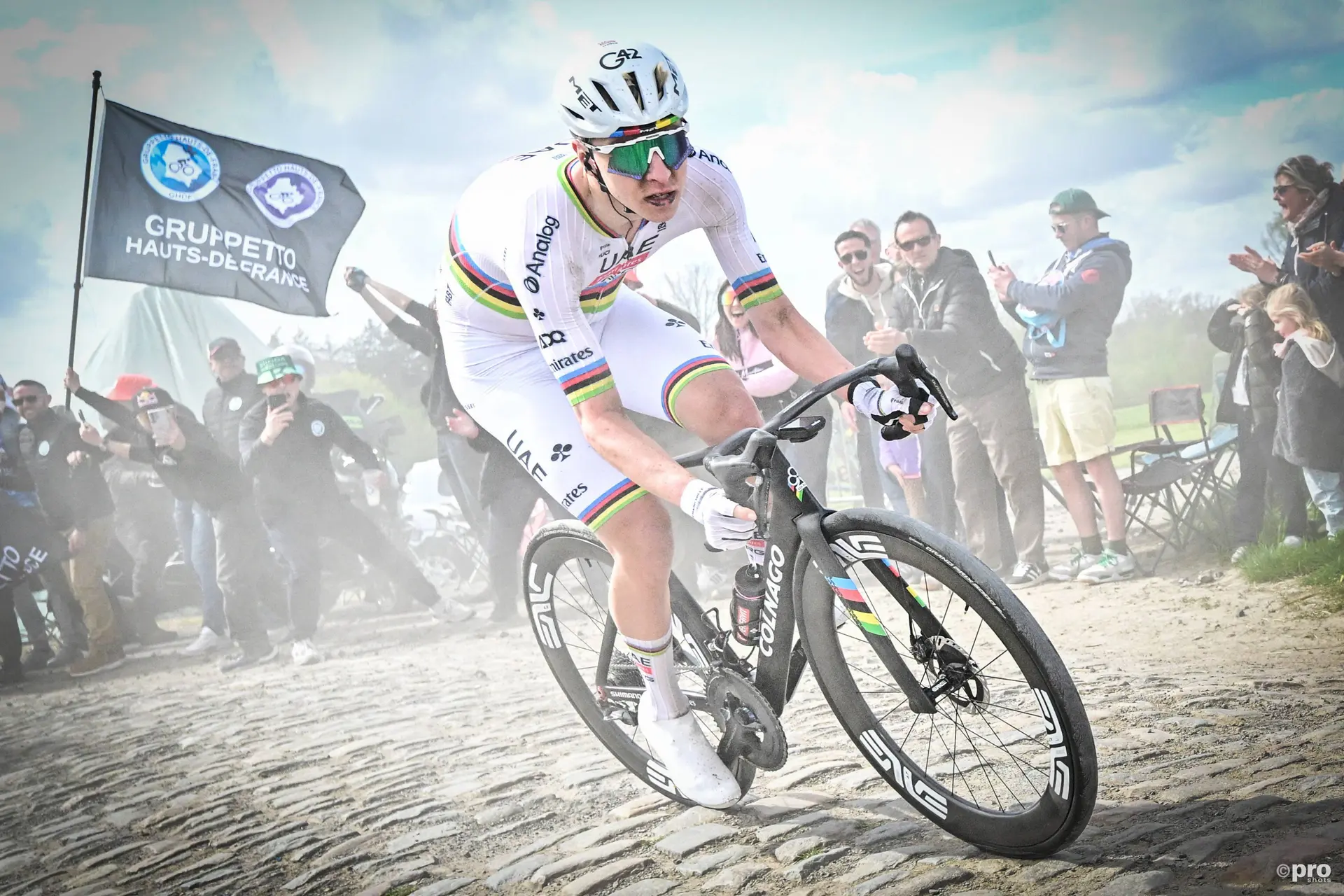
The Ardennes Triple begins this Sunday with the Amstel Gold Race, followed by the Flèche Wallonne on Wednesday (to be confirmed), and on Sunday 26th, Liège - Bastogne - Liège, where world champion Tadej Pogačar awaits...
Carlos Silva is a writer for CyclingUpToDate.com, where he contributes race reports, interviews, analysis pieces, and live coverage of the international cycling calendar. Holding a degree in Sports from the Jean Piaget Institute, he combines academic knowledge of performance, training, and competition with hands-on journalism experience in professional cycling.
Throughout his career, Carlos has conducted interviews with leading figures in the sport, including Alberto Contador, Joaquim Rodríguez, Óscar Pereiro, João Almeida, Isaac del Toro, Derek Gee, John Degenkolb and Geraint Thomas. These conversations reflect direct engagement with Grand Tour winners, Classics specialists, and emerging talents.
He has provided on-site coverage at major events ranging from the Vuelta a España to the Tour de France, alongside stage races such as Vuelta a Andalucía, Volta ao Algarve, Volta a Portugal and O Gran Camiño. Covering the mythical climbs of the Giro d'Italia remains one of his professional ambitions.
Carlos is responsible for liveblog coverage of all major WorldTour races and beyond, including the Tour de France, Giro d'Italia and Vuelta a España. His reporting integrates verified data from ProCyclingStats to ensure statistical accuracy, contextual depth, and analytical precision.
A lifelong cycling enthusiast, he approaches storytelling across written, photographic, and video formats with a focus on credibility, tactical insight, and informed race interpretation.
claps 0visitors 0
Just in

Popular news
Latest comments
- he had one good year of his career. gotta think he was doping hard.mij25-11-2026
- bam! two grand tour starts claimed by the younger sprinter just like this. what if merlier also plans for 2 grand tours?Ketterechts25-11-2026
- writing about yourself in third person ... please, at least have someone else from your staff author these self-coverage articles!Ketterechts25-11-2026
- Don’t forget Yates’s podium at 2023 TdF!Lozza25-11-2026
- It was stage 14 to Morzine that Carlos Rodriguez won in 2023, not Puy de Dome. And Kwiato actually won the previous stage himself to Grand Colombier!Lozza25-11-2026
- Go Pogi!! 🐐❤️Lozza25-11-2026
- They didn’t have or need “extraordinary information”. All they needed was for a French judge to sign off on the night-time testing for it to go ahead.Lozza25-11-2026
- If the sponsors voted for Primoz then you get him, otherwise not.flyer25-11-2026
- It sure can feel or seem that way but I wonder if the same amount of prodigious performances (compared to the others) would occur if no one was ever doping at all.flyer25-11-2026
- Given the similarity of two articles (published on I think the same date), I'm reusing (copy-n-pasting) my post from the twin: I've always thought the last day of each of the grand tours was problematic mostly in that the GC is considered completed before the race starts when that is not really true. There is some tension, but not desirable tension. What saves the awkward practice is the race finish is legit for those who participate - so it's not wholly different from the other stages. That neutralizations usually make good sense demonstrates their necessity so if that has to be the way to go I agree that the design plan for the neutralization should be completed before the race starts. This years end stage in the Vuelta had one of the best first half's I've seen in that many of the riders looked to be thoroughly enjoying themselves making it a joy to watch. But I think it was slightly closer to the exception rather than the rule.flyer25-11-2026
Loading
Write a comment