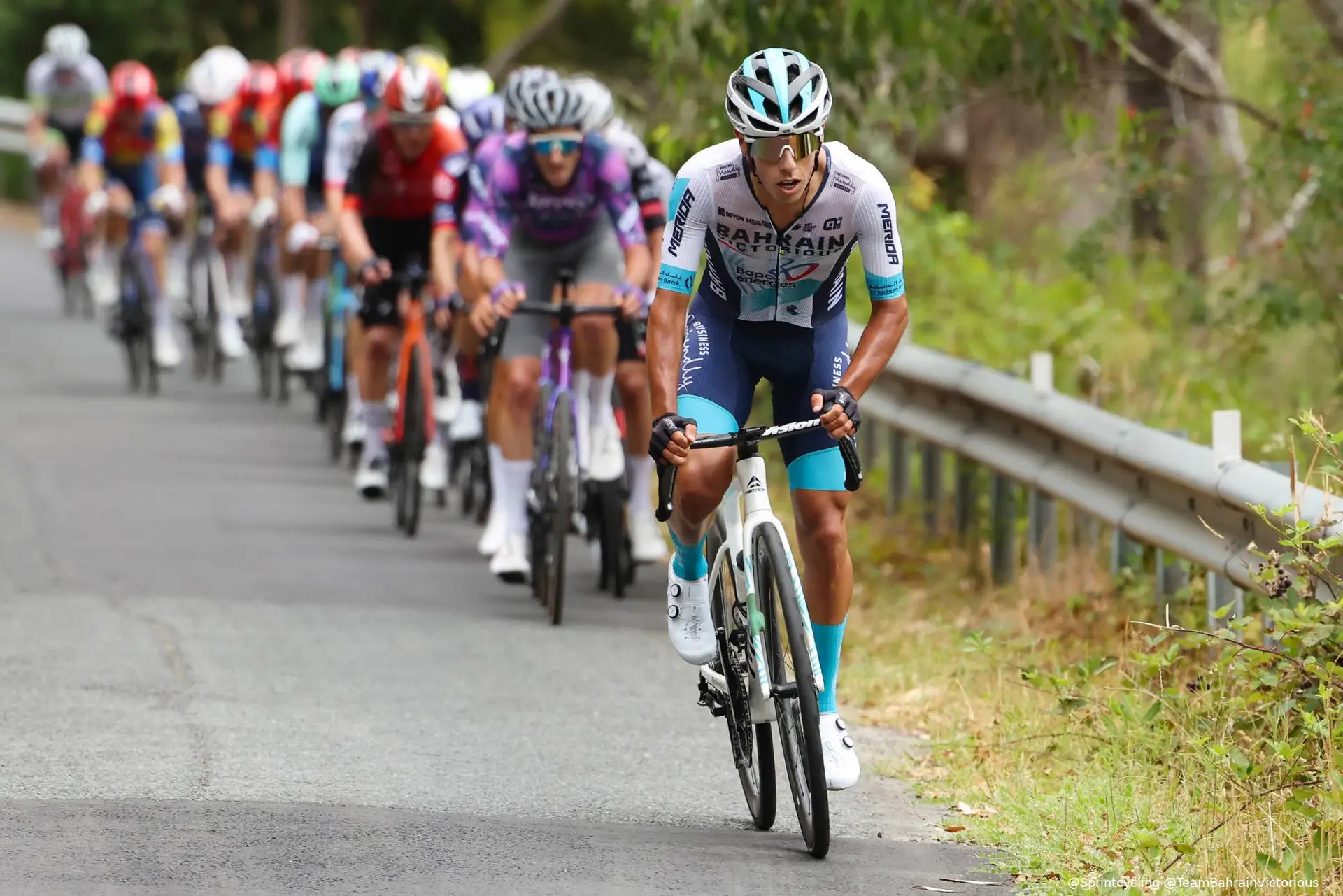
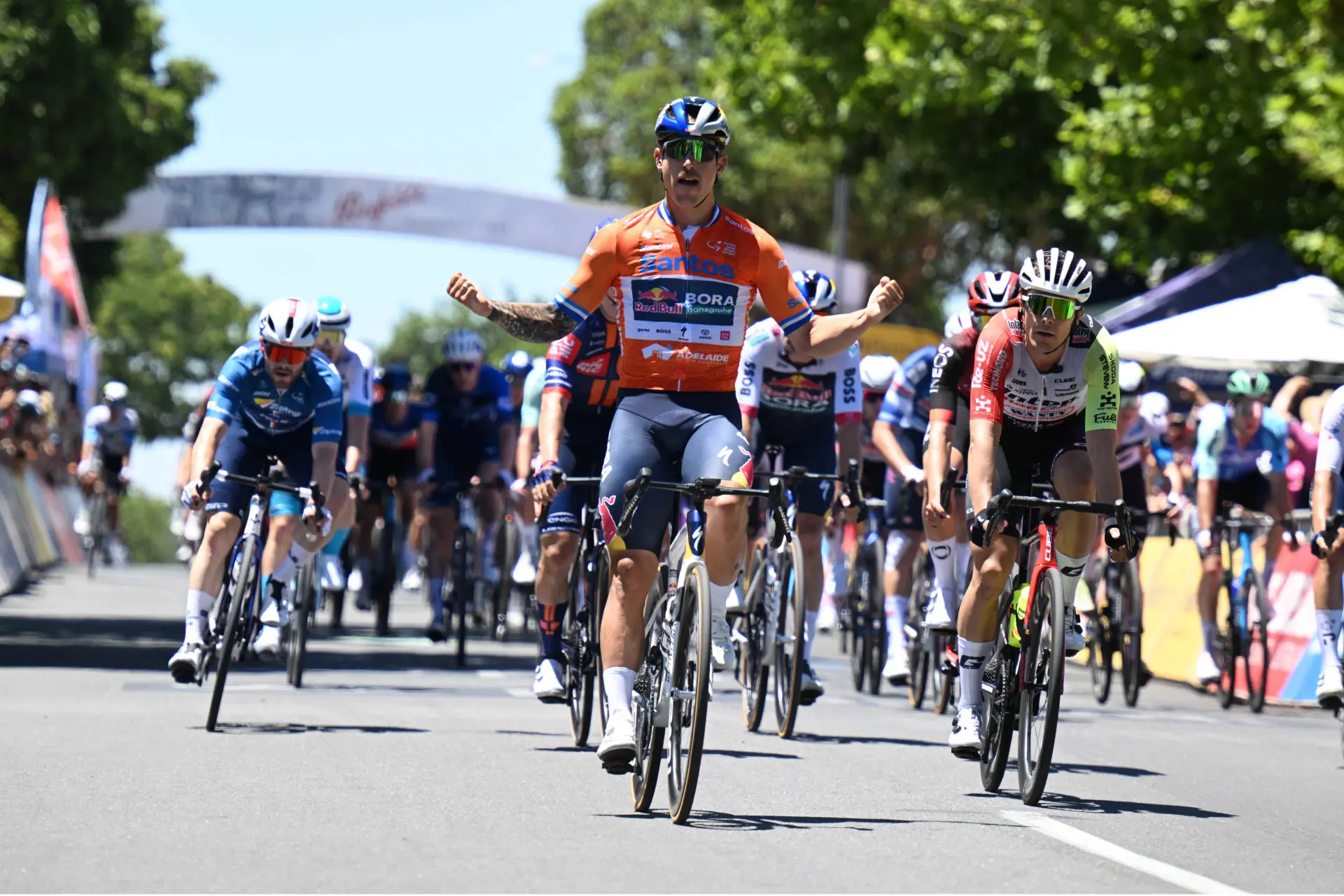
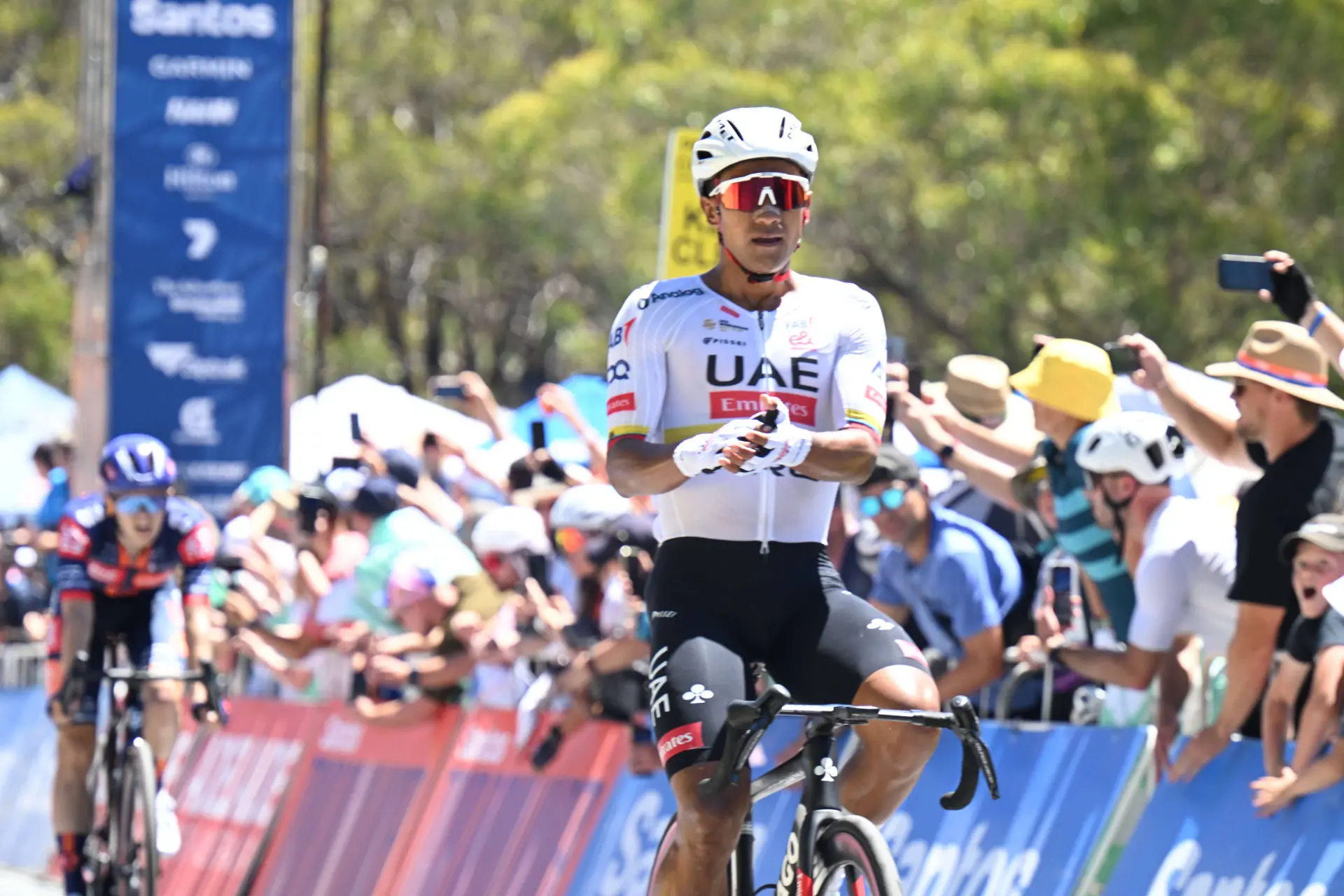
Giving continuation to the Australian summer racing, the Cadel Evans Great Ocean Road Race is one of the most recent additions to the World Tour calendar. Taking place on the 2nd of February, it provides opportunities for both sprinters, puncheurs and classics riders to take an early big win. We take a look at the prize money available.
The prize money in total for the race will be a total of €43.000. This will be split between the first 20 riders crossing the line mostly; taking into consideration that the winner will win €16.000.
Result - Prize Money
1 €16.000
2 €8000
3 €4000
4 €2000
5 €1600
6 €1200
7 €1200
8 €800
9 €800
10 €400
11 €400
12 €400
13 €400
14 €400
15 €400
16 €400
17 €400
18 €400
19 €400
20 €400
1st rider over 1st Challambra Crescent climb - €1000
1st rider over 2nd Challambra Crescent climb - €1000
1st rider over 3rd Challambra Crescent climb - €1000

Rúben SilvaEditor-in-Chief
A founding contributor to CyclingUpToDate since its launch in January 2022, Ruben Silva has played a central role in shaping the site’s editorial direction and long-term growth. Before joining the project, he built his experience through independent blogging at Echelons Hub and by producing race previews for Ciclismo Internacional, developing a strong analytical voice rooted in daily engagement with professional cycling.
Beyond editorial work, he has been closely involved in the expansion and coordination of CyclingUpToDate’s wider network, helping establish and support sister platforms across multiple languages. This includes ongoing collaboration with CiclismoAlDia (Spanish), CiclismoAtual (Portuguese), WielrennenUpToDate (Dutch), and RadsportAktuell (German), contributing to a shared editorial vision and consistent international coverage.
He also helps oversee editorial governance across the network, setting standards for accuracy and consistency and coordinating updates or corrections when needed.
Originally from the Porto metropolitan area in Portugal, he holds a bachelor’s degree in Geography. His path into cycling journalism was shaped not through formal media training, but through independent reporting, community engagement, and sustained on-the-ground involvement in the sport.
Over the course of his career, he has conducted approximately 100 interviews across road cycling and cyclocross, ranging from one-to-one conversations and online formats to press conferences and on-site pre- and post-race coverage. His interviews include leading riders, team managers, and prominent figures within cycling media: Tadej Pogacar, Jonas Vingegaard, Mathieu van der Poel, Primoz Roglic, Wout van Aert, Joao Almeida and Tom Pidcock; managers like Patrick Lefevere and Joxean Matxin; and YouTube personality Bryan Kennedy (BKXC)...
Within 18 months of launch, he helped grow CyclingUpToDate’s English-language platform into one of the most-read cycling news websites, built entirely from the ground up. As both a professional journalist and lifelong cycling enthusiast, his focus remains on delivering accurate, timely, and well-contextualized coverage.
claps 0visitors 0
Just in
Popular news
Latest comments
- While none of us know if they are doping, I prefer to believe they aren't until it comes out, if it ever does. I think it's a disservice to the top riders who constantly have to defend themselves.awp28-11-2026
- I'm surprised because he seemed pretty happy with things, at least a few years ago. He was saying the racing was believable and the teams were more open than ever.megasmacky28-11-2026
- When?
 Rafionain-Glas27-11-2026
- No need to apologize. You make excellent points!RidesHills27-11-2026
- The cycling world typically doesn't like ambition, and likes deference to team leadership deciding what to race and the team for one's win. It's uncouth, in a way, to be so blunt about desires. But I get it. He wants to win, and claims to be good enough to do so. Of course, there's that middle ground, why not become a second option for Mads? Why do I like this idea? To pick but one race each, one of them has attacked repeatedly in Lombardia, the other has attacked repeatedly in Flanders, and both are great to watch when they do it. One of them is a past world champion, and the other could have been had he not been reeled back in (while the next attack from the US squad wasn't reeled in, and there you go). Meaning: this could be fun, if it happens. Or it could be a disaster, two egos not making space. Who knows, until it happens.RidesHills27-11-2026
- Merckx raced against plumbers and pipefitters. There is no comparison, had Tadej and Jonas been racing in Merckxs' day he would have never won a grand tour.awp27-11-2026
- Is Paul writing another book? He must be..awp27-11-2026
- I don't know if they're doping, and I'm not sure I care. I almost stopped watching the sport in the early 2000's because I couldn't enjoy a race without wondering if the performances were real. So I decided I liked watching bike races more than I cared about the doping. There is, however, reason to believe that Pogacar is right. Besides the insane speeds today, I don't see any of the usual evidence of a heavily doped peloton that we saw in the 90's and 2000's. We're not seeing unknown riders suddenly winning big races. We're not seeing ridiculous sights like George Hincapie winning the queen stage at the 2005 Tour. We're not seeing largely Classics riders suddenly turning into the greatest GT rider of his generation(cough, Armstrong, cough) One of the problems with EPO especially was it levelled up the peloton. These days, top riders start attacking with 80kms left, because they know only the very best will be able to follow. If you attacked with 80 k's left in 2002, 150 riders would follow, and the DS would be screaming into your ear that you wasted energy. So we saw hard Monuments with intact pelotons 10kms from the finish. Roleurs were suddenly climbers etc. Now the best riders win, either alone or in a small group of elite riders, just like it was before EPO. As far as the speeds go, even though we all scoff at the claims of tech and training improvements, that is true. Training programs even from half a decade ago are badly outdated. The riders are far, far lighter than they've ever been. The big thing though, and I don't see this spoken about at all, is the riders are arriving at races perfectly prepped and fresh. With the exception of the rare top rider going for the double, we're not seeing riders arriving at the Tour with the Giro and the Dauphine and the Tour de Suisse in their legs. Pogacar did the classics and Romandie, and then he buggered off for altitude training. Evenepoel spent over two months at altitude, arriving perfectly prepared and fresh. If you go back to pre-EPO days, look at LeMond in '86. He started racing in February, did all the classics including Roubaix, rode the Giro and finished 3rd, did the Dauphine and Tour de Suisse(I think), then the Tour, Worlds, and the old Coors Classic. All of those were raced hard and raced to win. There were no tune-ups, nothing, just hard racing for almost 9 months. Do you think he was ever fresh? Now they can all target and prep for individual races or race blocks. That has never happened in the history of the sport, and people are surprised the guys are crazy fast? I don't know if they're doping, maybe I'm just gullible or delusional. But to say there's no reason to think that the peloton is largely clean is absurd. Sorry for the long comment.megasmacky27-11-2026
- let Quinn attack. it takes pressure off Mads. One of the other big players - MVDP, Tadej, WVA - will track him down. Or the team will. And Mads can profit off their work. the mano a mano thing isn't working out too well for Mads. He is winning huge races, but no monuments yet.mij27-11-2026
- I had kids later. To me, children are such a blessing, there is no wrong time to have children.mij27-11-2026
Loading
Write a comment