Mexico and the Canary Islands shake up the start of 2027 with new races and the Del Toro question
Cycling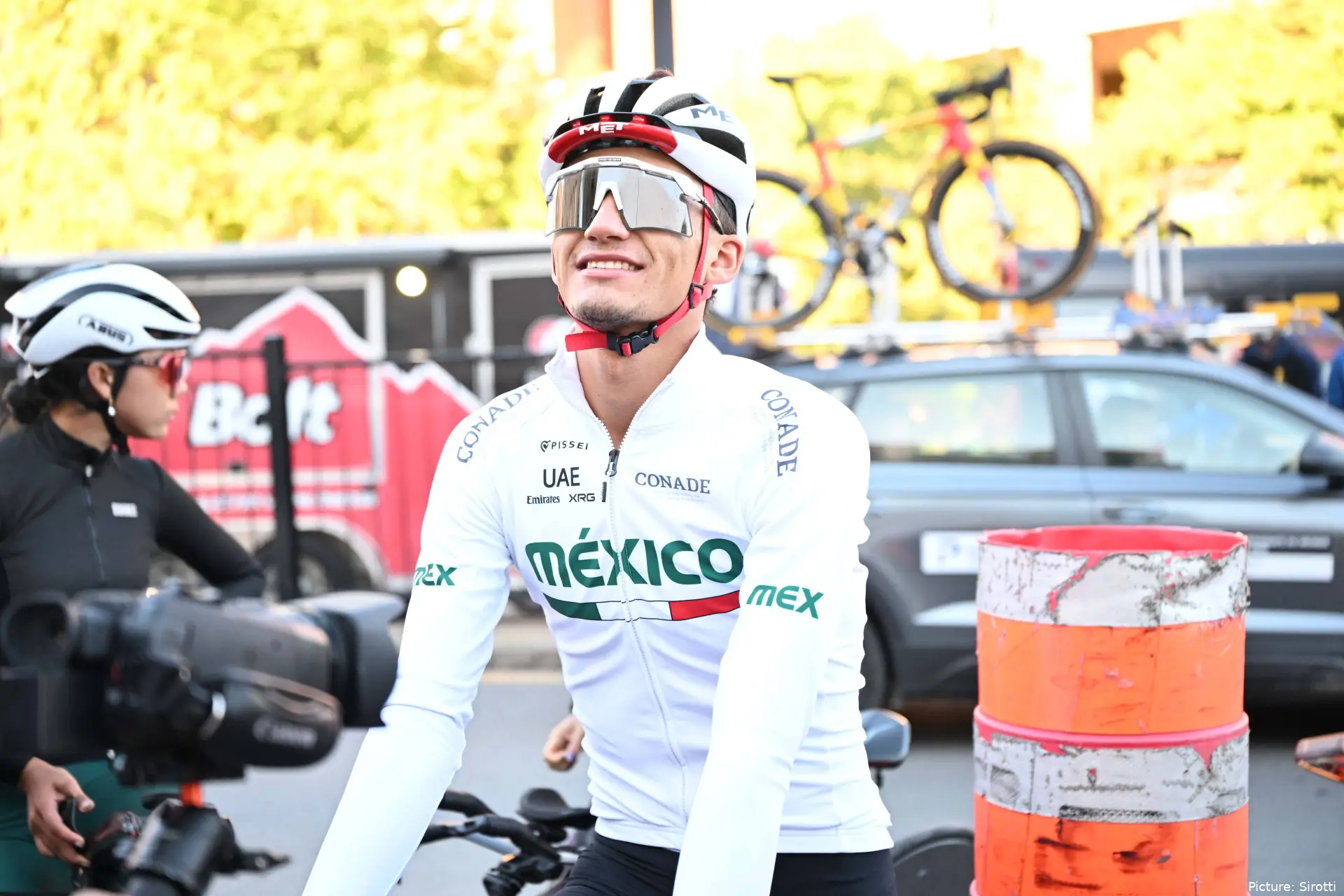
The 2027 cycling season will open with significant calendar changes. The return of the Tour de México and the launch of the Vuelta Ciclista a Canarias bring the professional start even earlier and will force teams to rethink their early-season preparation plans.
Although the Tour Down Under will remain the first WorldTour event, scheduled from 19.01 to 24.01, professional racing will begin several days earlier. The Vuelta Ciclista a Canarias will run from 14.01 to 17.01, while Mexico will also host a new one-day race and a stage race.
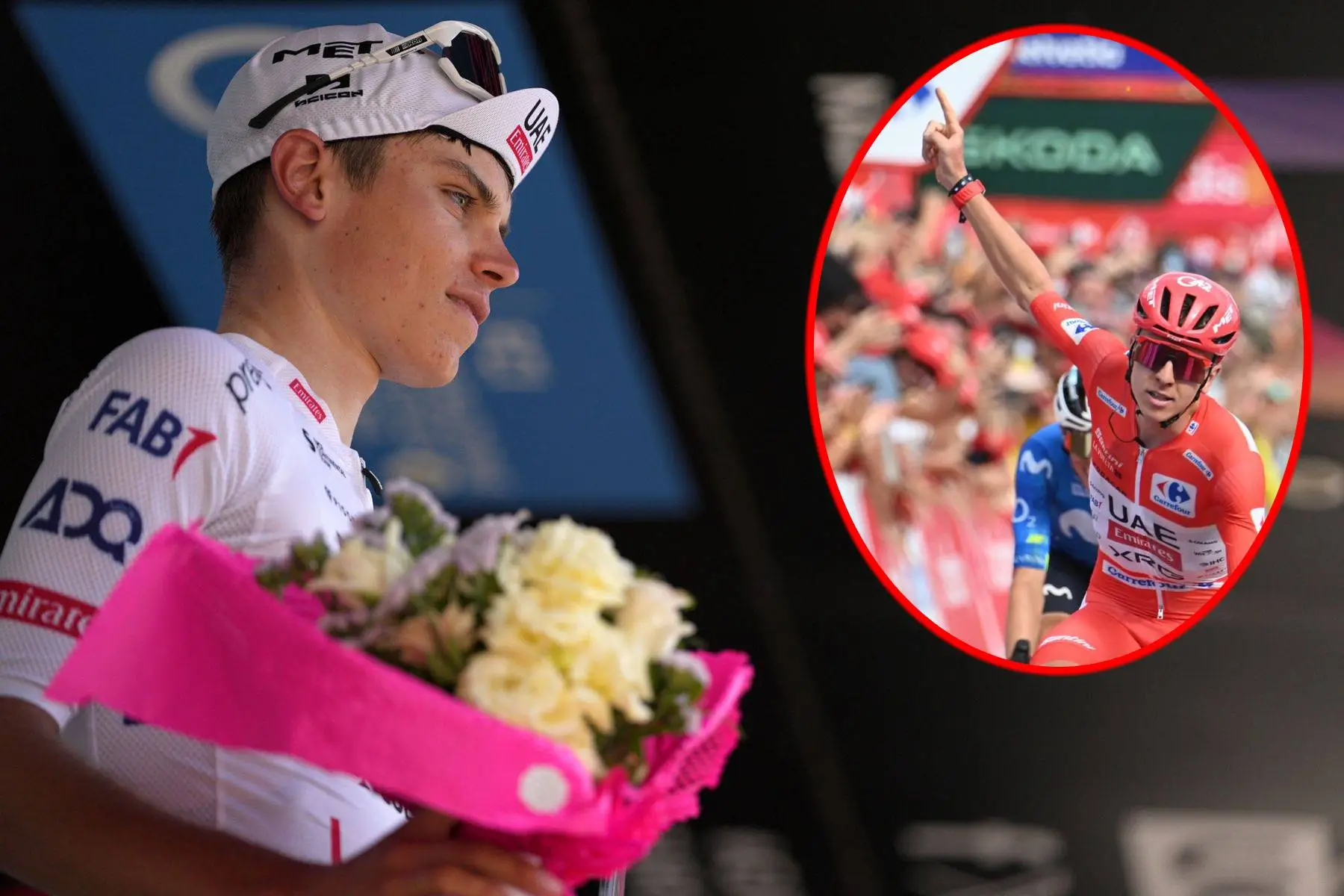
The comeback of Mexican races is directly linked to the sport’s growth in the country and the impact generated by Isaac del Toro. The UAE Team Emirates XRG rider has become the leading figure of Mexican cycling, and his profile could be decisive in driving these new events.
However, his presence at the North American races is not yet confirmed. In Montreal, Del Toro acknowledged the importance of these events, but his 2027 schedule still needs to be agreed with UAE Team Emirates XRG. A decision could come during the final races of the European season or at the team’s camp in the Emirates at the end of October.
Read also
Mexico regains prominence in January
Mexico’s new calendar will start on 17.01 with the Clásica de la República, a one-day race set in Mexico City. Two days later, the Tour de México will get underway, a stage race running through 23.01 that will allow teams to bank race days and UCI points from the opening weeks of the season.
The project revives the spirit of the former Vuelta a México, an event that achieved notable international prominence in the 1980s and 1990s, thanks in particular to Raúl Alcalá. Now, Del Toro’s rise and the new structure of the Federación Mexicana de Ciclismo aim to restore Mexico’s relevance on the international calendar.
The two new races were announced by Bernardo de la Garza, president of the Federación Mexicana de Ciclismo, and are already officially on the 2027 UCI calendar. The so-called MEX Tour will carry 2.1 status, while the Clásica de la República will be 1.1, opening the door to WorldTour and ProTeam participation.
In addition, both events will follow immediately after the Mexican Championships, scheduled from 08.01 to 10.01. The federation has dubbed this intense block “Crazy January”, a bid to concentrate top-level racing in the year’s first weeks and turn the country into one of the international cycling hubs in January.

Isaac del Toro after the 2026 Montreal World Championships.
Canary Islands also bring the calendar forward
The other major addition will be the Vuelta Ciclista a Canarias, set for 14.01 to 17.01. The race will feature four stages split between Gran Canaria and Tenerife and will have 2.1 status, enabling a field of WorldTour and ProTeam squads alongside Continental teams and national selections.
Its calendar slot could be especially attractive for teams. The chance to pair a training camp with racing will allow some outfits to bring forward their Spanish camps and exploit the islands’ weather to prepare for the season start.
The effect could be particularly significant for teams that traditionally hold winter camps on the mainland. The Canary Islands offer a favourable setting to train and race without waiting for the Tour Down Under or the first European fixtures in February.
Mexico is targeting a similar impact from a different angle. The country’s altitude and training conditions could persuade some teams to shift their January camps there and combine preparation with competition. With UCI points on the line from day one, 2027 could kick off with far greater intensity than usual.

Javier RampeCycling Journalist
Javier Rampe is a sports analyst with more than 15 years of experience. He holds a degree in Economics from the University of Rome and a Diploma in Business Studies from the University of Cádiz. Despite coming from an academic background not particularly associated with cycling, his passion for both cycling and journalism was instilled in him from an early age. He grew up following Miguel Indurain and José María “El Chava” Jiménez. An admirer of Michael Robinson’s communication style and journalistic approach, he was inspired to pursue a degree in Journalism at the University of Buenos Aires, which he is currently completing.
He has always maintained close ties with the worlds of sport and culture, contributing from a young age to sports blogs and film and music review websites. His work has appeared in media outlets such as Cope, RAI, and Radio Con Vos. He is also the founder of the cycling-focused podcast El Contraanálisis and the football interview channel Días De Fútbol, dedicated to conversations with professional footballers.
In addition to his work at Ciclismoaldia, Javier has interviewed some of the most influential figures in modern cycling, including Alejandro Valverde and Tadej Pogačar, as well as key voices in anti-doping policy such as Alberto Yelmo, David Varillas, and Marcelo Milano. Marcos Maynar, in relation to the ‘Operación Ílex’ case, is also among the personalities he has interviewed. He enjoys conducting in-depth analysis of the cycling ecosystem and has attended major events such as Strade Bianche, the Vuelta a Andalucía, and Itzulia, as well as numerous national cyclo-cross races.
His background in economics, combined with extensive experience in marketing and corporate communications, drives his continuous study of positioning strategies and ensures that he always keeps his focus on crafting compelling and evocative headlines.
claps 1visitors 1
Just in
Popular news

Latest comments
- for what?frieders311-11-2026
- Blah blah blah!frieders311-11-2026
- Where Merckx just rode every single race he could and won all the time, Hinault won less often (percentage wise) because he was more judicious in what he raced. His palmares are nuts. He had amazing rivals, one to start his career and another to end it in the grand tours. His classics were solid. What sets him apart from Merckx and Pogačar are that he basically dabbled in the classics while the other two love(d) them. I used to compare Pogačar to Hinault for his grand tour record and occasional classics win, until I realized that the comparison was wrong. Pogačar loves the classics - ah, the memory of his reaction to finishing fourth in a 2 person sprint in Flanders in ‘22: utter domination in any one day race since then, even when he doesn’t win. Hinault lived for the grand tours and I don’t think anyone else will ever reach his record. 10 wins in 13 attempts? Good lord. An amazing rider. Wish there was more footage to watch.RidesHills11-11-2026
- I had no idea about that either.
 santiagobenites10-11-2026
- great analysis thanks! appreciate you posting this. I didn't realize CX had a different standard for deviation. this is even more egregious it seems.mij10-11-2026
- As he isn't currently with Red Bull, I guess if he want to race for one more year he needs to find a team. He's 37 so this will be his last year I would guess, unless he wants to race for almost nothing like Froome did.awp10-11-2026
- I think some are making much ado about nothing. Even though Jonas is getting older, before his crash in the Tour, he looked like a solid 2nd all the way home. No one can really climb with Tadej until this year, Eric Mas showed himself which I think was a one off year for him and Paul Seixas has been able to be pretty close to him. Whatever stage race Jonas enters as long as Tadej is not there he is a favorite to win.awp10-11-2026
- Giro or not Giro, he won't win the Tour!MajorPayne10-11-2026
- Very true.awp10-11-2026
- Ciccone had a very strong end of season. Consistently attacking and livening up races. Hope he makes that last leap in progress and starts notching some significant wins. Great rider to watch.Occam10-11-2026
Loading
1 Comments