Mattias Skjelmose challenges Juan Ayuso’s leadership: Lidl-Trek’s big dilemma for the Vuelta a España
Cycling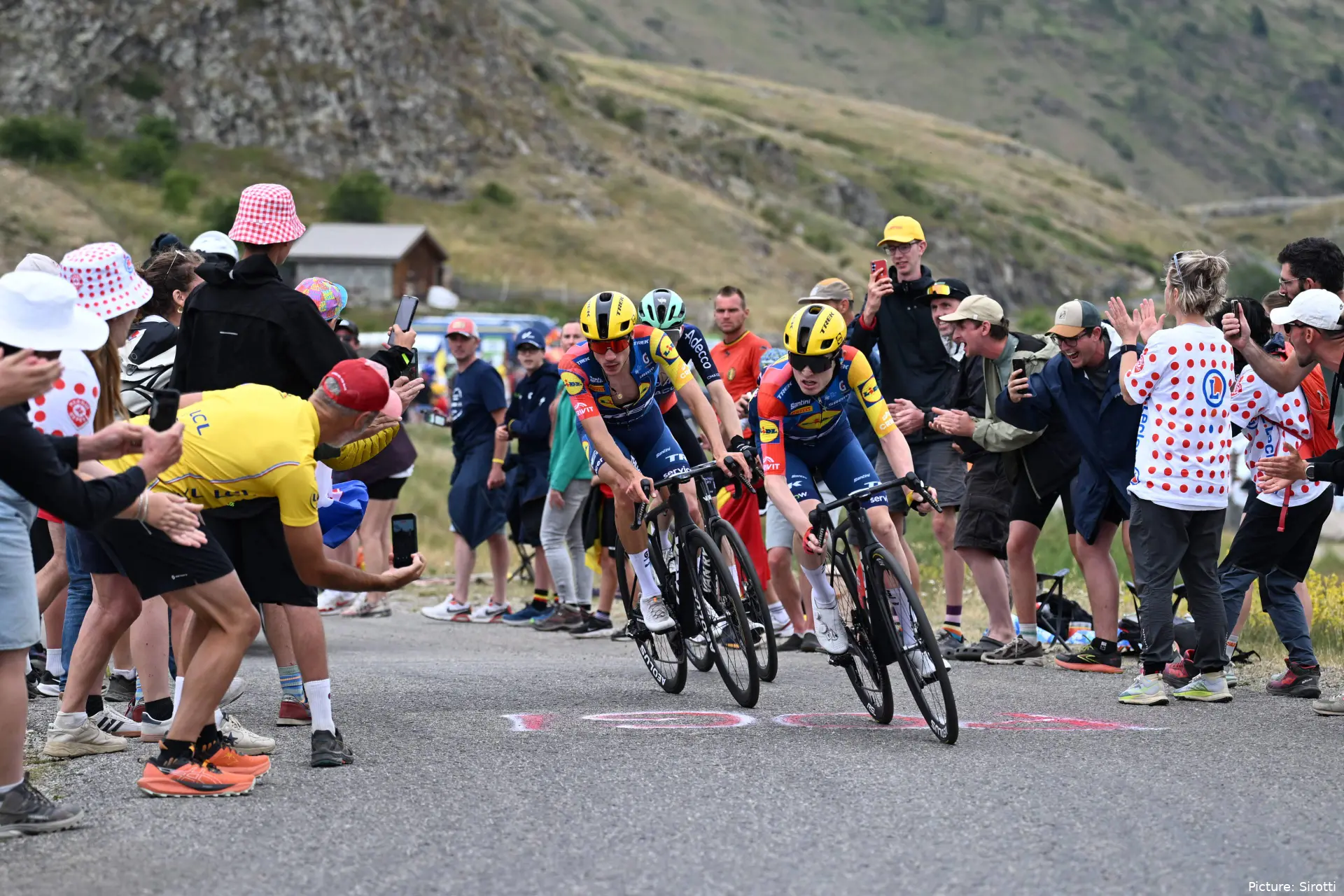
Juan Ayuso arrived at the 2026 Tour de France as Lidl-Trek’s big bet for a Paris podium. The American outfit had built much of its project around the Spaniard, convinced that, at 23, he was ready to make the definitive leap among the overall contenders. The three weeks, however, told a far more complex story.
Ayuso finished seventh, short of expectations and, perhaps more telling for the future, behind his own teammate Mattias Skjelmose, who had started the race in a clearly secondary role.
Beyond the final standings, the Tour’s outcome sparks a debate that could shape Lidl-Trek’s sporting direction over the coming months. Who should be the true leader when both line up at a Grand Tour? And looking ahead to the Vuelta a España, an even more delicate question emerges: if Skjelmose goes as outright leader after outperforming in France, should Ayuso accept a support role with freedom to chase stage wins?
The situation recalls other major dilemmas in modern cycling. Teams try to house multiple stars, but when form converges, internal competition inevitably surfaces. In Lidl-Trek’s case, that rivalry may be much closer than it seemed barely a month ago.
Ayuso did not hide his disappointment at the Tour’s end. The Spaniard admitted his main goal was “to step onto the podium in Paris,” a dream that faded as the Alpine stages wore on. While he highlighted the team victory in the squads classification and Luca Guercilena’s emotional farewell, he conceded his personal result fell well short of his ambitions.
His reflection was notably self-critical. The Valencian explained he never found the sensations he had during a brilliant start to the season, before crashing at Paris–Nice. “At no point in this Tour did I feel like the rider I wanted to be,” he confessed, regretting that he could not show the step forward he believed he had taken compared with last year.
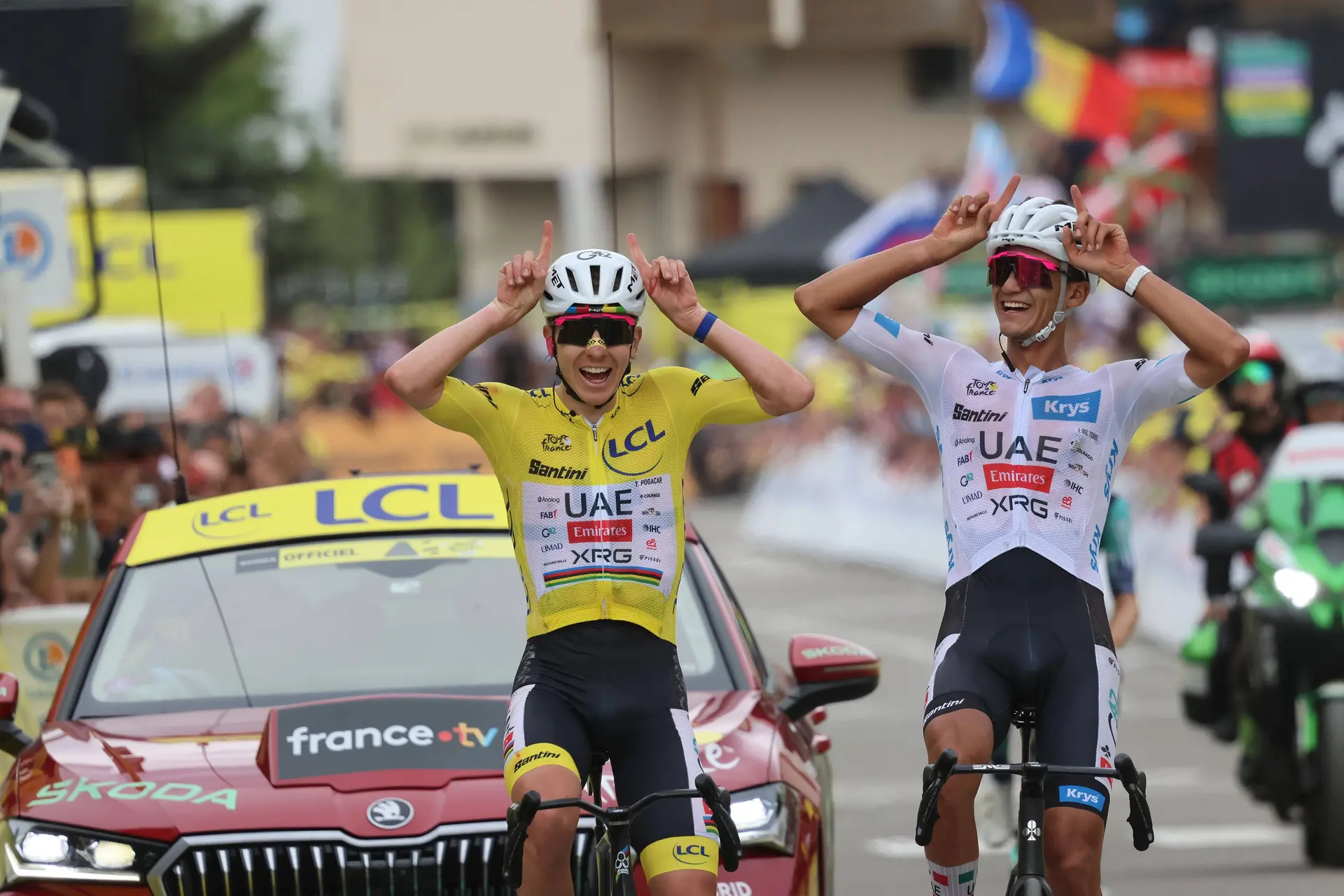
Juan Ayuso leaves doubts across the three weeks
The problem, however, goes beyond a one-off dip in form. For a second straight Tour, Ayuso lost competitiveness as the weeks progressed. In the first half he again sat among the best climbers and seemed to consolidate as a podium candidate, but accumulated fatigue took its toll. The pattern repeated itself almost stage by stage until he eventually slipped behind Skjelmose. And that is where Lidl-Trek’s real dilemma begins.
The Dane arrived with a far quieter brief. On paper he was to be Ayuso’s key lieutenant in the mountains, protect him in decisive moments, and keep his podium chances alive. The race, however, flipped the script. As the Spaniard faded, Skjelmose grew into an extraordinarily solid Tour, enough to finish ahead of the man who, on paper, was his leader.
This was not about a one-off stage win or a tactical quirk. It was superiority built in the final days, precisely when a Grand Tour separates the exceptional from those still seeking consolidation.

Skjelmose gives Lidl-Trek a third major threat in this Tour
Mattias Skjelmose shows stronger endurance traits
For a sports director, signs like these rarely go unnoticed. Lidl-Trek must now decide whether to keep the pre-Tour hierarchy intact or pivot towards shared leadership. Logic suggests Ayuso remains a cornerstone of the project. His talent is still exceptional and, at just 23, he has time to evolve physically and address the shortcomings he himself acknowledges.
But cycling lives as much in the present as in the future. And right now, the latest head-to-head clearly tilts towards Skjelmose. That scenario gains weight with the Vuelta in mind. The Spanish route appears well suited to the Dane’s characteristics, and he will arrive buoyed by his French campaign. If the team grants him outright leadership, Ayuso’s role becomes less clear.
From a strictly sporting perspective, it might even be more beneficial for the Spaniard to start without the pressure of the general classification. Freed from that burden, he could regain sensations, chase stage wins, and play a decisive role in the mountains for Skjelmose.
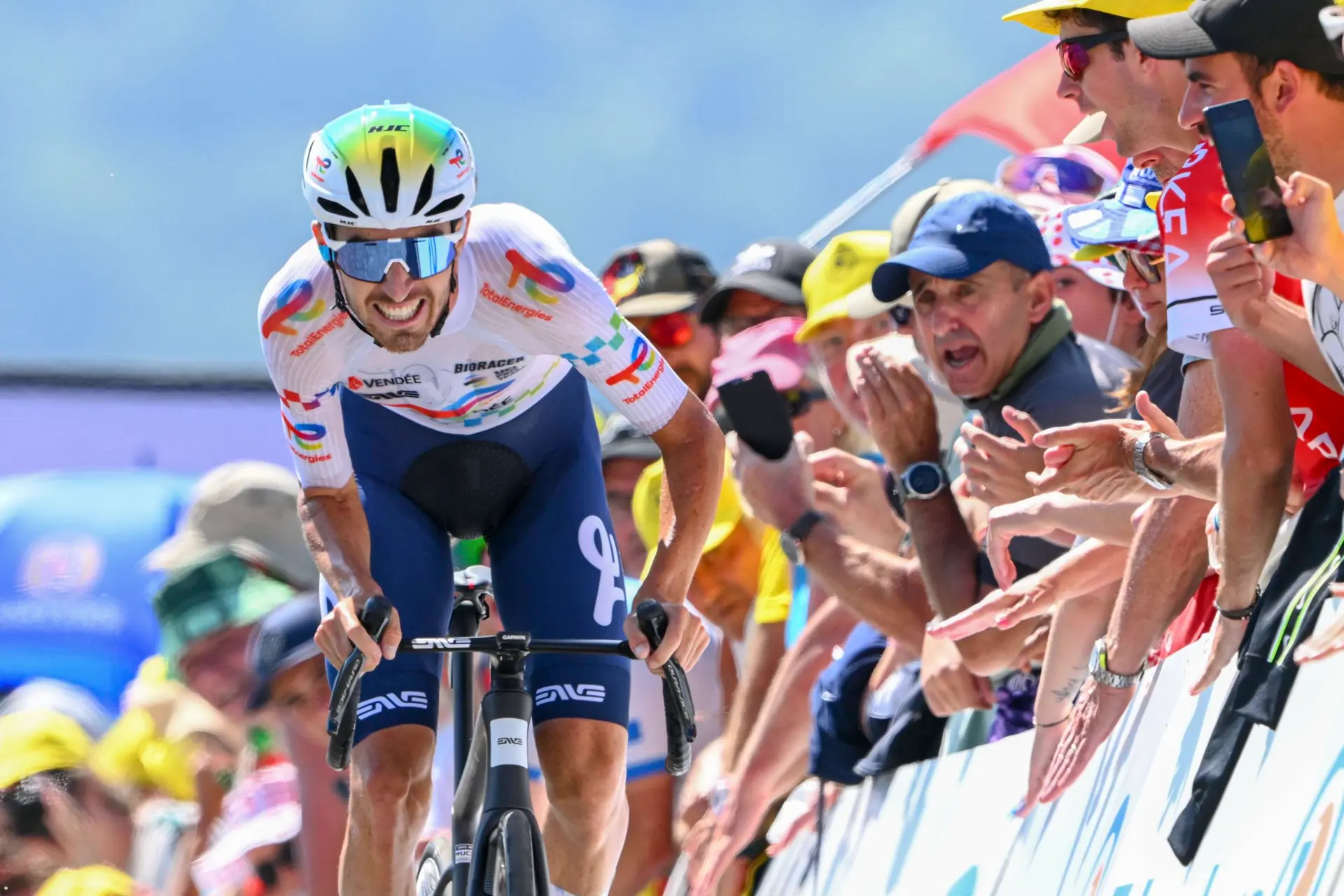
La Vuelta, a stage where Ayuso can shine with freedom
A plan that, far from feeling like a punishment, could be a smart way to rebuild the confidence of a rider who still has many years ahead of him. Moreover, Ayuso has repeatedly shown he has a huge knack for winning punchy stages and one-week races. Perhaps a Vuelta with greater tactical freedom would help him enjoy the bike again, regain the snap he lost after Paris–Nice, and reach 2027 with renewed certainty.
Naturally, that path would also demand a major display of humility from the Spaniard. It is not easy to go from outright leader to super-domestique in a matter of weeks. Yet it would hardly be the first time a top champion has used that kind of experience to come back even stronger. Cycling is full of riders who temporarily accepted a secondary role before reclaiming leadership on the strength of their results.
For Lidl–Trek, it would not be a risk-free call either. Managing two riders of such level—and self-belief—always requires a delicate balance to avoid internal tension. If Skjelmose confirms his growth and Ayuso finds his best version, the team will likely have one of the strongest pairings in the peloton. But if the hierarchy is not clearly defined, rivalry could become a problem.
The 2026 Tour de France delivered more than a seventh place for Juan Ayuso and an outstanding performance by Mattias Skjelmose. It also opened a debate that will likely follow Lidl–Trek through the entire second half of the season. Because, for the first time since the Spaniard joined the team, there no longer seems to be a single, undisputed leader.
La Vuelta could become the first major test of a sporting coexistence that will shape the future and potential success of the American outfit.
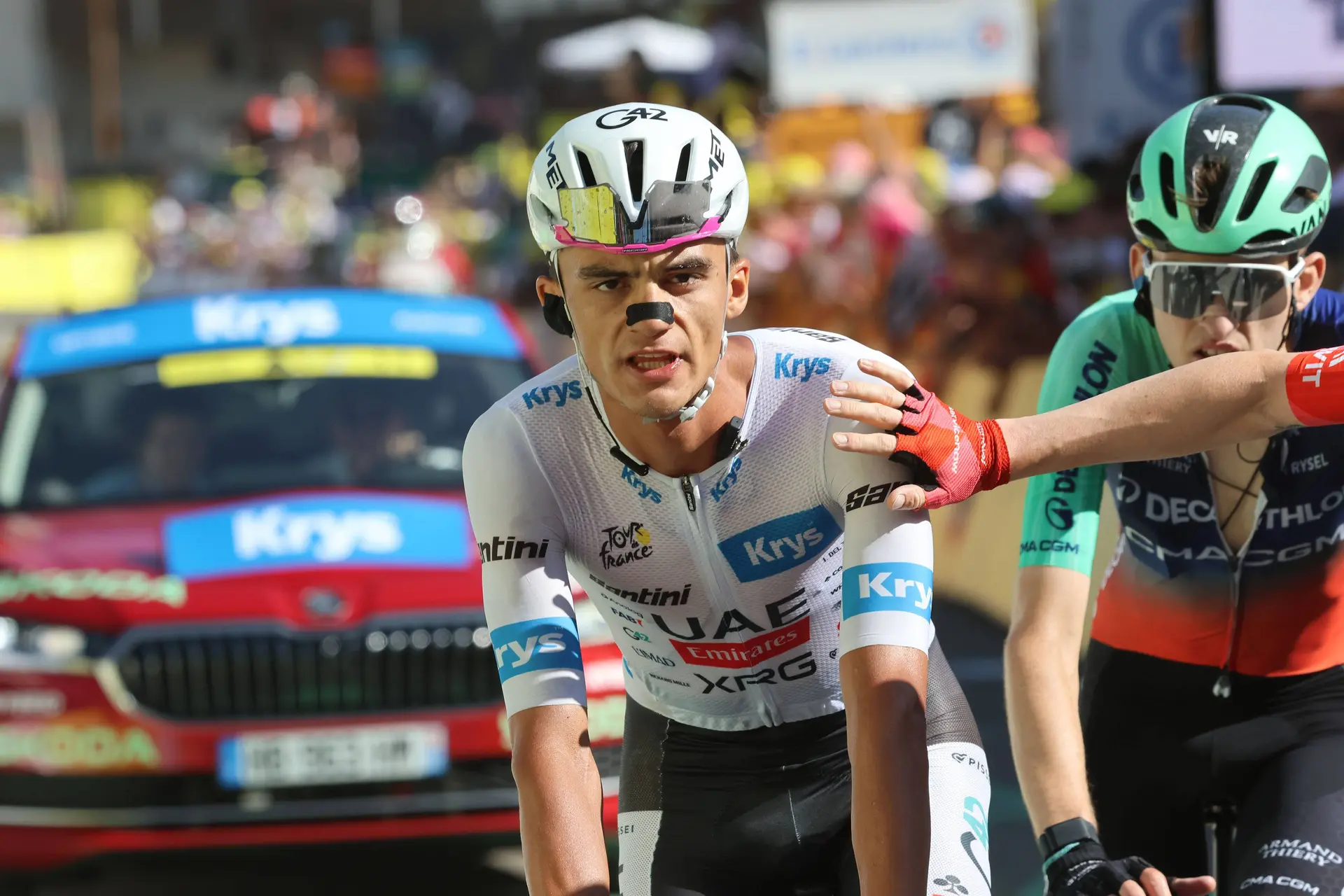
Top 10 results for Juan Ayuso and Mattias Skjelmose in 2026
| Juan Ayuso | Mattias Skjelmose | |
| 1 | 🥇 1st Volta ao Algarve – General classification | 🥈 2nd Amstel Gold Race |
| 2 | 🥇 1st Volta ao Algarve – Stage 5 | 🥈 2nd Itzulia Basque Country – Stage 2 |
| 3 | 🥈 2nd Tour Auvergne–Rhône–Alpes – Stage 7 | 🥉 3rd Tour de France – Stage 16 (ITT) |
| 4 | 🥈 2nd Tour Auvergne–Rhône–Alpes – Stage 8 | 4th Tour de France – Stage 1 (TTT) |
| 5 | 🥈 2nd Volta ao Algarve – Stage 2 | 4th Tour Auvergne–Rhône–Alpes – Stage 8 |
| 6 | 🥈 2nd Volta ao Algarve – Stage 3 (ITT) | 4th Tour Auvergne–Rhône–Alpes – Stage 3 (TTT) |
| 7 | 🥈 2nd Paris–Nice – Stage 3 (TTT) | 5th La Flèche Wallonne |
| 8 | 🥉 3rd Tour Auvergne–Rhône–Alpes – General classification | 5th Faun–Ardèche Classic |
| 9 | 4th Tour de France – Stage 1 (TTT) | 5th Tour de France – Stage 2 |
| 10 | 4th Tour Auvergne–Rhône–Alpes – Stage 3 (TTT) | 6th Tour de France – General classification |
Juan LarraCycling Journalist
Juan Larra is a writer for Cyclinguptodate and editor-in-chief of Ciclismoaldia, where he has played a central role since its inception. Under his leadership, the website has become a trusted source for professional cycling coverage, offering in-depth analysis, news, and feature stories.
A sports journalist with over 20 years of experience, Juan earned his degree in Journalism from the University of Seville in 2007. He began his career covering a wide range of sports—including football, basketball, Formula 1, MotoGP, tennis, and cycling—for platforms such as the official La Liga app, Vodafone and Movistar websites, NBA Blogdebasket, and Cadena Cope, honing his skills in writing and editorial management.
In addition to his work at Ciclismoaldia, Juan contributes to Cyclinguptodate and serves as editor-in-chief for the tennis-focused site Tenisaldia. Throughout his career, he has conducted exclusive interviews with cyclists and sports figures, provided detailed analysis of competitions ranging from local Spanish races to major international events, and acted as a special correspondent at prestigious races including Paris-Roubaix, the Tour de France, and the Vuelta a España.
Juan’s combination of experience, expertise, and direct access to athletes has established him—and the platforms he leads—as authoritative voices in professional cycling.
claps 2visitors 2
Just in

Popular news
Latest comments
- "And we’ll avoid rushing from race to race"...LOL he took all that time off between the end of the Tour and the Canadian one day races ! That got him one win and a failed worlds RR title ! Only thing he got a was TT titles and a Euro championship against a weak field !frieders321-10-2026
- Rasmussen hasn't been relevant for years and that's only because he was booted out of the tour wearing the yellow due to failed doping !frieders321-10-2026
- Yep Pogi can't win the Vuelta if he doesn't cross the finish line in stage 21! PogiFanStalker can't seem to understand that.frieders321-10-2026
- This PogiFanStalker can't seem to help himself with his constant nonsensical comments here.frieders321-10-2026
- Only thing boring here is reading your constant drooling comments about him!frieders321-10-2026
- So much clickbait hereDAS21-10-2026
- Yes, this site has truly become a joke... and about 3/4 of the commentators. For most of them UAE are dopers and Pogi is boring??? They're brainwashed and want Pogi out of cycling.... because he's boring. Yes, in their f***ed up brains, Pogi is the G.O.A.T. ... but he's boring???????PogiSloFans20-10-2026
- As long as the anti doping agencies are on the up and up and doing all they can I can live with the world we now live in without suspicion lurking in the back of my mind all the time.
 Brucegel20-10-2026
 - The message to honour the leaving Felix Gall's performances was more enthusiastic
 Rafionain-Glas20-10-2026
 - "We all know he would have won by a big margin if he didn't crash out." But he did crash out, so why does it matter?Rafionain-Glas20-10-2026
Loading
1 Comments