"How can a Tadej Pogacar victory be a surprise?” - Unique win for UAE leader at Vuelta a España as analyst sends stark warning
Cycling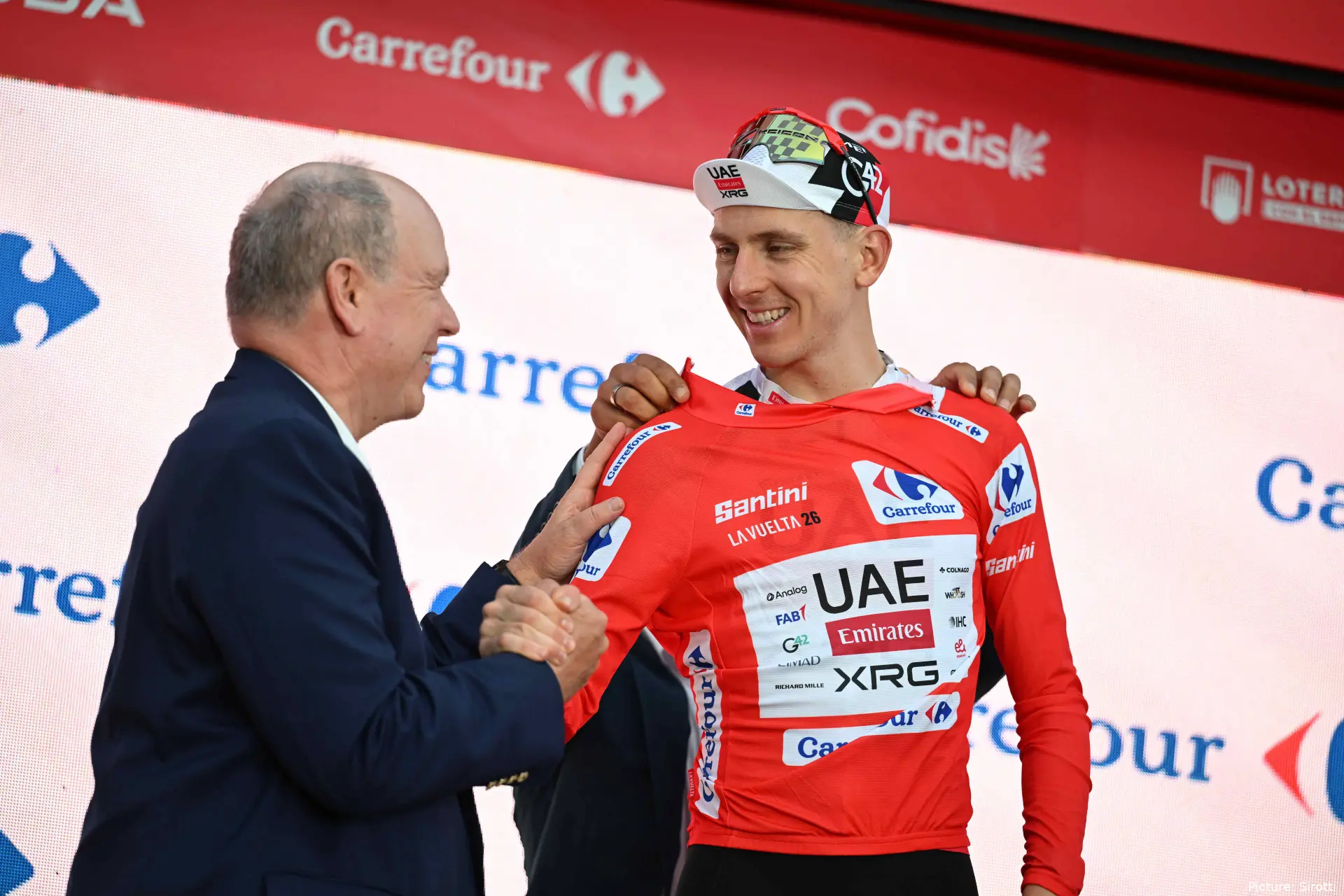
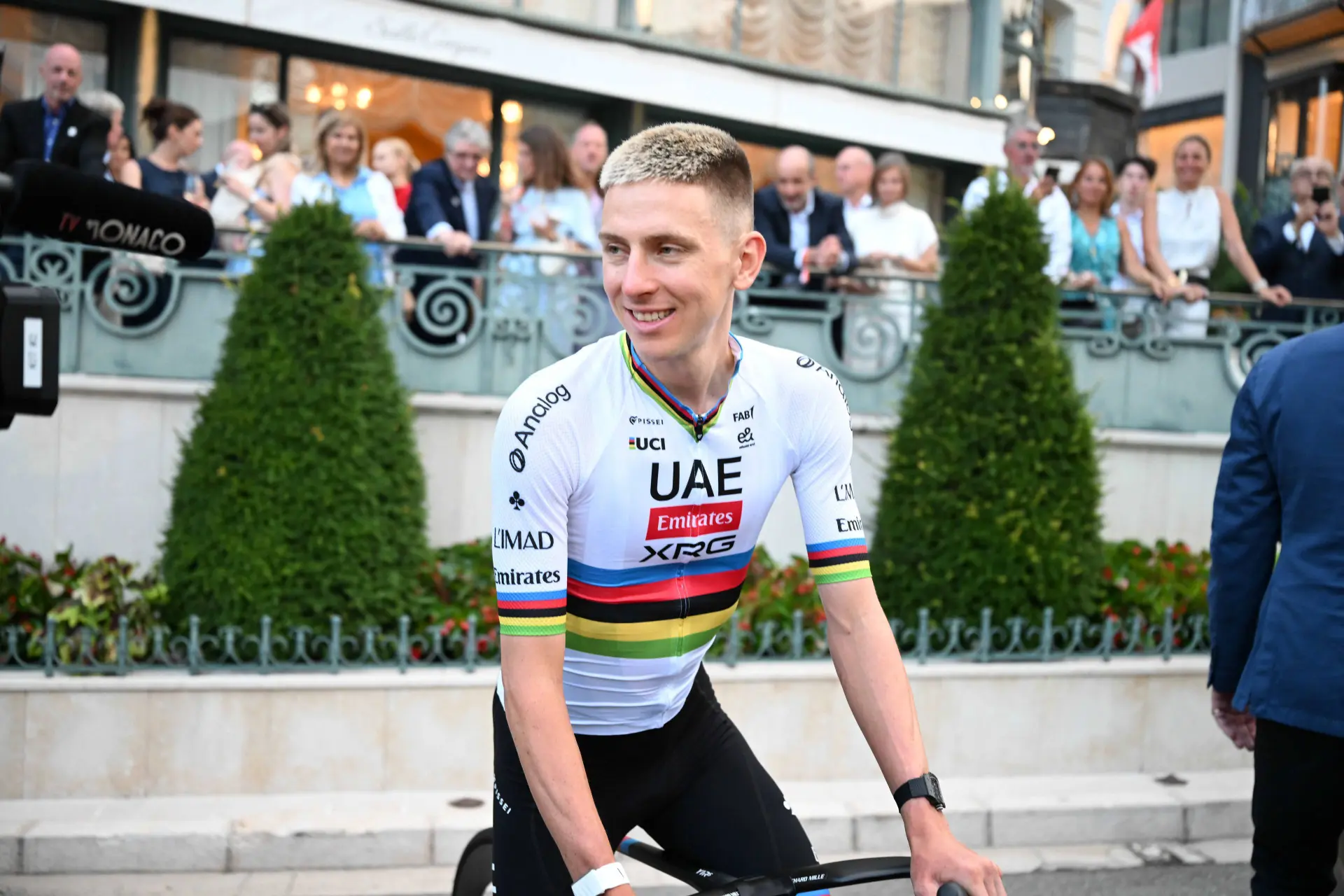
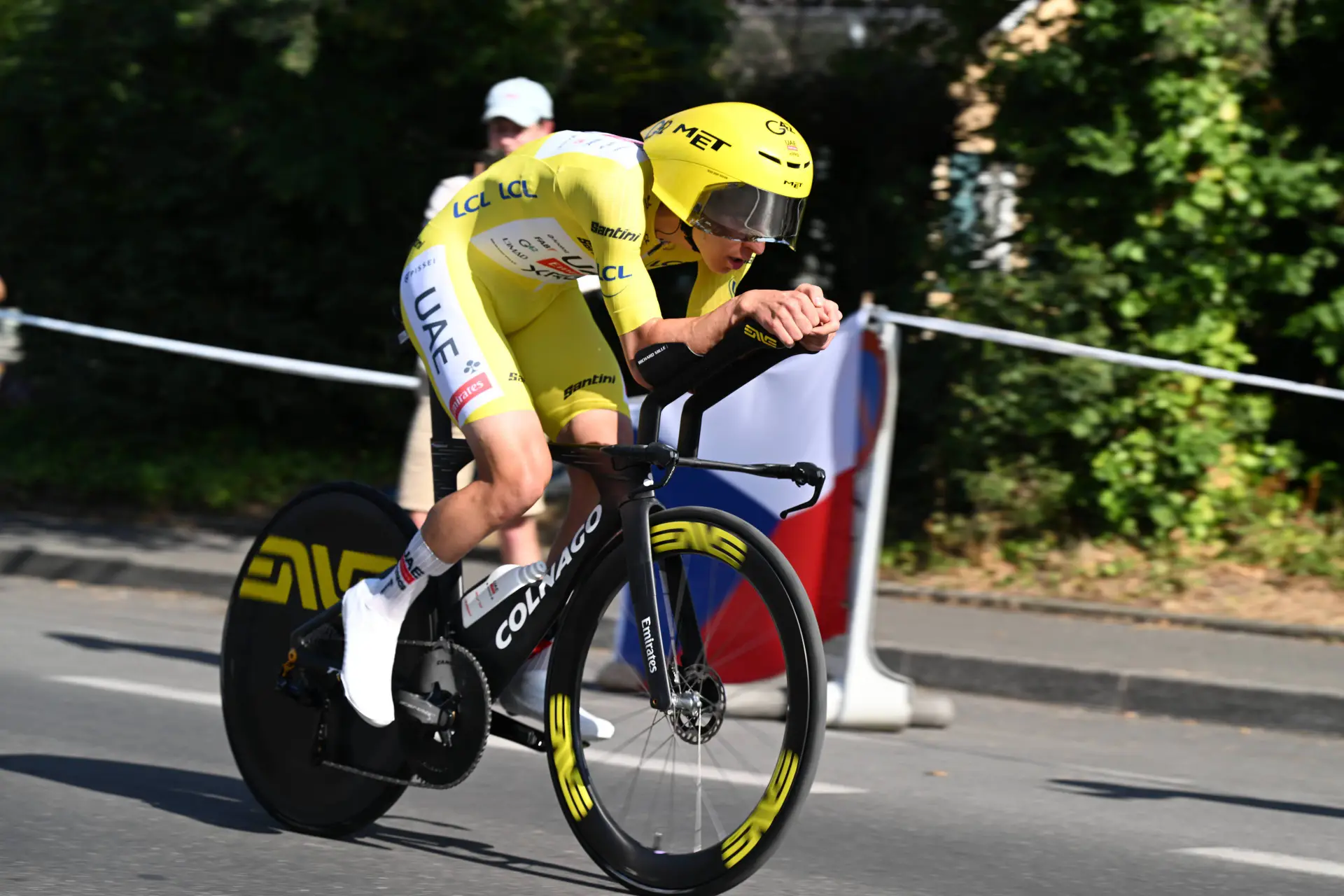
The Vuelta a España 2026 opened with an individual time trial in the Principality of Monaco and with Tadej Pogacar as the race’s first leader. In his post-stage analysis on his YouTube channel, expert Javier Ares focused on the course’s technical difficulty and on the fact that the overwhelming favourite for the general classification began by laying down the law. For the journalist, the win was especially meaningful given the profile and the risk of tackling it at full speed.
Ares acknowledged that Pogacar’s victory could seem logical, but he stressed there was something surprising about it: “It was surprising. Someone will say, how can a Tadej Pogacar victory be a surprise?”.
The commentator felt that Pogacar has all those qualities, yet he started from a peculiar position: he was the top favourite to win a Vuelta that was still missing from his palmarès and, precisely for that reason, it did not seem necessary to take excessive risks from day one.
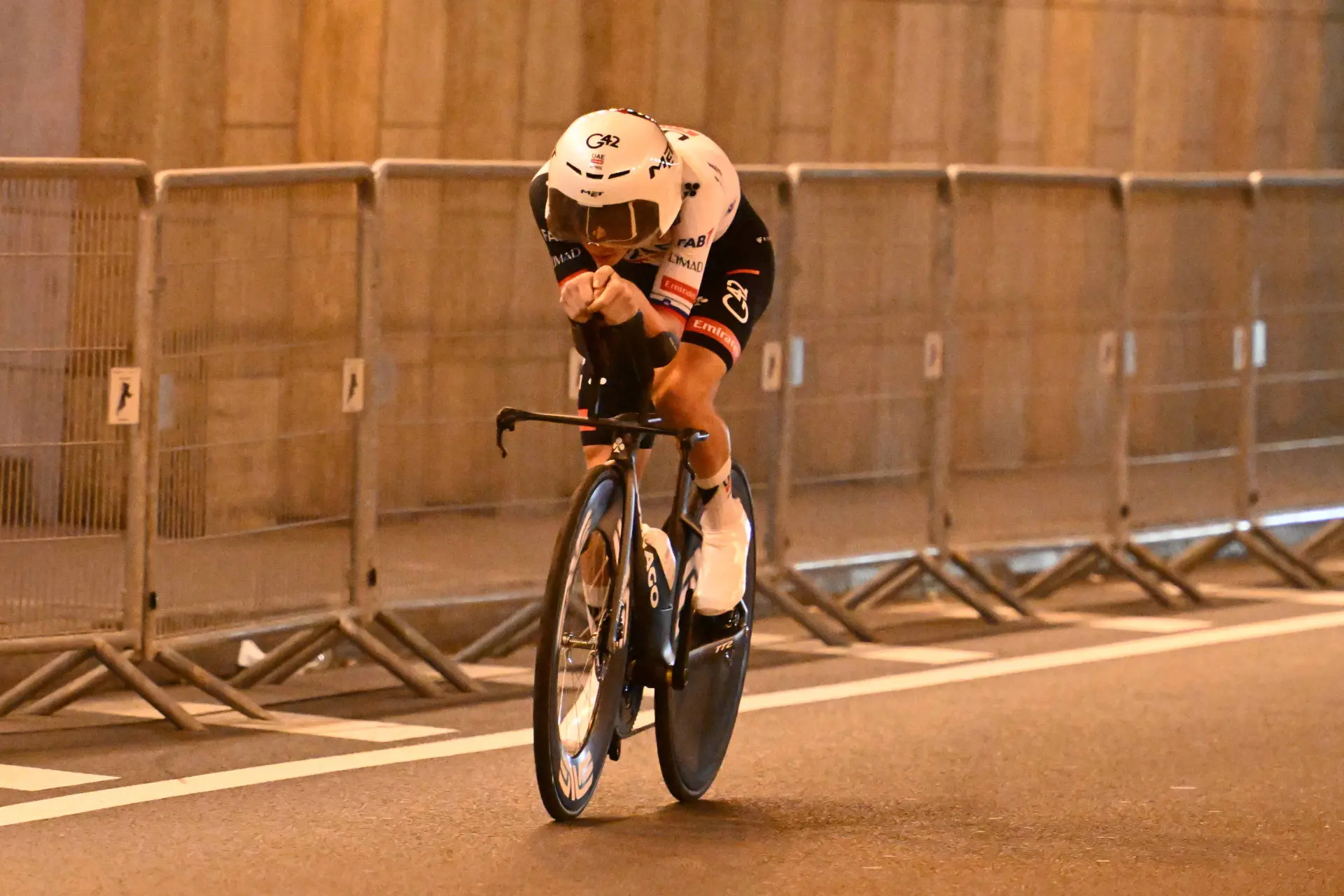
Even so, the context ultimately played into the UAE leader’s hands. The race began on terrain Pogacar knows especially well and where, according to Ares, he could count on an extra edge from his familiarity with the route. “When they gave him the splits on the first part and he saw he was only three seconds down on the best time at that point,” he explained, Pogacar must have lifted the pace and once again showed his immense power and his ability to carve through the corners.
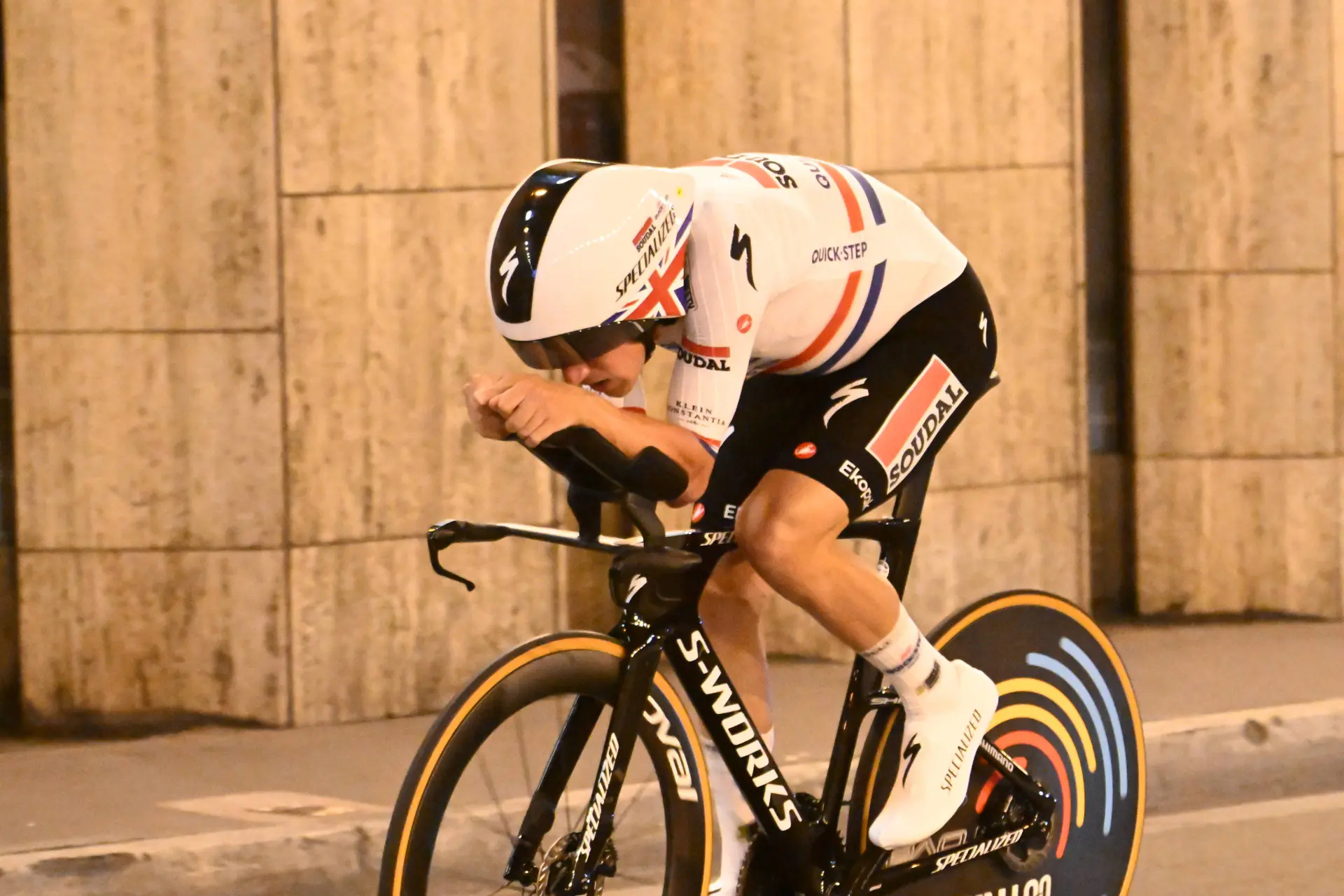
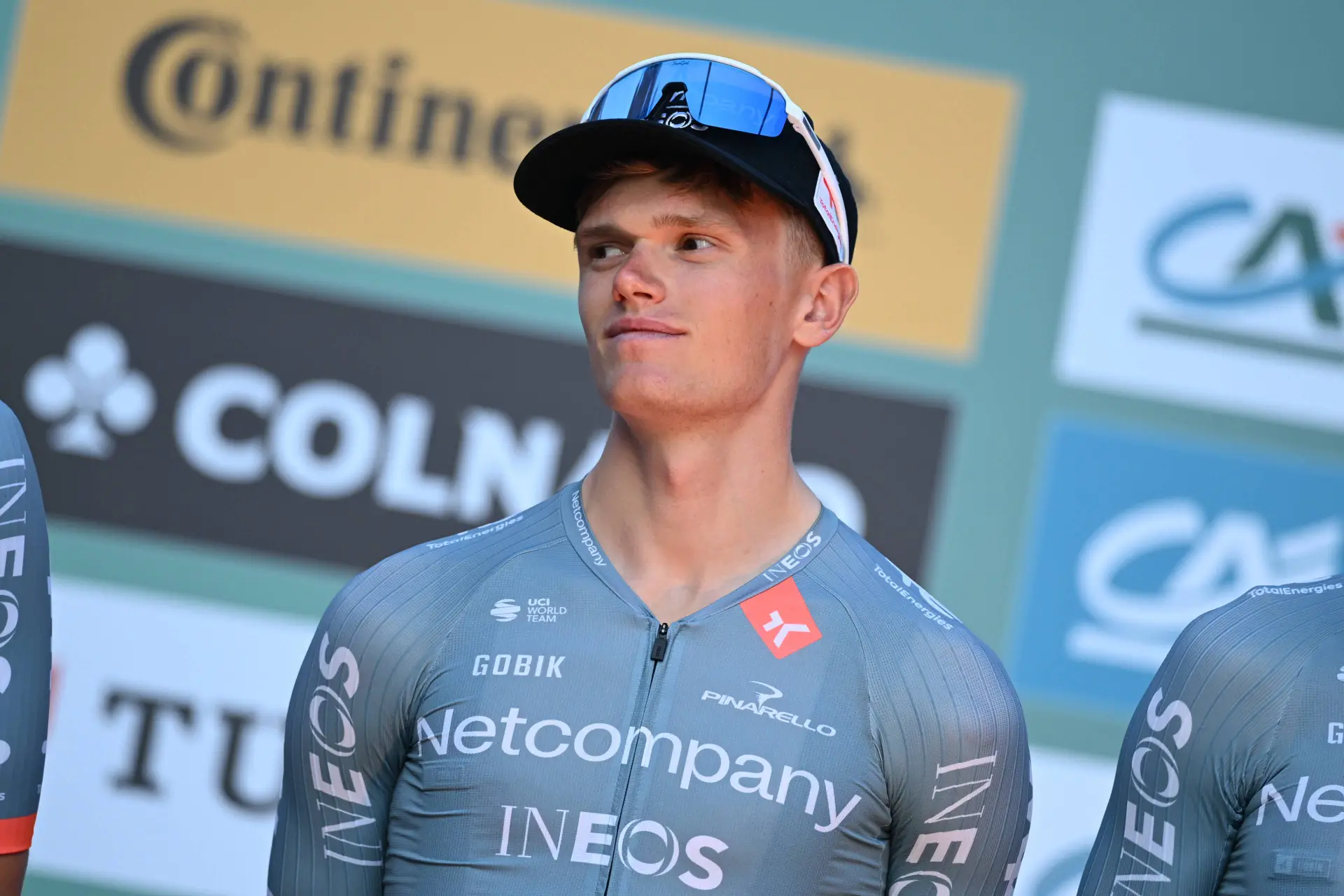
One of the day’s standout riders was Ethan Hayter, who delivered an exceptional time trial and set the benchmark for the stage. Ares highlighted the way the rider handled each bend, to the point of comparing him to a motorcycle racer: “Taking the corners as if he were Marc Márquez.” For the journalist, the images showed just how much the course demanded extraordinary technique.

Tadej Pogacar
Pogacar lifted the pace in finale
Hayter reached the line with a time that looked set to give him the win. But the big favourites were still to finish and, in the second half of the route, the corners multiplied. Pogacar then appeared to overhaul the benchmark rider and take the victory by a few hundredths. Ares summed up the finale like this: “Pogacar has shown up and won by hundredths, to the despair of his rival Ethan Hayter.”
For Ares, Hayter’s defeat also carried a special weight because the rider had been so close to achieving something extraordinary for someone with his profile: pulling on the leader’s jersey of a Grand Tour. “He had it so close that it must have been not disappointing, but frustrating, absolutely frustrating, to see how Pogacar snatched it by hundredths of a second,” he said. The line captures the gulf between brushing victory and watching the favourite prevail at the last moment.
Pogacar’s ride gained even more value. Ares stressed that the Slovenian was exactly where he needed to be because “he is the best, because he is number one, and because there was nothing to answer.” The win allowed him to start the Vuelta with an immediate advantage over his main rivals and to confirm from day one that his aim of completing the triple crown was more than just a statement of intent.
Read also
Disappointment for Iván Romeo
Among the Spaniards, Ares found Iván Romeo’s ride disappointing, though he noted that the course particularly penalised heavier, less explosive specialists. He also mentioned Pablo Torres, Carlos Rodríguez, and Xavier Miquel Azparren, while noting that Enric Mas finished on the same time as Richard Carapaz, who produced a solid time trial.
Beyond specific placings, Ares urged caution in drawing conclusions about the general classification. The gaps among many favourites were still small and the race had barely started. “Everything is within a very small time window, 20, 30 seconds,” he said, before insisting that such a demanding time trial should not yet be used to make big calls on the final standings.
The immediate consequence was that Pogacar would start stage 2 in red and with enough of a cushion over the sprinters to make it very hard for bonuses to change the lead. Ares, however, refused to speculate too early on whether the Slovenian could wear red for the full three weeks: “Let’s put conjecture to one side and take it day by day.”
The journalist also floated the possibility that Pogacar could keep red for several days, especially with demanding uphill finales and mountains looming. “It’s very likely that Pogacar keeps red tomorrow and even strengthens it on Monday and Tuesday,” he said. However, Ares reminded that defending the lead for 21 days takes a toll that the top favourite might not need.
The Vuelta remains compelling
Hence his personal forecast was that at some point a break could seize the lead and allow UAE to reduce the burden of controlling the race. “I’d lean more towards that, but rather than conjecture, better to watch how the race unfolds day by day,” he explained. For Ares, the key would be seeing which teams and riders were willing to shoulder the responsibility of defending their positions and policing the breakaways.
The win in Monaco also added an element that, in Ares’s view, benefits the Vuelta itself. “I don’t want to oversell it, I don’t want to spin a yarn, I don’t want to think up other stories,” he said, before explaining that Pogacar leading from day one was a major draw for the race and its international reach.
The journalist concluded by arguing that Pogacar’s dominance does not automatically make the Vuelta a dull race. On the contrary, he believes there can be other storylines and objectives among riders fighting for secondary positions. “I think it’s a very attractive, very interesting Vuelta,” he said, convinced that even with a dominant Pogacar the race can deliver a highly engaging edition.
Juan LarraCycling Journalist
Juan Larra is a writer for Cyclinguptodate and editor-in-chief of Ciclismoaldia, where he has played a central role since its inception. Under his leadership, the website has become a trusted source for professional cycling coverage, offering in-depth analysis, news, and feature stories.
A sports journalist with over 20 years of experience, Juan earned his degree in Journalism from the University of Seville in 2007. He began his career covering a wide range of sports—including football, basketball, Formula 1, MotoGP, tennis, and cycling—for platforms such as the official La Liga app, Vodafone and Movistar websites, NBA Blogdebasket, and Cadena Cope, honing his skills in writing and editorial management.
In addition to his work at Ciclismoaldia, Juan contributes to Cyclinguptodate and serves as editor-in-chief for the tennis-focused site Tenisaldia. Throughout his career, he has conducted exclusive interviews with cyclists and sports figures, provided detailed analysis of competitions ranging from local Spanish races to major international events, and acted as a special correspondent at prestigious races including Paris-Roubaix, the Tour de France, and the Vuelta a España.
Juan’s combination of experience, expertise, and direct access to athletes has established him—and the platforms he leads—as authoritative voices in professional cycling.
claps 0visitors 0
Just in

Popular news
Latest comments
- I like Remco but even I'll admit he didn't get anywhere close to Pogacar, just like everyone else.megasmacky23-10-2026
- That's what y'all said this year, "remco will come fifth"bruins3022-10-2026
- That used to be the norm, 100 kms of TTs. Now look at the '87 route...acem8222-10-2026
- Well, crashes can happen, so it's not impossible...acem8222-10-2026
- that would be kinda cool. there is a lot of untapped potential. which I'm sure the UCI will overlook. in order to get sock length correct.mij22-10-2026
- Nice! Now Remco can finally show that he cannot win the Tour!!! 😂😂😂PogiSloFans22-10-2026
- Nice! Now Remco can finally show that he cannot win the Tour. 😂PogiSloFans22-10-2026
- 10 K or 100k , Pogi will gain the same amount of time on Remco No balls in 1 stage. All this shows is that they have run out of ideasabstractengineer22-10-2026
- BenAflec, good one! LOL!MajorPayne22-10-2026
- Nearly! LOL!MajorPayne22-10-2026
Loading
Write a comment