“It’s not about the heat, they’re too quick to climb off” - Contador has a theory on why so many are abandoning the Vuelta a España
Cycling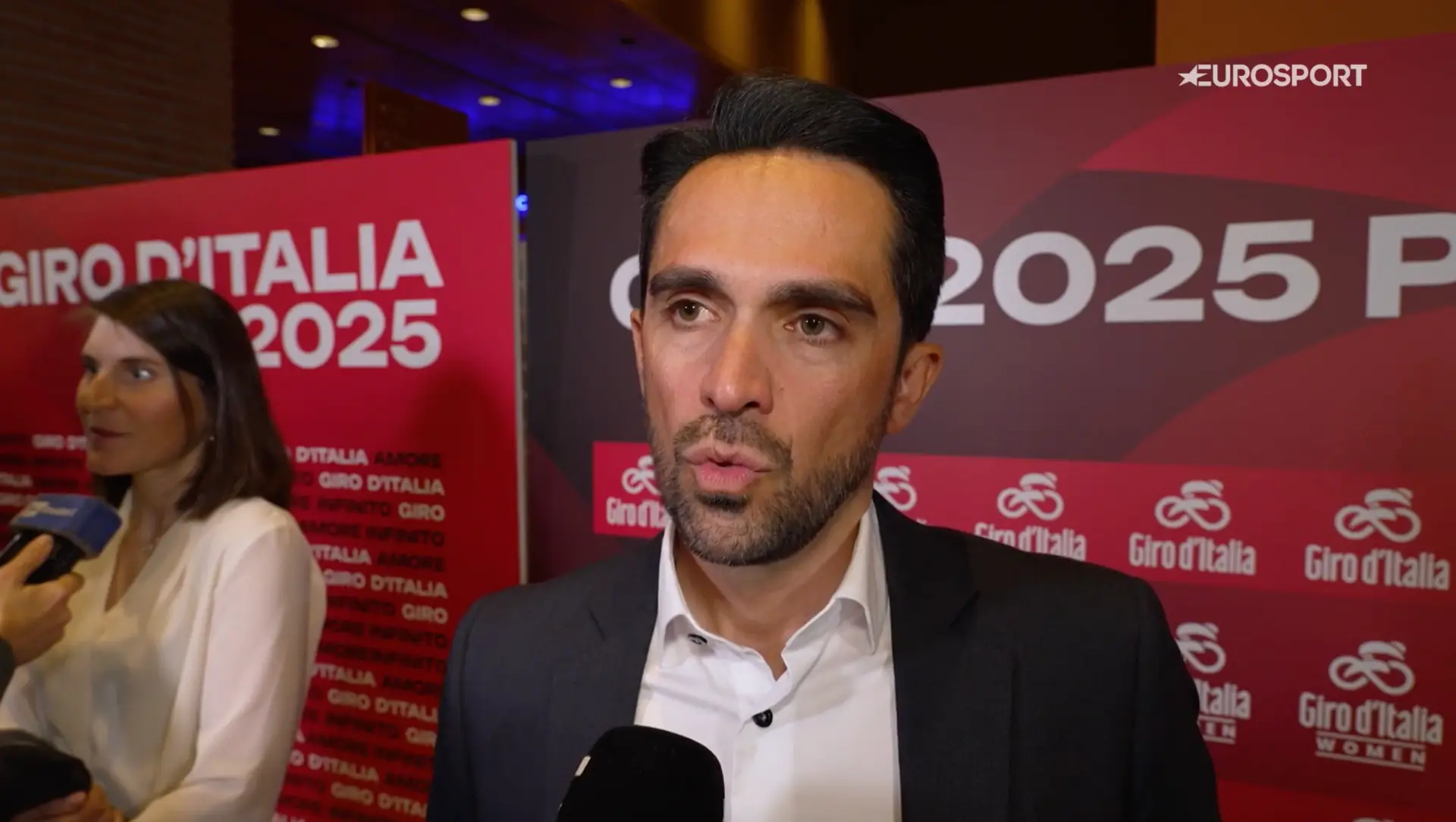
The Vuelta a España enters its decisive phase with a striking data point: 34 riders have already abandoned after 14 stages, a notably high figure compared with the Tour de France and Giro d’Italia. Most notable is that none of these withdrawals were due to missing the time cut.
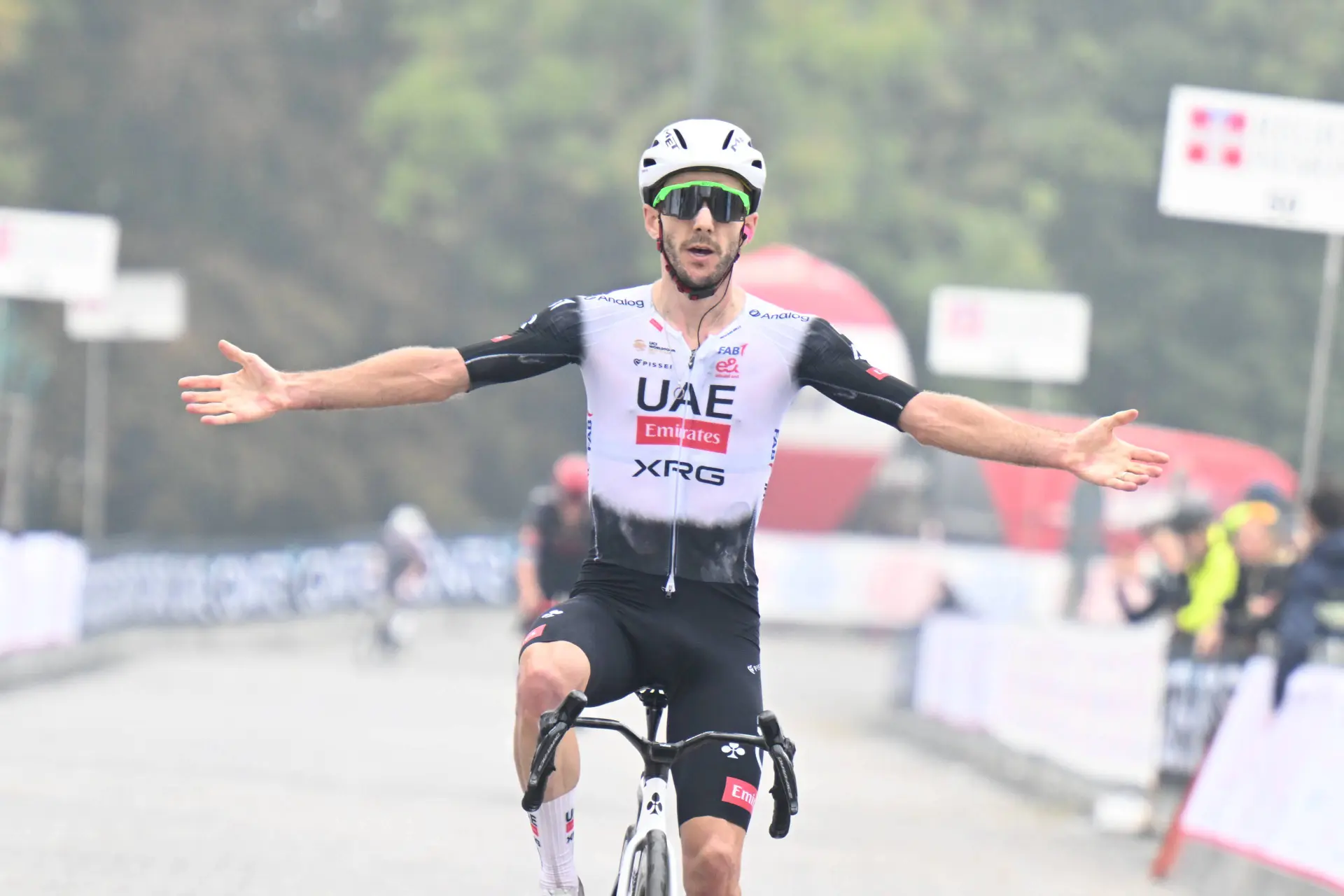
The attrition is leaving several teams threadbare. Alpecin-Premier Tech are down to just three riders, while UAE Team Emirates XRG and Picnic PostNL start the final week with four. Only five teams still have their full eight-man line-ups.
The contrast with the other two Grand Tours is stark. At this point in the Tour and the Giro, there were barely 14 DNFs recorded, whereas the Vuelta has already surpassed the total number of non-finishers in those races.
Heat, cumulative fatigue, and the proximity of the Worlds are among the possible explanations, but Alberto Contador points to a more structural factor. “I think this is the Grand Tour where it’s easiest to step off,” said the former rider on La Montonera, highlighting a season entering its home straight and the Vuelta’s particular context.

Enric Mas at the Vuelta a España 2026.
A race that punishes the peloton
Sandra Alonso believes the Vuelta’s position as the final Grand Tour on the calendar has significant influence. With the Worlds drawing near, some riders and teams arrive with less ambition than at the Tour or the Giro. “It’s the last Grand Tour of the year, with the Worlds very close,” she explained, linking that calendar squeeze to the high number of withdrawals.
The number of debutants may also be taking a toll. For Alonso, young riders are facing for the first time the strain of a three-week race, with hot stages and increasingly difficult recovery. “There’s a big workload and, as you say, so many young riders… in the end I think that’s showing,” she noted.
Contador, however, argues the problem cannot be pinned solely on high temperatures. He believes certain riders approach the Vuelta with a different mindset because it’s the last big date of the season. “It’s not about the heat or anything like that; the season is advanced and many already have their contracts sorted,” he said.
That context can make it easier for some to call time on their race at the first setback. Contador added that the difference also lies in the accumulation of small situations: “One drops out for one thing, another for another, another… and before you realise it, one year you finish with one, the next year with two, the next with three.”
Casi una quinta parte del pelotón ha abandonado en #LaVuelta26
— Eurosport.es (@Eurosport_ES) September 6, 2026
Analizamos las causas en #LaMontonera con @albertocontador y @sandyAD98 ❌ pic.twitter.com/utWA4jXhEl
Teams increasingly weakened
The steady loss of riders is having a direct impact on the race. Teams tackling the final week with three or four riders have fewer tactical options and must focus efforts on specific targets. Alonso stressed the fatigue of debutants, exposed for days to extreme conditions.
Contador also focused on the peloton’s make-up and the commitment of certain structures to the Vuelta. “There are WorldTour teams that come to the Vuelta a bit, in quotes, obliged,” he explained, referring to squads that may approach the race with less ambition than at other Grand Tours.
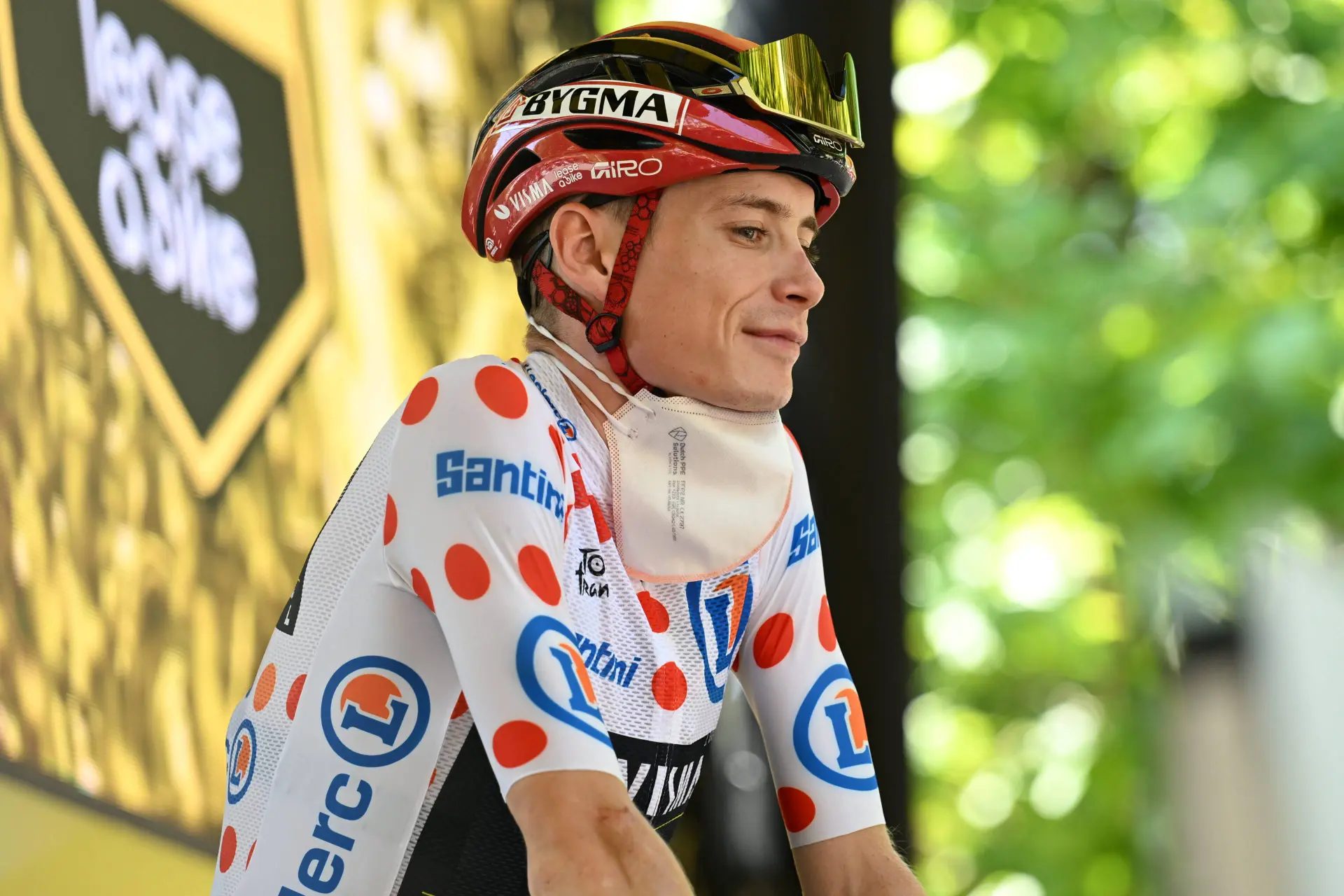
In that scenario, wildcards take on added weight. Teams invited to the Vuelta often arrive with greater motivation than some WorldTour structures. “The invited teams are much more committed because of how important it is for them,” Contador said.
Even so, the tally of 34 abandons may yet rise in the remaining stages. The Vuelta now heads into its decisive week with a shrinking peloton and several teams on the limit. The sight of riders simply stepping off the bike captures a trend that, according to Contador, sets the Spanish Grand Tour apart from the rest.
Javier RampeCycling Journalist
Javier Rampe is a sports analyst with more than 15 years of experience. He holds a degree in Economics from the University of Rome and a Diploma in Business Studies from the University of Cádiz. Despite coming from an academic background not particularly associated with cycling, his passion for both cycling and journalism was instilled in him from an early age. He grew up following Miguel Indurain and José María “El Chava” Jiménez. An admirer of Michael Robinson’s communication style and journalistic approach, he was inspired to pursue a degree in Journalism at the University of Buenos Aires, which he is currently completing.
He has always maintained close ties with the worlds of sport and culture, contributing from a young age to sports blogs and film and music review websites. His work has appeared in media outlets such as Cope, RAI, and Radio Con Vos. He is also the founder of the cycling-focused podcast El Contraanálisis and the football interview channel Días De Fútbol, dedicated to conversations with professional footballers.
In addition to his work at Ciclismoaldia, Javier has interviewed some of the most influential figures in modern cycling, including Alejandro Valverde and Tadej Pogačar, as well as key voices in anti-doping policy such as Alberto Yelmo, David Varillas, and Marcelo Milano. Marcos Maynar, in relation to the ‘Operación Ílex’ case, is also among the personalities he has interviewed. He enjoys conducting in-depth analysis of the cycling ecosystem and has attended major events such as Strade Bianche, the Vuelta a Andalucía, and Itzulia, as well as numerous national cyclo-cross races.
His background in economics, combined with extensive experience in marketing and corporate communications, drives his continuous study of positioning strategies and ensures that he always keeps his focus on crafting compelling and evocative headlines.
claps 0visitors 0
Just in


Popular news
Latest comments
- He should have been allowed to go to Movistar. Right now both arent a good fit for each other and are just wasting each other's time and effortabstractengineer08-11-2026
- Thibau Nys does exactly what Iserbyt is calling for
 Rafionain-Glas08-11-2026
- i did not see it. was the relegation justified or an overly hard decision? and don‘t cross riders deviate from straight lines all the time? bumping into each others when they cut corners, etc … why being more strict with the rules on the finish sprint?Ketterechts08-11-2026
- seems like we are advertising the website with pointless comments…Ketterechts08-11-2026
- So?Jumpyjohn08-11-2026
- The UCI do have their favorites.
 Front24208-11-2026
- On a positive note, you maybe notice turning this topic into a discussion has the benefit of eliminating certain participants who do not see how they can turn it back to their sole interest ;-)Jumpyjohn08-11-2026
- People see what they want to. I am actually the opposite of your accusation, probably more of a rebel than most of you who don’t get the big picture. The difference is, I don’t go moaning publicly about the consequences of my transgressions, I understand the need for rules and I take my OWN responsibility when deciding to ignore or break them or doing so involuntarily. I will also not hesitate to state my case or argue vehemently when relevant, sometimes it works, sometimes it makes things worse but that’s the price to pay for principles and having character.Jumpyjohn08-11-2026
- That may be but that was unknown to others and nothing says that’s the whole truth. Again, don’t try to misinterpret, it is a call and technically it is correct. Besides, even if there is a valid reason, that does not disqualify the ruling or punishment as far as the rules have been developed. I don’t think they’re as far as in football where for handball there is a distinction (in some ways and specific cases) between intentional or not. And football can be just as harsh and people live with it, eg the offside rule, also judged to within tiny fractions but often wrong or ignored. It’s the nature of every collective organisation and sometimes I wonder if our rebellion against it isn’t seated in the feelings we carry from the injustices we’ve felt personally, like being flashed driving 1km/h too fast when we are explained limits are just a security measure but we are absolutely certain not to have endangered anyone with our transgression. The problem is, nobody has better solutions and no 2 people have the same interpretation of where a limit should be.Jumpyjohn08-11-2026
- Because for you deviated implies the other rider MUST have been made to fall and fail to finish ??? I don’t know if you ride a bike but next time someone carves you up or drives dangerously close, just hold back from those feelings of changing something, reporting or filming or even complaining. Everyone will just say, hey you’re still here undamaged, doesn’t seem like anyone did anything.Jumpyjohn08-11-2026
Loading
Write a comment