"I know he’s a huge talent – but it might be wiser to wait": Jonas Vingegaard advises Paul Seixas against diving into pressures of Tour de France
Cycling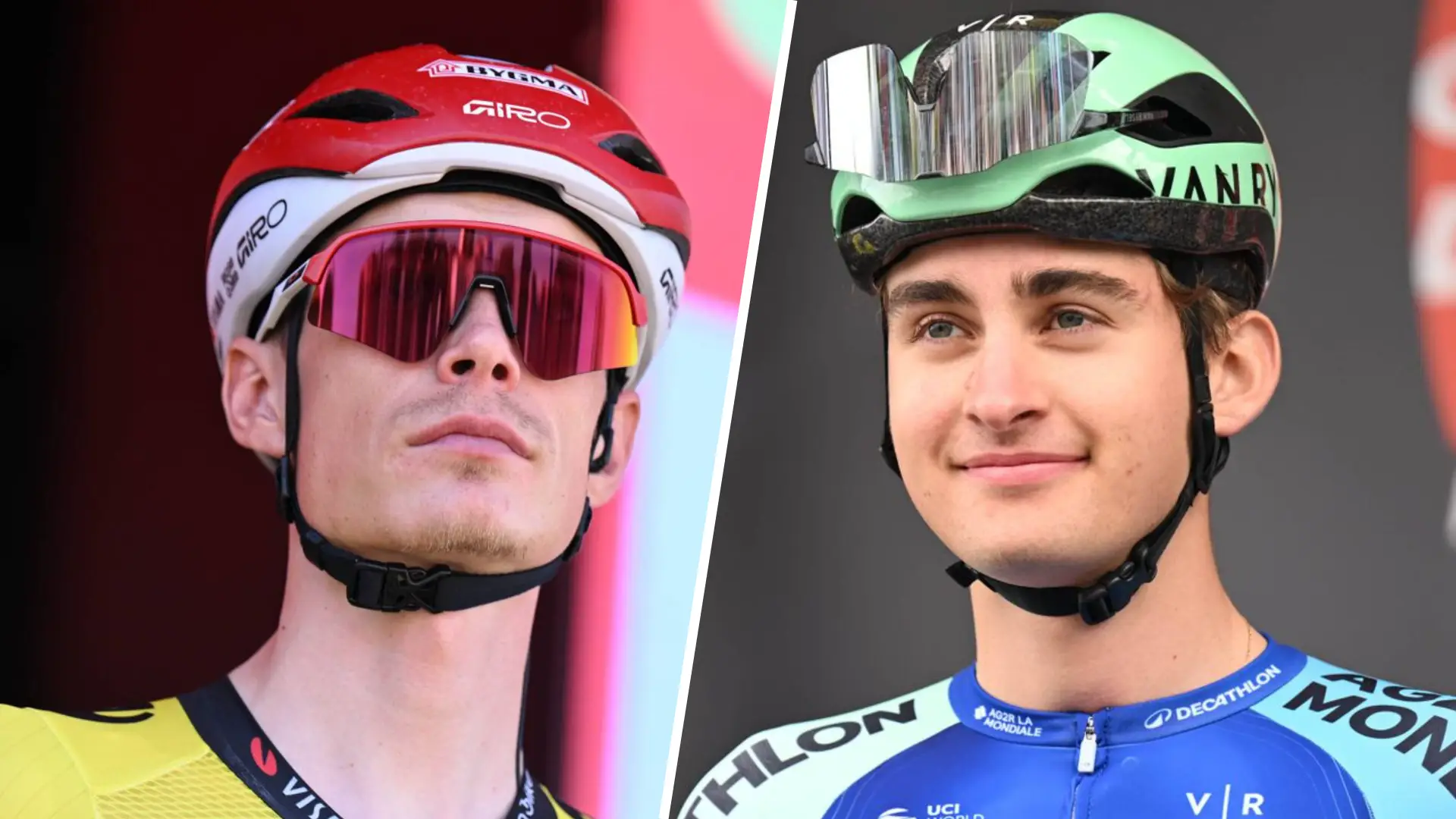
Jonas Vingegaard has offered a word of caution to France’s brightest young prospect, Paul Seixas, urging the 19-year-old to resist the temptation of making an early Tour de France debut. Speaking to RMC Sport, the double Tour champion said that while Seixas’s talent is undeniable, the unique pressures of the race could prove overwhelming for a rider still finding his feet in the professional ranks.
“For the double Tour winner (2022 and 2023), patience is key,” RMC Sport reported. “To be honest, if I were him, I would wait,” said Vingegaard. “As a Frenchman — probably the biggest talent in France — he’s going to face a lot of pressure if he goes to the Tour now. So maybe it would be better for him to wait a few years, until he’s really ready. I don’t know him personally, but I know he’s a huge talent, and in that case, it might be wiser to wait.”
The next great hope of French cycling
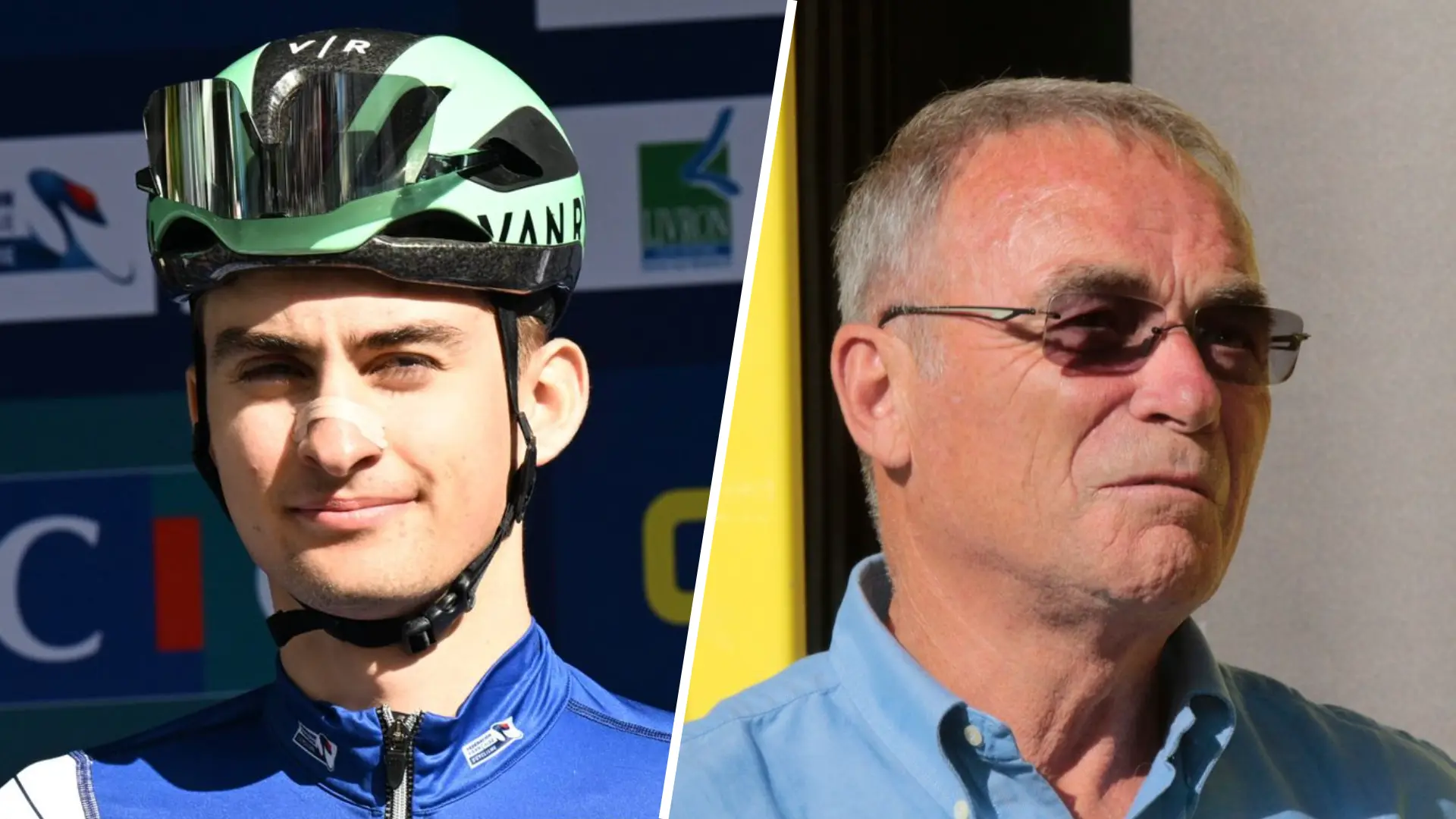
Seixas has become one of the most talked-about figures in French cycling this season, and with good reason. The teenager’s performances have marked him out as a generational prospect: eighth overall at the Critérium du Dauphiné, winner of the Tour de l’Avenir — widely regarded as the “Tour de France for the under-23s” — and a bronze medallist at the European Championships, alongside a strong 13th-place finish at the Worlds.
Such results have thrust him into the national spotlight, with expectations already swelling around his future. In a recent appearance on Bistrot Vélo, Seixas admitted he intends to make his Grand Tour debut in 2026, and confessed that if he followed his heart, it would be at the Tour de France. Yet even he acknowledged the magnitude of such a decision. “Am I really ready for that?” he asked candidly on air — a question that Vingegaard’s comments now seem to answer with a firm “not yet.”
Learning from those who’ve been there
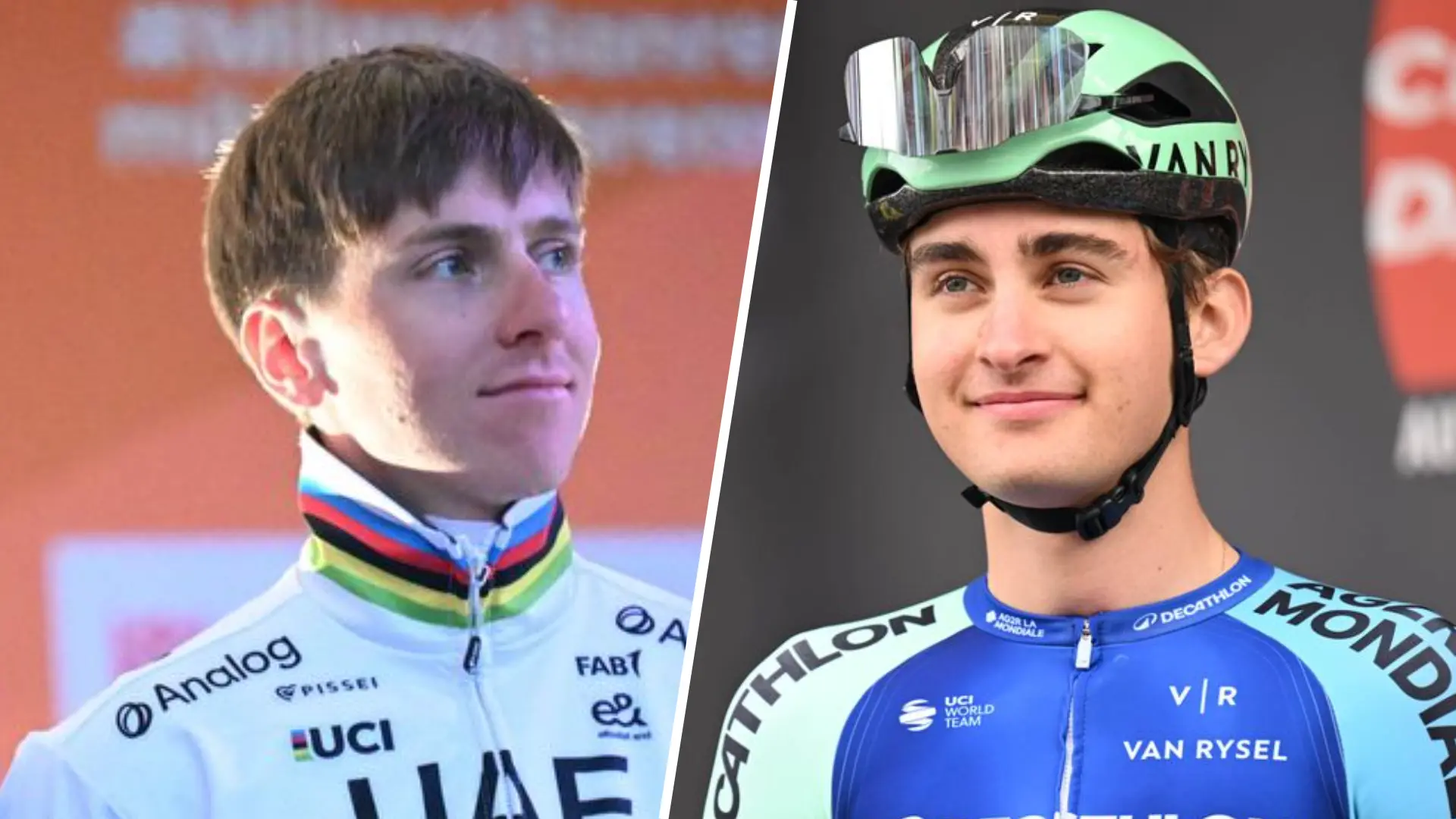
Vingegaard’s advice carries particular weight. The Dane knows the unique demands of the Grande Boucle better than most — the relentless pressure, the media glare, and the expectation that comes with carrying a nation’s hopes. His own rise from promising climber to Tour de France champion was carefully managed by Team Visma | Lease a Bike, a process built on patience and steady development rather than immediate exposure.
That same philosophy may prove crucial for Seixas, whose trajectory has already drawn comparisons to the early careers of riders like Tadej Pogacar and Remco Evenepoel. But unlike those prodigies, Seixas appears acutely aware of the dangers of moving too fast. His thoughtful approach, combined with guidance from figures such as Vingegaard, suggests that France’s long search for its next Tour winner may finally be bearing fruit — provided he’s given the time to grow before the weight of the yellow jersey settles on his shoulders.
Kieran WoodDeputy Editor-in-Chief
Kieran Wood is a sports journalist based in Wales and has been active in journalism since 2022. He regularly contributes to DartsNews.com and CyclingUpToDate.com, where he covers professional cycling and darts. In cycling, his work includes liveblogs from major races, including the Tour de France, the Giro d’Italia, and La Vuelta a España, alongside race reports and analysis. He has also conducted interviews with professional riders.
His reporting spans the full racing calendar, from one-day classics to stage races, with a focus on accurate, real-time coverage and clear contextual analysis. For statistics, results, and historical context, he regularly uses resources such as ProCyclingStats. To support reporting on rider activity and training context where relevant, he also references Strava.
In his work, Kieran places strong emphasis on careful sourcing, editorial accuracy, and updating articles as new, verified information becomes available.
claps 7visitors 3
Just in
Popular news
Latest comments
- Cycling is so much harder now. Lots if not most of the peleton are well versed in nutrition and trauning methods now. The days of Paul Kimmage when the peleton were rather chunky or over weight and not really professional compared to todays riders is long gone. Better bikes equipment and training methods. Sorry Paul as much as i enjoyed your book you did not really come across as a professional rider at all just a good amateur on a mediocre French team at best.paultryan200228-11-2026
- While none of us know if they are doping, I prefer to believe they aren't until it comes out, if it ever does. I think it's a disservice to the top riders who constantly have to defend themselves.awp28-11-2026
- I'm surprised because he seemed pretty happy with things, at least a few years ago. He was saying the racing was believable and the teams were more open than ever.megasmacky28-11-2026
- When?
 Rafionain-Glas27-11-2026
- No need to apologize. You make excellent points!RidesHills27-11-2026
- The cycling world typically doesn't like ambition, and likes deference to team leadership deciding what to race and the team for one's win. It's uncouth, in a way, to be so blunt about desires. But I get it. He wants to win, and claims to be good enough to do so. Of course, there's that middle ground, why not become a second option for Mads? Why do I like this idea? To pick but one race each, one of them has attacked repeatedly in Lombardia, the other has attacked repeatedly in Flanders, and both are great to watch when they do it. One of them is a past world champion, and the other could have been had he not been reeled back in (while the next attack from the US squad wasn't reeled in, and there you go). Meaning: this could be fun, if it happens. Or it could be a disaster, two egos not making space. Who knows, until it happens.RidesHills27-11-2026
- Merckx raced against plumbers and pipefitters. There is no comparison, had Tadej and Jonas been racing in Merckxs' day he would have never won a grand tour.awp27-11-2026
- Is Paul writing another book? He must be..awp27-11-2026
- I don't know if they're doping, and I'm not sure I care. I almost stopped watching the sport in the early 2000's because I couldn't enjoy a race without wondering if the performances were real. So I decided I liked watching bike races more than I cared about the doping. There is, however, reason to believe that Pogacar is being honest. Besides the insane speeds today, I don't see any of the usual evidence of a heavily doped peloton that we saw in the 90's and 2000's. We're not seeing unknown riders suddenly winning big races. We're not seeing ridiculous sights like George Hincapie winning the queen stage at the 2005 Tour. We're not seeing largely Classics riders suddenly turning into the greatest GT rider of his generation(cough, Armstrong, cough). One of the problems with EPO especially was it levelled up the peloton. These days, top riders start attacking with 80kms or more left, because they know only the very best will be able to follow. If you attacked with 80 k's left in 2002, 150 riders would follow, and the DS would be screaming into your ear that you wasted energy. So we saw hard Monuments with intact pelotons 15 kms from the finish. I used to bitterly joke that LBL was a 240 km training ride with a 15 km race tacked onto the end. Roleurs were suddenly climbers, and on and on. Now the best riders win, either alone or in a small group of elite riders, just like it was before EPO. As far as the speeds go, even though we all scoff at the claims of tech and training improvements, that is true. Training programs even from half a decade ago are badly outdated. The riders are far, far lighter than they've ever been. The big thing though, and I don't see this spoken about at all, is the riders are arriving at races perfectly prepped and fresh. With the exception of the rare top rider going for the double, we're not seeing riders arriving at the Tour with the Giro and the Dauphine and the Tour de Suisse in their legs. Pogacar did the classics and Romandie, and then he buggered off for altitude training. Evenepoel spent over two months at altitude, arriving perfectly prepared and fresh. If you go back to pre-EPO days, look at LeMond in '86. He started racing in February, did all the classics including Roubaix, rode the Giro and finished 3rd, did the Dauphine and Tour de Suisse(I think), then won the Tour, did a bunch of crits, raced Worlds, and the old Coors Classic. All of those were raced hard and raced to win. There were no tune-ups, nothing, just hard racing for almost 9 months. Do you think he was ever fresh? Now they can all target and prep for individual races or race blocks. That has never happened in the history of the sport, and people are surprised the guys are crazy fast? I don't know if they're doping, maybe I'm just gullible or delusional. I doubt the sport is completely clean. But if a midlevel rider micro doses a little EPO so he can do his job, and if small-scale doping isn't really affecting the race results or the racing, then I'm fine with it. Sorry for the long comment.megasmacky27-11-2026
- let Quinn attack. it takes pressure off Mads. One of the other big players - MVDP, Tadej, WVA - will track him down. Or the team will. And Mads can profit off their work. the mano a mano thing isn't working out too well for Mads. He is winning huge races, but no monuments yet.mij27-11-2026
Loading
1 Comments