“I could have brought the whole of cycling crashing down” – Jan Ullrich on doping era and why he “wants to believe” cycling is clean in 2026
Cycling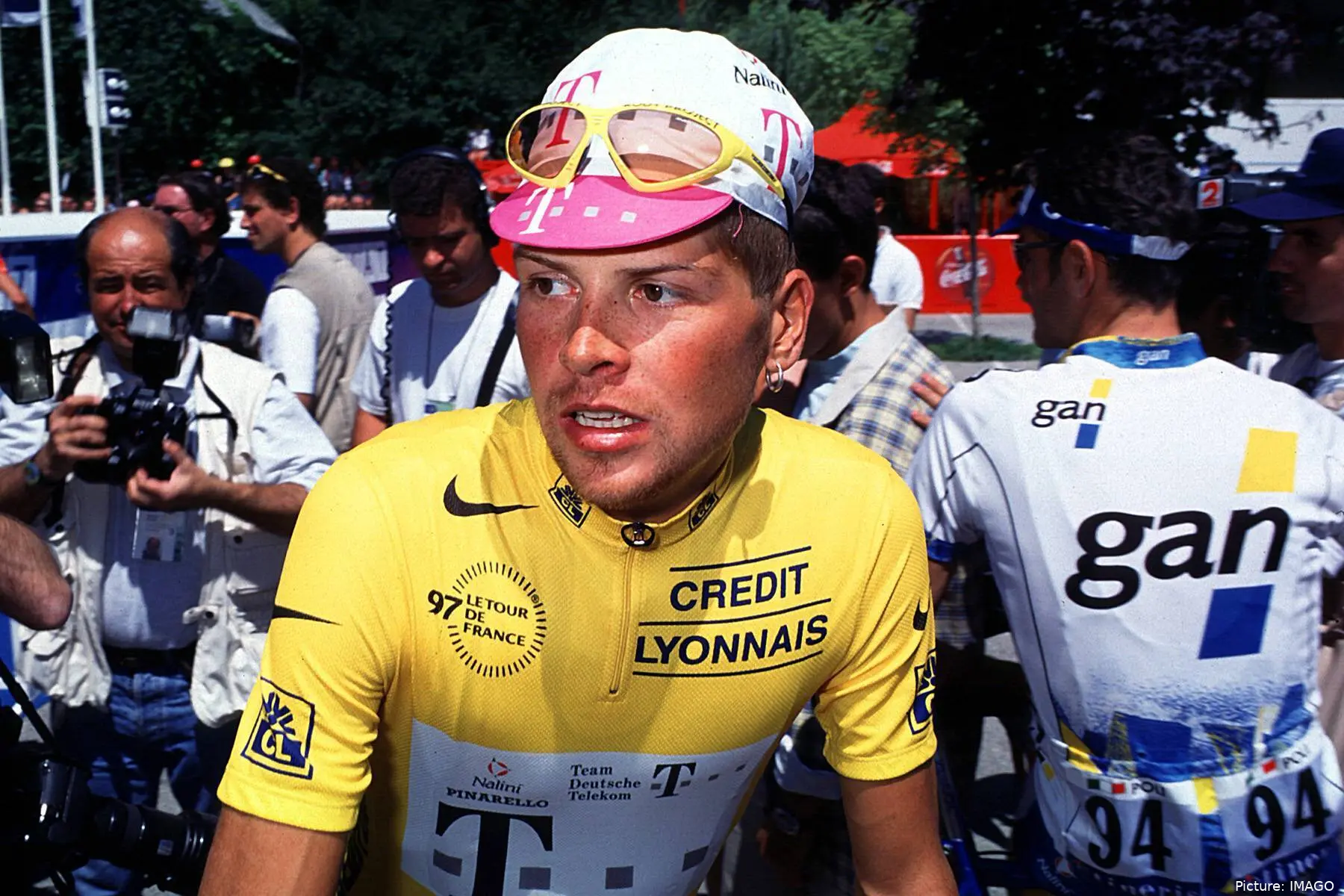
Jan Ullrich believes he could have exposed the scale of doping within professional cycling when his own career came crashing to an end, but chose not to implicate others because he loved the sport too much.
Almost 20 years after his exclusion from the 2006 Tour de France brought his time at the top of professional cycling to an abrupt end, the 1997 winner has again spoken openly about the doping culture of his generation and his belief that the sport has since changed.
“I could have brought the whole of cycling crashing down back then,” Ullrich said during an appearance on German talk show Inas Nacht. Ullrich says he stayed silent because he “loved the sport too much” and “didn’t want to drag anyone else into it”.
His own involvement was connected to Operacion Puerto, the Spanish investigation into doctor Eufemiano Fuentes and a blood-doping network involving elite athletes. Ullrich continued to deny doping after his retirement before eventually acknowledging his past publicly in 2023.
“We adapted to what others were already doing”
Rather than portraying doping as something carried out by a small group operating on the fringes of professional cycling, Ullrich describes it as normalised within the environment in which he raced. “We adapted to what others were already doing anyway,” said the German, who remains his country's only Tour de France winner.
According to Ullrich, riders justified those practices by convincing themselves that doping did not determine who possessed the most ability when their rivals were doing the same. “It came down to talent and ability if everyone was doing it,” he recalled of the thinking at the time.
The scale of the problem stretched far beyond Ullrich. The Festina affair, Operacion Puerto, revelations surrounding Ullrich's former Telekom team and the eventual exposure of Lance Armstrong and US Postal turned an era of Tour de France history into one defined as much by doping investigations as its racing.
Ullrich says there are aspects of his past of which he is ashamed, although doping itself is not among them. Its consequences nevertheless dominated years of his life after racing. “It was a shit time. It killed me. Doping cost me ten years,” said the 52-year-old.
His career was effectively over once T-Mobile withdrew him from the 2006 Tour on the eve of the race. He formally retired the following February, with the years afterwards including serious personal struggles away from cycling.

The doping scandals of Armstrong and Ullrich rocked cycling more than a decade ago
“I want to believe that everything is clean”
Ullrich now sees a very different sport from the one in which he competed. “At least what we messed up back then has resulted in a clean sport now,” he said.
He immediately stopped short of offering any absolute guarantee. “But I want to believe that everything is clean.”
Cycling's anti-doping operation has changed substantially since Ullrich and Armstrong were fighting for the Tour. The Athlete Biological Passport has been used in professional cycling since 2008, while testing, intelligence and investigations are now operated independently through the International Testing Agency.
The extent of that scrutiny was visible again during the 2026 Tour de France. Tadej Pogacar and Jonas Vingegaard were among riders subjected to exceptional anti-doping controls during the night, with Vingegaard tested at approximately 2am and Pogacar at 5am. All 166 riders remaining in the race were then blood-tested on the second rest day as part of Athlete Biological Passport monitoring.
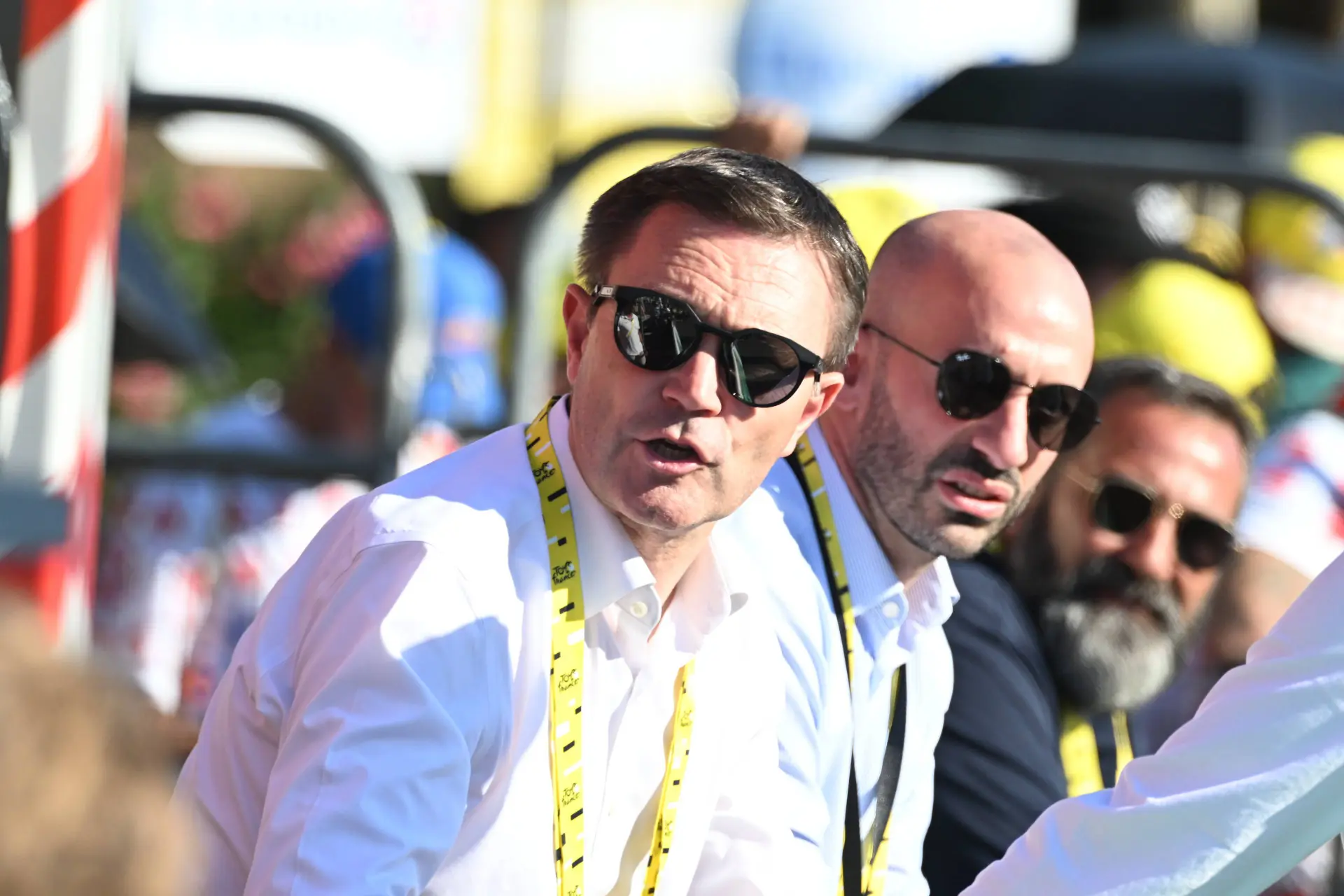
No positive result involving either Pogacar, Vingegaard or another Tour de France rider was announced during the race, and UCI president David Lappartient has since backed the continued use of night-time controls in exceptional circumstances as authorities attempt to combat methods such as micro-dosing.
Those measures exist alongside enormous advances in training and sports science. Ullrich believes altitude preparation can now produce legally some of the physiological changes riders of his generation pursued using EPO. “Three weeks at an altitude training camp has roughly the same effect as EPO doping did back then,” he claimed.
Both can increase red blood cell production and therefore the body's capacity to transport oxygen, although one method forms part of legitimate training while EPO use is prohibited.
A past cycling still cannot completely escape
The improvements in testing have not removed the suspicion created by Ullrich's generation. Armstrong won seven Tours before the results were eventually stripped, while Ullrich's own doping history was established years after his greatest successes. Their cases helped destroy the once-common assumption that repeatedly passing controls was enough to settle questions about a rider's performances.
That legacy remains particularly visible whenever the current generation reaches levels previously associated with cycling's doping era. Pogacar and Vingegaard have produced climbing performances and speeds that inevitably invite comparisons with Armstrong, Ullrich, Marco Pantani and others, despite such comparisons providing no evidence that a modern rider has doped.
At the same time, equipment, nutrition, altitude training, aerodynamics, recovery and preparation have all advanced substantially since Ullrich's peak.
Modern cycling therefore lives with both consequences of his generation. Riders are subjected to a far more sophisticated anti-doping system than the one that failed to uncover much of what was happening during Ullrich's career, while the public distrust created when that era eventually unravelled has proved far harder to eliminate.
Ullrich can look at the sport in 2026 and believe it has changed. Nearly two decades after his own career ended, the damage done to cycling's ability to inspire unquestioning belief has lasted considerably longer.
Kieran WoodDeputy Editor-in-Chief
Kieran Wood is a sports journalist based in Wales and has been active in journalism since 2022. He regularly contributes to DartsNews.com and CyclingUpToDate.com, where he covers professional cycling and darts. In cycling, his work includes liveblogs from major races, including the Tour de France, the Giro d’Italia, and La Vuelta a España, alongside race reports and analysis. He has also conducted interviews with professional riders.
His reporting spans the full racing calendar, from one-day classics to stage races, with a focus on accurate, real-time coverage and clear contextual analysis. For statistics, results, and historical context, he regularly uses resources such as ProCyclingStats. To support reporting on rider activity and training context where relevant, he also references Strava.
In his work, Kieran places strong emphasis on careful sourcing, editorial accuracy, and updating articles as new, verified information becomes available.
claps 1visitors 1
Just in
Popular news

Latest comments
- Bernal won the Tour because his attack stuck after Thomas’s was reeled in, and then they ended the stage due to the landslide - a deserved win, but contingent on many things. He won the Giro with quality and skill. And then, like so often happens for the cruelest of reasons, his injuries left him an incomplete version of his former self. He’s had a great career, what a great GC rider (8 of his 23 wins are GC, including 2 grand tours and 2 of the 7 major GC races), but already was struggling after COVID. I wish him the best, and if he retires, he should retire with pride for a career well done!RidesHills07-10-2026
- Roglič? In an interview he’ll continue to be hilariously dry about his goals, emphasize that he’s still having fun, and keep churning along until he doesn’t want to do this anymore. “Ah, you know, 100 wins would be nice, but eh - it’s just a number. I have fun, you know?” I can almost hear him saying those words. He’s not heading for low rank races to get the wins, he continues to race the major races (and I suspect would have won the Vuelta again were it not for that awful accident and that disgusting purple leg right before racing began).RidesHills07-10-2026
- BTW the list of classics you gave from PCS is participation, not winning
 Rafionain-Glas07-10-2026
 - Yes, though we saw that last week already.Jumpyjohn07-10-2026
- Or that riders get out in time.Jumpyjohn07-10-2026
- Hope he doesn’t stick with it just for that, would hate to see him exhibiting any has been footballer behaviour.Jumpyjohn07-10-2026
- Yep, that’s about it, couldn’t imagine someone wouldn’t get that.Jumpyjohn07-10-2026
- Time for your meds I thinkJumpyjohn07-10-2026
- No surprise here. Nice the oldies are having success, not the first discipline where you expect age to be an advantageJumpyjohn07-10-2026
- Any idea why Remco wasn’t there, Lombardia?Jumpyjohn07-10-2026
Loading
Write a comment