DISCUSSION Vuelta a España Stage 15: Why didn’t organizers change the stage’s schedule? Did TV take priority over cyclists’ safety?
Cycling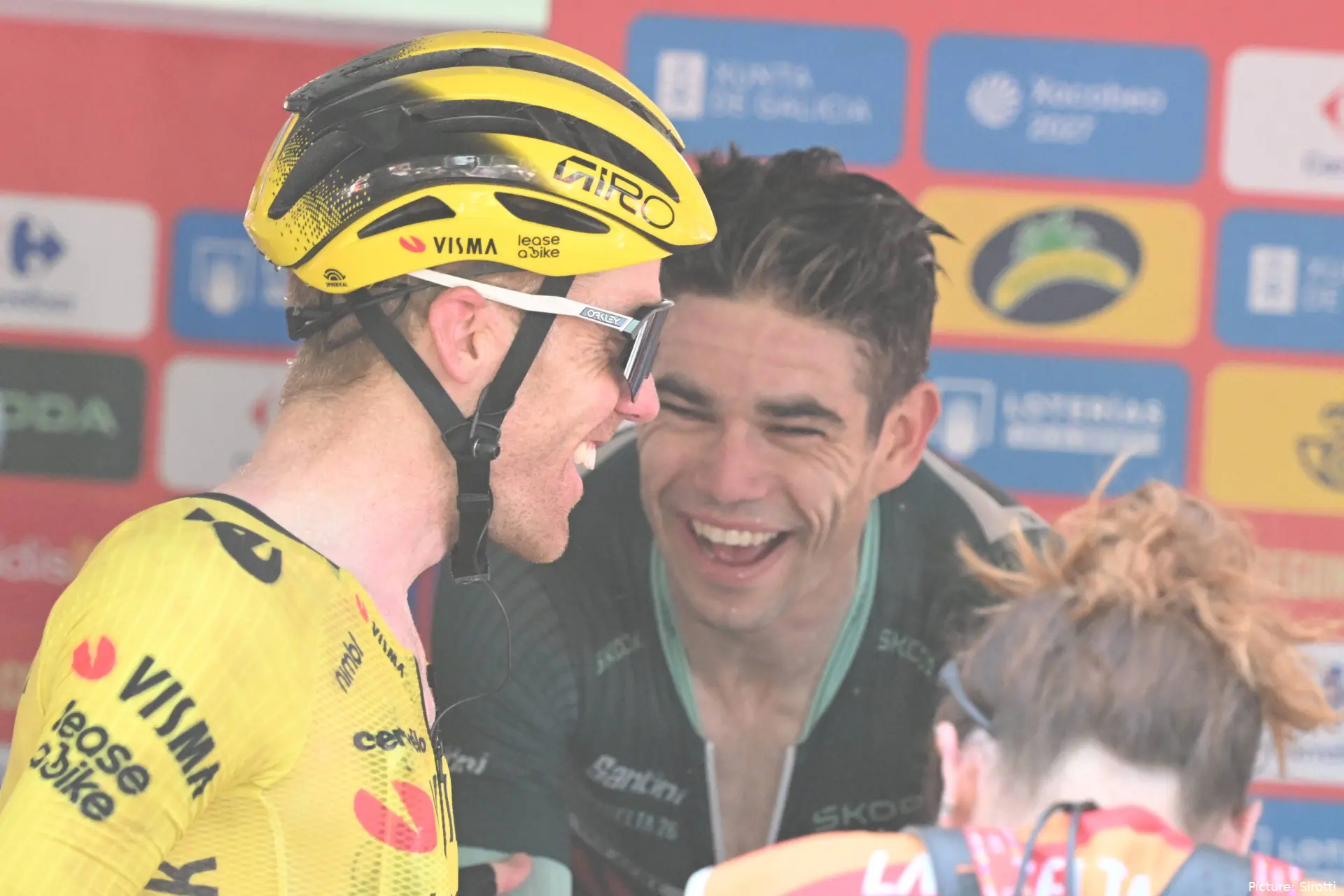
Wout van Aert claimed his second victory of the 2026 Vuelta a Espana after winning a tense five-man battle in Córdoba. The Team Visma | Lease a Bike rider responded to every late attack before beating Alessandro Romele and Thibau Nys in the sprint. Ramses Debruyne and Andreas Leknessund completed the leading group.
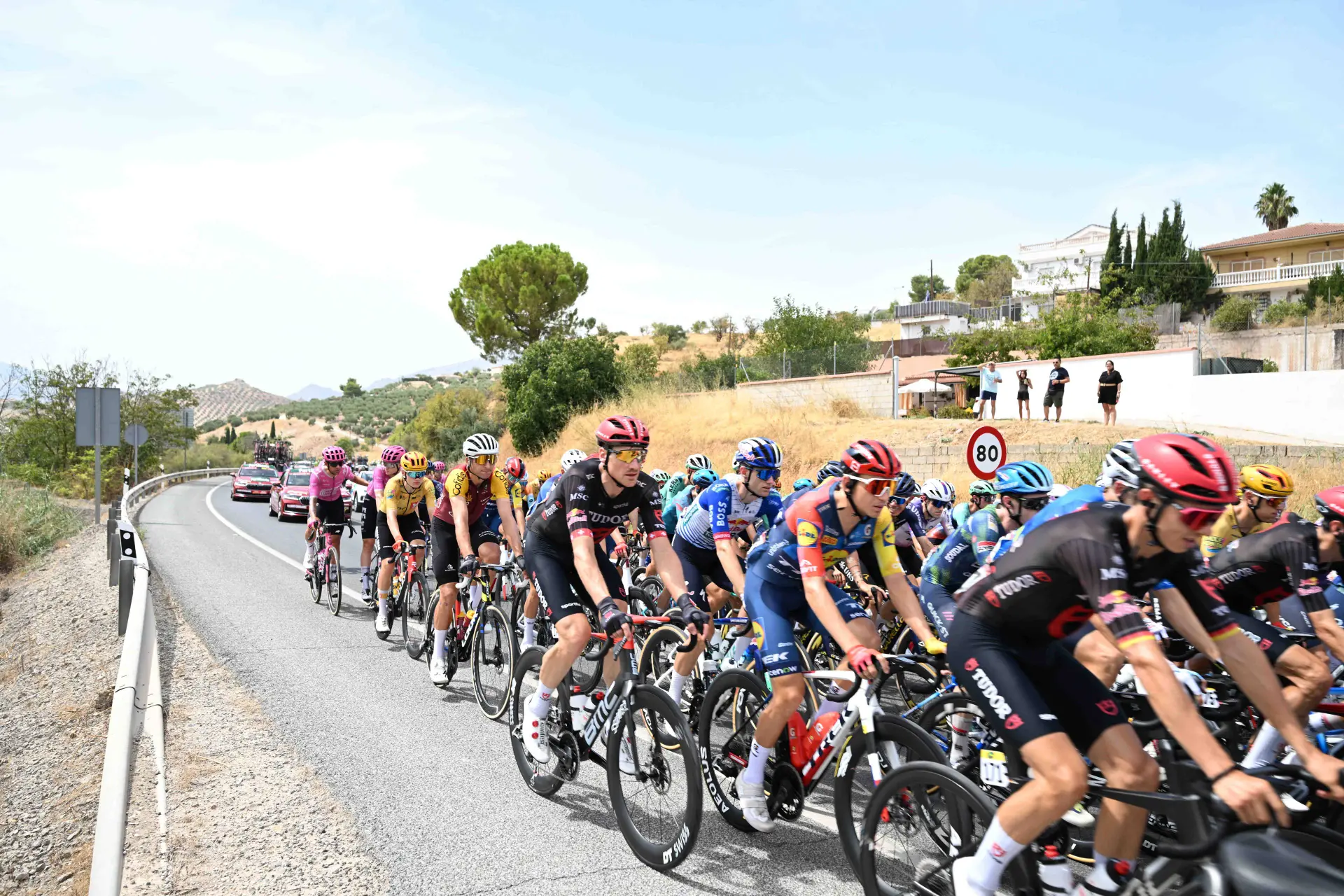
Stage 15 had been shortened from 189.7 to 110.2 kilometres because of extreme heat, with temperatures reaching around 40 degrees at the start. Despite the reduced distance, the race was aggressive from the opening kilometres. An early breakaway struggled to build an advantage as Visma and Cofidis kept the gap close.
The race changed on the Puerto Artafi, where Visma increased the pace and reduced the peloton to around 40 riders. Bryan Coquard was among those dropped, improving Van Aert’s chances. Leknessund attacked from the breakaway and was later joined by Debruyne, who bridged across from the reduced bunch.
Van Aert made his decisive move after the intermediate sprint in Santa María de Trassierra. He continued his acceleration after crossing the line in fourth place and reached the two leaders with Romele on his wheel. Nys then joined them, creating the five-man group that stayed clear to the finish.
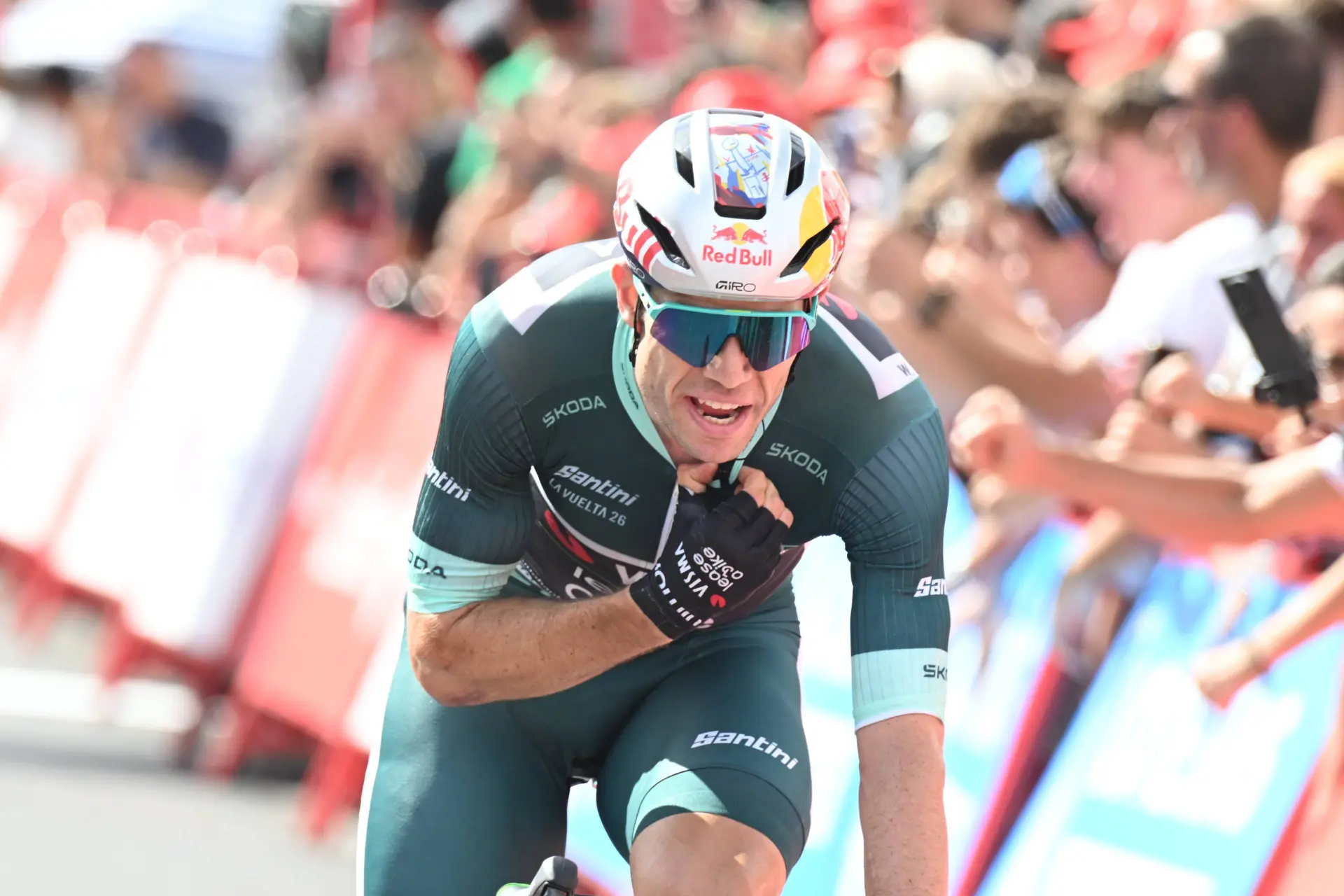
Inside the final three kilometres, Nys and Debruyne attacked together, but Van Aert closed the gap himself. Leknessund then launched two separate moves, and the Belgian responded immediately on both occasions. Van Aert was forced to lead under the flamme rouge, yet still had enough strength to overhaul Nys in the sprint and take the win. Romele came past Nys to finish second.

Wout van Aert and Matthew Brennan at the 2026 Vuelta a Espana
Carlos Silva of CyclingUpToDate followed the action closely during stage 15 of the Vuelta a Espana. After Wout van Aert claimed his second victory of the race, Silva shared his thoughts on the stage, the decision to shorten the route and the battle for the general classification.
“It was a stage without much of a story for a long time,” Silva reflected. “There was a breakaway, but it was always kept within roughly a minute. We had to wait until the decisive part of the stage for the real moves to begin.”
Thibau Nys had already made his ambitions clear before the start. The Belgian had identified stage 15 as an opportunity to fight for the victory. However, he was always likely to face strong competition from Van Aert.
“We knew that Van Aert would also want to win because he is leading the points classification,” Silva continued. “He is in excellent form, he is confident and he had already taken one victory. Team Visma | Lease a Bike are here in Spain hunting stage wins, and they are doing it very well.”
Nys unable to match Van Aert
Nys attempted to create an opportunity for himself by attacking inside the final five kilometres. Ramses Debruyne followed the move, but Van Aert managed to close the gap and brought everything back together.
“Nys did not have the legs to beat Van Aert in the final sprint,” Silva said. “Perhaps he spent too much energy when he attacked inside the final five kilometres. That move did not have any consequences. Debruyne followed him, Van Aert closed the gap and everything came down to the final kilometre.”
Nys then tried to surprise his rivals by launching the sprint from a long way out. Van Aert was able to remain in his wheel before comfortably coming past him.
“Nys wanted to catch everyone by surprise and opened the sprint very early,” Silva explained. “Van Aert was comfortably positioned on his wheel, came past him and won. It was his second victory in this edition of the Vuelta and Visma’s fifth victory in the race.”
Shortening the stage was the correct call
The organisation decided to reduce the length of the stage because the riders were facing temperatures of around 40 degrees. In Silva’s opinion, it was an excellent and entirely justified decision.
“I think shortening the stage was the right decision,” he stated. “It was an excellent call because there was no need to subject the riders to temperatures of around 40 degrees for approximately 190 kilometres.”
The shortened route still provided enough action and produced an entertaining finale. According to Silva, completing the original distance would probably not have changed the way the stage was decided.
“A stage of 110 kilometres was enough for us to see action in the peloton and a finale with some excitement,” he added. “There was no need to race another 80 kilometres just to get the same kind of reduced-group finish to decide the winner.”
Everything remains open ahead of the final week
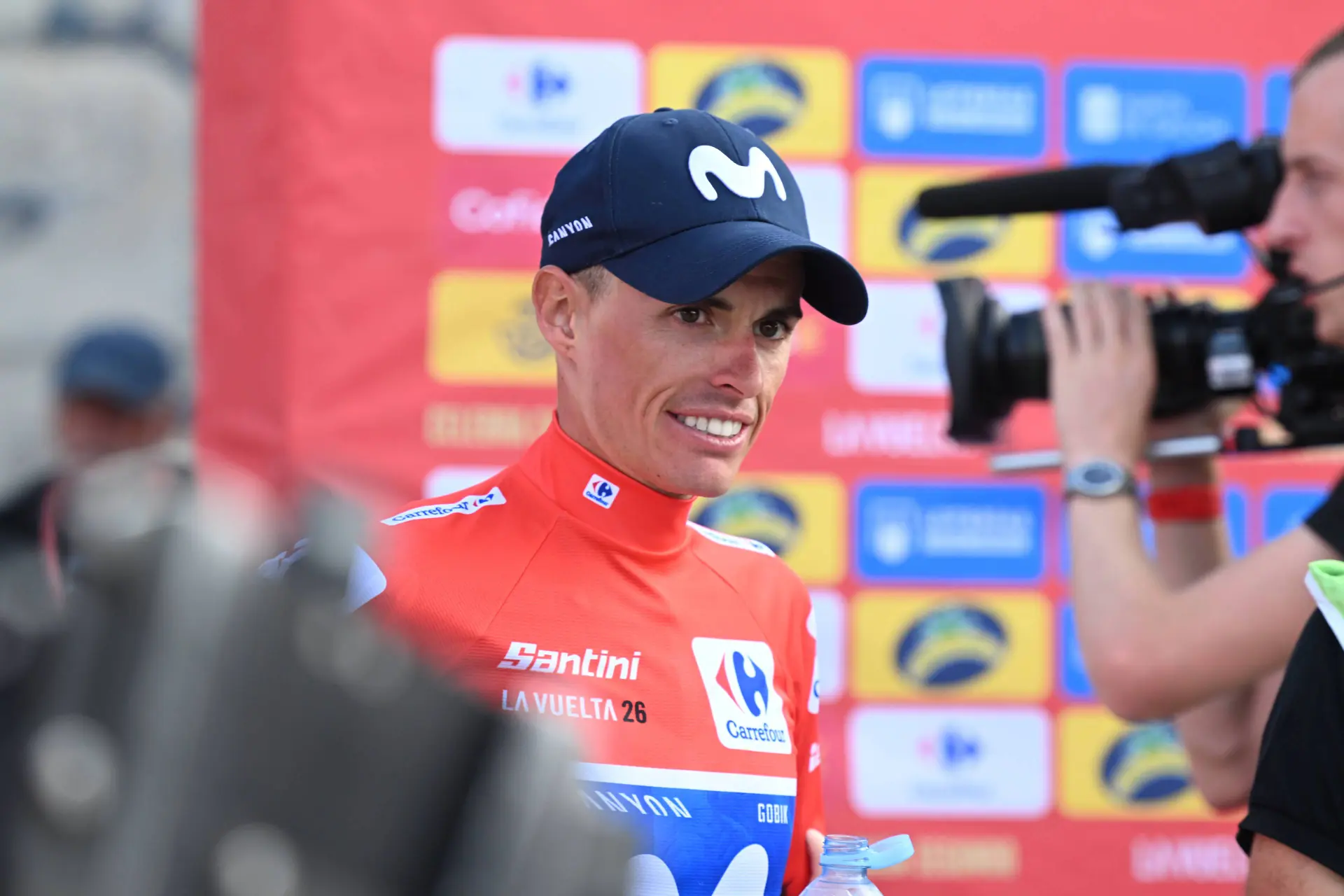
Enric Mas completed the second week wearing the red jersey and will now enter the second rest day as the leader of the Vuelta. The riders will have an opportunity to recover before the decisive final week begins.
“The riders now have a day to rest and recover, while the teams can reconsider their strategies and clearly define their objectives,” Silva said.
The final week starts with flatter stages on Tuesday and Wednesday. A potentially decisive time trial follows on Thursday, before two demanding stages on Friday and Saturday.
“Everything is still open,” Silva concluded. “I expect the fight for the general classification to continue. Nothing has been decided. The third week usually causes a lot of damage because fatigue starts to take over. At the same time, there are riders who begin to feel better and perform at their best in the third week. We will have to wait and see what happens.”

Javier Rampe of CiclismoAlDia followed the action closely during stage 15 of the Vuelta a Espana. After Wout van Aert took the victory, he shared his thoughts on the extreme temperatures, the decisions made by the organisers and the situation in the general classification.
The stage was shortened because temperatures in Córdoba reached 43 degrees Celsius. However, Rampe believes the extreme heat should hardly have come as a surprise.
“A stage shortened because of the extreme temperatures. Who could possibly have imagined that it would be 43 degrees in Córdoba on 6 September?” he said. “We are talking about an area that forms part of the famous ‘Frying Pan of Andaluzia’. Who would have thought it?”
Although the organisers reduced the distance of the 15th day of competition, they did not change the starting time. For Rampe, moving the stage to an earlier part of the day would have been a far more logical solution.
“As if that were not enough, the reduction in kilometres was not followed by a change to the schedule,” he continued. “They could have held the stage earlier, for example between 10am and 1pm, when the temperature was almost ten degrees lower than during the time slot chosen by the Vuelta a Espana organisers.”
“Did television ratings matter more?”
Rampe understands that professional cyclists sometimes have to compete in difficult circumstances to keep the spectacle going. Nevertheless, he believes the organisers prioritised the show instead of doing everything possible to protect the riders.
“I fully understand the difficult conditions the cyclists are subjected to in order to maintain the circus and the show that we are all part of,” he explained. “But that is precisely what the Vuelta did: it thought about the show instead of protecting the cyclists.”
“Why was the schedule not changed? Did television ratings matter more?”
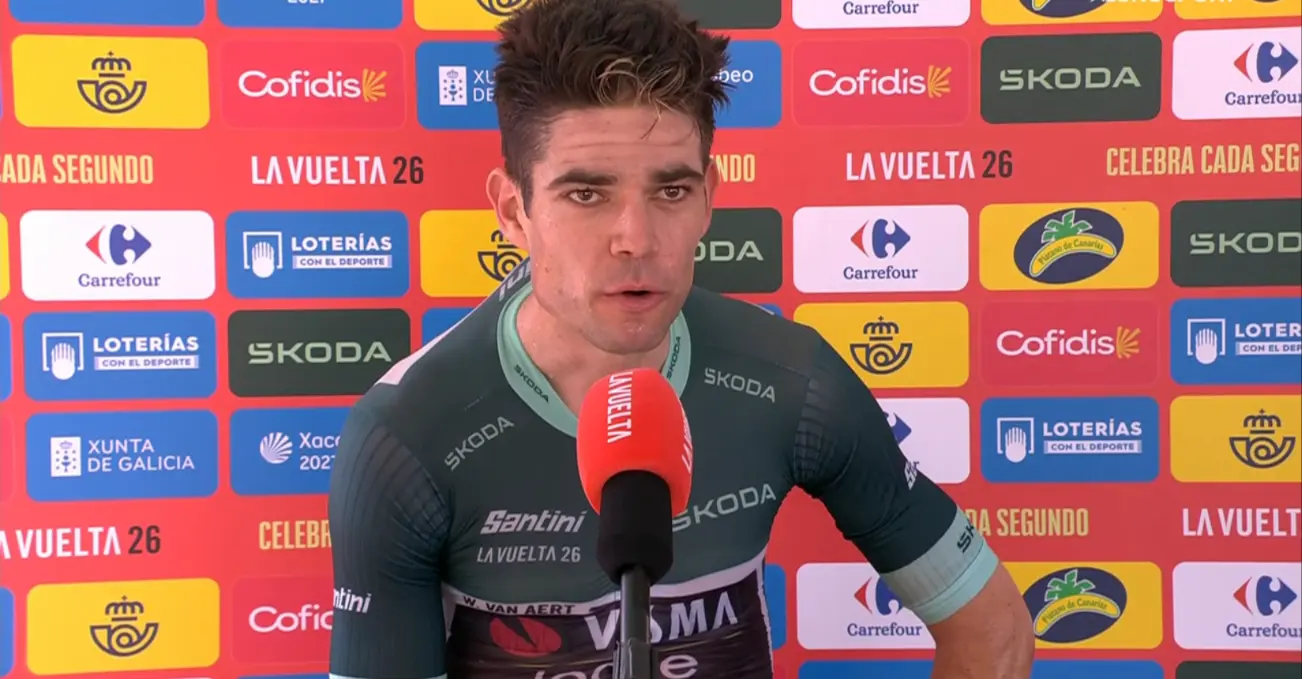
On the sporting side, Van Aert lived up to his status by finishing off the work and claiming another stage victory. Rampe was pleased to see the Team Visma | Lease a Bike star convert an opportunity after the disappointments he regularly experienced during the previous season.
“Wout van Aert performed like the calibre of rider we expect him to be, rather than the rider he always manages to be,” Rampe said. “The Belgian finished the job, far removed from the missed opportunities we became accustomed to seeing from him in 2025. The season of the Visma star is very welcome news.”
Time trial could decide the Vuelta
Enric Mas heads into the rest day with an even stronger grip on the red jersey. However, the general classification remains open ahead of the time trial in Jerez de la Frontera.
“We have reached the rest day with Enric Mas strengthening his position as leader of the Vuelta a Espana,” Rampe concluded. “Now we wait for the time trial in Jerez de la Frontera, which will act as the judge of this race, if Primoz Roglic finally decides to show up.”
Verdict
Shortening stage 15 was undoubtedly the correct decision. Asking riders to cover almost 190 kilometres in temperatures approaching 43 degrees would have been unnecessary and irresponsible, especially when the reduced route still produced an entertaining finale.
However, the organisers deserve criticism for failing to adjust the schedule. Extreme heat in Córdoba in early September was hardly unforeseeable. Starting several hours earlier could have allowed more of the original route to be retained while exposing the peloton to considerably lower temperatures. By keeping the original time slot, the Vuelta inevitably left itself open to questions over whether television interests were placed above rider welfare.
Sportingly, Wout van Aert once again demonstrated his class. Thibau Nys tried to change the race with a late attack and an early sprint, but both moves ultimately played into Van Aert’s hands. The Belgian remained composed, followed the right wheel and delivered a convincing sprint to claim his second victory of the race.
The general classification remains far less predictable. Enric Mas has strengthened his grip on the red jersey, but the time trial in Jerez de la Frontera could transform the race. Primoz Roglic must now show that he is capable of challenging Mas, while accumulated fatigue could create further surprises during the final mountain stages. The second week may be over, but this Vuelta is certainly not decided.
What did you make of the stage 15 of the 2026 Vuelta a Espana? Share your thoughts on the race, from the decisive moments and standout performances to the main talking points and incidents of the day. Did the stage unfold as you expected, and which riders impressed or disappointed you? Let us know your opinion in the comments and join the discussion.
Carlos Silva is a writer for CyclingUpToDate.com, where he contributes race reports, interviews, analysis pieces, and live coverage of the international cycling calendar. Holding a degree in Sports from the Jean Piaget Institute, he combines academic knowledge of performance, training, and competition with hands-on journalism experience in professional cycling.
Throughout his career, Carlos has conducted interviews with leading figures in the sport, including Alberto Contador, Joaquim Rodríguez, Óscar Pereiro, João Almeida, Isaac del Toro, Derek Gee, John Degenkolb and Geraint Thomas. These conversations reflect direct engagement with Grand Tour winners, Classics specialists, and emerging talents.
He has provided on-site coverage at major events ranging from the Vuelta a España to the Tour de France, alongside stage races such as Vuelta a Andalucía, Volta ao Algarve, Volta a Portugal and O Gran Camiño. Covering the mythical climbs of the Giro d'Italia remains one of his professional ambitions.
Carlos is responsible for liveblog coverage of all major WorldTour races and beyond, including the Tour de France, Giro d'Italia and Vuelta a España. His reporting integrates verified data from ProCyclingStats to ensure statistical accuracy, contextual depth, and analytical precision.
A lifelong cycling enthusiast, he approaches storytelling across written, photographic, and video formats with a focus on credibility, tactical insight, and informed race interpretation.
claps 2visitors 2
Just in
Popular news
Latest comments
- Campenaerts looked like a rolling pumpkin with that all orange leaders skinsuit !frieders318-10-2026
- He can take his dumb a$$ politics somehwere else !frieders318-10-2026
- good to have her back. fingers crossed she‘ll be able to stay!Ketterechts17-10-2026
- A tenner and he wins the Tour next year, too 😂anonymouscyclist17-10-2026
- the answer is either stick to classics or GTs but not bothabstractengineer17-10-2026
- the exodus already stared with Ciccone. Already they were struggling with two sprinters, now there are three. Also Ganna will demand leadership. Gall is the most proven GC, Ayuso has the most potential. GC leadership for everybody will be impossible. Literally a UAE style mess without pogi.abstractengineer17-10-2026
- I raced as an amateur for 12 years, including six years on my country’s national road cycling team. I secured two national titles and competed in three World Championships plus more than 15 international stage races. At 23, we travelled to Italy for a training camp—or so I assumed. On a rest day, we watched a presentation about adopting a more “professional” training approach. It was crystal clear what “professional” meant. That moment first exposed me to this dilemma. After returning from Italy, I left cycling—at least at the competitive level I had known. Over the following two years, the whole team was caught doping. I hold that everyone is innocent until proven guilty. In my view, current stakeholders operate on a different scale, and the sums involved are vast. I am unsure whether any doping would ever be revealed. I try to stay positive and enjoy the show. My 2c.
 vannpelt17-10-2026
 - Fiver he wins 🤣
 leedorney17-10-2026
 - “…measures to reduce speeds.” Might as well shorten the race course to just 50km as well? ASO generates at minimum €300m a year and 30- 40% profit. Maybe stop being greedy and spend more of the profit to protect the riders instead.b3tlla17-10-2026
- he also had quite the life off the bike during his pro years. he used his celebrity status to full affect.mij17-10-2026
Loading
Write a comment