DISCUSSION 2026 Men’s Elite World Championships - Did hesitation cost Van der Poel and Pidcock the rainbow jersey in Montréal?
Cycling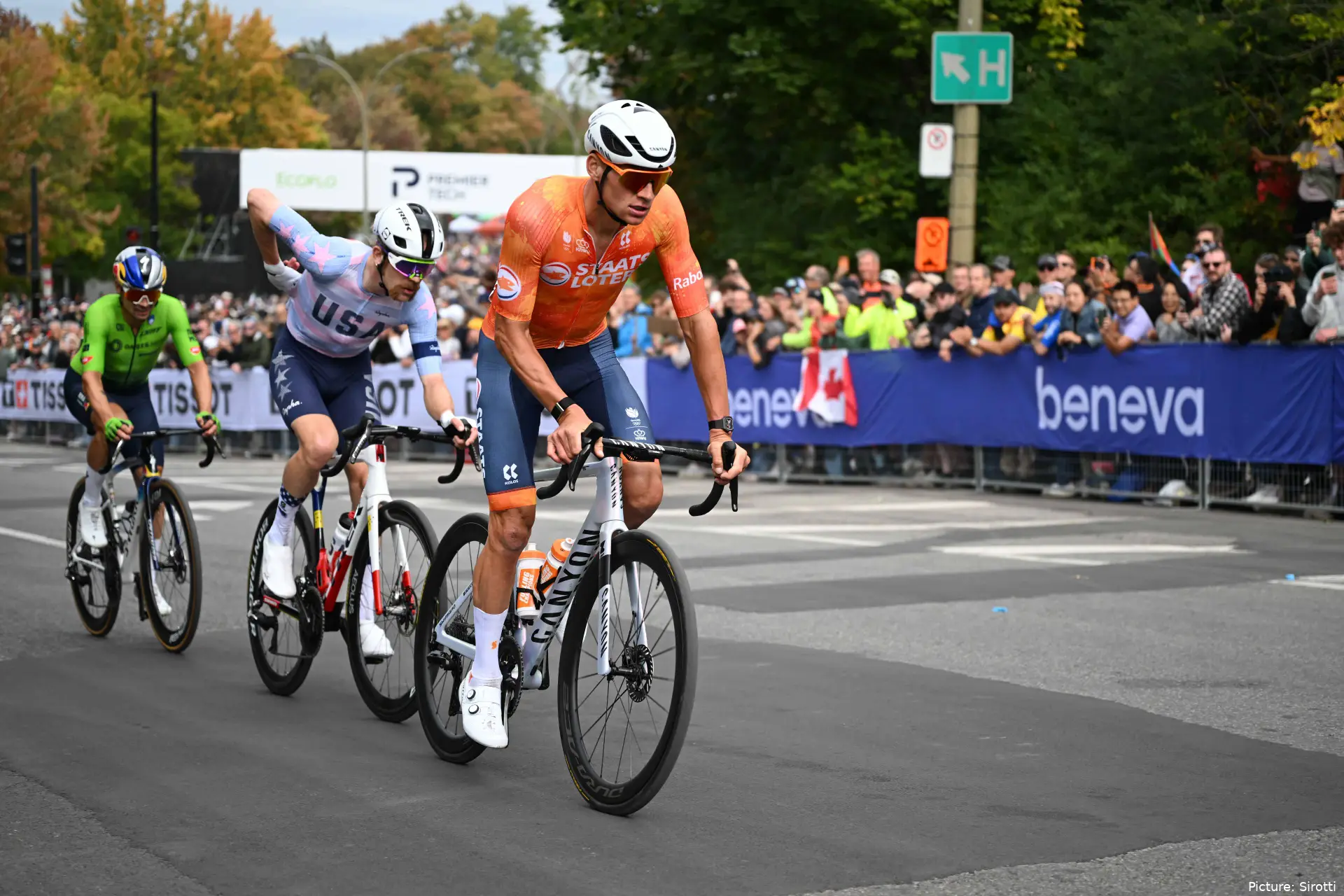
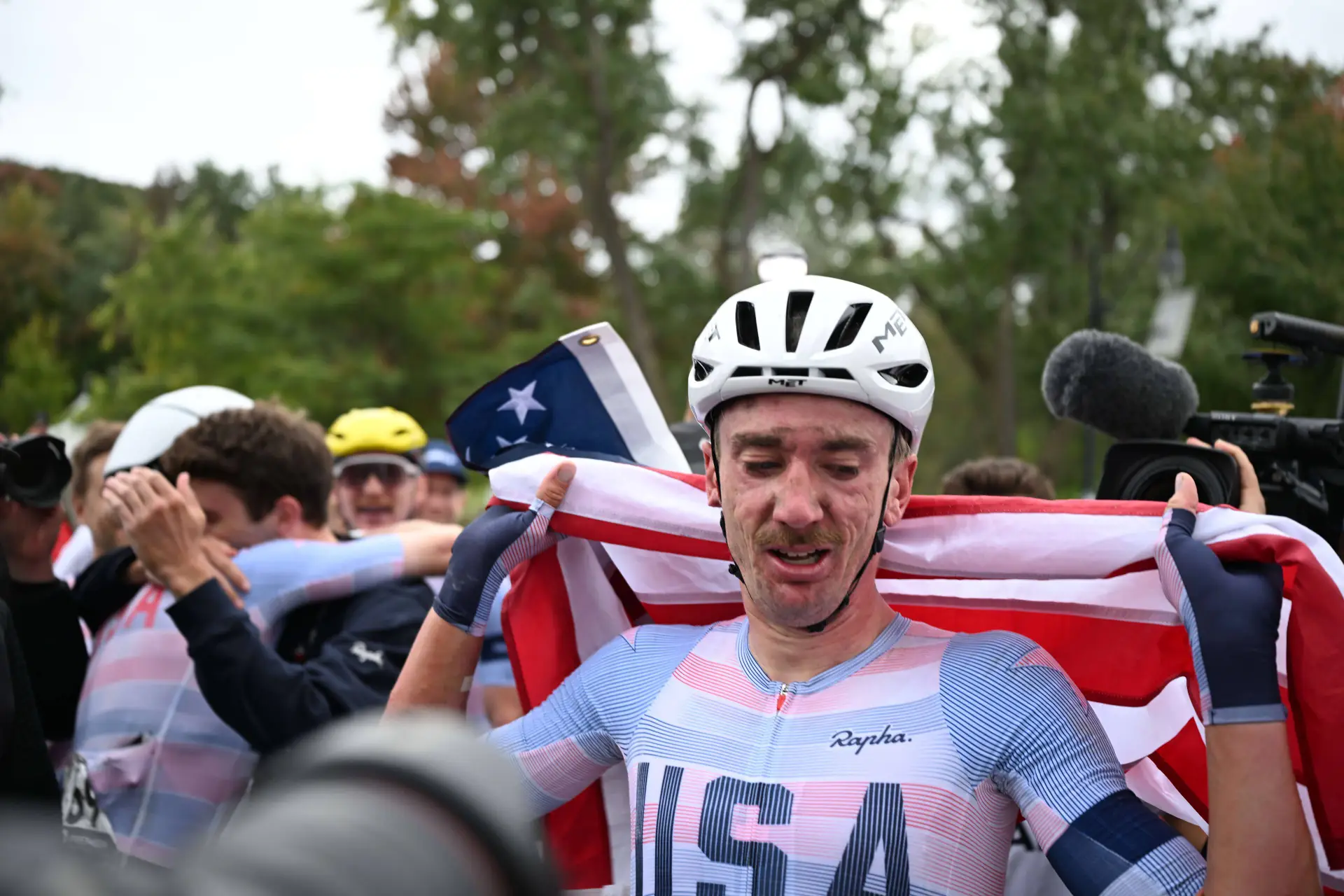
Brandon McNulty won the elite men’s road race at the 2026 World Championships in Montréal, ending the United States’ 33-year wait for a rainbow jersey. The race took place on Sunday 27 September, without defending champion Tadej Pogacar, whose crash at the Vuelta a Espana ruled him out for the remainder of the season. His absence opened the contest to a wide range of potential winners.
The race exploded more than 90 kilometres from the finish, with Mathieu van der Poel, Wout van Aert, Primoz Roglic, Oscar Onley, Quinn Simmons and Anthon Charmig forming a dangerous group. Van der Poel repeatedly attacked and helped tear the race apart, while Ben Healy, Remco Evenepoel, Isaac Del Toro, Paul Seixas and Tom Pidcock were among those trying to regain contact.
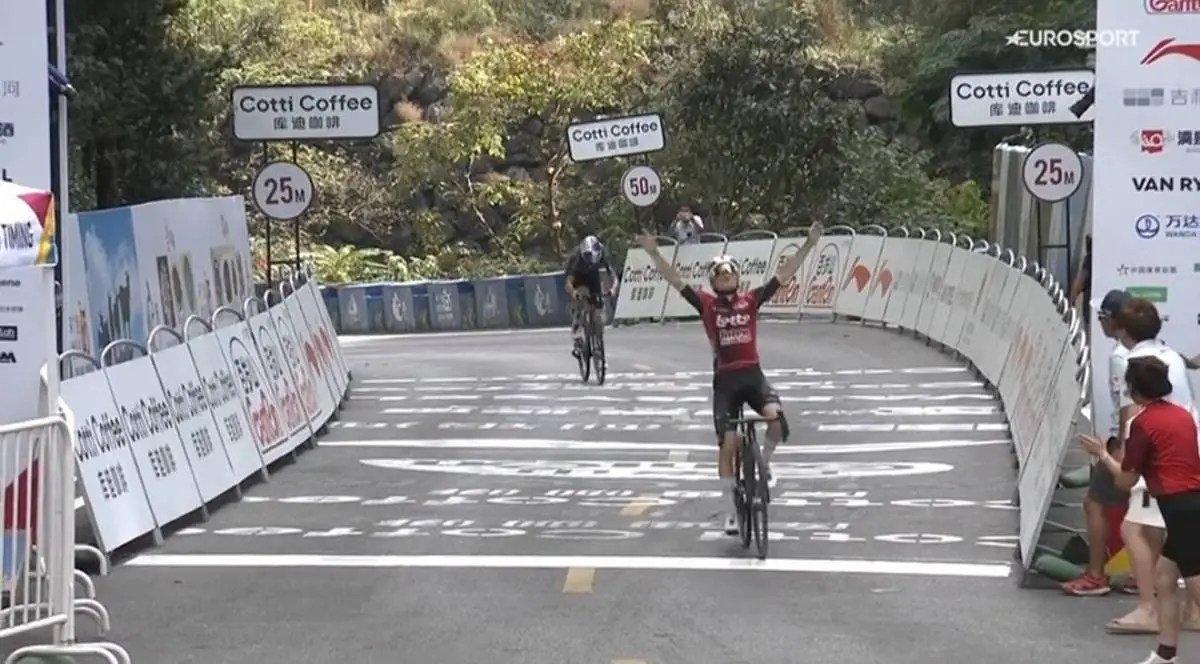
McNulty made the decisive move with 31 kilometres remaining. The American quickly built an advantage of more than a minute as his compatriots Simmons and Matteo Jorgenson disrupted the chase. He reached the final lap with a lead of around 53 seconds, but Pidcock and Giulio Ciccone reduced the gap to approximately ten seconds on the final ascent of the Côte Camillien-Houde.
Just when McNulty appeared likely to be caught, the cooperation among the chasers disappeared. Their hesitation allowed him to increase his advantage again and enter the final kilometre with the rainbow jersey within reach.
McNulty crossed the finish line after 6:17:04, 13 seconds ahead of his nearest rival. Michael Matthews completed a remarkable performance to claim silver for Australia, while Van der Poel secured the bronze medal after spending much of the final 70 kilometres attacking and attempting to shape the race.
Rúben Silva of CyclingUpToDate followed the men’s elite road race at the 2026 World Championships in Montréal. After Brandon McNulty claimed the rainbow jersey, Rúben shared his thoughts on the decisive tactical battle, the performances of the main favourites and the collective strength of the United States.
A spectacular tactical battle
For Rúben, the race lived up to its billing and produced a fascinating contest between riders with very different qualities.
“I think it was an amazing race from start to finish, with so many different race situations that it was truly thrilling,” Rúben reflected. “On a course where the specialties of the main favourites were perfectly balanced, we had a battle that came down mostly to tactics.”
The possibility that a tactical move would decide the world title had been anticipated before the start. However, the way the race developed still provided plenty of excitement.
“The idea that a tactical move would decide the race was predictable, but exciting,” he continued. “The Classics specialists tried to be part of that move, while the climbers tried to control it. There was a perfect balance, and it was a race in which everyone seemed to attack or find themselves in a very specific race situation."
“It was spectacular. Without Tadej Pogacar, having a race of this calibre contested in this way made it perhaps the best World Championships I can remember.”
Evenepoel and Van Aert lack the legs, Van der Poel commits from distance
Belgium entered the race with Remco Evenepoel and Wout van Aert among its leading options. Both riders attempted to influence the outcome, but neither had the strength required to make the decisive difference.
“Remco Evenepoel lacked the legs,” Rúben explained. “He had the endurance and attacked in his own way, but he could not make the difference. Wout van Aert tried, but he did not have the legs to deliver afterwards.”
Mathieu van der Poel adopted an aggressive approach and began racing at full intensity a long way from the finish. With limited support around him, the Dutchman attempted to shape the race himself.
“Mathieu van der Poel had no team and raced to the maximum from very early on, as I expected,” Rúben said. “The plan worked to perfection, but somebody else got lucky in the finale.”
Matthews and Pedersen exceed expectations
Michael Matthews was one of the biggest surprises of the race for Rúben. The Australian remained in contention and ultimately fought for the medals.
“Michael Matthews was an incredible surprise to me,” he admitted. “I never expected to see him there.”
Mads Pedersen also produced a performance that went far beyond Rúben’s expectations. After appearing unlikely to challenge for a result, the Dane used his endurance to return to the front during the finale.
“Mads Pedersen, whom I believed had no chance of even fighting for a result, produced one of his best climbing performances ever and came from nowhere in the finale to regain contact,” Rúben said. “His endurance was the very best, and it was an insane ride just to reach the front.”
Del Toro and Seixas control the race
Isaac Del Toro performed as Rúben had anticipated, although the Mexican was unable to make the difference when the decisive moment arrived.
“Isaac Del Toro raced as expected but could not make the difference when it mattered,” he explained. “He and Paul Seixas joined forces to try to keep the race under control and did so successfully until the final two laps.”
Seixas once again demonstrated his considerable ability, but the length of the race ultimately exposed the young Frenchman’s lack of experience.
“Seixas is a tremendous rider, but his young age still showed as he once again struggled in the longer race.”
Pidcock and Healy refuse to hide
Tom Pidcock and Ben Healy both adopted the aggressive approach required to challenge for the rainbow jersey. However, neither managed to enter the move that ultimately decided the race.
“Tom Pidcock and Ben Healy produced gutsy rides and did exactly what they had to do: attack constantly,” Rúben said. “But the pace was high all day long, and they were not the riders who made the winning move.”
United States execute the perfect race
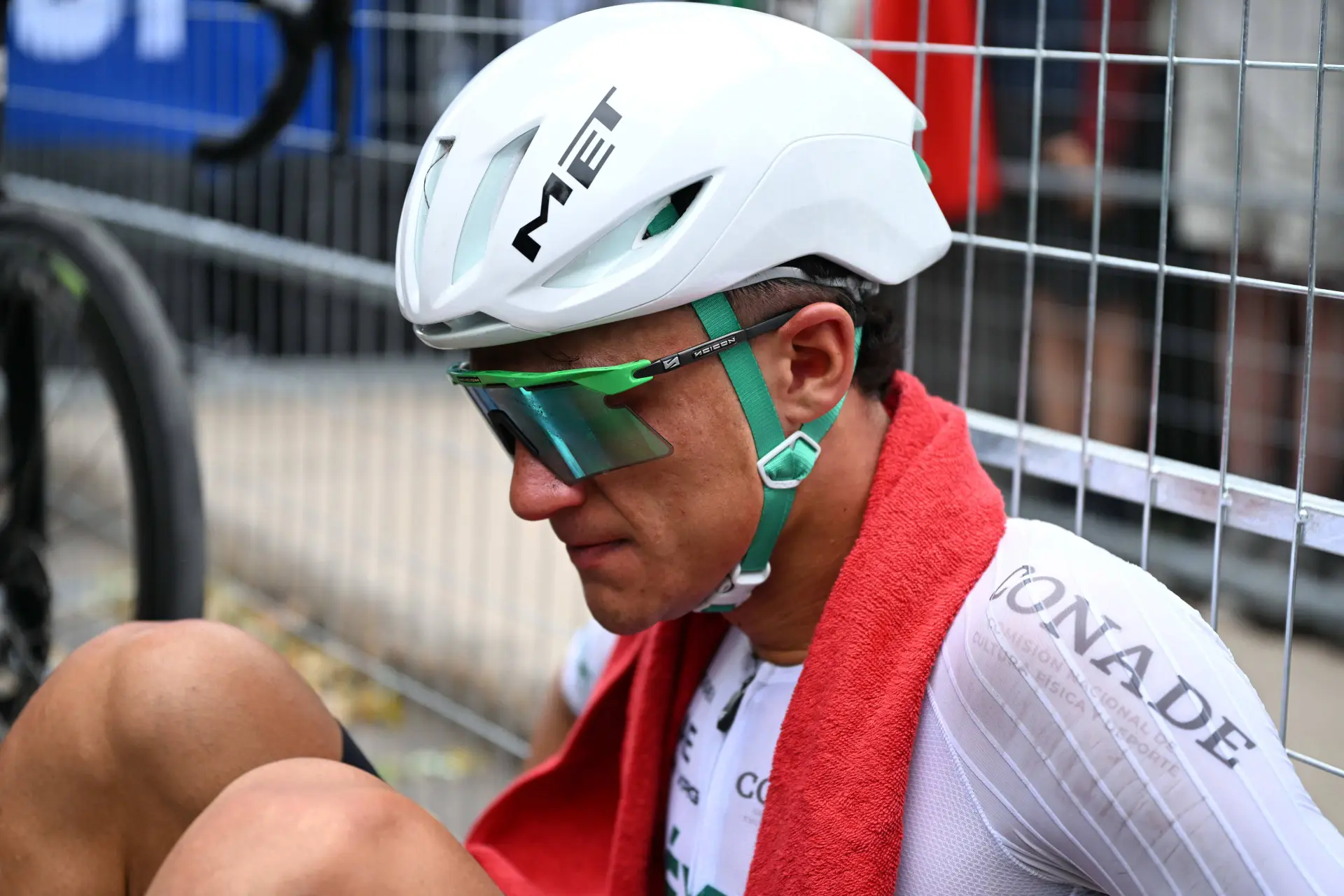
Rúben reserved his greatest praise for the United States. Quinn Simmons, Matteo Jorgenson and eventual winner McNulty combined tactical awareness with the physical strength required to control the decisive moments.
“The USA were tactically and physically perfect and deserved the victory,” he said. “Simmons delivered what he does best, allowing McNulty and Jorgenson to save themselves while helping Simmons at the same time.”
At that stage of the race, Rúben believed that any member of the American trio could have gone on to claim the rainbow jersey. McNulty ultimately appeared to be the strongest option and chose the perfect moment to attack.
“Any one of the trio could have won at that moment, but the UAE rider looked the best and was able to time his attack to perfection,” Rúben concluded. “At exactly the moment when the Van der Poel group stopped, he maintained the pressure while everybody else looked for some relief. It was a well-deserved victory.”

Primoz Roglic in action at the 2026 Montreal World Championships
Carlos Silva of CyclingUpToDate followed the men’s elite road race at the 2026 World Championships in Montréal, Canada, on Sunday. After Brandon McNulty completed a remarkable solo ride to claim the rainbow jersey, Silva shared his thoughts on an unforgettable race, Tom Pidcock’s performance and the tactical decisions that shaped the outcome.
“This may have been the best race of 2026,” Silva reflected. “The men’s road race at the World Championships in Montréal was a true celebration of cycling. It was a constant battle to see who would end the day in the rainbow jersey.”
McNulty ultimately emerged victorious after making the decisive move and holding off the chasing riders in a tense finale. Although the American had not been mentioned among the leading favourites as often as some of the other contenders, his victory did not come as a complete surprise to Silva.
“McNulty was the dark horse that nobody really wanted to back before the start,” he explained. “I have to admit that, when I went for a bike ride in the morning before starting work on the Live coverage for CyclingUpToDate, I spoke to the people around me and said: ‘Why not McNulty?’
“Deep down, I had a feeling that somebody outside the names who had been discussed most during the week would win the race. If you had asked me beforehand, I honestly would have said McNulty or Wout van Aert. If Van Aert had shown the same legs that he had at the Vuelta a Espana, he could have had a great opportunity to become world champion.”
Evenepoel unable to impose himself
Remco Evenepoel entered the race as one of the main contenders, but the Belgian struggled to make his usual impact on the demanding Montréal circuit. At one point, Wout van Aert helped his compatriot catch up with the group again.
“It did not surprise me to see Van Aert take on the role of a domestique,” Silva said. “He did something that perhaps his teammate would not have done in the same situation. When Van Aert realised that he did not have the legs and that his own race was effectively over, he gave Evenepoel one final pull to try to bring him back.”
That assistance was not enough to put Evenepoel back in contention for the rainbow jersey.
“It simply was not Remco’s day,” Silva continued. “Perhaps the others were stronger, or perhaps Remco was having a less successful day. What is certain is that he never really looked comfortable on that circuit, especially on the climb. It was too obvious that he was losing ground there.
“It was not a climb that suited him, and he spent too much energy repeatedly trying to regain contact. It was a disappointing race by his standards. His final result outside the top ten was not the most important thing, because he had come to Montréal for the rainbow jersey.”

Brandon McNulty claims victory with a historic show in Montréal
Six hours of relentless attacking
Evenepoel’s difficulties did little to reduce the quality of the spectacle. With no race radios and several nations lacking an undisputed leader, the attacks continued throughout the decisive phase of the race.
“The riders put on a tremendous show,” Silva said. “They were hitting each other with one powerful attack after another. It was attack followed by counterattack. They genuinely wanted to hurt each other, and that is partly what racing without radios produces."
“Everybody wants to become world champion, everybody wants to win and nobody wants to do the work. The riders who do work are not necessarily rewarded at the end.”
Italy were among the nations that entered the race without one obvious leader. That gave several of their riders the freedom to anticipate and attempt to surprise the main contenders.
“Italy did not have a true leader, but they had a team packed with very good riders who could attack from distance,” Silva observed. “Giulio Ciccone eventually finished as the best Italian. Christian Scaroni and Davide Piganzoli also rode well, but Ciccone was the one who remained with the strongest riders.”
Pidcock deserved more
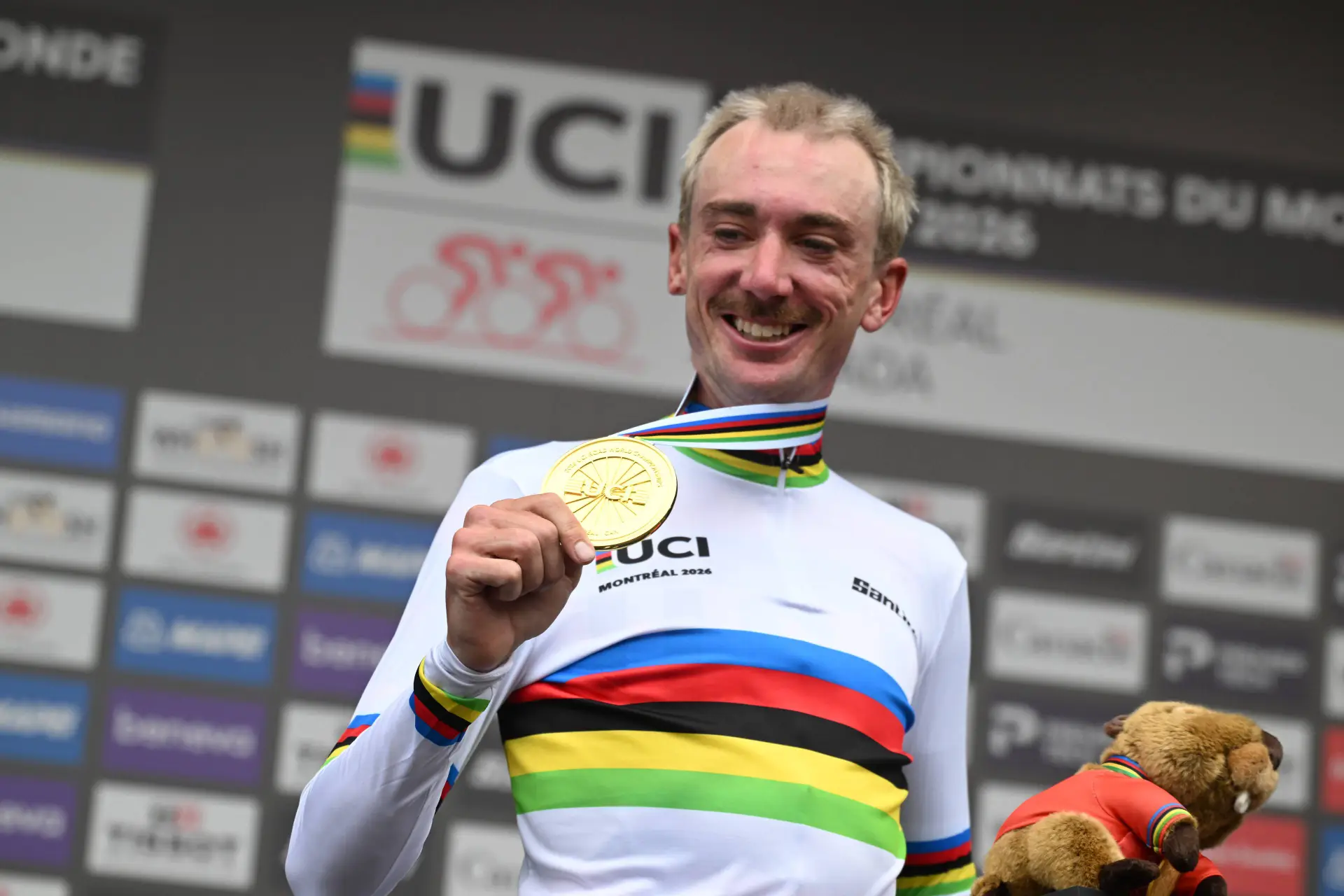
Tom Pidcock produced one of the outstanding performances of the race. The British rider was forced to spend a considerable amount of energy chasing his way back into contention but continued to work and attack after returning to the front.
“I felt sorry for Pidcock because he rode an exceptional race,” Silva said. “If anybody deserved the title, it was him. We have to remember that he had been around a minute behind the group, but he produced an extraordinary effort to get back."
“Even after returning to the front, he did not hide. He worked, fought and attacked. He tried in every possible way to encourage the group to chase McNulty. They came so close. At one point, they were only around ten, twelve or perhaps fifteen seconds behind him.”
However, the cooperation required to close the final gap never materialised.
“There was simply not enough collaboration among the riders chasing McNulty,” Silva explained. “When they completed the final climb, you had to wonder how riders who wanted to become world champion could sit there looking at each other."
“Even on the descent, the speed was not particularly high. More riders kept returning to the group. It had initially been a small group, but suddenly another three, four, five or six riders were back, and all of them wanted to attack.”
Silva was particularly impressed by Mauro Schmid and Mads Pedersen, who both remained involved deep into the race.
“Mauro Schmid surprised me, and Pedersen surprised me as well,” he admitted. “Pedersen had abandoned the Vuelta a Espana, so we did not know how good his condition would be. Yet he managed to stay with some of the strongest riders."
“In a race of that distance, it is not simply about identifying the strongest rider. You have to manage your energy, make sure you eat properly and know when to attack.”
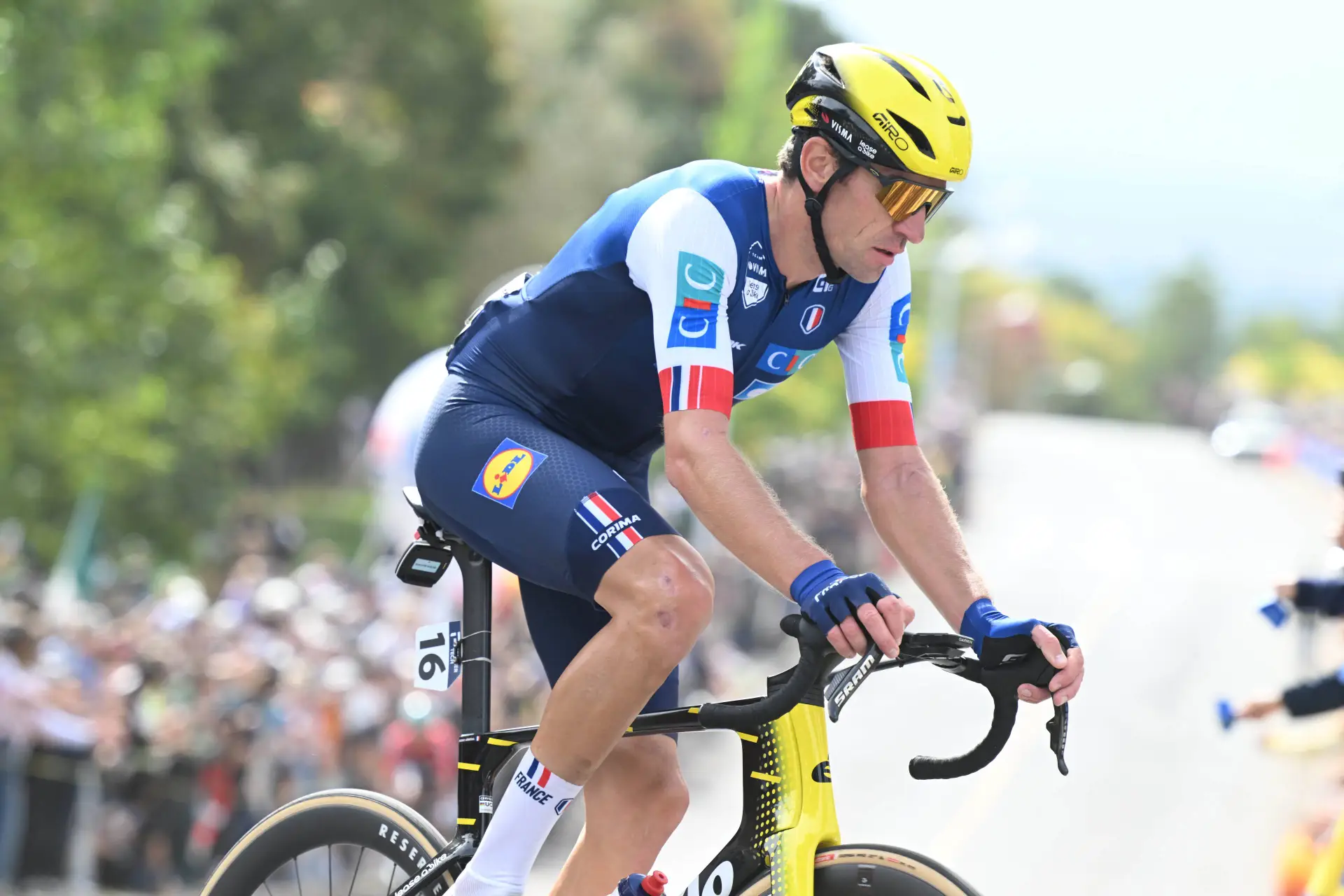
France pay the price for backing Seixas
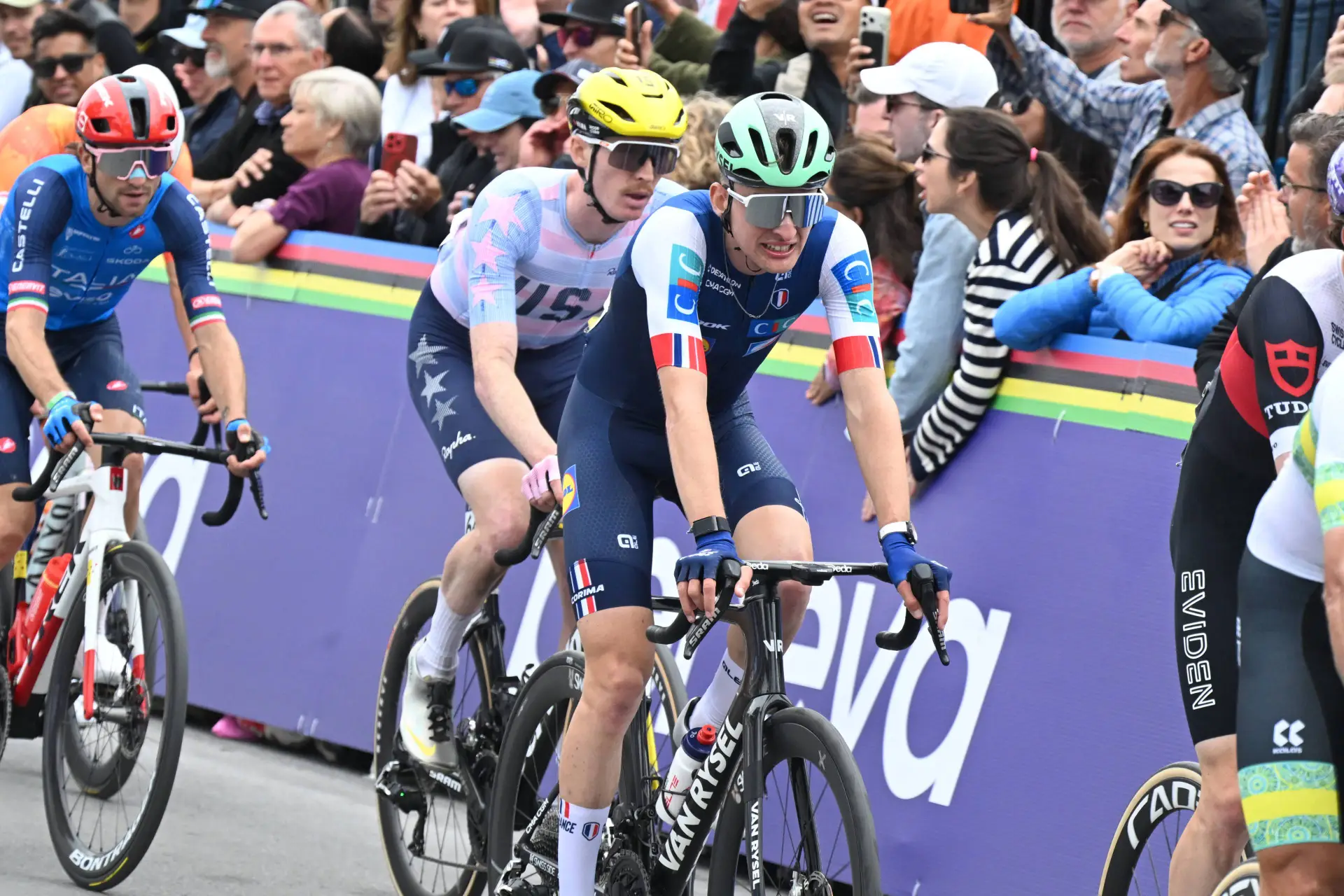
France took responsibility for much of the early work on the Montréal circuit. Bruno Armirail helped reduce the breakaway’s advantage during the opening laps as the French team committed themselves to Paul Seixas.
“Armirail did a tremendous amount of work during the first two laps of the circuit,” Silva noted. “The breakaway was not especially strong, but he still did an excellent job of taking back all the time they had gained."
“But what was it all for? It was all for Paul Seixas. I think France were one of the biggest losers of the day because they put everything behind him.”
According to Silva, the 19-year-old ultimately paid the price for his lack of experience at the very highest level.
“Seixas had teammates working for him, as well as riders from other teams who will become his teammates next year. In the end, he paid for his lack of experience and maturity. He paid the price for being only 19 years old."
“Cramp took hold of him, and he ultimately finished with a modest result. He was unable to achieve the objective France had set for him.”
Questions over Great Britain’s tactics
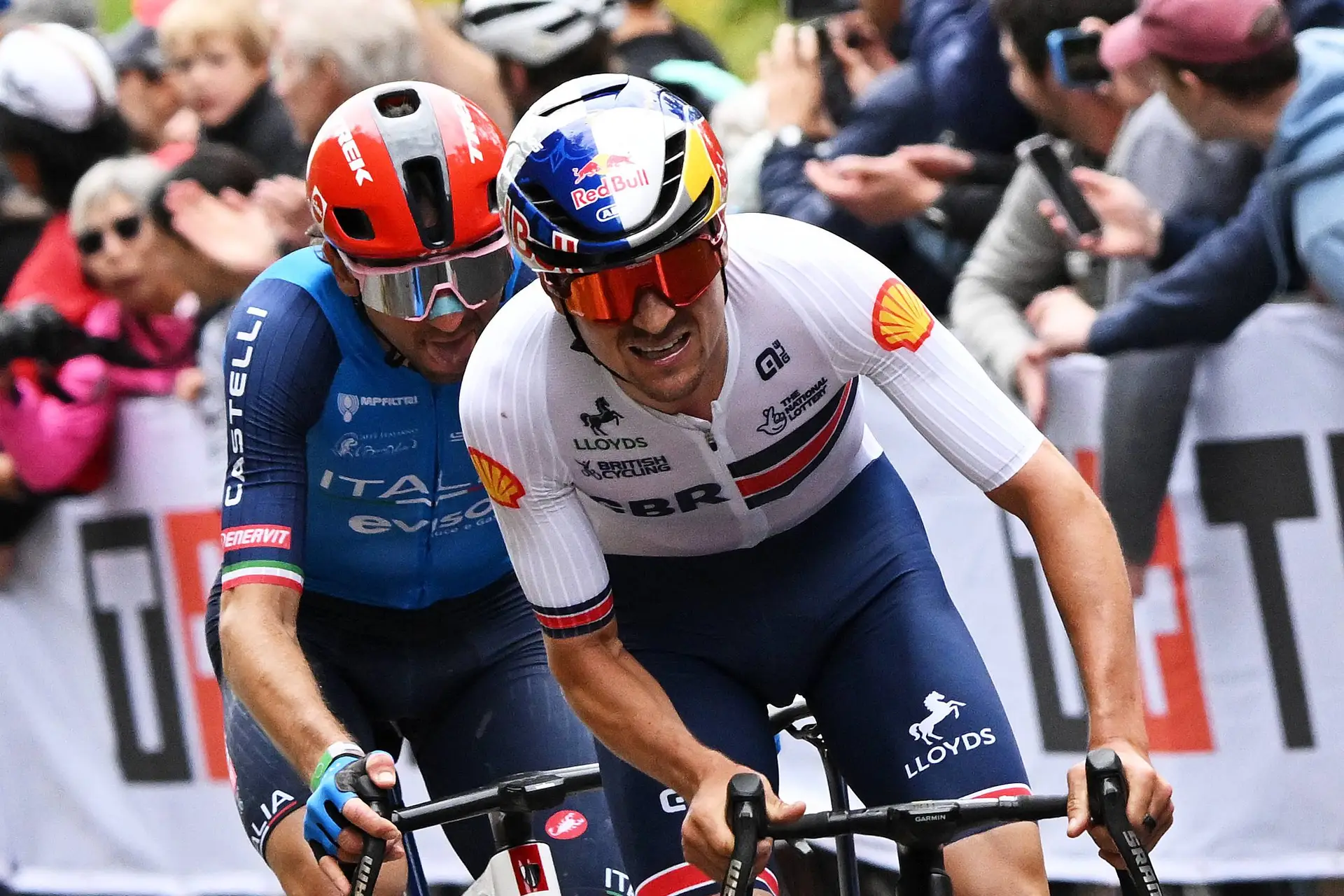
While the United States raced with a clear collective objective, Silva felt that Great Britain’s riders appeared to be pursuing their own individual opportunities.
“Everybody is entitled to race for themselves,” he said. “But perhaps that lack of a true leader was one of the reasons McNulty and the United States were able to win the title."
“Look at Matteo Jorgenson’s comments after the race. He said that they wanted to win and that it did not matter which rider did it. They had Quinn Simmons and McNulty, but the important thing was that the United States won.”
Oscar Onley followed a move involving Van der Poel, while Simmons also played an active role in the attacks. Silva nevertheless questioned whether Pidcock might have had a better chance with more support.
“We have to be honest and ask the question: what might have happened if Pidcock had received help from Onley? Van Aert helped Evenepoel when he needed it. Would it not have been fair for Pidcock to receive that same kind of support?”
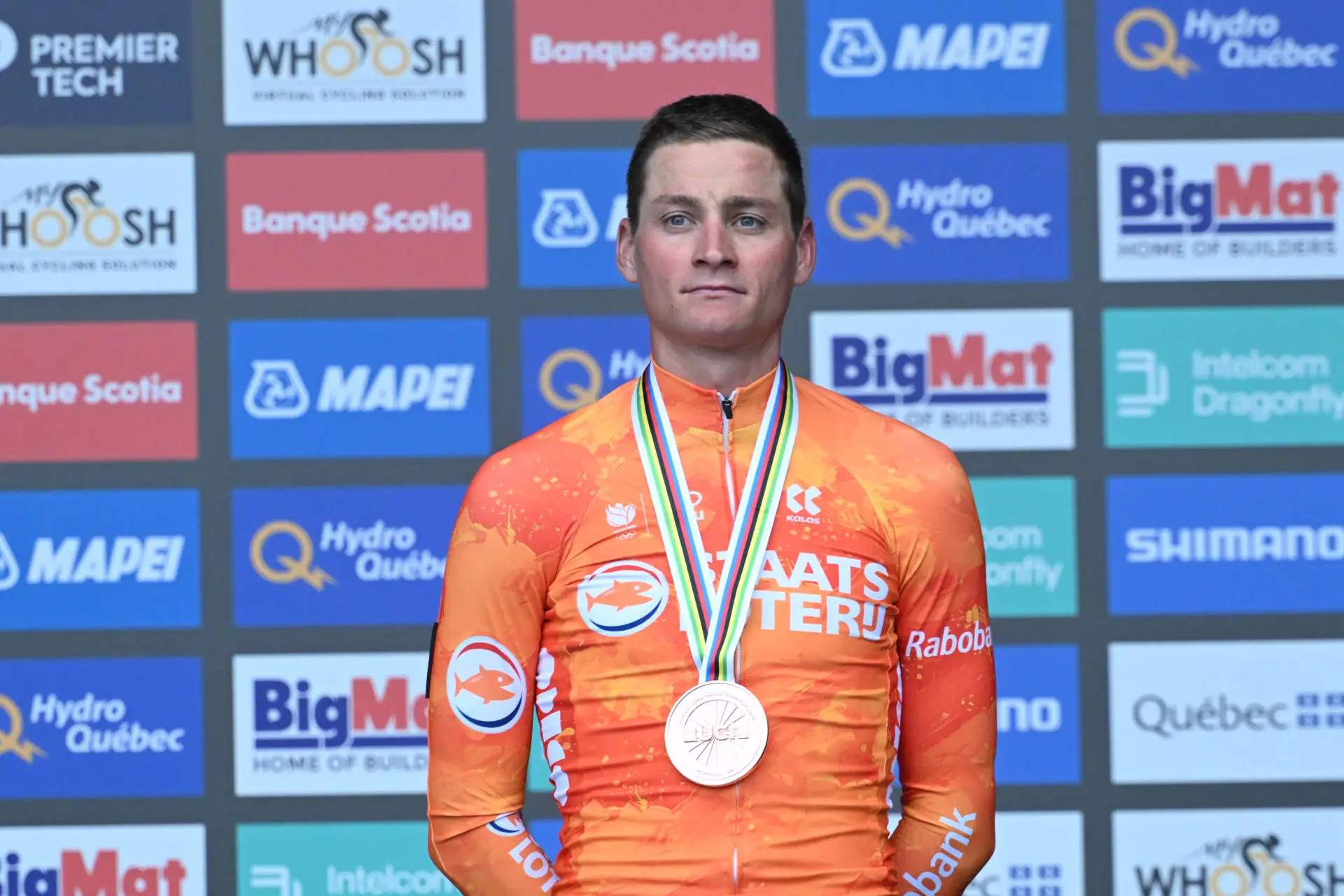
Roglic and Healy animate the race
Silva also highlighted Primoz Roglic and Ben Healy among the riders who made a strong impression in Montréal.
“Roglic produced a great ride,” he said. “At a certain point, I think he must have started dreaming about winning a medal. It was wonderful to see Roglic racing like that, and I was genuinely happy to watch him.”
Healy eventually finished tenth after spending much of the race on the offensive.
“Ben Healy performed at his usual level,” Silva continued. “He finished inside the top ten in tenth place and rode an exceptional race. He was constantly exposed at the front and attacked countless times. Nobody could accuse him of failing to make the race entertaining.”
For Silva, the men’s road race in Montréal offered virtually everything that makes the World Championships unique.
“It was a World Championship worthy of the highest praise,” he concluded. “We had six hours of pure cycling and pure adrenaline. Everybody was completely absorbed because the outcome remained uncertain until the very end."
“Something could happen at any moment. Nobody knew who was going to win, and there was always suspense about what might happen on the next lap or in the next kilometre. It was spectacular."
“If many of the riders who competed in Montréal are also on the start line at next weekend’s European Championships, then we are guaranteed another great spectacle.”

Ben Healy in action at the 2026 Montreal World Championships
Jorge Borreguero of CiclismoAlDia followed the men’s elite road race at the World Championships in Montréal. After Brandon McNulty claimed the rainbow jersey, Borreguero analysed the American’s decisive move, the lack of cooperation among the chasers and Spain’s performance.
McNulty chooses the perfect moment
McNulty may not have been the strongest rider in the race, according to Borreguero, but the American demonstrated the tactical awareness required to become world champion.
“Brandon McNulty may not have been the strongest rider at the World Championships - in my opinion, that was Mathieu van der Poel - but he was the rider who best understood when it was time to gamble for the rainbow jersey,” Borreguero explained.
The race had already been broken apart by repeated attacks when McNulty made his decisive move with 31 kilometres remaining. Once he established an advantage, he committed himself fully to the effort.
“In a completely fragmented race, with constant attacks and the favourites trying to make moves time and time again, the American found the perfect moment with 31 kilometres remaining and then turned his advantage into a genuine individual time trial towards glory.”
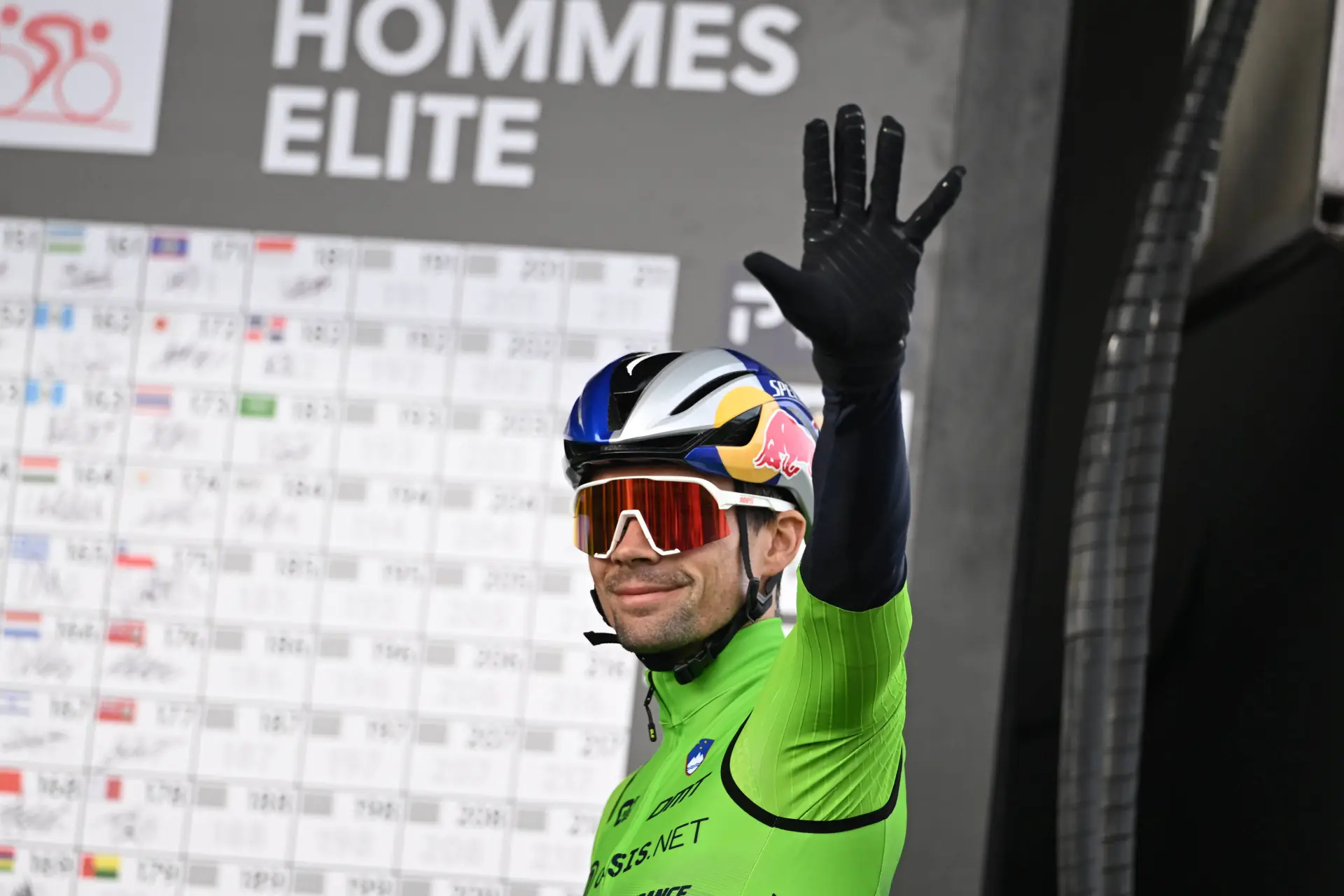
Chasers fail to work together
McNulty still faced a difficult task because many of the biggest names remained in the chasing group. However, their repeated attempts to close the gap never developed into an organised pursuit.
“The most impressive thing was his ability to remain calm when practically all the big names were behind him,” Borreguero continued. “Van der Poel, Evenepoel, Pidcock, Seixas, Ciccone, Jorgenson and Isaac Del Toro tried in different ways, but they never managed to organise a sufficiently strong chase.”
Every moment of hesitation among his rivals increased McNulty’s chances of completing the move. The American continued to defend his advantage and eventually secured the rainbow jersey.
“McNulty took advantage of every second of hesitation and ultimately held on to claim an unquestionable gold medal.”
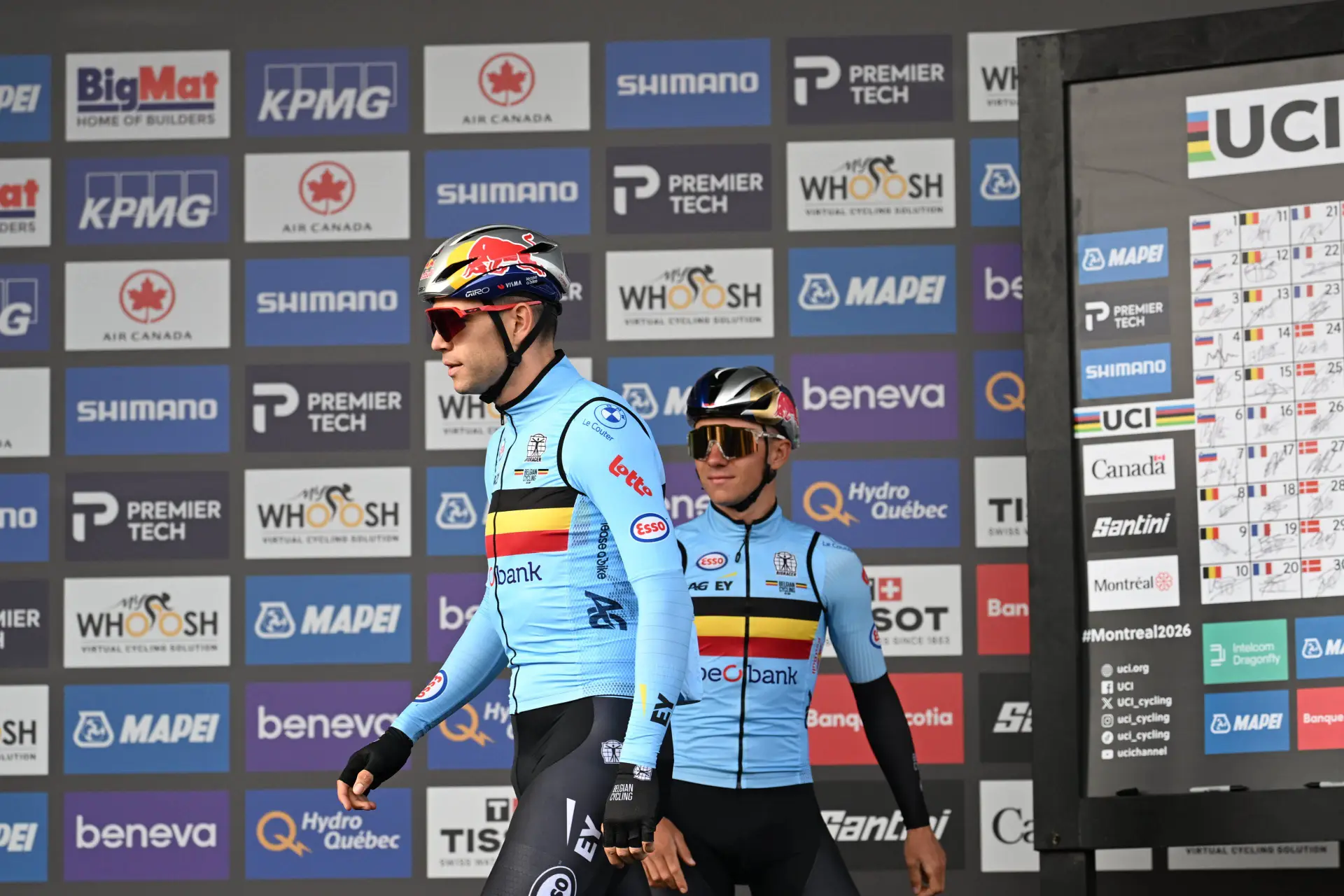
Jorgenson protects McNulty’s advantage
Matteo Jorgenson also played an important role in the success of the United States. Whenever riders attempted to accelerate from the chasing group, Jorgenson responded and helped protect McNulty’s position at the front.
“Matteo Jorgenson’s outstanding work deserves to be mentioned here, as he was responsible for neutralising every acceleration attempted from the group in order to wear down McNulty’s rivals.”
Although McNulty represented the United States in Montréal, Borreguero also highlighted what the result means for his trade team. McNulty succeeds UAE Team Emirates - XRG teammate Tadej Pogacar as world champion.
“Furthermore, the victory has a special significance for UAE Team Emirates - XRG,” he said. “McNulty takes over from Tadej Pogacar and keeps the rainbow jersey within the same team, something that further strengthens the Emirati team’s dominance on cycling’s biggest stages in recent times.”
Spain miss out on the medal battle
The race produced a more disappointing outcome for Spain. Juan Ayuso stayed closest to the front of the race, but he was unable to remain in contention until the decisive phase.
“For Spain, however, the outcome is more complicated,” Borreguero concluded. “Juan Ayuso was the only rider who managed to remain genuinely close to the battle at the front, although he was dropped much earlier than expected, while Enric Mas, Raúl García Pierna and Markel Beloki eventually lost contact before the decisive phase."
“The national team was present at different moments, but it did not manage to place any rider in the final battle for the medals.”

Tom Pidcock in action at the 2026 Montreal World Championships
Javier Rampe of CiclismoAlDia gave his assessment of the men’s elite road race at the World Championships in Montréal, where Brandon McNulty claimed the rainbow jersey for the United States.
McNulty strikes gold in Montréal
McNulty ensured that the rainbow jersey remained with a UAE Team Emirates-XRG rider for another year. Although the World Championships are contested by national teams, Rampe believes that the American’s victory also reflected the mentality of his trade team.
“Brandon McNulty is golden: the American retains the rainbow jersey for UAE Team one year later,” Rampe said. “Although this race is contested by national teams, in his case the United States, the rider from Arizona wins thanks to the attacking spirit of the ‘Matxín factory’.”
At 28 years of age, McNulty reached the top step of the podium after recognising the moment when he needed to make his decisive move.
“At 28 years of age, he climbs onto the top step of the podium in Montréal after a race in which, with the exception of Mathieu van der Poel, everyone focused on watching their opponent’s wheel instead of launching a decisive move,” Rampe explained.
Van der Poel had attempted to open up the race with an earlier move before McNulty launched the attack that ultimately delivered the world title.
“The Dutchman did so prematurely during the race and McNulty subsequently did, supported by an enormous stifling effort from the American team.”
Jorgenson and Simmons play crucial roles
McNulty’s victory was also the result of the work performed by his American teammates. Matteo Jorgenson and Quinn Simmons repeatedly responded whenever riders attempted to escape from the chasing group.
“This gold medal would not have been possible without riders such as Matteo Jorgenson or Quinn Simmons, who absorbed every move made by Giulio Ciccone or Ben Healy.”
Their efforts prevented McNulty’s rivals from creating a coordinated pursuit and allowed the American at the front to continue his push towards the rainbow jersey.
The absence of Tadej Pogacar created a more unpredictable race, but Rampe was critical of the indecision among the favourites. Many of the contenders monitored each other without committing themselves to a definitive attack.
“Without Pogacar, the race was more open and nervous, despite the mediocre stalemate within a peloton lacking a definitive initiative,” he said. “There were only timid and lukewarm changes of pace reminiscent of Enric Mas at his worst, who, incidentally, ultimately abandoned the race.”
Read also
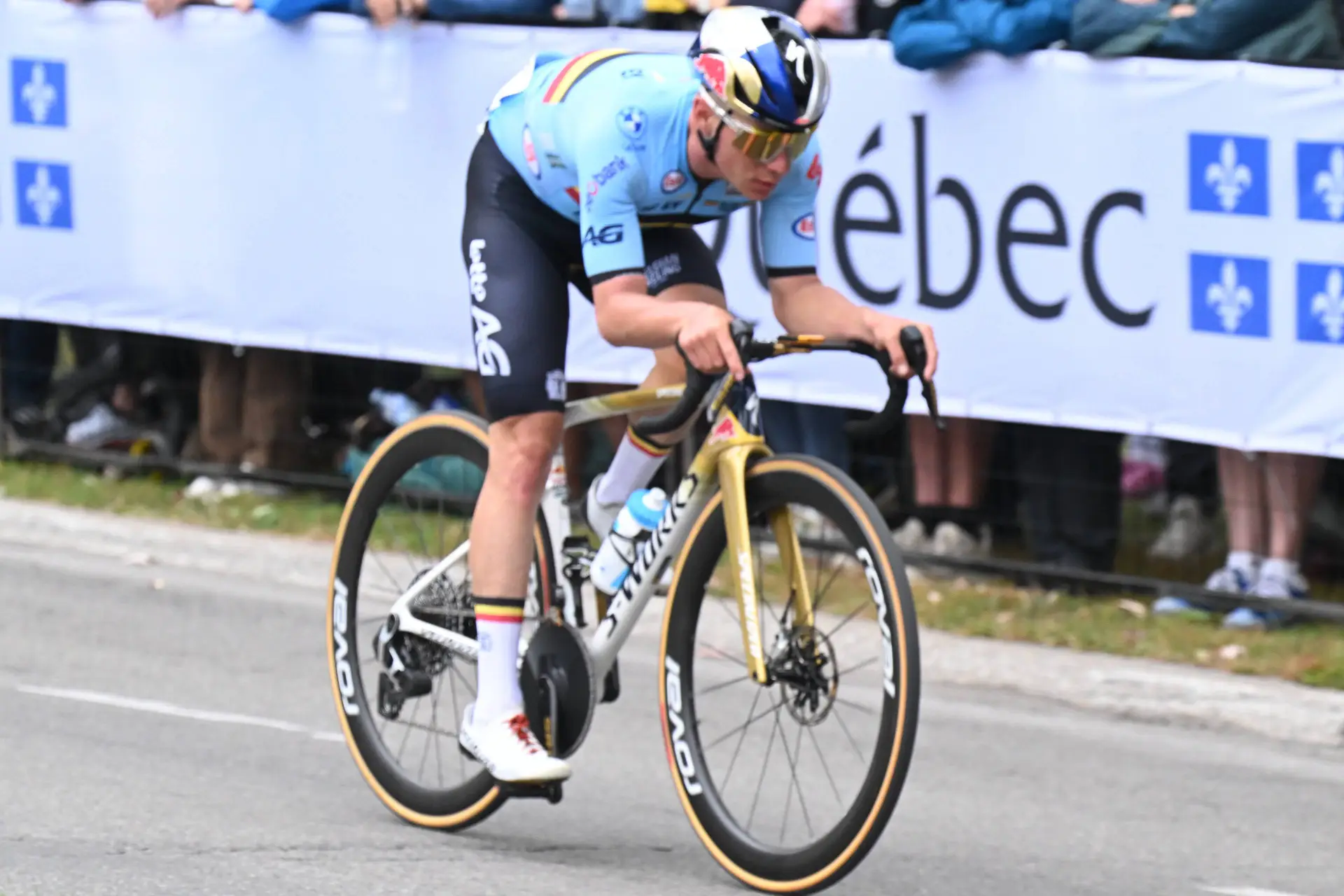
Spain fall below expectations
Rampe was also highly critical of Spain’s performance in Montréal. Juan Ayuso was left without sufficient support a long way from the finish, leaving him in an unsustainable position during the decisive part of the race.
“From a Spanish perspective, it was a performance below expectations: mediocre and senseless,” Rampe continued. “Juan Ayuso found himself alone with almost more than 100 kilometres remaining. Something unsustainable for Alejandro Valverde and the line-up he selected for the Canadian course.”
Another Montréal victory for McNulty
One year after his previous success in the Canadian city, McNulty once again celebrated victory in Montréal. This time, however, the prize was the biggest of his career: the rainbow jersey.
“McNulty won in Montréal again, one year later,” Rampe concluded. “He will surely like this victory more.”
Verdict
The 2026 men’s elite road race delivered everything a World Championship should offer: uncertainty, relentless attacks, tactical tension and a deserving winner. Brandon McNulty may not have been the strongest rider on the road, but he read the decisive moment better than anybody else. His attack came precisely when the favourites hesitated, while Matteo Jorgenson and Quinn Simmons provided the perfect tactical protection behind.
Mathieu van der Poel arguably produced the strongest individual performance. Without much team support, he attacked from distance and repeatedly forced the other contenders to react. Tom Pidcock and Ben Healy also raced courageously, while Michael Matthews and Mads Pedersen surpassed expectations with remarkable displays of endurance.
For Belgium, the race ended in disappointment. Remco Evenepoel and Wout van Aert tried to influence proceedings but lacked the legs to decide the outcome. France also invested heavily in Paul Seixas, whose youth and limited experience in such a long race eventually showed. Spain, meanwhile, never managed to place a rider in the final medal battle.
Ultimately, the United States combined strength, numbers and tactical discipline better than any other nation. McNulty capitalised on the hesitation of his rivals and completed a perfectly timed move to become a worthy world champion after an unforgettable race.
What did you think of the men’s elite road race at the 2026 World Championships? Share your thoughts on the decisive moments, standout performances, main talking points and incidents of the day. Did the race unfold as you expected, and which riders impressed or disappointed you? Let us know your opinion in the comments and join the discussion.
Carlos Silva is a writer for CyclingUpToDate.com, where he contributes race reports, interviews, analysis pieces, and live coverage of the international cycling calendar. Holding a degree in Sports from the Jean Piaget Institute, he combines academic knowledge of performance, training, and competition with hands-on journalism experience in professional cycling.
Throughout his career, Carlos has conducted interviews with leading figures in the sport, including Alberto Contador, Joaquim Rodríguez, Óscar Pereiro, João Almeida, Isaac del Toro, Derek Gee, John Degenkolb and Geraint Thomas. These conversations reflect direct engagement with Grand Tour winners, Classics specialists, and emerging talents.
He has provided on-site coverage at major events ranging from the Vuelta a España to the Tour de France, alongside stage races such as Vuelta a Andalucía, Volta ao Algarve, Volta a Portugal and O Gran Camiño. Covering the mythical climbs of the Giro d'Italia remains one of his professional ambitions.
Carlos is responsible for liveblog coverage of all major WorldTour races and beyond, including the Tour de France, Giro d'Italia and Vuelta a España. His reporting integrates verified data from ProCyclingStats to ensure statistical accuracy, contextual depth, and analytical precision.
A lifelong cycling enthusiast, he approaches storytelling across written, photographic, and video formats with a focus on credibility, tactical insight, and informed race interpretation.
claps 3visitors 2
Just in
Popular news
Latest comments
- Ah sigh, the end of the Italian fall classics. I don't know why I love these so much, but I do. I wonder if there is a way to make a racing series out of the races that go off pavement, creating a points competition out of races like Strade Bianchi, Flanders Field, Tro Bro Leon, Paris-Tours, the Veneto Classic, and the others that add some gravel and farm paths. We talk about the cobbled classics, but there are enough gravel classics for some branding, no?RidesHills18-10-2026
- If many commenters here absolutely believe that the top cyclists in the world are doping than the only logical conclusion based on actual results is that Pogacar is the greatest and best at doping cyclist the sport has ever beheld.Is this your conclusion or do I have to be assailed by more hemming and hawing by "thats not quite what I meant" isms.
 Brucegel18-10-2026
 - he was cut off i believe. To be in UAE is like to be in real madrid and barcelona combined. And he simply wasnt up to par and hence cut by the team..Starting to feel like a gossip site with these fake headlines.miguel18-10-2026
- what a misleading headline, again - he wasn't even on the main team. it is written like such a big loss. this is meaningless.mij18-10-2026
- what a demolition by Remcomij18-10-2026
- what are you saying, was Vine drafting off Remco? I didn't see it.mij18-10-2026
- There is nothing wrong with suspicion in this sense. It is not like any of those guys are on trial or paying for it, on the contrary, they are the ones reaping rewards whilst there is no proof. If you can’t be suspicious, you never search for proof or create pressure for it (and it never falls from the sky). Plenty of the older guys have either admitted or crossed the threshold of reasonable doubt. That creates a pattern which any thoughtful person or AI would consider as representative of some constant average reality. If I see young guys driving super sportscars in trashy neighbourhoods , I (and you) will suspect many things without specifically accusing anyone of anything because there is always some unlikely possibility it’s legit for a few but we can all assume most cases are not.Jumpyjohn18-10-2026
- MG is much worse than you describeJumpyjohn18-10-2026
- Ask the middle east to fund your sports and you can be rid of political interference ;-)Jumpyjohn18-10-2026
- Thank you for your experience which completely mirrors what my environment taught me. Obviously I wouldn’t be getting any secret admissions from those who made it to the very top (but the levels they fall back to post career is already quite revealing in itself) but almost all those who were on their way and stopped of their own accord tell the same story. And those who believe cycling is so well checked, easy to say when you compare to sports that hardly care but explain why so few are caught and banned in comparison to e.g. athletics (if you even know some of the numbers).Jumpyjohn18-10-2026
Loading
Write a comment