“You can arrive at the climb already at 180 or 190bpm” – Alberto Contador warns Tour de France Femmes favourites battle starts before Mont Ventoux
Cycling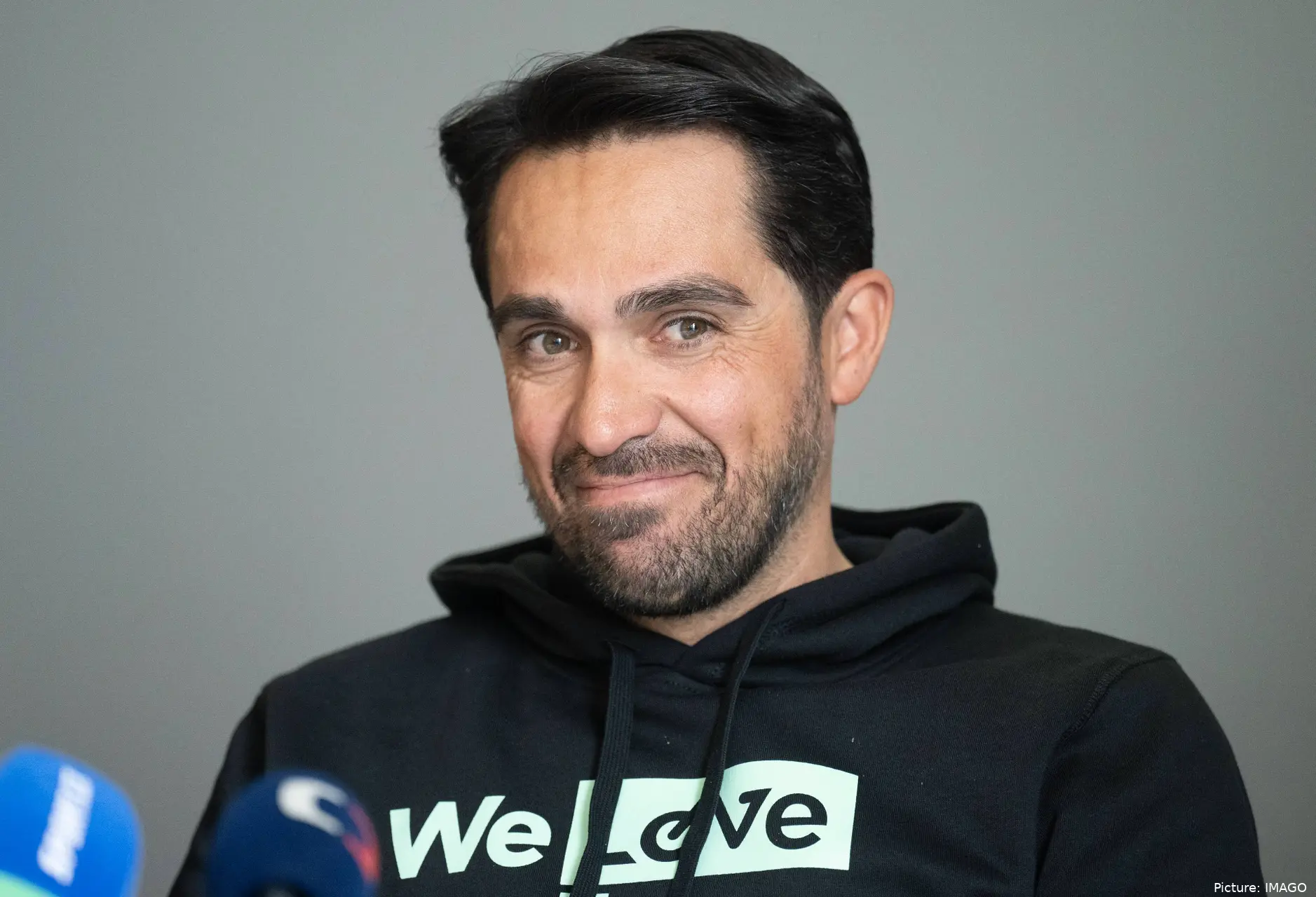
Mont Ventoux will dominate Stage 7 of the Tour de France Femmes, but Alberto Contador has warned Marlen Reusser, Demi Vollering and the rest of the yellow jersey contenders that one of the hardest parts of the day could arrive before the famous climb has even officially begun.
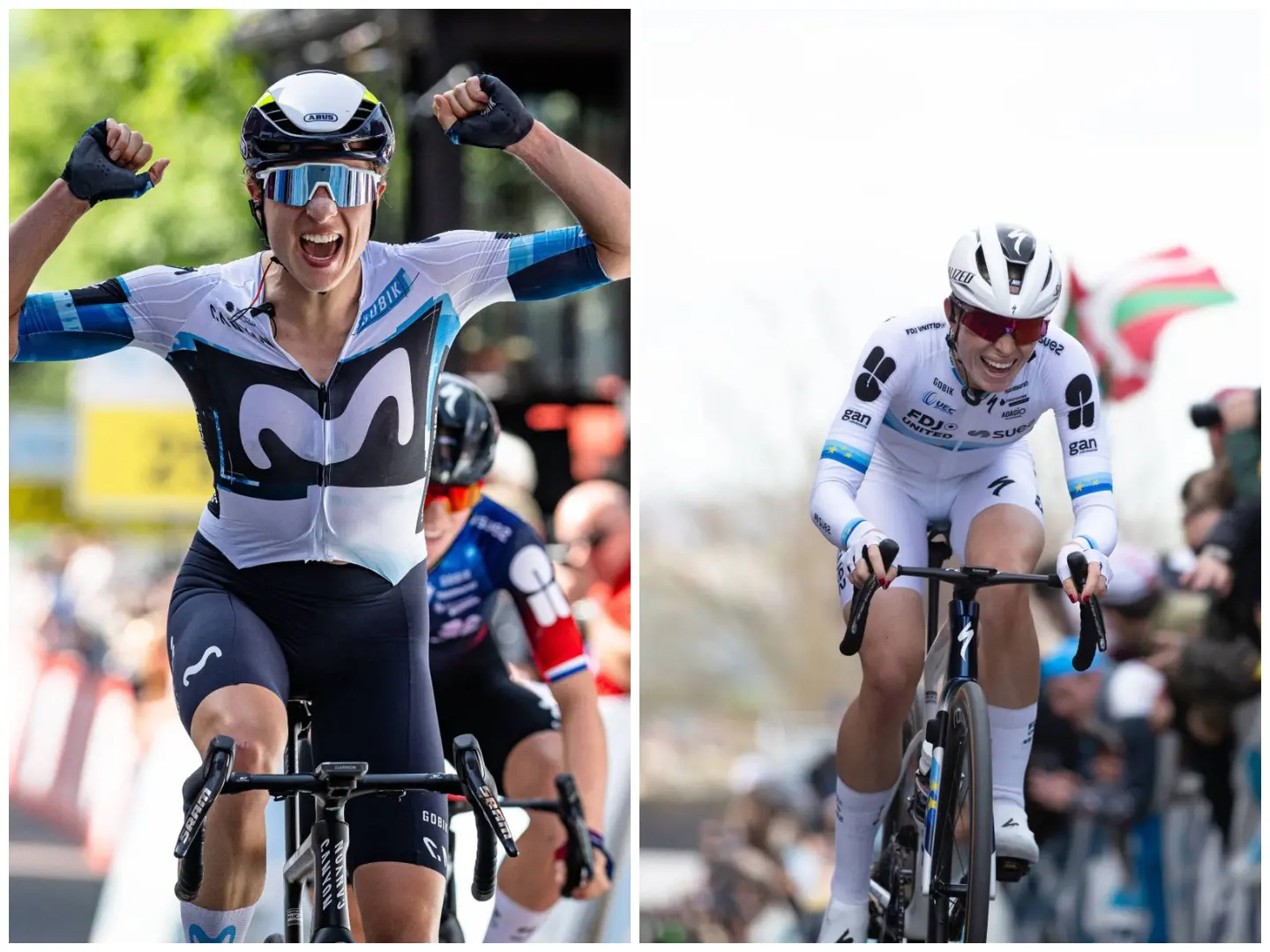
Reusser heads into Friday's stage with just 12 seconds separating her from Vollering after the pair finished together on Stage 6. Kasia Niewiadoma-Phinney remains firmly in contention at 1:17, while Elisa Longo Borghini has moved back up to fourth at 2:28.
The summit finish on Mont Ventoux provides the biggest climbing test of the race so far. From the official foot, the ascent measures 15.7 kilometres at an average of 8.8%, but Contador believes focusing solely on those numbers misses an important part of what makes the mountain so difficult.
Speaking to Eurosport ahead of the stage, the two-time Tour de France winner highlighted the exposed approach to Ventoux, where crosswinds can leave riders fighting for position and already riding close to their limit before the road begins climbing properly.
“The first eight kilometres are extremely hard”
“The seven or eight kilometres beforehand are extremely hard because sometimes the peloton is completely strung out in the gutter because of the wind,” Contador explained. “I remember on some occasions at the Dauphine or the Tour de France arriving at the start of the climb already at 180 or 190 beats per minute purely from the approach.”
There is little respite once the riders reach the official beginning of Mont Ventoux. “You pass the banner marking the official start of the climb and immediately the road settles into sustained gradients of nine or ten per cent,” Contador said.
Unlike climbs broken up by hairpins or short sections of easier road, the forested lower slopes of Ventoux provide few obvious places to recover. The road points relentlessly upwards and, according to Contador, riders can physically watch the race disappearing ahead of them once they begin to struggle.
“There are no big bends in the first part and you can see the group gradually disappearing away from you,” he explained. “The first eight kilometres are extremely hard.”
That section could be particularly important for Reusser. The yellow jersey impressed by matching repeated accelerations from Vollering on the shorter and steeper Mont Brouilly on Stage 5, but Ventoux presents a very different test, with a long sustained effort likely to expose even relatively small differences between the leading climbers.

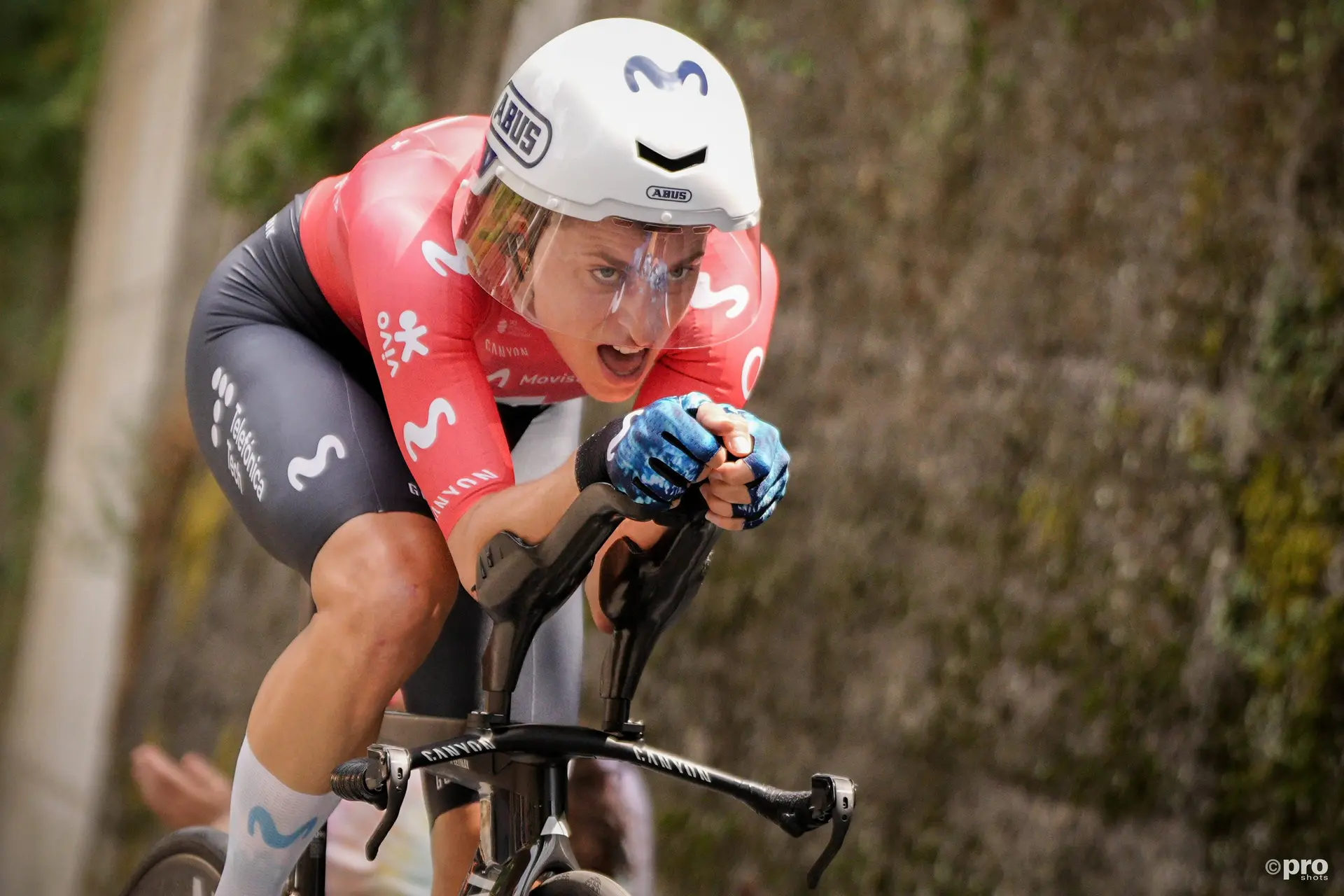
Marlen Reusser will defend the Maillot Jaune on Mont Ventoux
Wind adds another variable above the trees
The nature of Ventoux changes once the race leaves the forest and reaches the exposed upper slopes that give the mountain its unmistakable appearance.
By that stage, Contador believes surviving the earlier attacks can become almost as important as launching one. “When the wooded section ends and you enter the windy area, if you have managed to survive your rivals' attacks, you can shelter in the wheel and perhaps save your day,” he said.
The gradient eases slightly higher up the mountain, but the lack of shelter leaves riders increasingly exposed to the weather. “You reach the lunar terrain with better asphalt, where it is easier to pedal and the gradient is lower, around seven per cent,” Contador explained.
The famous final approach towards the antenna then provides one last opportunity for gaps to open before the summit. “It is a climb that makes the difference and it is unlike any other,” Contador concluded.
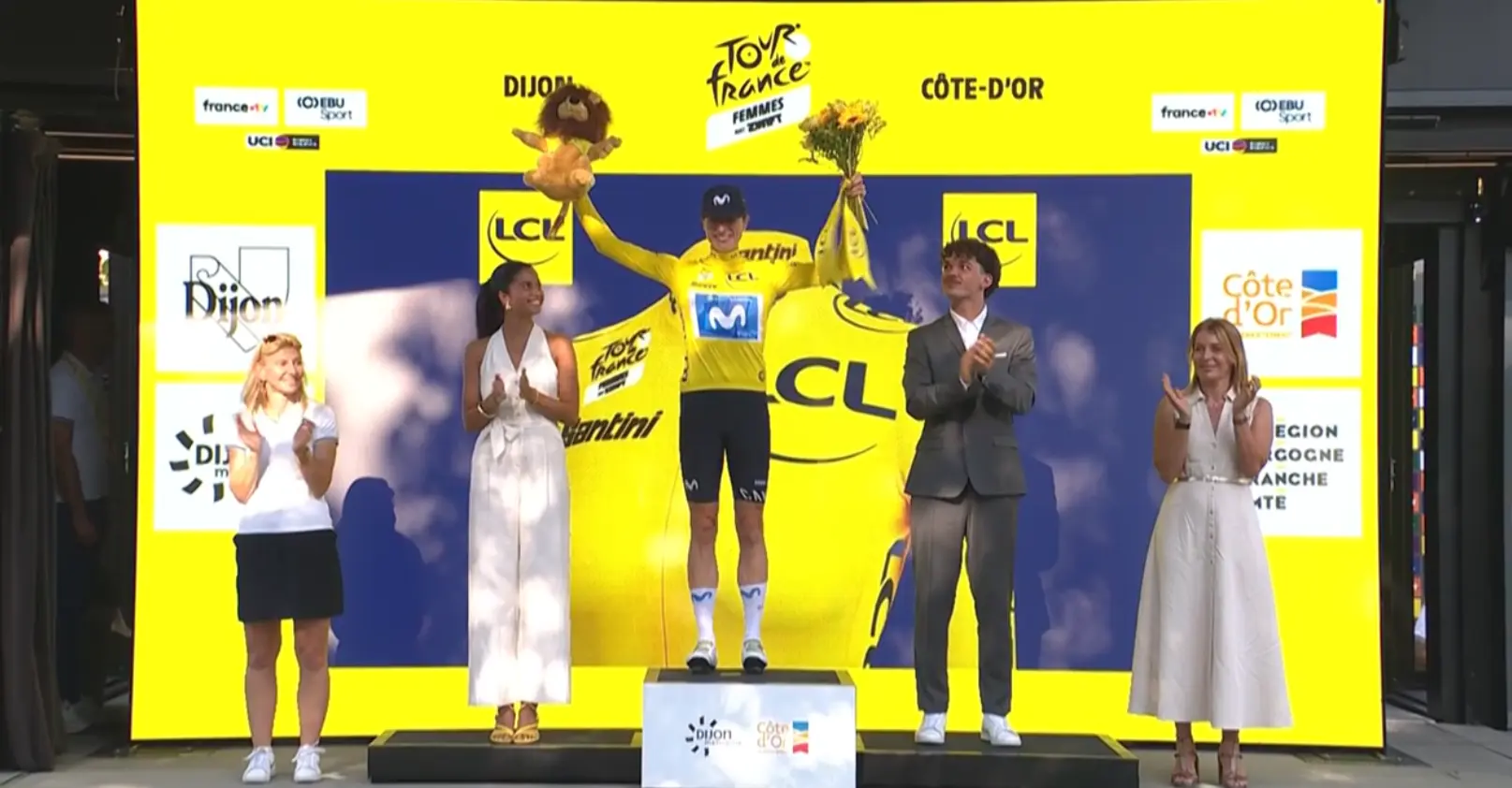
Reusser has successfully defended yellow through two demanding road stages since winning the Dijon time trial, while Vollering has repeatedly tested her without yet managing to dislodge the Swiss rider. Niewiadoma-Phinney also looked among the strongest climbers on Stage 5, and Longo Borghini recovered 30 seconds on the leading GC trio through an aggressive Stage 6.
Mont Ventoux offers considerably less room for tactical hiding. Before the favourites can begin fighting their way towards its iconic summit, however, Contador expects the battle for position on the exposed roads below to have already taken its toll.

Kieran WoodDeputy Editor-in-Chief
Kieran Wood is a sports journalist based in Wales and has been active in journalism since 2022. He regularly contributes to DartsNews.com and CyclingUpToDate.com, where he covers professional cycling and darts. In cycling, his work includes liveblogs from major races, including the Tour de France, the Giro d’Italia, and La Vuelta a España, alongside race reports and analysis. He has also conducted interviews with professional riders.
His reporting spans the full racing calendar, from one-day classics to stage races, with a focus on accurate, real-time coverage and clear contextual analysis. For statistics, results, and historical context, he regularly uses resources such as ProCyclingStats. To support reporting on rider activity and training context where relevant, he also references Strava.
In his work, Kieran places strong emphasis on careful sourcing, editorial accuracy, and updating articles as new, verified information becomes available.
claps 0visitors 0
Just in
Popular news
Latest comments
- i dont think this team is all in for womens cycling ,it aint lack of funds ....funny that.
 Davide07-10-2026
 - Would luv to see him pull off a big win.Another good team mate like Wally.Davide07-10-2026
- You can't win if you don't race! Guess you still don't understand that concept CAPISH !frieders307-10-2026
- At this point, Tadej doesn't just need an aero helmet; he needs a restraining order and a fruit basket sent to Mou’s house just to keep him from declaring war on the entire Visma LAB, or Remco subreddit (or any other subreddit that isn’t dedicated to his truly).anonymouscyclist06-10-2026
- question: photo finish pictures have been released for many races. do they all lack the finish line on the ground or is this only here the case?Ketterechts06-10-2026
- Cool that Remco has done that. it's one record that is likely to stand a long time and won't be taken by pogimobk06-10-2026
- Poor pogi. There is literally nothing more cringe than fanboys like this.mobk06-10-2026
- :)Hills3306-10-2026
- Hey Hills old chap, I read your posts again and yeah, I guess we're on the same wavelength :)PogiSloFans06-10-2026
- Ayrton Senna used to say: second place is just the first loser. If Tadej is in the race, everyone else is a loser. Remco included. ;)MajorPayne06-10-2026
Loading
Write a comment