"The ITA is doing exactly what it was created to do" - Tour director defends late night doping controls
Cycling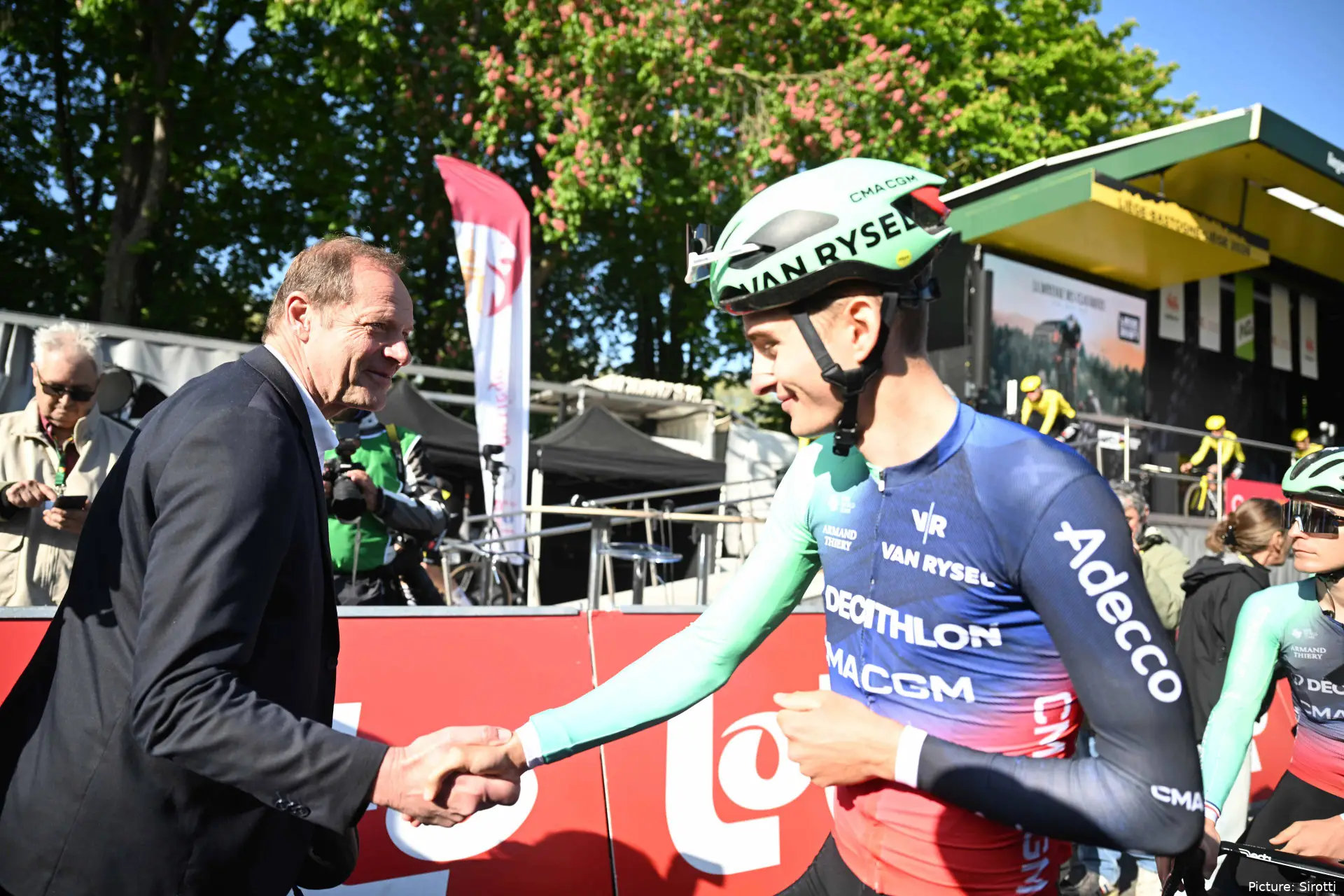
Cycling might never get rid of its gloomy past of doping history. And so, despite the anti-doping authorities best efforts including frequent in and off-competition testing, public is carefully pessimistic every time the current professionals perform superb feats.
The topic once again resurfaced last Sunday when it come to light then first two riders of general classification Tadej Pogacar and Jonas Vingegaard have both been visited by anti-doping officers in their hotels during late night hours ahead of a key mountain stage.
Some refer to UCI rulebook which permits such acitivity by the acting anti-doping body, in case of a serious suspicion of foul play. Others like Matej Mohoric see the timing of visits too convenient whilst French hopeful Paul Seixas has been spared.
Ahead of the grand finale on Alpe d'Huez, Tour director Christian Prudhomme has been asked about the ITA's acitivity.
"We fought for an independent agency, and now we have it," he said. "I have no intention of interfering with their work. Not only am I not informed, but I shouldn't be. I learn about the controls at exactly the same time you do, and often even later. I don't receive any advance information, and I shouldn't."
Read also
Doing their job
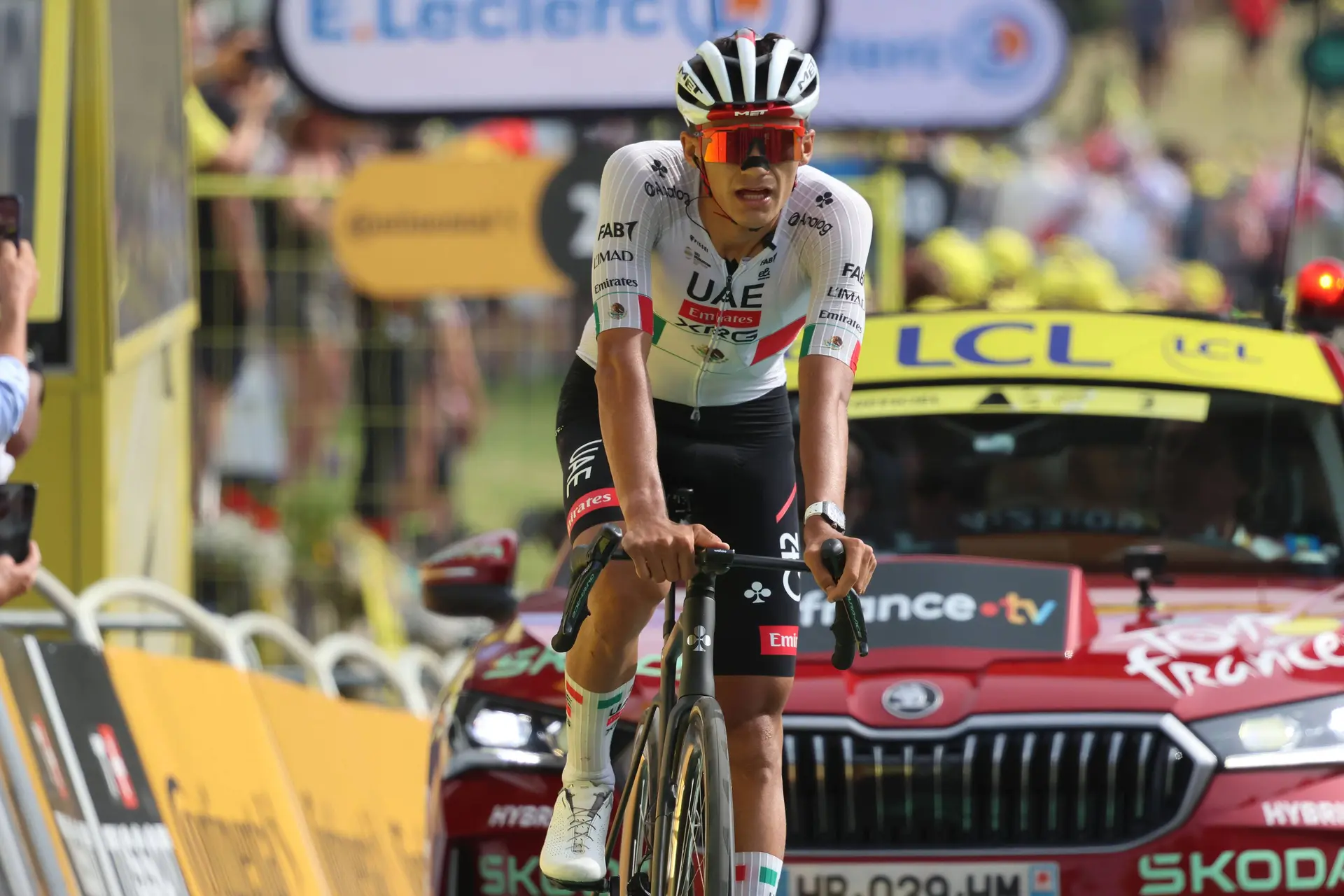
Whilst Pogacar continues in the same dominant fashion and will enter the final weekend with a 7-minute lead, Vingegaard might've been impacted by the late night visit. The Dane crashed in the later phase of stage 15 later that afternoon and abandoned the race with broken collarbone. Later, he admitted the interruption of his sleep "certainly did not help".
Prudhomme, however, had no hesitation in defending the ITA's work. "The ITA is doing exactly what it was created to do," he stated. "I fully understand the riders' emotions, but we wanted an independent agency. That's exactly what we got, and that's what we've always asked for."

Jonas Vingegaard and Tadej Pogacar chat before the start of a stage 15
The Tour director also recalled a significant historical moment. In 2008, the race was organized without the direct involvement of the International Cycling Union, precisely to allow anti-doping controls to be managed completely independently of the French Cycling Federation, a decision that marked a turning point in the credibility of the fight against doping. According to Prudhomme, nighttime controls are simply one of the tools available to investigators today.
"Of course, this type of testing can't be done every evening. In this case, they were performed between two mountain stages, but that's precisely the role of the ITA."
"Pogacar is an extraordinary talent"
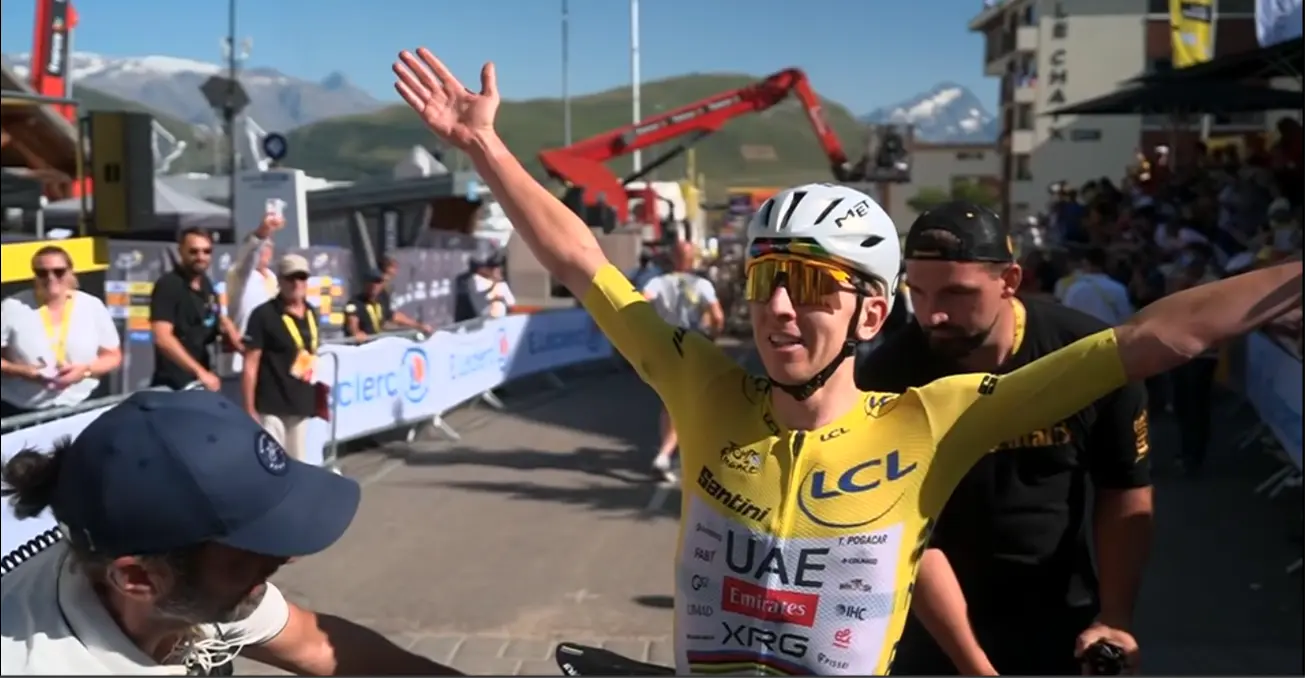
The main target of doping speculations is naturally the reigning world champion. Tadej Pogacar is well on his way to secure a fifth Tour de France title, equalling Jacques Anquetil, Bernard Hinault, Eddy Merckx, and Miguel Indurain. And the Slovenian is about to do so in an outstanding fashion.
"Pogacar has shown extraordinary qualities from a very young age. At twenty, he had already reached the podium of the Vuelta a España, even winning stages. He's an exceptional talent."
Finally, Prudhomme offered a thought that will spark discussion beyond the cycling world. "I wonder if these types of checks are carried out with the same intensity in other major sports, including the most popular in the world, football. Personally, I'm not so sure."
Ondrej ZhasilCycling Journalist
Ondřej Zhasil is a cycling journalist at CyclingUpToDate and has been part of the team since 2023. He is based in Ostrava, the third-largest city in the Czech Republic, and covers professional cycling across the main UCI competitions, including the Tour de France, the Giro d’Italia, and La Vuelta a España. A key focus of his work is startlist analysis and pre-race coverage, where he examines team selections, rider line-ups, and tactical scenarios ahead of major events.
Alongside WorldTour coverage, Ondřej has developed specific expertise in junior cycling and in racing across East Asia, including competitions in China and Japan. He also maintains a broad working knowledge of other disciplines and levels, including cyclocross, while continuing to expand his understanding of mountain bike racing.
Ondřej holds a bachelor’s degree in Mathematics and Physics, which supports his analytical, data-driven approach to performance and race analysis. In his reporting, he regularly uses ProCyclingStats for results, statistics, and historical context. He places strong emphasis on careful sourcing, editorial accuracy, and updating articles promptly when new, verified information becomes available.
claps 0visitors 0
Just in

Popular news
Latest comments
- writing about yourself in third person ... please, at least have someone else from your staff author these self-coverage articles!Ketterechts25-11-2026
- Don’t forget Yates’s podium at 2023 TdF!Lozza25-11-2026
- It was stage 14 to Morzine that Carlos Rodriguez won in 2023, not Puy de Dome. And Kwiato actually won the previous stage himself to Grand Colombier!Lozza25-11-2026
- Go Pogi!! 🐐❤️Lozza25-11-2026
- They didn’t have or need “extraordinary information”. All they needed was for a French judge to sign off on the night-time testing for it to go ahead.Lozza25-11-2026
- If the sponsors voted for Primoz then you get him, otherwise not.flyer25-11-2026
- It sure can feel or seem that way but I wonder if the same amount of prodigious performances (compared to the others) would occur if no one was ever doping at all.flyer25-11-2026
- Given the similarity of two articles (published on I think the same date), I'm reusing (copy-n-pasting) my post from the twin: I've always thought the last day of each of the grand tours was problematic mostly in that the GC is considered completed before the race starts when that is not really true. There is some tension, but not desirable tension. What saves the awkward practice is the race finish is legit for those who participate - so it's not wholly different from the other stages. That neutralizations usually make good sense demonstrates their necessity so if that has to be the way to go I agree that the design plan for the neutralization should be completed before the race starts. This years end stage in the Vuelta had one of the best first half's I've seen in that many of the riders looked to be thoroughly enjoying themselves making it a joy to watch. But I think it was slightly closer to the exception rather than the rule.flyer25-11-2026
- Even I often win without being there at all, not even breaking a sweat. Beat that!flyer25-11-2026
- It is not about rest and peaking again - 5 weeks is not enough for that. It is about recovery while maintaining form. 4 weeks is easier for that. With a Giro-Vuelta, the 12 week break is enough to rest and then peak again. Not for the Tour
 Rafionain-Glas25-11-2026
Loading
1 Comments