The 2026 Vuelta a Espana's 'perfect eight' - From Pogacar's greatness and Mas consistency to Brennan and Van Aert's stage wins surge
Cycling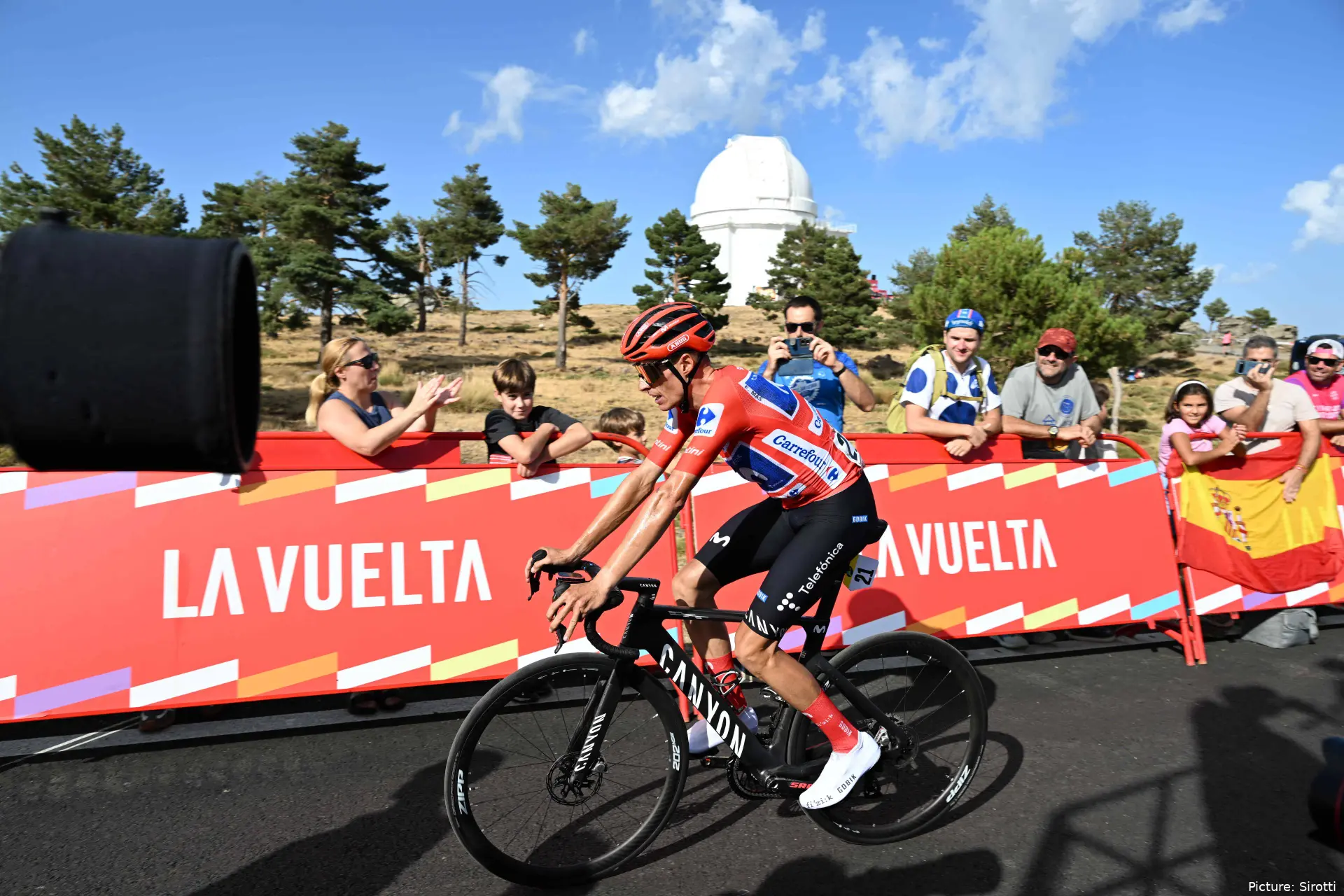
The Vuelta a España 2026 delivered a string of individual performances worthy of praise as Enric Mas looks set to officially confirm his red jersey triumph after almost a decade of near misses with the general classification.
From Mas’s unexpected overall triumph to Tadej Pogacar’s early stage wins, Matthew Brennan’s sprint dominance, and Mikel Landa’s spectacular success at Sierra Nevada.
The race offered enough protagonists to shape a 'perfect eight', ranging from general classification contenders, to breakaway heroes and stage win hunters.
Ahead of a Granada finale, we've taken an in-depth look at the Vuelta's 'perfect eight' after 20 days of racing throughout Spain.
1. Enric Mas
Number one could only be Enric Mas. The Mallorcan arrived at the Vuelta outside the organiser’s marquee favourites despite four previous podiums. He ended up as the clear winner of the edition.
From the opening days he signalled his strength. In the mountains he matched Tadej Pogačar and later proved superior to the rest of his direct rivals.
The time trial between El Puerto de Santa María and Jerez de la Frontera turned into a decisive moment. Mas delivered the time trial of his life, conceded very little to Primož Roglič, and all but sealed the race.
Over the final two mountain stages he managed his advantage and confirmed that, beyond Pogačar’s withdrawal, he had been the strongest rider of the Vuelta.
2. Tadej Pogacar
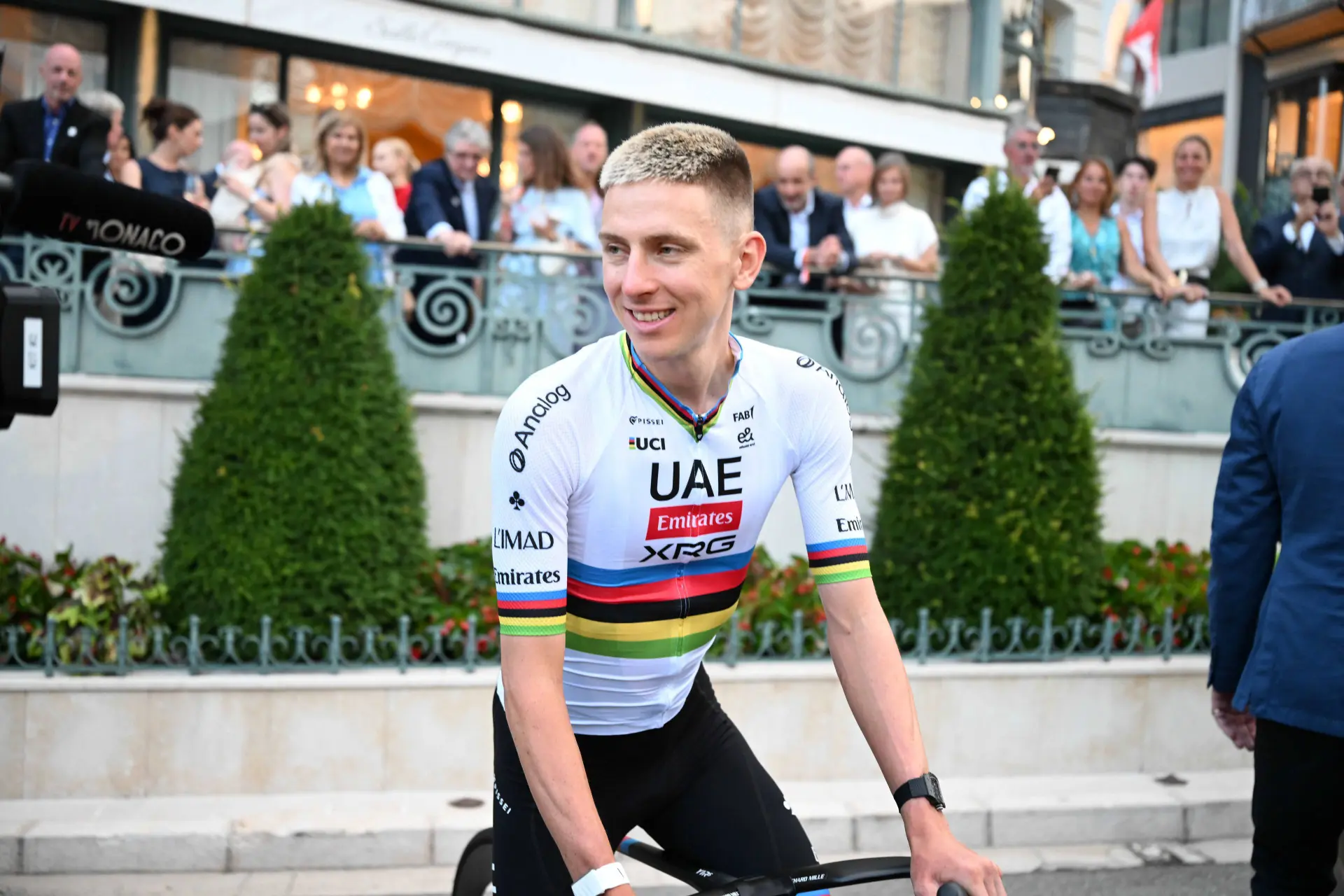
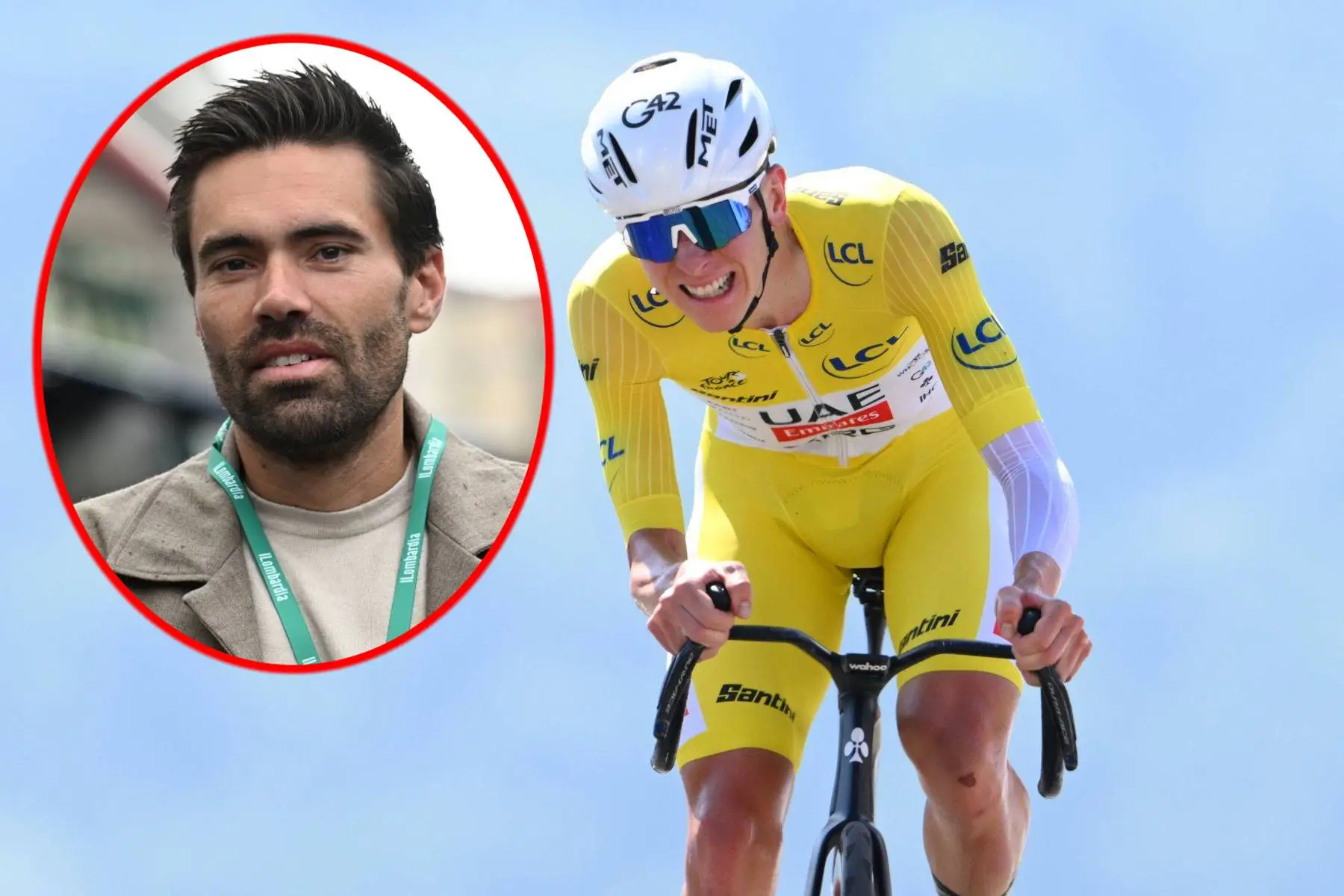
Second place goes to Tadej Pogacar, even though he could not finish the race. The Slovenian abandoned after a crash on stage 8, but before leaving he had put on a masterclass. He took three stage wins and again showed why he is considered the best cyclist in the world.
His withdrawal was caused by a crash after striking a rock on the road, depriving the Vuelta of one of its marquee duels. The takeaway was clear: had he continued, the red jersey would have been a prime target and the race would have had a completely different dimension.

Pogacar clearly led La Vuelta before his withdrawal
3. Matthew Brennan
Matthew Brennan was one of the great revelations of the Vuelta. The young British sprinter from Visma found virtually no rivals in the bunch finishes and ended with five stage victories.
But his value goes beyond the sprint. Brennan also handled himself when the road tilted up, hanging tough on rolling terrain and hinting at a far more complete profile than a pure fast man. The Vuelta 2026, therefore, confirmed the emergence of a star.
4. Wout van Aert
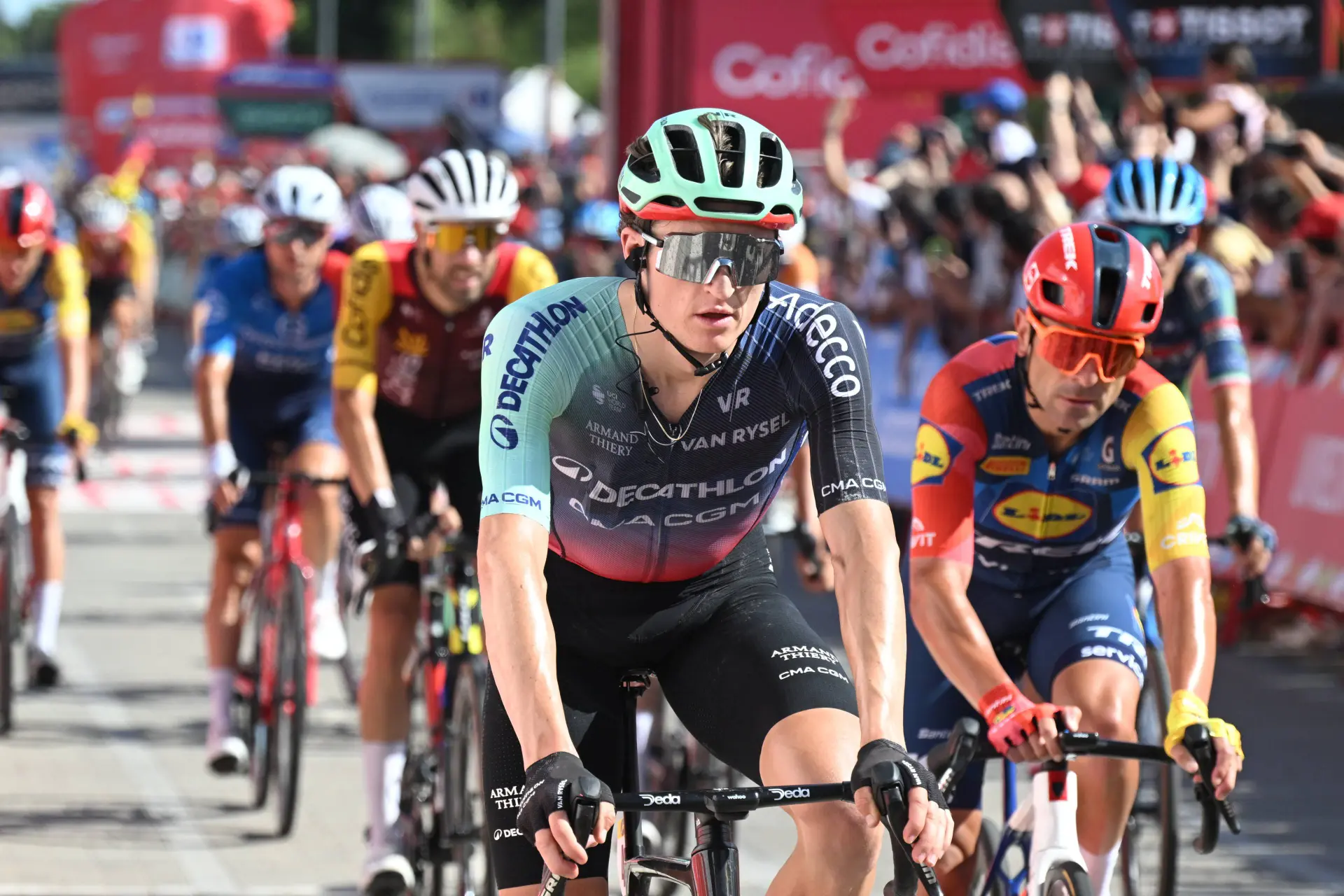
Fourth in this eight is Wout van Aert, one of the race’s dominant figures. The Belgian took the green jersey, but his place here is not only about the points classification. He was among the most active riders from start to finish, constantly in the hunt.
He won two stages, including a standout performance on the penultimate day, and played a key role for Brennan, serving as a world-class lead-out in many of the Briton’s victories. His output blended power, intelligence, and consistency.
5. Jakob Omrzel
Jakob Omrzel represents the future. The young Slovenian, born in 2006, claimed a remarkable victory on stage 12, winning from the break.
At just 20, he played his cards well and capitalised on a scenario where the general classification was not yet out of reach. He proved the strongest from the escape.
He also finished the Vuelta inside the top 10 and came very close to taking the white jersey. His performance confirms Slovenia has successors to its current stars.
6. Primoz Roglic
Sixth goes to Primoz Roglic, who again showed immense solidity. The Slovenian faced the Vuelta after a difficult few months and not in peak condition. He was not among the standout favourites.
Even so, he was in the mix throughout and finished second overall.
We did not see the very best Roglic, but we did see a rider capable of staying with the elite despite the circumstances. He could not answer Enric Mas’s attacks, yet his consistency and resilience earned him another podium in a race he has already won four times.

Primoz Roglic, a global cycling star
7. Felix Gall
Felix Gall completes the set of riders who finished at the sharp end of the GC. The Austrian took third and achieved a notable feat: he was the only rider this season to podium at two Grand Tours, after finishing second at the Giro d’Italia.
In the mountains he even looked to have a little more than Roglic, but could not fully exploit it. Part of that, the analysis suggests, came down to Decathlon’s tactical choices and his time trial performance.
Even so, no one could get close to him in the final standings. Neither Onley, nor Kuss, nor Carapaz managed to dislodge him from third.
8. Mikel Landa
The final spot in the eight goes to Mikel Landa, author of one of the most spectacular stories of the Vuelta.
Until stage 20, the Basque rider had flown under the radar. Then came the queen stage, with Sierra Nevada and Granada as backdrop, and a different Landa emerged. From a second group of around 50 riders, he rode back to the front and became one of the day’s main actors.
Then came his move. Hands in the drops, Landa launched an attack that ignited landismo. The result was a stunning, unexpected victory. And not just any win: it arrived 11 years after his previous success at the Vuelta a España.
Juan LarraCycling Journalist
Juan Larra is a writer for Cyclinguptodate and editor-in-chief of Ciclismoaldia, where he has played a central role since its inception. Under his leadership, the website has become a trusted source for professional cycling coverage, offering in-depth analysis, news, and feature stories.
A sports journalist with over 20 years of experience, Juan earned his degree in Journalism from the University of Seville in 2007. He began his career covering a wide range of sports—including football, basketball, Formula 1, MotoGP, tennis, and cycling—for platforms such as the official La Liga app, Vodafone and Movistar websites, NBA Blogdebasket, and Cadena Cope, honing his skills in writing and editorial management.
In addition to his work at Ciclismoaldia, Juan contributes to Cyclinguptodate and serves as editor-in-chief for the tennis-focused site Tenisaldia. Throughout his career, he has conducted exclusive interviews with cyclists and sports figures, provided detailed analysis of competitions ranging from local Spanish races to major international events, and acted as a special correspondent at prestigious races including Paris-Roubaix, the Tour de France, and the Vuelta a España.
Juan’s combination of experience, expertise, and direct access to athletes has established him—and the platforms he leads—as authoritative voices in professional cycling.
claps 2visitors 2
Just in
Popular news
Latest comments
- I predicted months ago Roglic would sign with Visma. It may not work out however the advantages are Visma need another climber since Yates retired, he's another potential threat to Pogi, his signing would probably be for 2 years giving Visma time to get another climber or two. Also, Roglic knows the Vista system, Visma needs a team leader for the other stage races Jonas doesn't ride and sentimentally, I believe, he would want to finish his career there. Of course, it remains to be seen if he signs.Paggss23-10-2026
- This speculation is all so amusing, because it's noise before the storm. We don't know how Pogačar will recover from his crash. We don't know how much he'll train for this time trial. We can't use the last week of this Tour because he was so far ahead that he didn't bother attacking more and instead ensured del Toro's podium (a sign of his absolute control of the race). Similarly, we don't know how Evenepoel will climb after smashing the TT. We don't know how much better he can get at time trialing, though this should give him new motivation to get even better (which is scary). So, sure, go ahead, publish a bunch of articles about all the predications, but I'm going to wait until the race to actually watch. Until then, it's fun speculation but not much more.RidesHills23-10-2026
- If Remco wants to take 2 minutes out of Pogi he better hope Pogi uses one leg...Paggss23-10-2026
- And Prudhomme can sh** his pants after Pogi-Baby Hulk "tears" everyone apart.PogiSloFans23-10-2026
- It's all about stopping Pogi. If Pogi was French the TDF would be very different. But in the end game, Pogi doesn't give a sh**... he's gonna win anyway. Ad acta!!!PogiSloFans23-10-2026
- I second your comment. I completely agree with your statement and opinion. @frieder and other foolish commentators don't.PogiSloFans23-10-2026
- Cyclinguptodate: Evenepoel finished the 2026 Tour 6:26 behind Pogacar, winning both the individual time trial and a mountain stage against the Slovenian and his UAE Team Emirates – XRG teammate Isaac del Toro!?!? That's just not true. Yes, Remco won both TT's and the "mountain stage"? But really? Yes, officially he won the mountain stage, but we all know why, don't we? If Pogi had gone his own tempo, he could just say "Hey Remco, see you in the douches." But Pogi went Del Toro's tempo. Del Toro said to him during the race: "Don't leave me behind." ... That's the only reason Remco won... capish?PogiSloFans23-10-2026
- My prediction for R.ev.no.balls is DNF TDFabstractengineer23-10-2026
- the issue is Tadej wins everywhere. if you make it 21 days of flanders, he will wins by 10 minutes. he can win in other scenarios beyond high mountains. and if you make it TT heavy, he puts more time on his TT bike. he has won TTs before.mij23-10-2026
- What is Pogi if not the very best of all-rounders!?Lozza23-10-2026
Loading
Write a comment