“Something like this is incomprehensible in 2026" - The controversial World Championships rule blasted as debate sparked
Cycling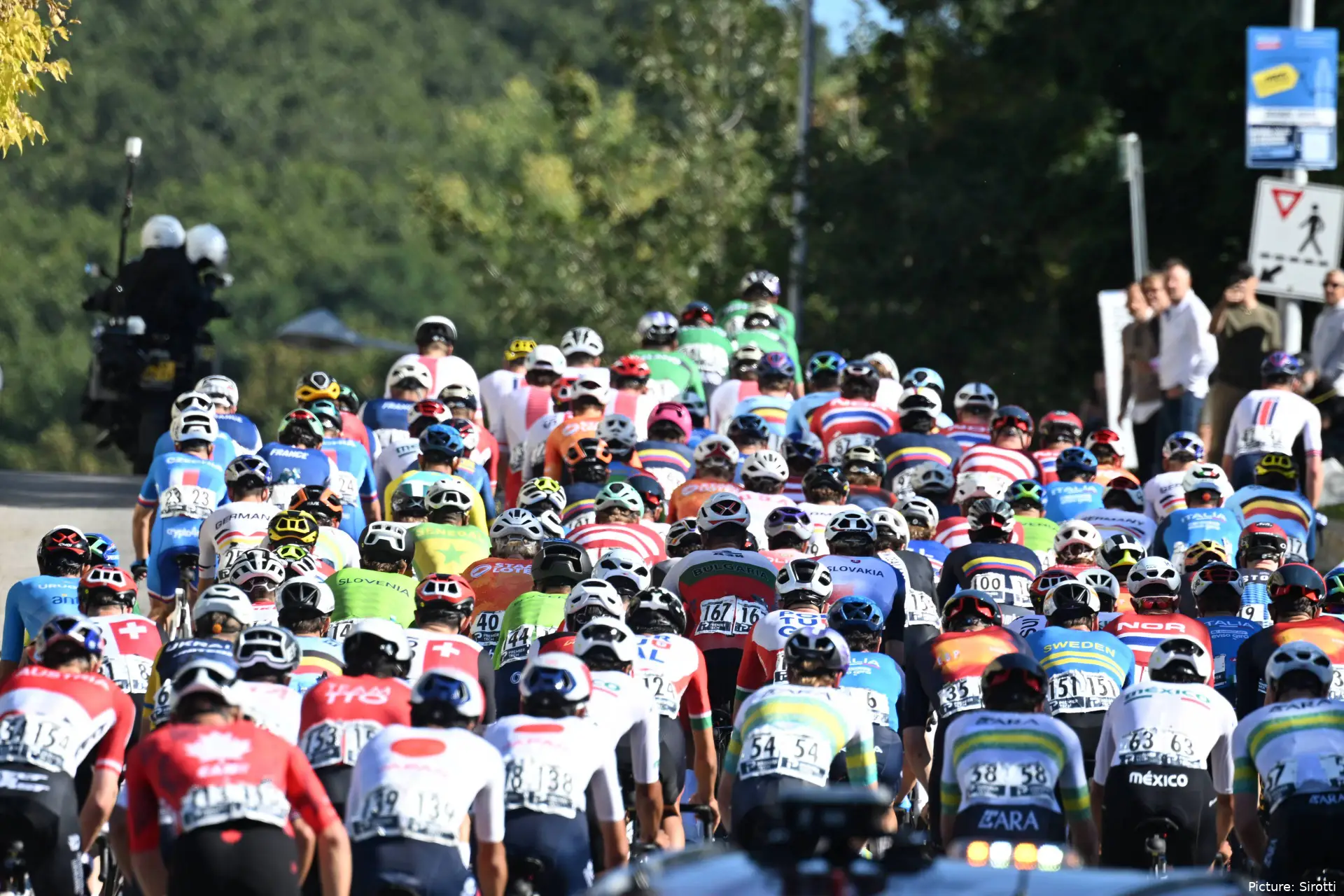
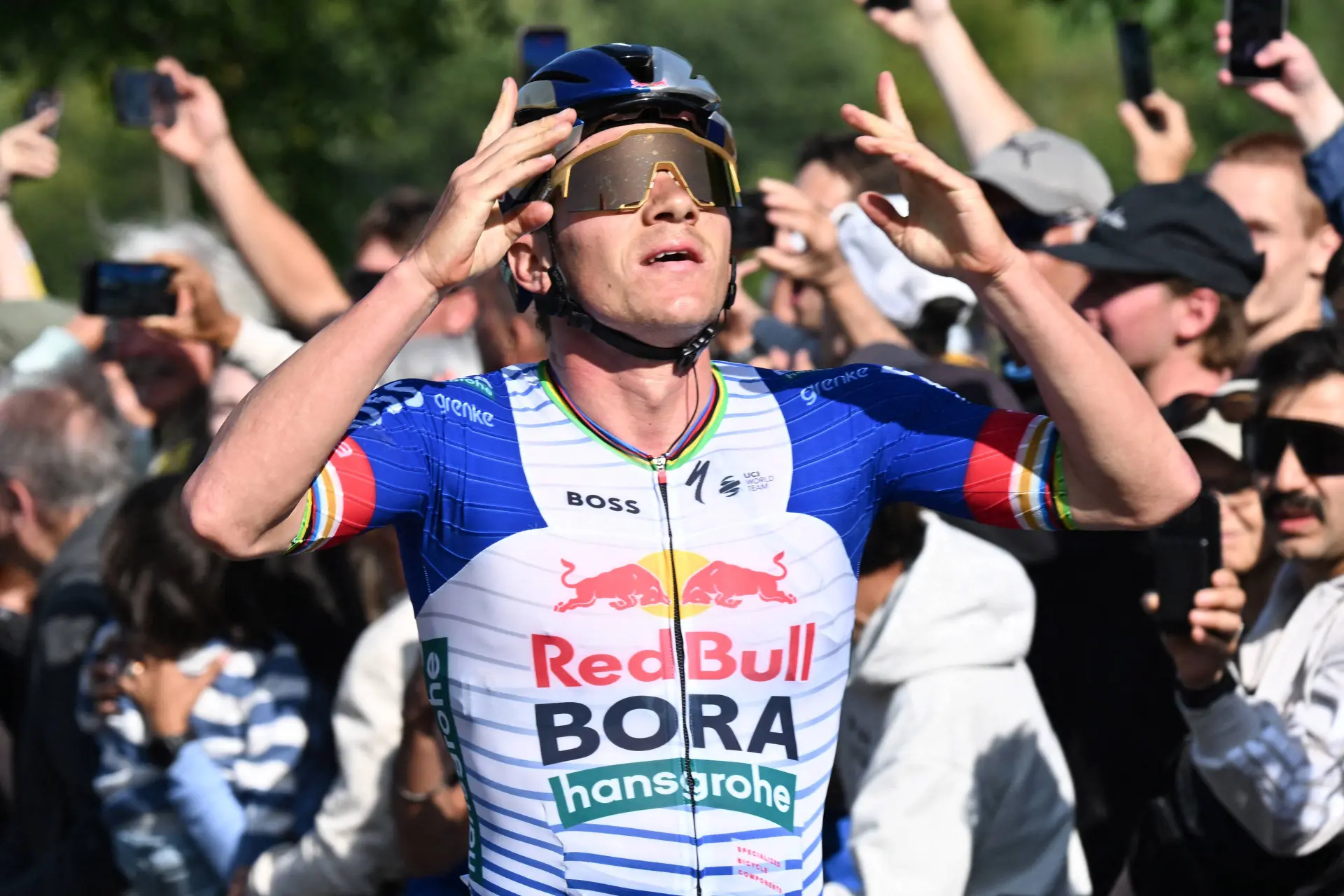
The World Championships is unique in its own right. The biggest of the major championships offers road cycling through a different lens as riders race not in their team kits, nor with their usual teammates, but race alongside their compatriots in their quest to win the rainbow jersey.
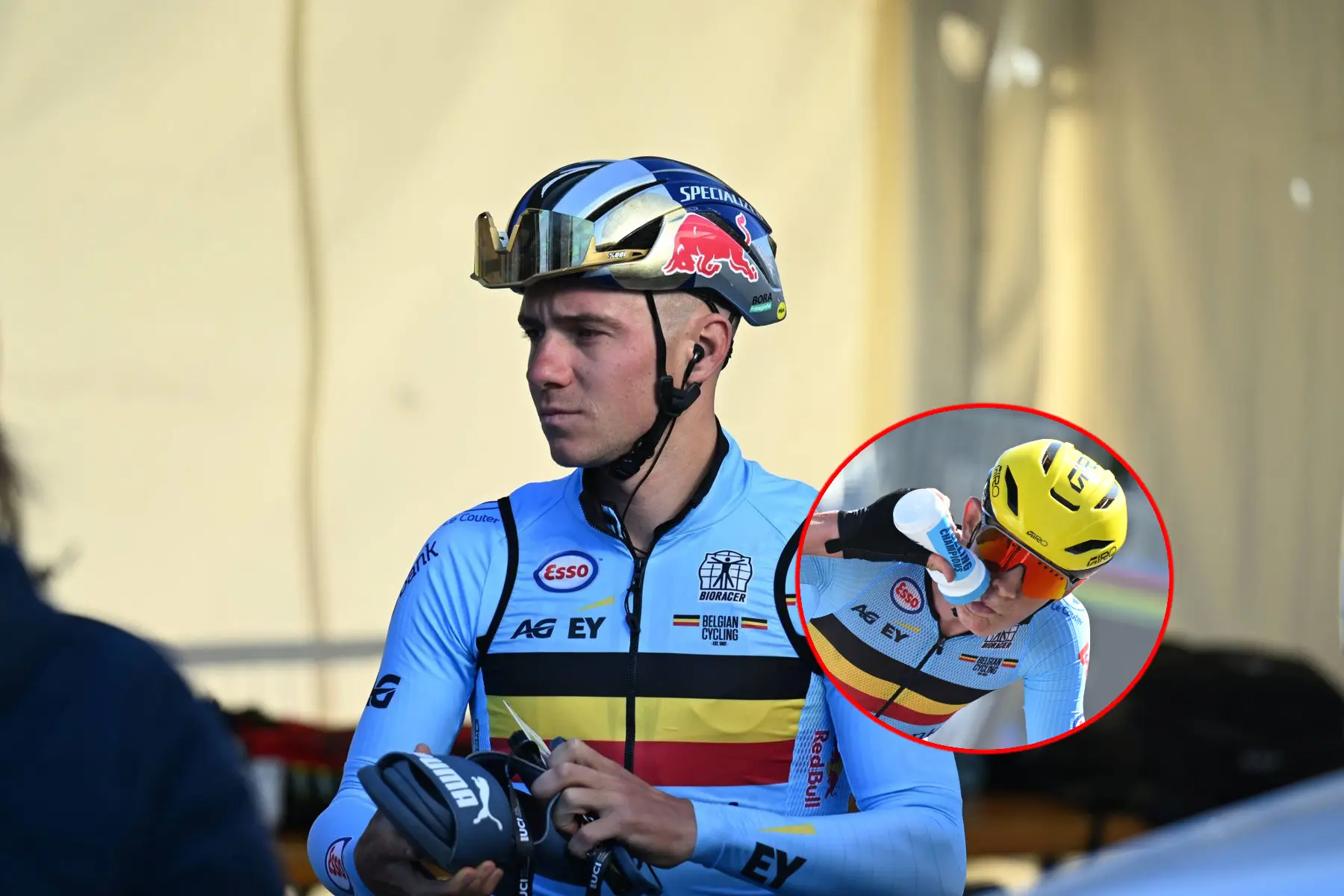
Alongside the change of stripes and unique combinations of teammates and rivals, one rule that makes the World Championships different is that earpieces and radio is not allowed, meaning riders can't communicate with their team managers in the car behind.
With a lack of communication and added emphasis on riders talking within the race, it makes more unique situations that aren't usually seen at WorldTour. The rule has long been a source of debate, centered around the need for instructions and race information to be supplied to riders.
For legendary Movistar team boss, the lack of radio in the race is something he can't understand in modern times. “Something like this is incomprehensible in 2026,” Unzue told MARCA.

The Belgian team revealed they plan to use water bottle notes as a way to communicate with riders
Rider safety calls
For Euskatel team boss Jorge Azanza, he backed Unzue's blasting of the rule but pointed in particular to rider safety. Without radios, riders can't inform their teams that they've been caught in a crash unless communicated by the race organisation or seen themselves.
“I'm a big fan of radio communication, but above all, also for safety, for things that happen during the race, for the information.
“You have no way of communicating all the elements that arise during the race, and sometimes it's a real pain. Just for the sake of safety and for warning about all the incidents during the race, reference points, and so on, I see it clearly: it's necessary."
Best riders given platform to showcase skill
However, those in favour of not implementing earpieces into the race claim that it presents a platform for riders with the best strategies and race instincts to show their ability - noting that a lot of riders are often reliant on the information and directions from behind.
"Each rider's individual strategies will also play a role," former rider Dani Clavero said.
"Now most riders are used to being told almost everything they have to do. Those who know what to do at every moment and read the race well have a different advantage."
Gavin QuinnCycling Journalist
Gavin Quinn is a cycling journalist and ultra-distance cyclist with a BA in Journalism from Dublin City University. Formerly the Press & Communications Officer for Cycling Ireland, Gavin has worked inside the national team at the World Championships and has reported for the Irish Mirror, Mirror UK, and The42.
His expertise is backed by elite-level access, having interviewed stars like Sam Bennett and Ben Healy, as well as immense personal endurance. In 2025, he completed a 12,000km solo cycle from Ireland to Vietnam, following a 4,600km tour across Europe. From the cobbles of Paris-Roubaix to the gradients of the Tourmalet, Gavin’s writing focuses on the "romance and brutality" of the sport. Having visited 50+ countries, he brings a global, cultural perspective to his coverage of the pro peloton for CyclingUpToDate.
claps 0visitors 0
Just in
Popular news
Latest comments
- good to have her back. fingers crossed she‘ll be able to stay!Ketterechts17-10-2026
- A tenner and he wins the Tour next year, too 😂anonymouscyclist17-10-2026
- the answer is either stick to classics or GTs but not bothabstractengineer17-10-2026
- the exodus already stared with Ciccone. Already they were struggling with two sprinters, now there are three. Also Ganna will demand leadership. Gall is the most proven GC, Ayuso has the most potential. GC leadership for everybody will be impossible. Literally a UAE style mess without pogi.abstractengineer17-10-2026
- I raced as an amateur for 12 years, including six years on my country’s national road cycling team. I secured two national titles and competed in three World Championships plus more than 15 international stage races. At 23, we travelled to Italy for a training camp—or so I assumed. On a rest day, we watched a presentation about adopting a more “professional” training approach. It was crystal clear what “professional” meant. That moment first exposed me to this dilemma. After returning from Italy, I left cycling—at least at the competitive level I had known. Over the following two years, the whole team was caught doping. I hold that everyone is innocent until proven guilty. In my view, current stakeholders operate on a different scale, and the sums involved are vast. I am unsure whether any doping would ever be revealed. I try to stay positive and enjoy the show. My 2c.
 vannpelt17-10-2026
 - Fiver he wins 🤣
 leedorney17-10-2026
 - “…measures to reduce speeds.” Might as well shorten the race course to just 50km as well? ASO generates at minimum €300m a year and 30- 40% profit. Maybe stop being greedy and spend more of the profit to protect the riders instead.b3tlla17-10-2026
- he also had quite the life off the bike during his pro years. he used his celebrity status to full affect.mij17-10-2026
- Nairo and Froome’s battles were great.mij17-10-2026
- I think it is a good sign to have only signed a couple of riders. it shows their system is working - retention of their own riders and using their development squad. As for retention of their own riders, they won a GT, a monument, they took a points jersey in another GT. They have a U23 WC. They have multiple one day and one week race wins. Keep the core. Their development squad has delivered fantastic results. And for all the talk of Vismas decline, their culture must be amazing since no one signed elsewhere. That is a very GOOD sign.mij17-10-2026
Loading
1 Comments