ADAC Cyclassics Hamburg 2026 preview, favourites & predictions - Milan, Magnier and Kooij the favourites in a race that Isaac del Toro might blow up
Cycling
On the 16th of August, the World Tour peloton will tackle another one of its one-day races: The ADAC Cyclassics Hamburg. The German classic is well suited to the sprinters whilst providing classics specialists with an opportunity during a busy period of the season. We take a look at its profile.
The race was first held in 1996 where it was won by Rossano Brasi. The race quickly gained a big reputation, having been won by home star Jan Ullrich in 1997 only weeks after his Tour de France win. Erik Zabel, Johan Museeuw, Paolo Bettini, Óscar Freire and Robbie McEwen were then amongst all the stars taking wins.
It became a sprinter's race since the late 2000's, being conquered by many of the best. Arnaud Démare, John Degenkolb, Alexander Kristoff, André Greipel, Caleb Ewan, Elia Viviani, Mads Pedersen and Olav Kooij are all in the race's palmarès; whilst in 2025 it was Irish champion Rory Townsend who took the win with an incredibly dramatic finale in which he succeeded from the day's breakaway with only inches over the sprinters in the peloton.
Preview ADAC Cyclassics Hamburg 2026
It is a race that is often won by the sprinters, and many of the world's best are here. Without surprise, a lot of them begin here a key period of the year, packed with one-day races and small stage-races in which they can rack up nice wins. For Hamburg, a traditionally sprinters' classic, it will be hard to take it away from them.
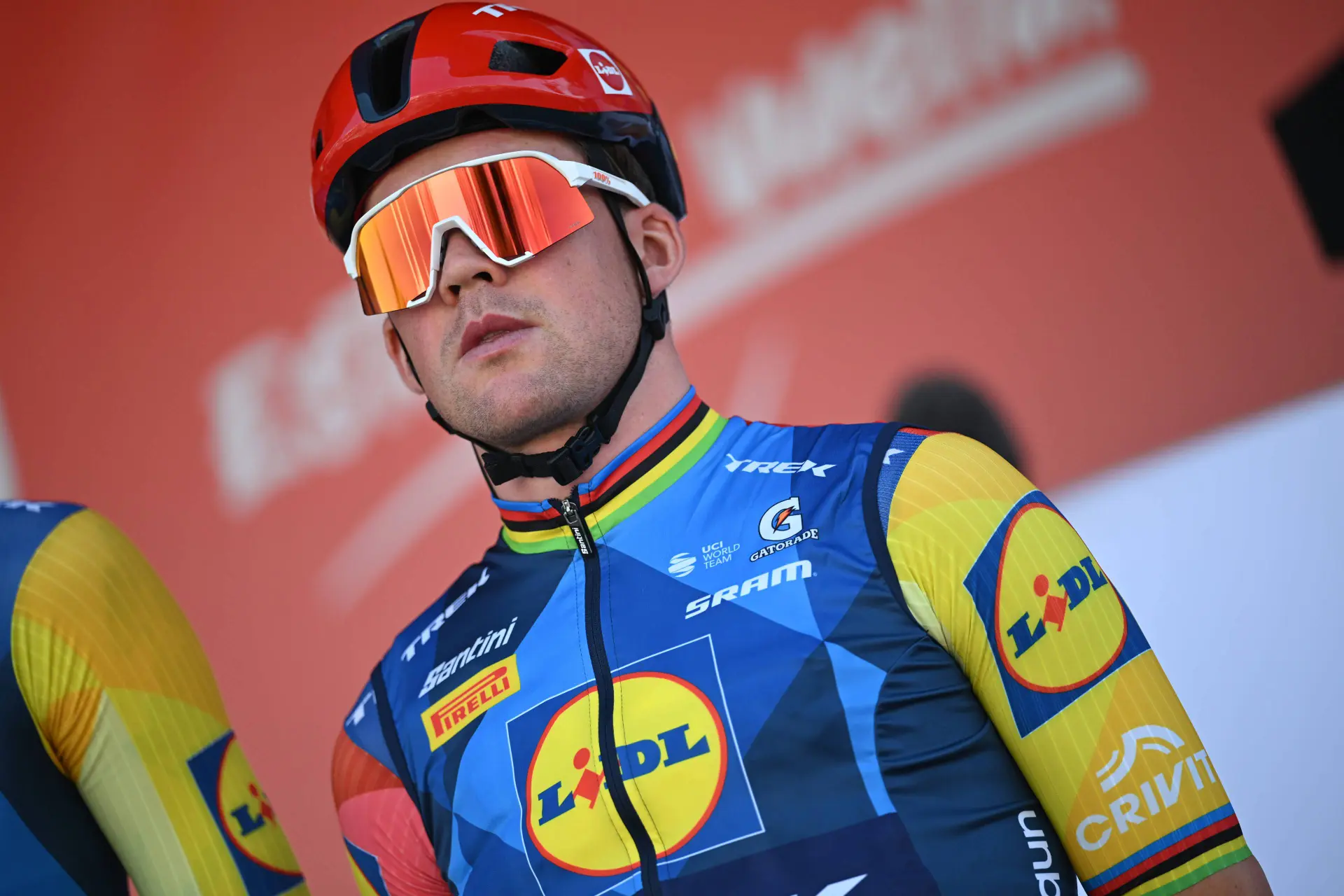
Jonathan Milan is present after his three wins at the Tour de Pologne with a full leadout; Paul Magnier who had beat him at the Giro d'Italia on multiple occasions is looking to take revenge from Pologne in a course that suits him better; whilst from the Tour de France we have stage 5 winner Olav Kooij and also Biniam Girmay who is a specialist in this type of race.
Max Kanter, who had tremendous form and also leadout at the Tour, has also brought his men to Hamburg to try and take a home win whilst Soren Waerenskjold - also a stage winner at the Tour - will be leading Uno-X.
When it comes to pure sprinters there are some very dangerous men to take into consideration such as Dylan Groewegen, but also Phil Bauhaus, Matteo Moschetti and Milan Fretin; Whilst on the more versatile sprinters' side we've got Kaden Groves, Michael Matthews, Arnaud de Lie, Orluis Aular, Pavel Bittner and Red Bull duo Danny van Poppel and Laurence Pithie. Sam Watson and Luca Mozzato are also men to take into consideration.
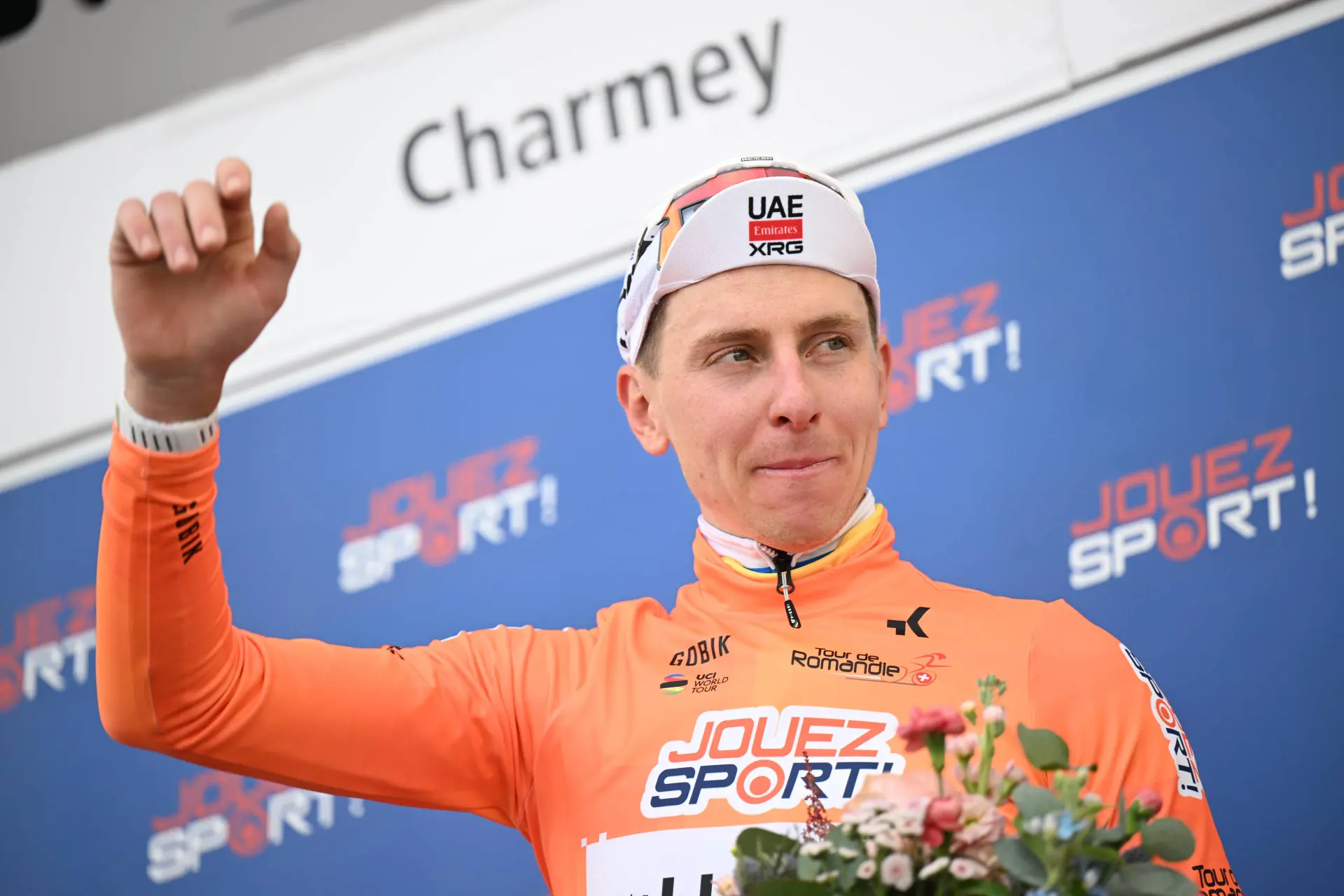
There are teams that will want to attack the race however. There are a few that do not have chances in a sprint and their best odds lay in having an attack succeed. It isn't easy, but the circuit is not flat, and we should see some try without a doubt. Take UAE for example, it is certain they will try something, specially with Isaac del Toro in the helm and also the very explosive Benoît Cosnefroy as someone able to make the difference uphill.
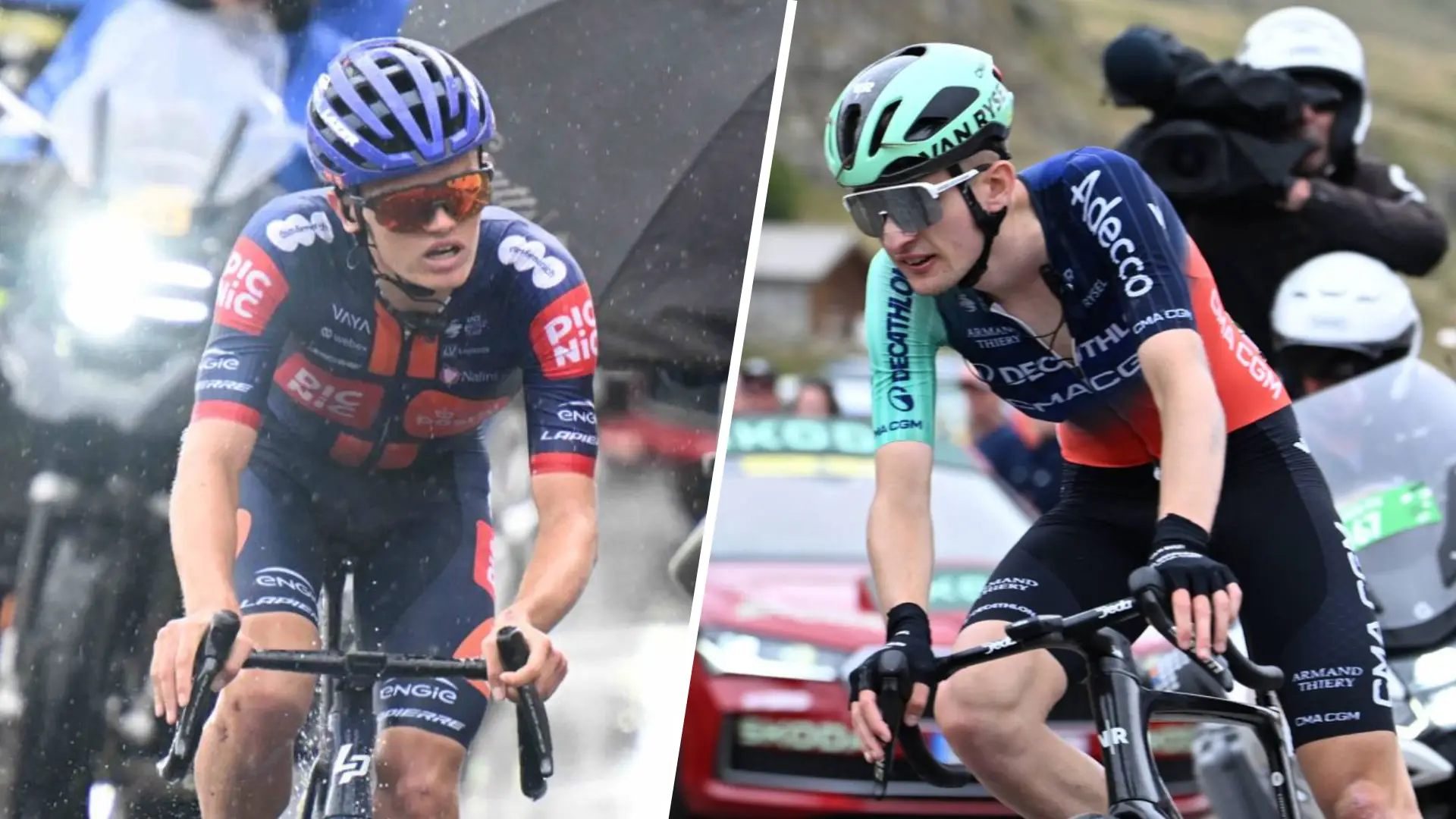
At the recent Tour de Pologne we've seen both Louis Barré and Axel Laurance in quite good form and so both riders are noteworthy when it comes to moves on the Waseberg; whilst the likes of Jonas Abrahamsen, Matteo Trentin and Fred Wright can be quite dangerous but most likely after the climb itself.
Prediction Hamburg Cyclassics Hamburg 2026:
*** Jonathan Milan, Olav Kooij, Paul Magnier
** Biniam Girmay, Soren Waerenskjold, Kaden Groves
* Isaac del Toro, Michael Matthews, Danny van Poppel, Max Kanter, Arnaud de Lie, Orluis Aular, Dylan Groenewegen
Pick: Jonathan Milan
How: Bunch sprint.
Profile ADAC Cyclassics: Buxtehuge - Hamburg

Buxtehude - Hamburg, 207 kilometers
The route is 207 kilometers long, with the first third almost completely flat through northern Germany. Most riders will be looking to save their legs for the final third were the impact can be made on the race. The organizers did add an extra 30 kilometers and a few more ascents of the day's main climb however so this will be more difficult for the sprinters this time around.
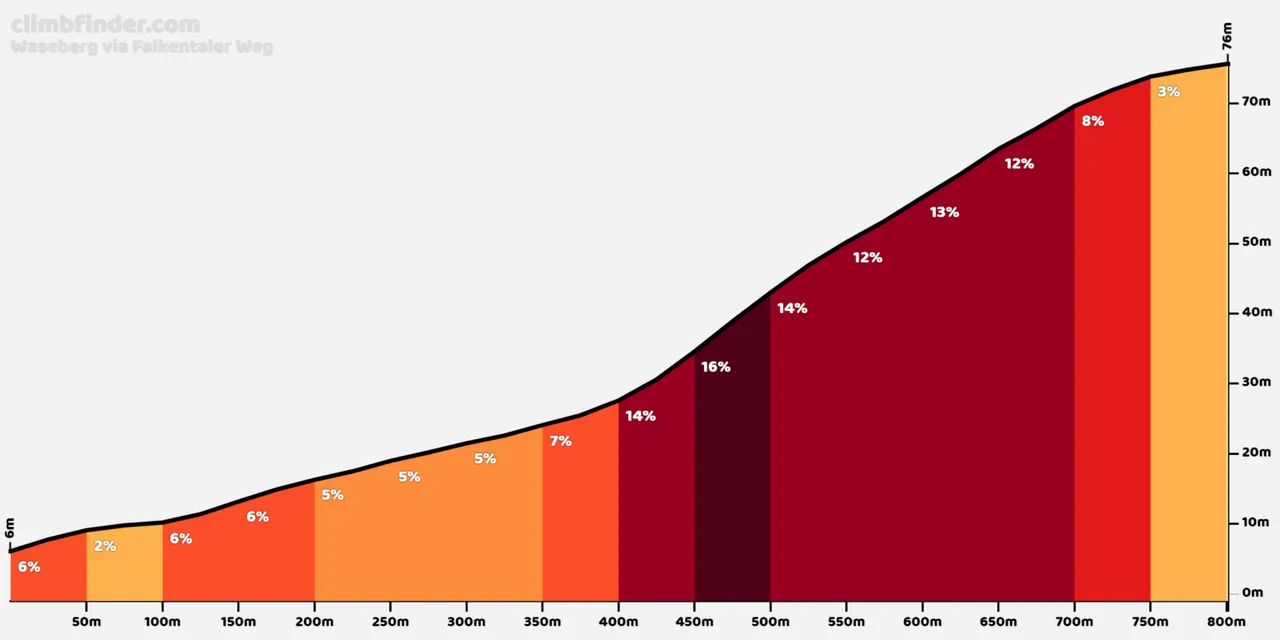
The main feature of the race will be the Waseberg, the race’s iconic steep hilltop, on the banks of the Elbe river. It is 1 kilometer long at 7%, not the hardest of hilltops but the gradients do ramp up to 16% in it’s middle. It’s a short and explosive climb, with a downhill run-in to the base, there will be on each occasion a heavy fight for positioning and inevitable attacks.
The climb summits with 120, 78, 67, 27 and 12 kilometers to go. But this isn't all an homogenous circuit, but instead a tricky set of loops designed around the city of Hamburg. The climb will be tackled back-to-back on two occasions but the attacks are certain to come only in the last set. The final two ascents will be separated by only 14 kilometers, allowing for tactics and aggressive racing to develop. After going through them however, it will be a flat run-in back to the center of Hamburg and into a potential sprint.
Waseberg and final kilometers
Waseberg climb profile
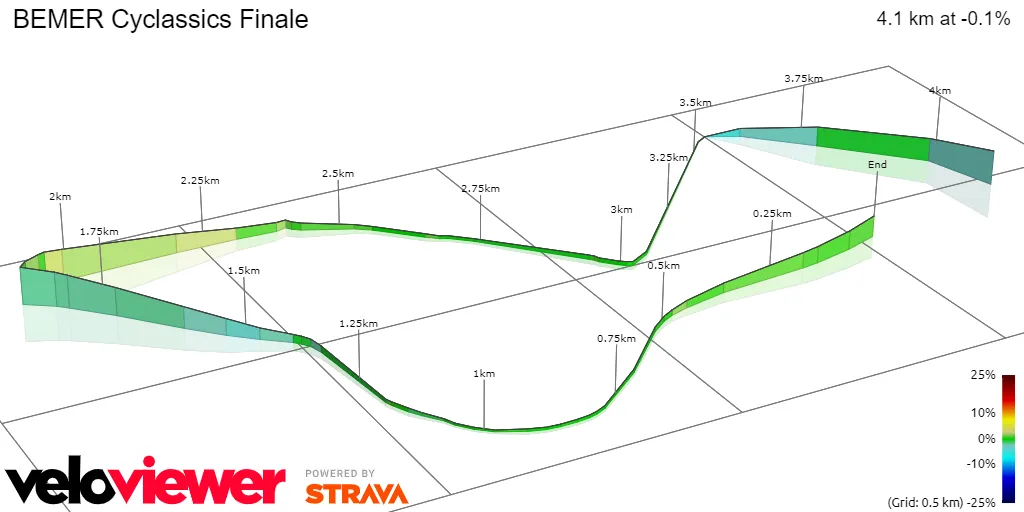
On this map is the final circuit the riders will race around the finish However, when preparing for the sprint they will only ride the final 1.9 kilometers marked on the graphic - hence skipping most of the technical sections. It won’t be a technical finale, however it is relatively narrow towards the end, positioning will be crucial and the gradients won’t have anything noteworthy.
ADAC Cyclassics final circuit
List of winners ADAC Cyclassics Hamburg 2026
| Year | 1st | 2nd | 3rd |
| 2025 | Rory Townsend | Arnaud De Lie | Paul Magnier |
| 2024 | Olav Kooij | Jonathan Milan | Biniam Girmay |
| 2023 | Mads Pedersen | Danny van Poppel | Elia Viviani |
| 2022 | Marco Haller | Wout van Aert | Quinten Hermans |
| 2021 | — | — | — |
| 2020 | — | — | — |
| 2019 | Elia Viviani | Caleb Ewan | Giacomo Nizzolo |
| 2018 | Elia Viviani | Alexander Kristoff | André Greipel |
| 2017 | Elia Viviani | Arnaud Démare | Dylan Groenewegen |
| 2016 | Caleb Ewan | John Degenkolb | Giacomo Nizzolo |
| 2015 | André Greipel | Alexander Kristoff | Giacomo Nizzolo |
| 2014 | Alexander Kristoff | John Degenkolb | Reinardt Janse van Rensburg |
| 2013 | John Degenkolb | André Greipel | Alexander Kristoff |
| 2012 | Arnaud Démare | André Greipel | Alexander Kristoff |
| 2011 | Philippe Gilbert | Filippo Pozzato | Borut Božič |
| 2010 | Tyler Farrar | Edvald Boasson Hagen | Gerald Ciolek |
| 2009 | Tyler Farrar | Matti Breschel | Gerald Ciolek |
| 2008 | Mark Cavendish | Gerald Ciolek | Heinrich Haussler |
| 2007 | Alessandro Petacchi | Robert Förster | Erik Zabel |
| 2006 | Óscar Freire | Erik Zabel | Allan Davis |
| 2005 | Alexander Vinokourov | Paolo Bettini | Erik Zabel |
| 2004 | Erik Zabel | Paolo Bettini | Luca Paolini |
| 2003 | Erik Zabel | Paolo Bettini | Danilo Di Luca |
| 2002 | Erik Zabel | Danilo Di Luca | Mirko Celestino |
| 2001 | Erik Zabel | Mirko Celestino | Paolo Bettini |
| 2000 | Erik Zabel | Davide Rebellin | Mirko Celestino |
| 1999 | Frank Vandenbroucke | Erik Zabel | Davide Rebellin |
| 1998 | Michele Bartoli | Erik Zabel | Peter Van Petegem |
| 1997 | Erik Zabel | Michele Bartoli | Maurizio Fondriest |
| 1996 | Rossano Brasi | Maximilian Sciandri | Alberto Elli |
Rúben SilvaEditor-in-Chief
A founding contributor to CyclingUpToDate since its launch in January 2022, Ruben Silva has played a central role in shaping the site’s editorial direction and long-term growth. Before joining the project, he built his experience through independent blogging at Echelons Hub and by producing race previews for Ciclismo Internacional, developing a strong analytical voice rooted in daily engagement with professional cycling.
Beyond editorial work, he has been closely involved in the expansion and coordination of CyclingUpToDate’s wider network, helping establish and support sister platforms across multiple languages. This includes ongoing collaboration with CiclismoAlDia (Spanish), CiclismoAtual (Portuguese), WielrennenUpToDate (Dutch), and RadsportAktuell (German), contributing to a shared editorial vision and consistent international coverage.
He also helps oversee editorial governance across the network, setting standards for accuracy and consistency and coordinating updates or corrections when needed.
Originally from the Porto metropolitan area in Portugal, he holds a bachelor’s degree in Geography. His path into cycling journalism was shaped not through formal media training, but through independent reporting, community engagement, and sustained on-the-ground involvement in the sport.
Over the course of his career, he has conducted approximately 100 interviews across road cycling and cyclocross, ranging from one-to-one conversations and online formats to press conferences and on-site pre- and post-race coverage. His interviews include leading riders, team managers, and prominent figures within cycling media: Tadej Pogacar, Jonas Vingegaard, Mathieu van der Poel, Primoz Roglic, Wout van Aert, Joao Almeida and Tom Pidcock; managers like Patrick Lefevere and Joxean Matxin; and YouTube personality Bryan Kennedy (BKXC)...
Within 18 months of launch, he helped grow CyclingUpToDate’s English-language platform into one of the most-read cycling news websites, built entirely from the ground up. As both a professional journalist and lifelong cycling enthusiast, his focus remains on delivering accurate, timely, and well-contextualized coverage.
claps 0visitors 0
Just in

Popular news
Latest comments
- writing about yourself in third person ... please, at least have someone else from your staff author these self-coverage articles!Ketterechts25-11-2026
- Don’t forget Yates’s podium at 2023 TdF!Lozza25-11-2026
- It was stage 14 to Morzine that Carlos Rodriguez won in 2023, not Puy de Dome. And Kwiato actually won the previous stage himself to Grand Colombier!Lozza25-11-2026
- Go Pogi!! 🐐❤️Lozza25-11-2026
- They didn’t have or need “extraordinary information”. All they needed was for a French judge to sign off on the night-time testing for it to go ahead.Lozza25-11-2026
- If the sponsors voted for Primoz then you get him, otherwise not.flyer25-11-2026
- It sure can feel or seem that way but I wonder if the same amount of prodigious performances (compared to the others) would occur if no one was ever doping at all.flyer25-11-2026
- Given the similarity of two articles (published on I think the same date), I'm reusing (copy-n-pasting) my post from the twin: I've always thought the last day of each of the grand tours was problematic mostly in that the GC is considered completed before the race starts when that is not really true. There is some tension, but not desirable tension. What saves the awkward practice is the race finish is legit for those who participate - so it's not wholly different from the other stages. That neutralizations usually make good sense demonstrates their necessity so if that has to be the way to go I agree that the design plan for the neutralization should be completed before the race starts. This years end stage in the Vuelta had one of the best first half's I've seen in that many of the riders looked to be thoroughly enjoying themselves making it a joy to watch. But I think it was slightly closer to the exception rather than the rule.flyer25-11-2026
- Even I often win without being there at all, not even breaking a sweat. Beat that!flyer25-11-2026
- It is not about rest and peaking again - 5 weeks is not enough for that. It is about recovery while maintaining form. 4 weeks is easier for that. With a Giro-Vuelta, the 12 week break is enough to rest and then peak again. Not for the Tour
 Rafionain-Glas25-11-2026
Loading
Write a comment