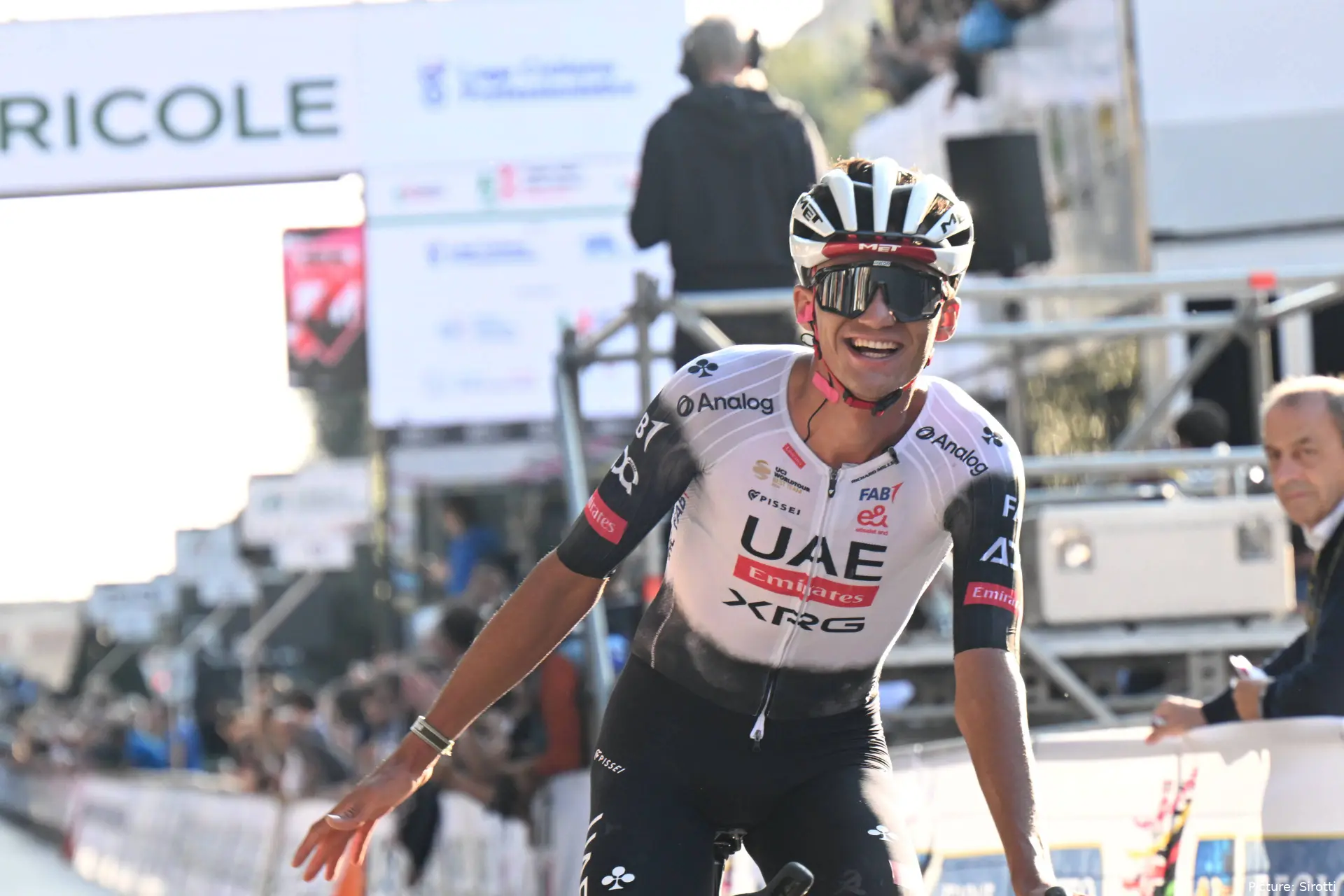
Tadej Pogacar’s absence has completely changed the landscape of the World Championships in Montréal. The Slovenian was, for obvious reasons, the man who would have started above the rest, but his crash and subsequent abandonment at the Vuelta a España means he will not race again in 2026. Without him on the start line, the list of contenders has opened up dramatically.
And in this new scenario, there is one name that, in my view, should occupy the top spot: Isaac del Toro.
The Mexican arrives at the World Championships after winning the Grand Prix Cycliste de Montréal this past Sunday, on a course that is very similar to the one the riders will face on September 27. That is far from a minor detail. Del Toro won the race, and he did so by showing exceptional form and beating Paul Seixas in a one-on-one battle.
The Frenchman was the rider who launched the attack on one of the final climbs, and Del Toro was the only rider capable of responding. Once the pair went clear, the Mexican showed that he had enough left to win the decisive duel. Even putting aside the fact that Seixas was also watching other moves when he attacked, the important point is that he was subsequently unable to take a single meter back from the UAE rider.
That is one of the main reasons for placing Del Toro at the top of the list. The type of course and the climbs in Montréal appear to suit his characteristics perfectly.
There is, however, one fundamental difference compared with the Grand Prix Cycliste de Montréal: at the World Championships he will race for Mexico and will not have the same structure behind him that he had in the Canadian classic. In Montréal, he could rely on Adam Yates and Brandon McNulty, who were attacking in the final kilometers and allowed Del Toro to reach the decisive phase having been able to conserve energy.
At the World Championships, he will presumably have to deal with a much more unpredictable race and considerably less support from his national team in the final kilometers. That could prove decisive. That is why I consider Del Toro the favorite, but by no means with the overwhelming superiority Pogacar would have had if he had been on the start line. This World Championships is much more open than recent editions.

Isaac del Toro won the 2026 GP de Montréal ahead of Seixas
A course that raises plenty of questions
One of the biggest unknowns is what type of rider will ultimately prevail in Montréal. The course can suit riders with the characteristics of a climber-classics specialist such as Del Toro, Seixas or Remco Evenepoel, but it can also favor riders closer to the profiles of Wout van Aert or Mathieu van der Poel.
The history of the Grand Prix Cycliste de Montréal itself shows that this is not a course reserved exclusively for climbers. Its list of winners includes riders such as Peter Sagan, Michael Matthews, Greg Van Avermaet, Diego Ulissi, Tim Wellens, Simon Gerrans and Rui Costa.
That makes it difficult to say with absolute certainty which type of rider will ultimately prevail at the World Championships. What does seem clear is that many riders will have a chance of reaching the decisive phase with a realistic shot at victory. And that is where Del Toro once again emerges as one of the main references.
If Del Toro is my number one, Remco Evenepoel is the next name on the list. The Belgian arrives after winning in Quebec and showing good form, although his performance in Montreal raised some doubts. He did not feel entirely comfortable with the type of climb and later explained that this terrain does not particularly favor heavier riders like himself, Van Aert, or Van der Poel.
He also had an unusual race, including a problem after touching wheels with another rider and an angry reaction that led him to choose not to follow certain attacks. But precisely for that reason, it would be unreasonable to draw too many conclusions from a single race. Evenepoel has more than enough characteristics to fight for the gold medal.
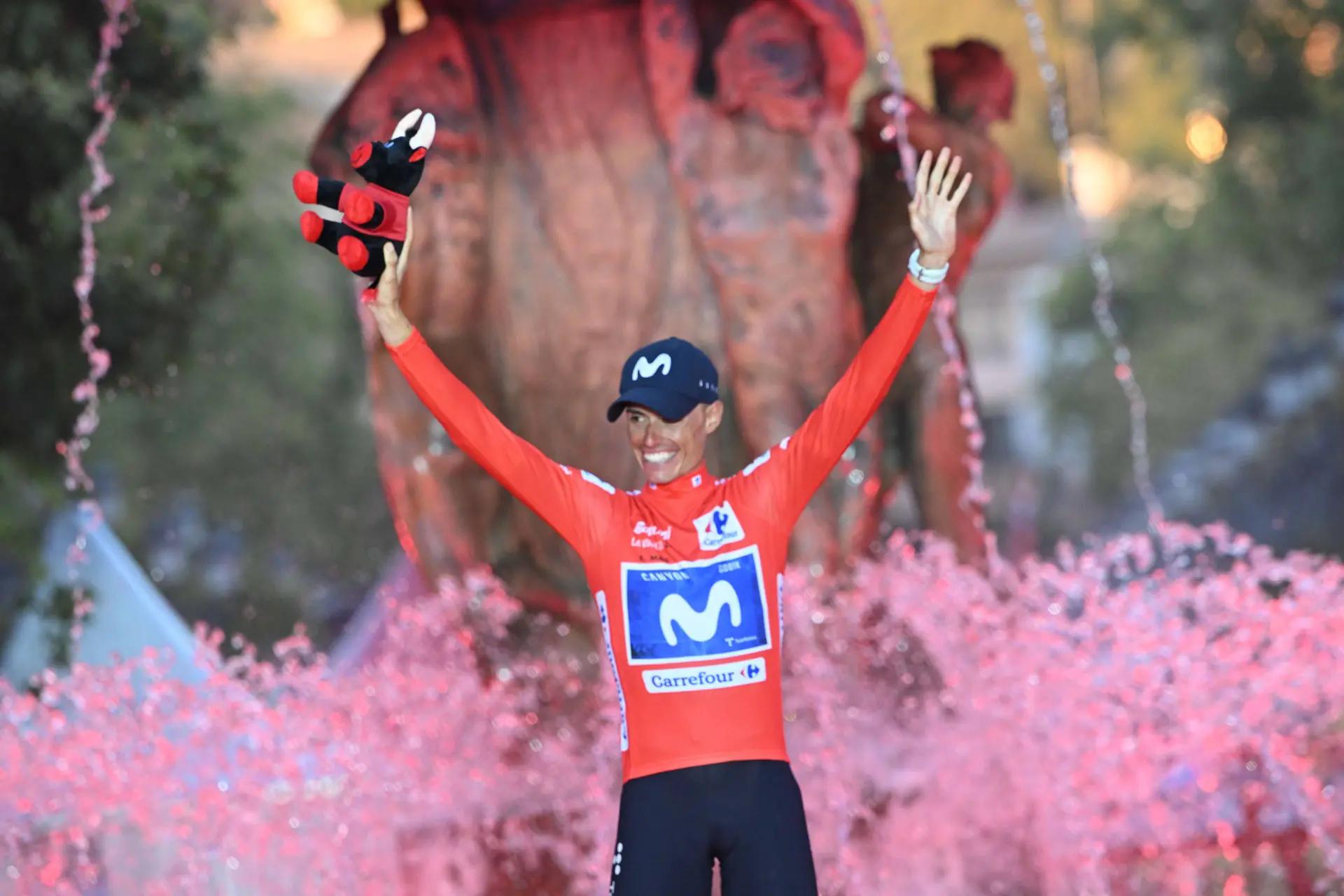
Van Aert and Van der Poel remain major unknowns
Wout van Aert arrives after an extraordinary Vuelta a España, where he repeatedly tried to make it into breakaways, won two stages and fought for the points classification while also remaining close to the battle for the mountains jersey. His form appears beyond doubt.
The major question is what will happen with the Belgian hierarchy when the decisive moment arrives and whether Evenepoel and Van Aert will be able to work together.
Then there is Mathieu van der Poel. The Dutchman had gone a long time without racing on the road, although he has now returned to competition at the Tour de Luxembourg, where he immediately showed his form by winning the opening stage. Even so, it remains to be seen exactly how he will perform over the full World Championship distance.
In any case, it is impossible to leave him off any list of favorites. Van der Poel has had to become accustomed to racing against Pogacar, and throughout this year he has continued to remain close to the Slovenian. He lost out at Milan-San Remo and the Tour of Flanders, but he remains one of those riders capable of appearing at precisely the right moment.
Pidcock and Seixas ready to spring a surprise
Tom Pidcock did not fully convince in Québec or Montréal, but the World Championship course appears tailor-made for his characteristics. The climbs can suit him and, although I consider him a step below some of the biggest favorites, it would be a mistake to leave him out of the conversation.
Another name that has gained enormous credit after Montréal is Paul Seixas. The Frenchman was the rider who went head-to-head with Del Toro for victory in the Grand Prix Cycliste de Montréal and arrives in extraordinary form. If he can find the same legs at the World Championships, he can fight for a medal and, why not, the gold itself.
Ben Healy also deserves attention. He was highly active in Montréal and showed that he can launch attacks from distance. He lacks a finishing kick compared with some of the other contenders, but that could actually make him one of the riders capable of forcing the rest to react earlier than they would like.
Roglic, Mas and Ayuso are some of the outsiders
Primoz Roglic will lead Slovenia following Pogacar’s withdrawal. His Vuelta a España was not a bad race, and he still has the ability to launch attacks from distance, although he no longer has quite the same punch he possessed a few years ago.
Spain will also have several cards to play. Enric Mas arrives in excellent form after the Vuelta a España, with an enormous amount of endurance after being one of the strongest riders in the race. Perhaps he does not have enough punch to settle the World Championships in the final meters, but precisely because of that, a long-range attack could be one of his best options.
There is also Juan Ayuso, who crashed in Québec and worked as a domestique for Giulio Ciccone and other riders in Montréal. The big question will be how he arrives physically at the World Championships. If he recovers his best level, he has something Mas does not possess to the same degree: a finishing kick in the final meters.
And then there is Giulio Ciccone, who we have already seen come up short against Evenepoel and who did not quite give the same impression as some of the biggest favorites. Even so, he is more than capable of fighting for a medal.
Read also
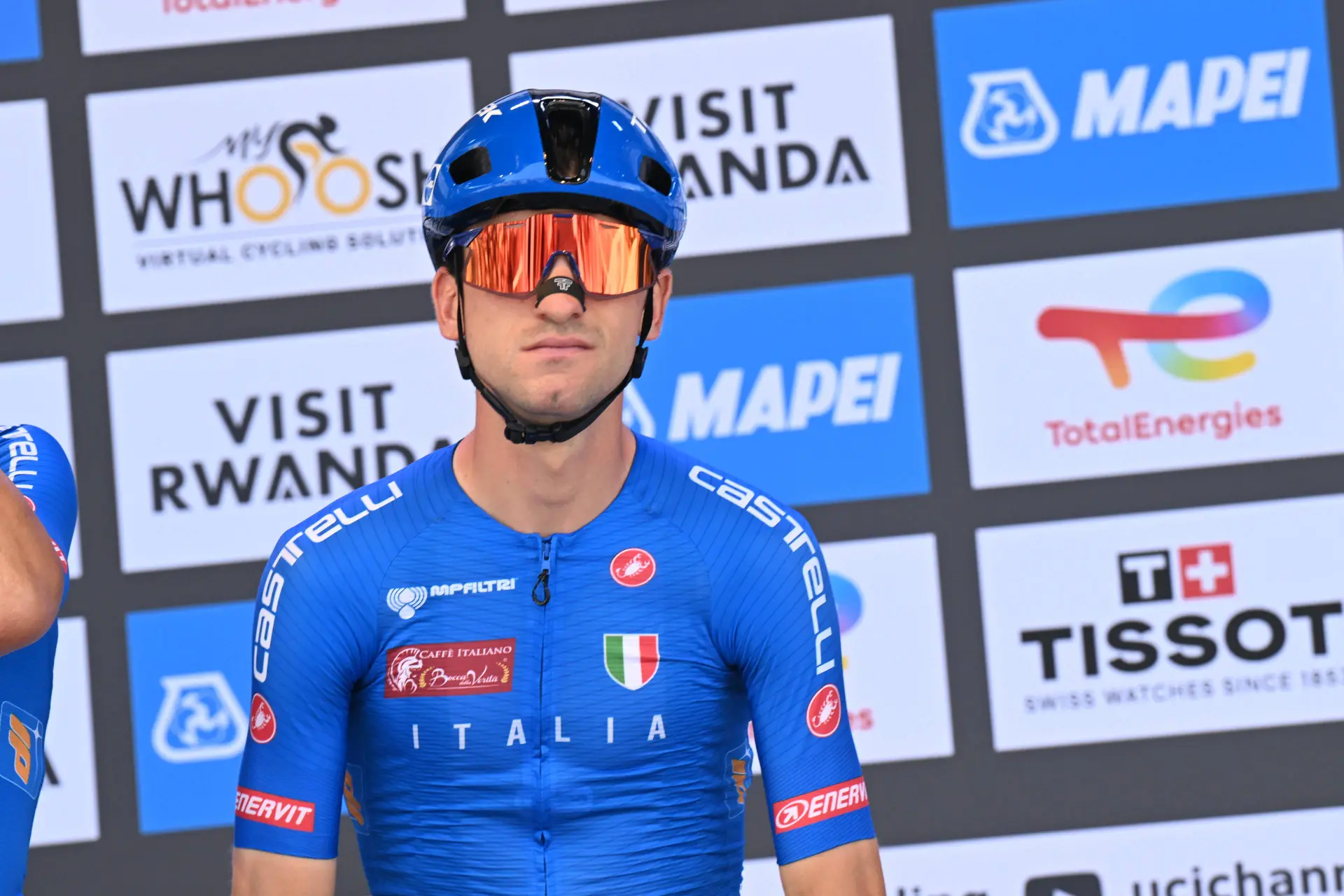
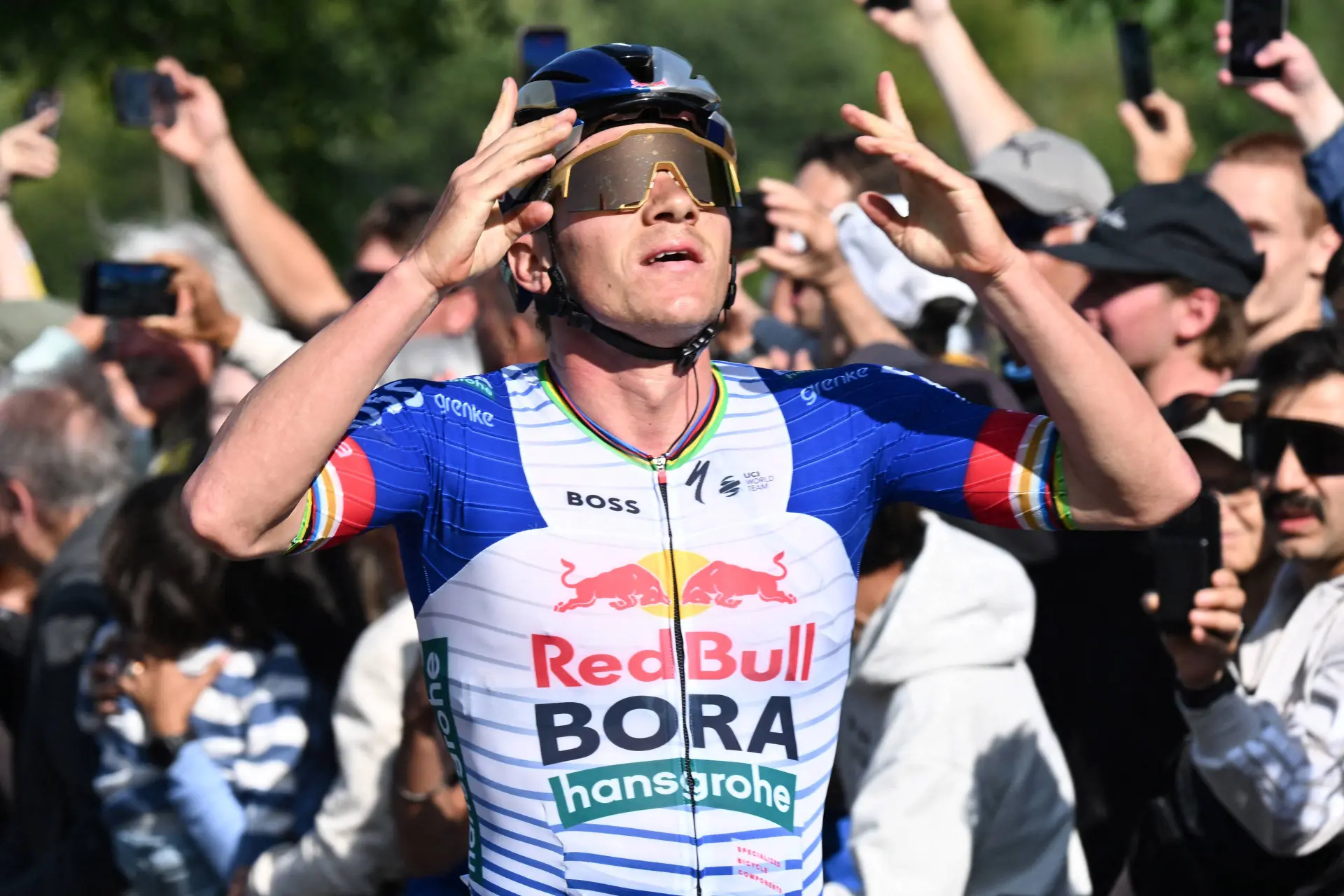
Del Toro is the favorite, but there is no room for complacency
My conclusion is clear: yes, Isaac del Toro is the favorite to win the 2026 World Championships in Montréal. But being number one on a list of favorites does not mean that he has the World Championships won. Quite the opposite.
Pogacar’s absence has removed the major reference point and left a completely open race, in which Belgium can play Evenepoel and Van Aert, the Netherlands has Van der Poel, France has a Seixas in extraordinary form, and riders such as Pidcock, Roglic, Mas, Ayuso, Ciccone and other long-range attackers can completely change the race.
Del Toro has the course, the sensations he showed in Montréal and the ability he demonstrated to respond to Seixas’ attack and then win the one-on-one battle in his favor. His biggest problem will be something else: this time he will not have a team behind him capable of allowing him to conserve energy until the final climbs.
That is why the World Championships will be a completely different test. And precisely for that reason, it is so interesting. If Del Toro manages to reach the decisive phase again with the legs he showed in Montréal, he will be the rider everyone has to watch.
So for me, today, Isaac del Toro is the number one favorite to wear the rainbow jersey in Montréal.

Félix SernaCycling Journalist
Félix Serna is a writer at CyclingUpToDate and has been part of the team since 2025. He covers professional cycling across both the men’s and women’s calendars, with a focus on UCI rankings, race developments, and rider performance. His work includes interview-based reports, liveblogs, and tournament coverage designed to provide clear, accurate context throughout the season.
In his reporting, Félix regularly uses ProCyclingStats for results, statistics, and historical reference. He places strong emphasis on careful sourcing, editorial accuracy, and updating articles promptly when new, verified information becomes available. He holds a bachelor’s degree in International Studies.
claps 0visitors 0
Just in
Popular news
Latest comments
- I never watched cycling back when LA was riding, but from what I’ve heard LA was a nasty piece of work in the Peloton, so nothing would surprise me! 😆Lozza01-10-2026
- Wout had a great year, finally getting a cobble, plus green jersey and 2 stages at Vuelta and fantastic team work for Brennan, plus other nice wins, but all the Belgian press (and others) can see now is what happened at Worlds. Give the guy a break!Lozza01-10-2026
- But even then he carried on working after getting his breath back. Pidcock probably p’d off that it was del Toro who rode down his late attack with Ciccone.Lozza01-10-2026
- Del Toro did a LOT of work riding on the front pulling that group along, with Seixas sat on his wheel. By the time McNulty went he can’t have had much left.Lozza01-10-2026
- Big Pog fan but Mcnulty will not honour the jersey by carrying water bottles. For the older members 1990 Rudy Daelens won the jersey in Japan and never won anything and was a domestic for his team. Pidcock makes a good point about pro teams and working for team mates instead of country.Pidcock knows what he talking about multi world champion and classics winner.paultryan200201-10-2026
- So Pidcock has to wait another year to try to become the 1st Englishman to win Elite World Road Race since Tommy Simpson in 1965 !!!!!!!!!
 Senna196001-10-2026
 - Angry Pidcock and Matthews claim del Toro helped UAE teammate McNulty claim gold bla bla bla bla bla bla bla ... etc. etc. etc. etc.... The Rainbow Jersey will stay close to Pogi... he won't wear it but McNulty will, but still close. Next year it will be on Pogi's back again. UAE are the "sole owners" of the Rainbow Jersey. Ad acta!!!PogiSloFans01-10-2026
- Shocking really. That any team, never mind an American one, would have that degree of selflessness in their squad. Both Matteo or Quinn would have been equally deserving as champions. And maybe the original plan was teeing it up for them.MavicMoto01-10-2026
- Perhaps Piddy knew Onley didn’t have it but outside of messages getting passed along from the sides of the road, I’m not sure how he would know that without radios. And yes…Quinn finished 4th but (maybe I’m wrong here) before Sunday how many would have thought that he would be head and shoulders above Onley on what was widely considered a climbers course, with riders like VdP (let alone Simmons) only considered to have an outside chance? So my point is that yes, context was considered. Both BMc and Piddy were more-or-less playing the same cards. BMc played it to perfection and won. Piddy came up short. But somehow, according to Piddy, that’s on del Toro for not contributing to the chase at the end…a chase that Piddy might not have been involved with had he played his cards differently, saved his matches and bridged later. I think that is the greater context rather than complaining that del Toro (who was working all day) quit working once his trade teammate went up the road, which should be expected in that scenario.classicsrock01-10-2026
- Perhaps IDT did help, but what I saw was a group of riders that waited 60 seconds before responding to McNulty's acceleration. A whole minute! Really? I said to myself WTF are they thinking? Did physical exhaustion impair their judgement, or was it just chess games? No one wanted to burn their last match? To blame IDT for their lack of response is farcical. If Pidcock and Mathews only took 30 seconds to respond or responded immediately I think McNulty would have been caught.Botch25001-10-2026
Loading
Write a comment