“In those days tramadol was legal, and I was using it heavily” – Chris Horner empathises with Tadej Pogacar’s Tour de France injury struggles
Cycling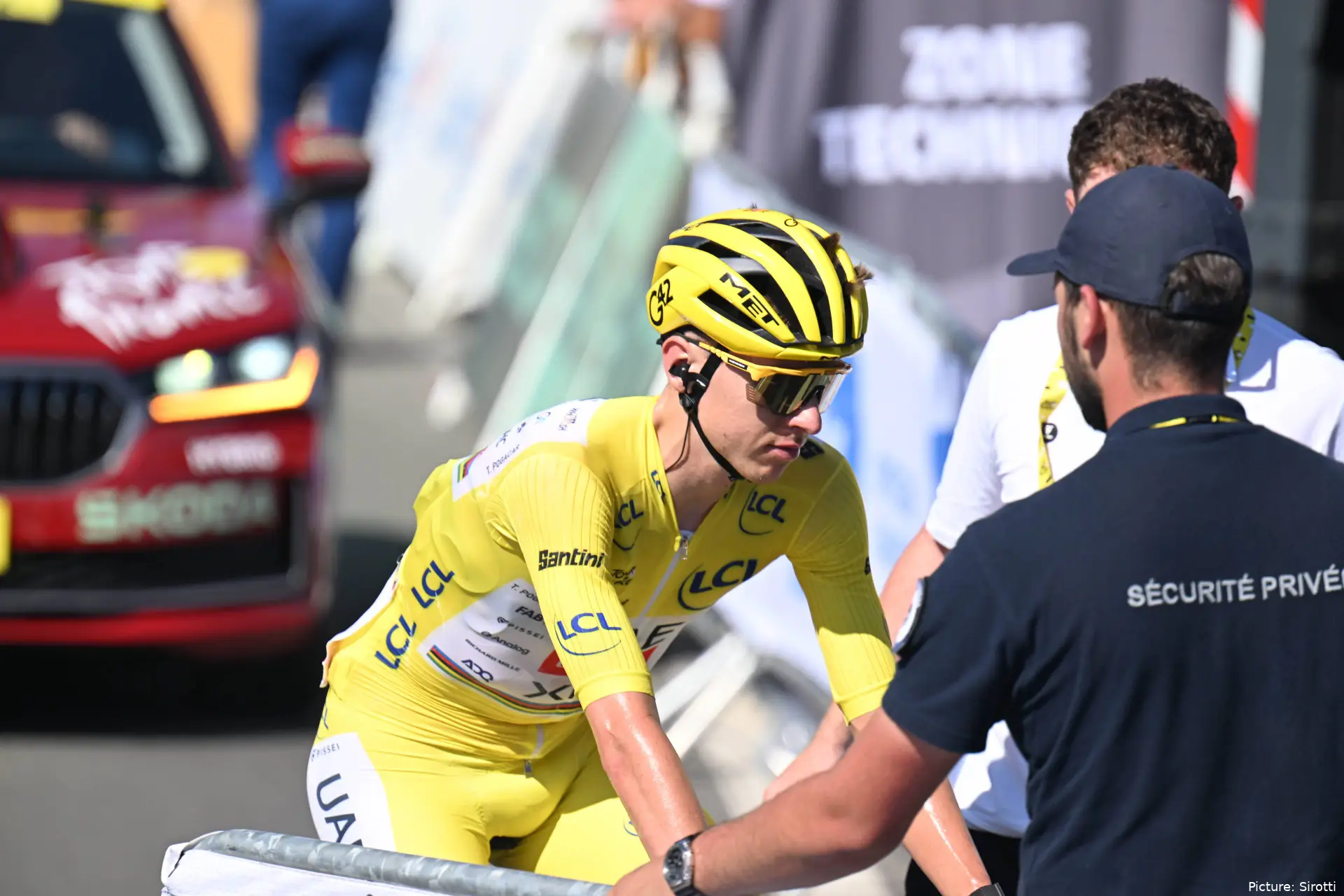
For American Grand Tour winner Chris Horner, the pain Tadej Pogacar endured in the final week of the 2025 Tour de France is all too familiar. Speaking on his YouTube channel, the former Vuelta a Espana offered a vivid, personal reflection on what it means to race through injury at the highest level — and the hidden toll it can take.
“In those days tramadol was legal, and I was using it heavily,” Horner recalled of his own experiences with a similar injury back in 2009. “It helped me to get through the stages, but it also made me gain weight day after day. The pain was so bad that just being able to turn the pedals was a battle.”
Horner’s candour came as Pogacar himself admitted he came close to abandoning what he described as the hardest Tour of his career. The Slovenian, already a four-time Tour champion, revealed that severe knee pain and freezing conditions in the Alps left him in real doubt about whether he would even make it to Paris.
“The day after Ventoux I had knee problems, and I started doubting whether I’d even be able to continue,” Pogacar said earlier this month on the Tour 202 podcast. “My body was in shock. I didn’t feel great.”
A crash, a knee, and a tactical shift
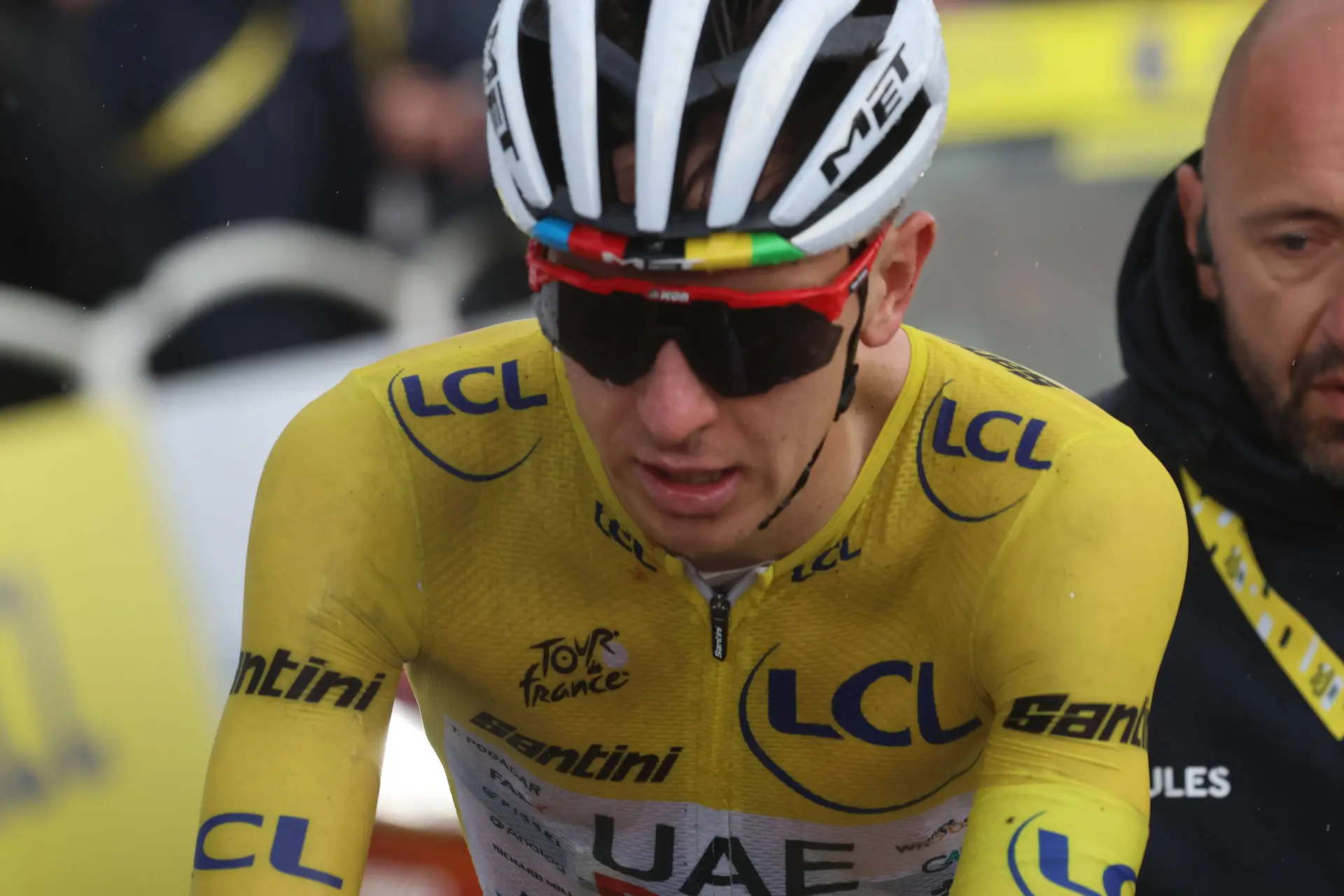
Horner pointed to the turning point: Pogacar’s late crash on stage 11. “He overlapped wheels with a Uno-X rider, slid out to the left side, hit the island, jumped back up and got on his bike,” Horner recalled. “I’m not saying that caused the problem — we don’t even know which knee it was — but when you hit the hip hard like that, your alignment can shift. Then you’ve got thousands upon thousands of pedal strokes, and something’s going to give.”
The pain, according to Pogacar, appeared after stage 16 to Mont Ventoux. From that point on, the UAE Team Emirates - XRG leader appeared more subdued, both on the bike and in interviews. His attacking instincts — so often the hallmark of his racing style — were replaced by cold calculation.
“This is the more educated, adult experience now that Pogacar is coming into,” Horner said. “If you can’t get rid of Jonas Vingegaard straight away, you don’t want to lose time to him either. So he raced wisely. He backed off the throttle.”
That approach was visible on stages 18 and 19, where Ben O’Connor and Thymen Arensman took memorable victories while Pogacar sat tight, defending rather than destroying. “It wasn’t boredom,” Horner insisted. “It wasn’t a lack of motivation. What we were watching was a rider in pain, protecting his GC.”
“Your body just absorbs everything”
In his analysis, Horner lingered on an often overlooked side effect of injury: water weight retention. “Whenever your body goes into trauma, it always gains weight,” he explained. “I’ve been in hospital after crashes where I didn’t eat for a week and came out seven or eight pounds heavier.”
That extra weight, even a kilo or two, can blunt a rider’s edge in the final week of a Grand Tour. “Instead of losing weight as the race goes on, like you normally would, you’re gaining it,” Horner said. “Every little bit counts when you’re climbing Ventoux or the Loze.”
Horner spoke openly about his own experiences with tramadol during the 2009 Tour of California after crashing on his left knee. “I was taking it aggressively to get through every stage,” he said. “But it was clear — I was gaining weight. I could see it day after day. I told my team-mates: don’t wait for me on Mount Palomar. My form had just dropped away.”
He wasn’t accusing Pogacar of taking any medication, but the underlying physiological impact of pain and trauma is the same. “Whether it’s from injury alone or medication, that water weight retention is real,” he said.
A champion’s honesty
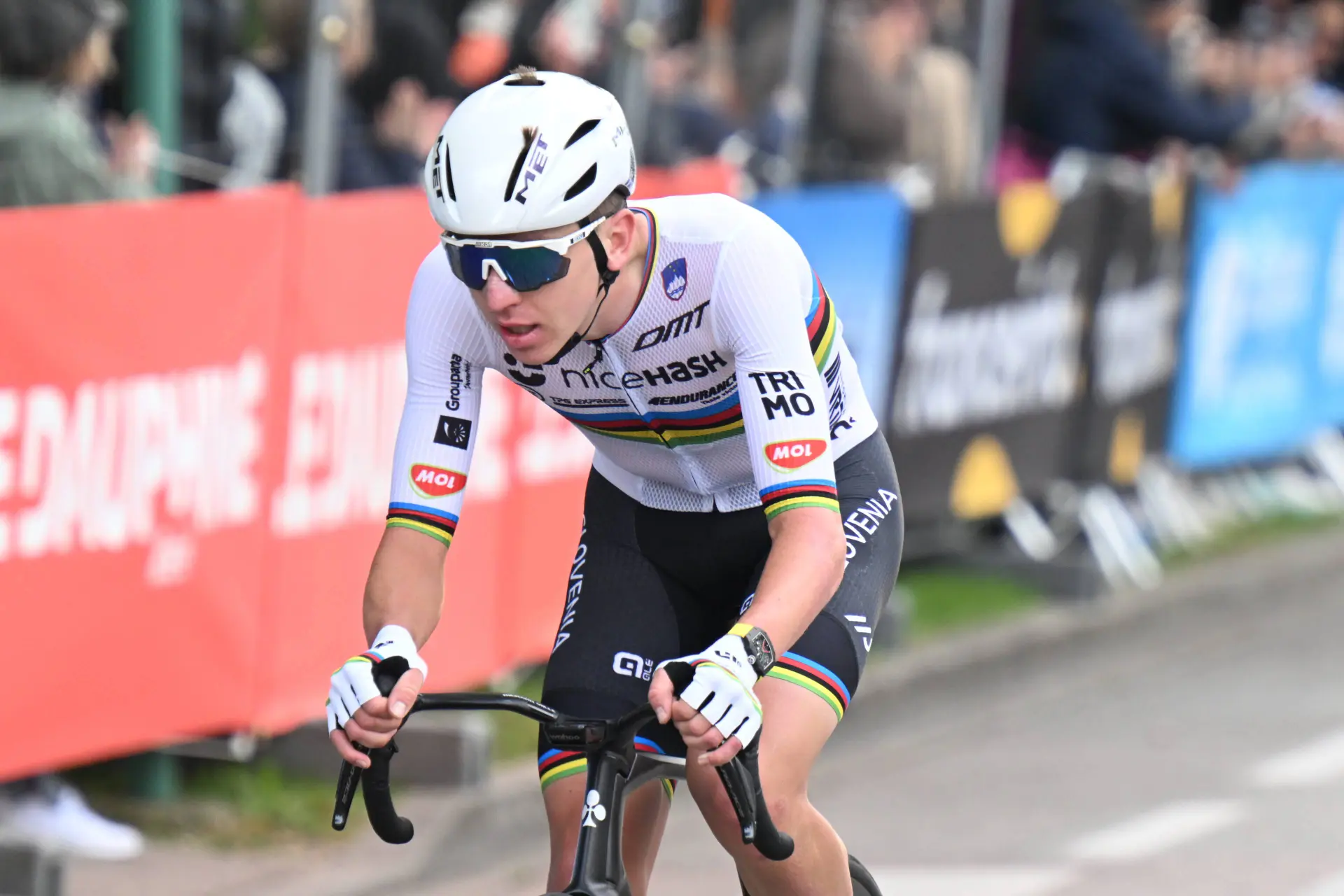
For Horner, Pogacar’s willingness to reveal the injury matters. “I love the article. I love how Pogacar is honest about the knee injury,” he said. “It gives everyone a clearer picture of why he raced the way he did.”
Pogacar’s resilience also puts his achievement in sharper focus. He didn’t just win the Tour; he did it through discomfort, in the cold, and under pressure. And when it could easily have unravelled, he held firm.
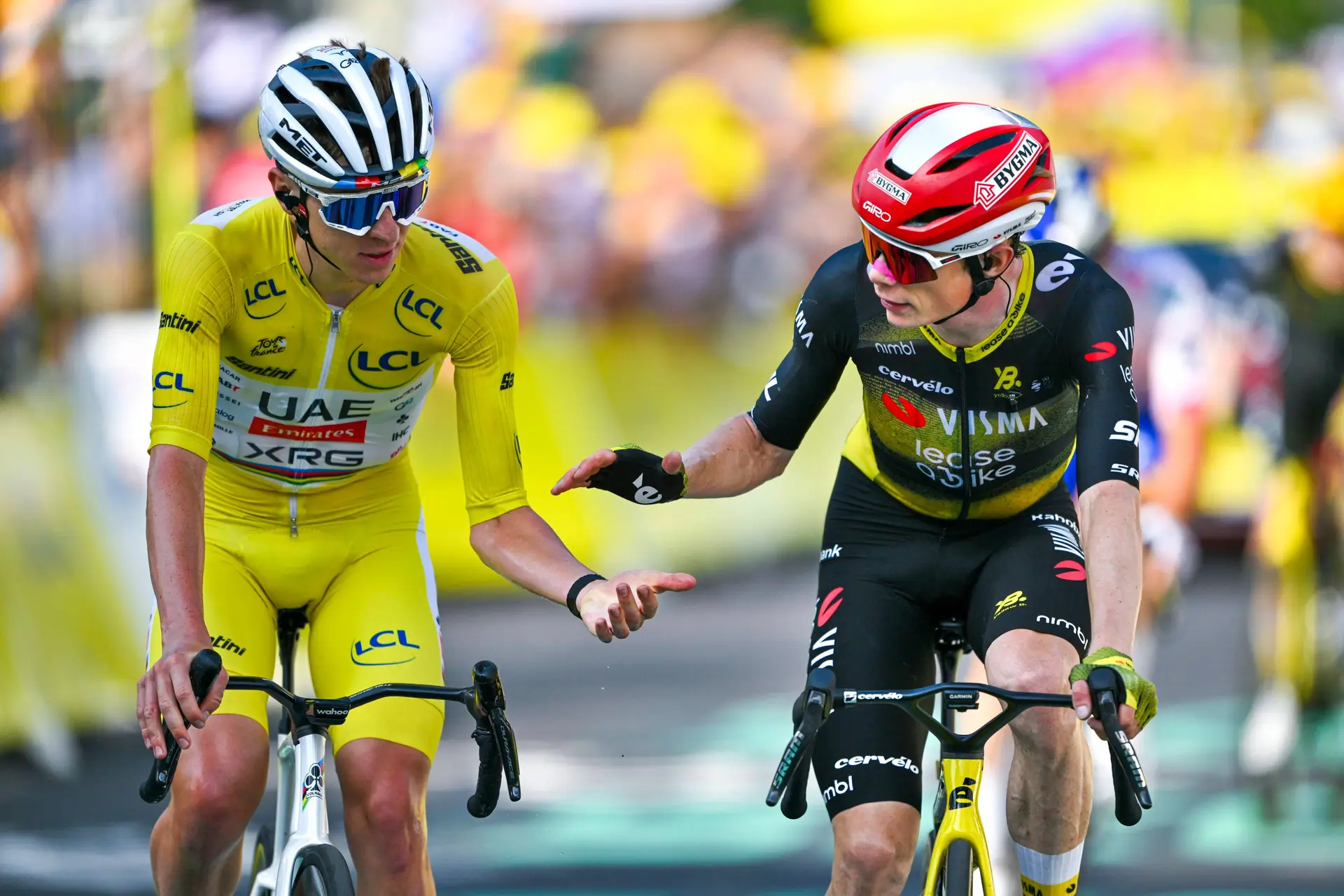
The contrast with Vingegaard, his great rival, was never far from Horner’s analysis. “If he’d dropped out, people would be saying Jonas is the best rider in the world again,” Horner noted. “But you’ve got to give some adjustments for crashes, for injuries, for the stuff riders go through.”
Pogacar ultimately went on to win Il Lombardia and the UCI Road World Championships – Men's road race later in the year, a run of form that silenced any whispers of decline.
The weight of pain, the value of perspective
Horner closed his analysis with a reminder of how fine the margins are at the top of the sport. “A small knee injury could have cost Pogacar the Tour,” he said. “If he abandons, Jonas gets a third win, and the whole conversation shifts.”
The American’s frank recollections — from hospital stays to tramadol use and the invisible weight of injury — gave his words a rare weight. More than a tactical breakdown, it was a veteran’s recognition of what elite riders silently carry through a Grand Tour. “Pogacar wasn’t bored,” Horner said. “He was hurting. And he still won.”

Kieran WoodDeputy Editor-in-Chief
Kieran Wood is a sports journalist based in Wales and has been active in journalism since 2022. He regularly contributes to DartsNews.com and CyclingUpToDate.com, where he covers professional cycling and darts. In cycling, his work includes liveblogs from major races, including the Tour de France, the Giro d’Italia, and La Vuelta a España, alongside race reports and analysis. He has also conducted interviews with professional riders.
His reporting spans the full racing calendar, from one-day classics to stage races, with a focus on accurate, real-time coverage and clear contextual analysis. For statistics, results, and historical context, he regularly uses resources such as ProCyclingStats. To support reporting on rider activity and training context where relevant, he also references Strava.
In his work, Kieran places strong emphasis on careful sourcing, editorial accuracy, and updating articles as new, verified information becomes available.
claps 20visitors 17
Just in

Popular news

Latest comments
- So gracious to offer something no-one would be prepared to pay for. The Giro is not the Tour and doesn’t command the same interest or attract the same “elite” (those willing to pay to be a part of something they consider has ego boosting potential). Roadside viewing will always largely remain free for everyone outside circuits. Introduction of a symbolic entrance to mountain climbs is worthy of exploration. Asking 1-2€ isn’t going to repulse real fans (most will spend 50-100€ on their outing that day all things included) but will prevent a portion of the total knobhead thrillseekers who will join in any large gathering as long as it’s free, just because they’re attracted to crowds, without which it it difficult for them to work up their anti-social behaviour.Jumpyjohn07-11-2026
- How is radio going to help when someone went over a cliff or bridge or off the roadside into a forest unnoticed and is laying there unconscious?Jumpyjohn07-11-2026
- Yep, next we’ll be accusing F1 drivers of avoiding Le Mans.Jumpyjohn07-11-2026
- But on what is that opinion based? Are you holding him to a different standard than others? Are you saying he should do learn to like something he doesn’t Are you saying he hasn’t achieved enough Are you saying he pretends to be better than his results? It’s actually a really strange opinion to oust if you consider it objectively or rationally. Try applying it to others or yourself by asking if not EVERYONE should then be doing more? Nobody in athletics or swimming gets criticism for not expanding their repertoire when a rival or someone else does. In fact, most who move to another event get accused of running from their rival. Opinions are boring, the reasons behind them are what count.Jumpyjohn07-11-2026
- for a medical chief to throw things like is just bad. There are already radios which were banned for spectacle. allow radios. Gps trackers are not a complete solutionabstractengineer07-11-2026
- Yeah man...PogiSloFans07-11-2026
- any rider less than 25 whether they are really ready for the position of leadership of GT is probably not the case. I think Pogi himself suffered when he was defeated by Jonas in the TDF twice. But that would be the team's job to ensure support so that they can bounce back. It requires a team and time to get back up and win after getting knocked down.abstractengineer07-11-2026
- I'm very glad he got the big late Quickstep Vuelta win and I hope he has a few left for Euskaltel-Euskadi.flyer07-11-2026
- My memories of Ivan Basso aren't good but I liked his sister Elisa ok.flyer07-11-2026
- I'm picking .... .... Never mind 🫥flyer07-11-2026
Loading
42 Comments