“I would feel beaten before the start every single time” – Inside the peloton as Tadej Pogacar’s dominance revives cycling’s doping suspicions
Cycling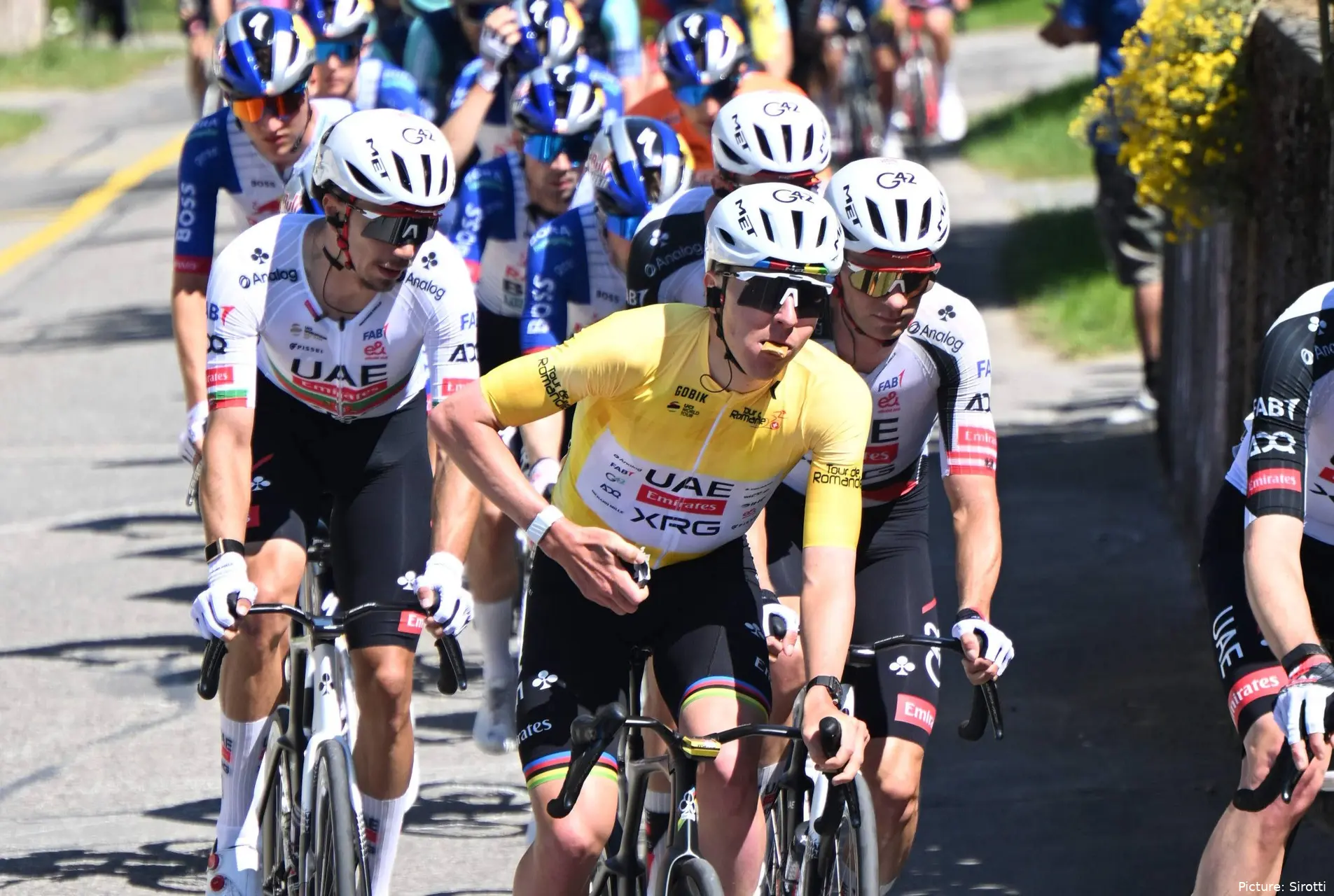
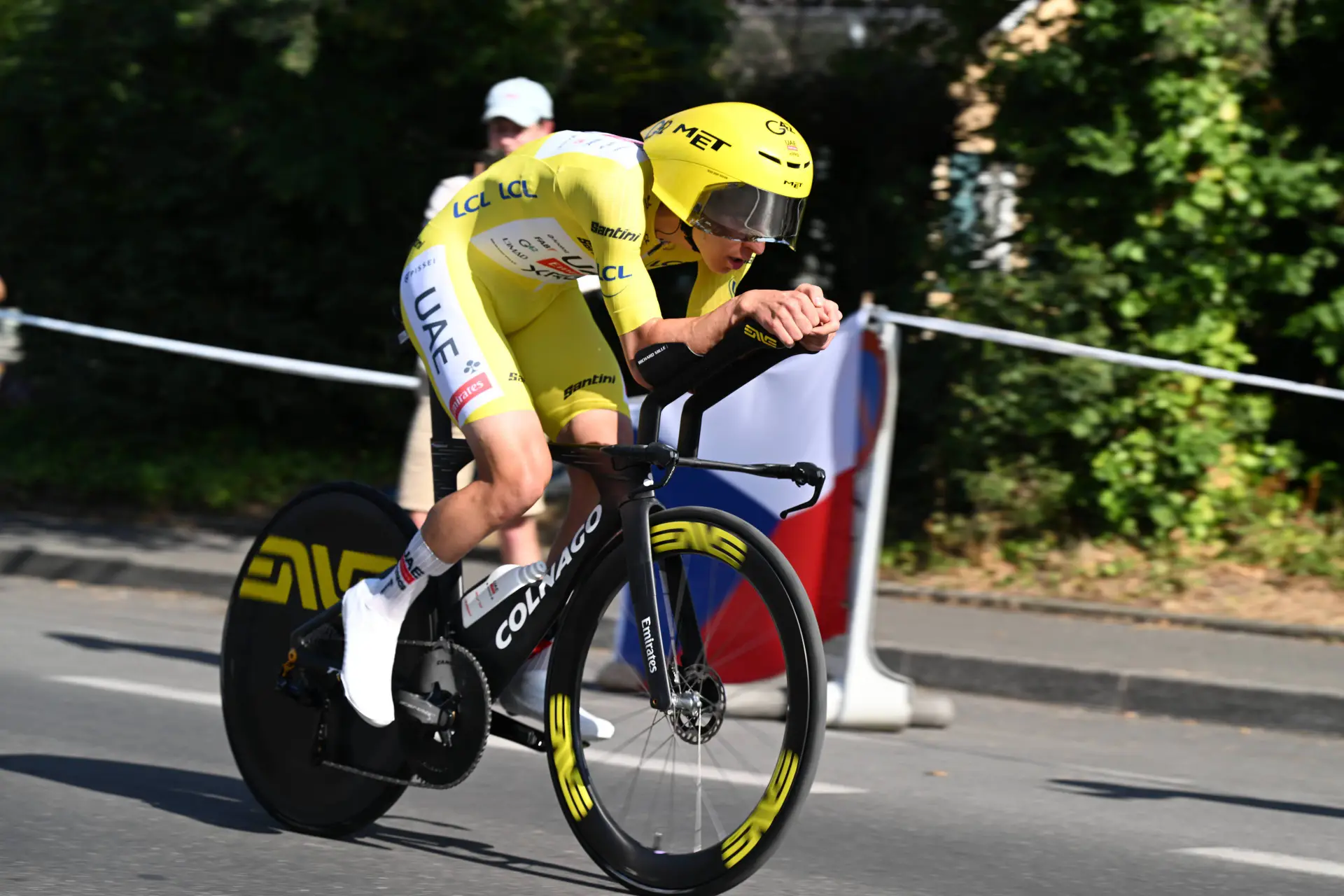
Tadej Pogacar’s latest Tour de France victory did more than extend his dominance over modern cycling. It also brought the sport’s recurring credibility debate sharply back into view.
A fifth yellow jersey, another collection of stage wins and a series of record-breaking performances ensured that admiration was again accompanied by suspicion. The overnight anti-doping controls involving Pogacar and Jonas Vingegaard during the race only added to the attention surrounding the leading figures of the 2026 Tour.
No anti-doping violation involving Pogacar has been announced, and no public evidence has emerged to show that his success has been achieved through prohibited methods. Cycling’s history, however, means performances of that scale are rarely allowed to exist without questions.
Among the riders who regularly compete against the Slovenian, the reaction appears more complicated than either blind faith or outright mistrust.
Casper Pedersen, speaking to TV2 during the Tour of Denmark, accepted that continued scrutiny remains necessary while warning against allowing suspicion to harden into accusation without evidence.
“Of course, it is unfortunate that there is so much focus on it, but it is also important to make sure questions are asked if something appears suspicious,” said the Soudal – Quick-Step rider, who is representing the Danish national team this week. “On the other hand, questions are sometimes raised without any concrete reason.”
Pogacar’s dominance keeps cycling’s past close
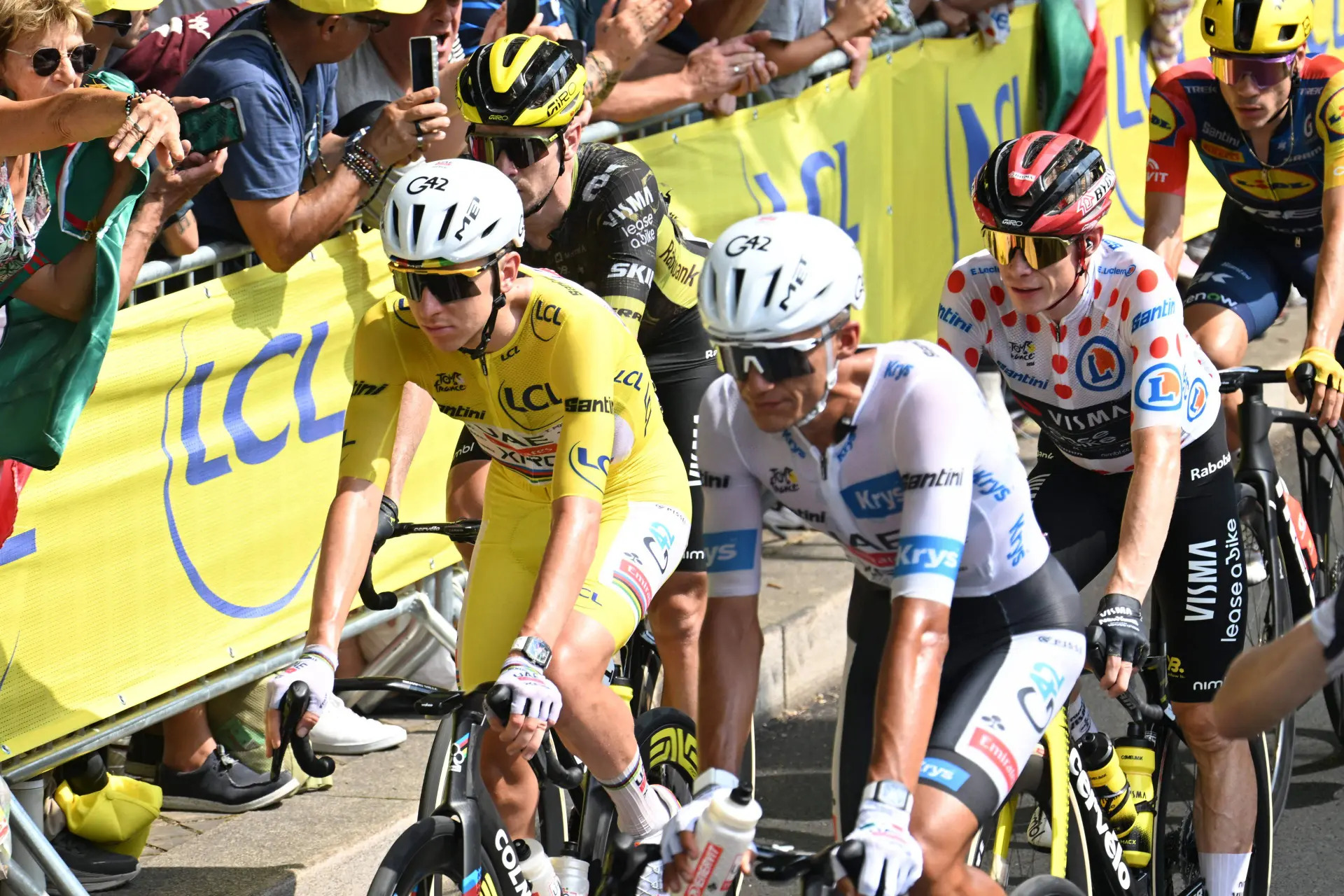
The latest Tour was the most immediate trigger, but the debate around Pogacar stretches well beyond July.
His success now covers Grand Tours, Monuments, stage races and consecutive World Championship road titles. The Slovenian has repeatedly won across different terrain with margins and performances that have placed him alongside the greatest riders in the sport’s history.
Pedersen did not direct his remarks at Pogacar personally, but his comments came as the Tour winner’s performances were once again being viewed through the shadow left by previous generations.
Cycling has seen too many celebrated victories unravel years later for scrutiny to disappear completely. “It is a difficult balance, but it is important that, for example, the press keeps an eye on things, just as it does in other industries, so that it does not go wrong as it did in the past,” Pedersen said.
Pogacar’s performances attract attention because they are extraordinary. The absence of evidence has not prevented sections of the public from treating the scale of his dominance as grounds for suspicion.
Trust inside the peloton
The 30-year-old is now in his eighth consecutive season at WorldTour level and has seen doping discussions return at several points during his career.
“Of course, I hope our anti-doping authorities are capable of catching those who cheat,” he said. “I have to place my trust in that, because if I did not, I would feel beaten before the start every single time.”
That belief remains essential for riders spending much of the season competing against Pogacar and the small group of rivals capable of challenging him.
The Tour’s surprise night-time controls showed the intensity of the monitoring surrounding the race’s leading contenders, even as the timing itself caused controversy over disrupted sleep.
Testing, biological passports and targeted controls remain the basis on which riders are expected to trust the competition around them. Without that confidence, every exceptional performance would become an accusation and every defeat would arrive with an asterisk.
Suspicion follows the next record
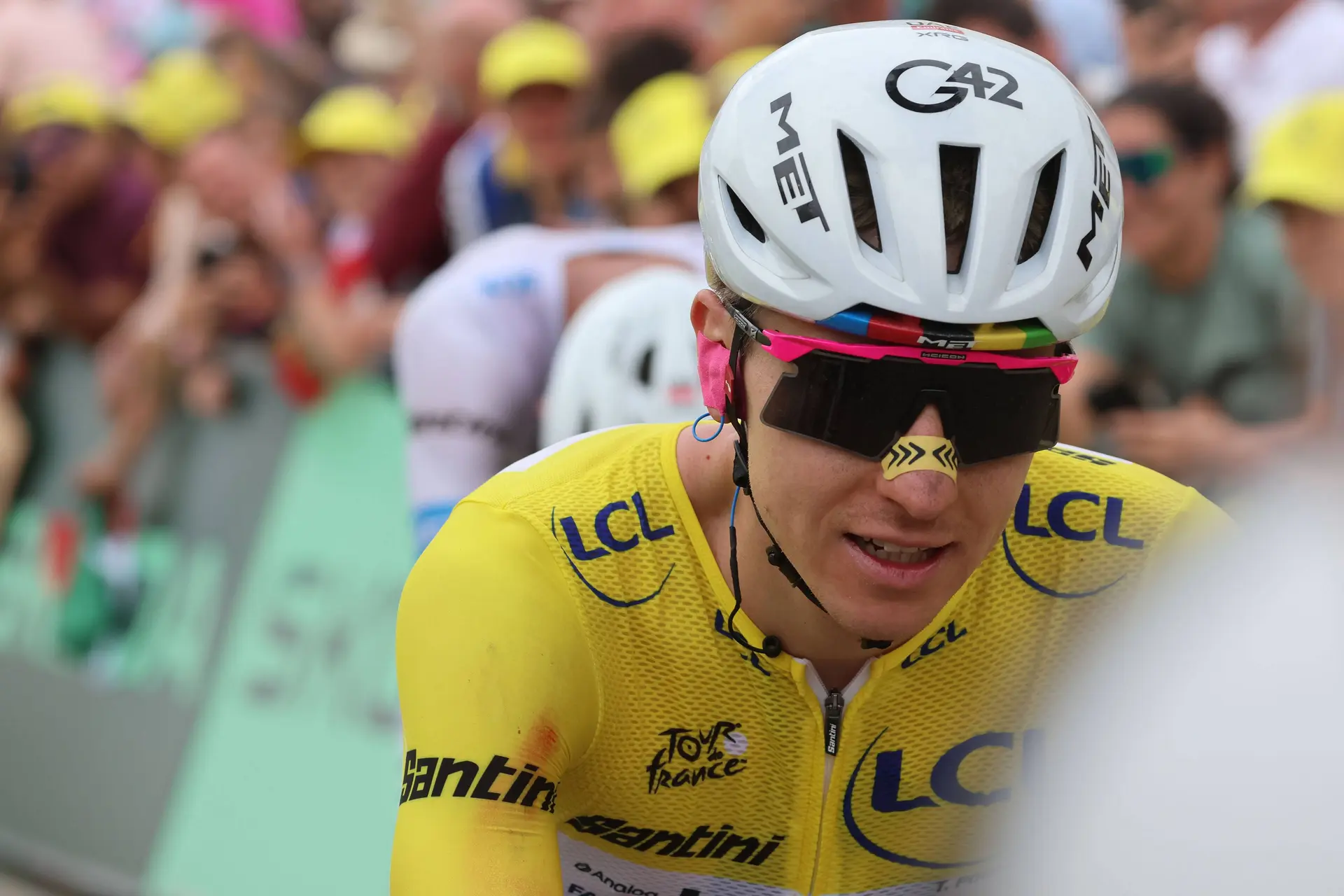
Pogacar’s dominance is unlikely to face less scrutiny as his career continues. Every further record, long-range attack or emphatic victory will be placed beside both his existing achievements and cycling’s troubled past. Pedersen does not argue that those performances should escape examination, only that questions need something more substantial before becoming conclusions.
For riders inside the peloton, the anti-doping system remains the dividing line. They race, lose and return to compete again on the assumption that those breaking the rules will be caught. Without that, the result would feel decided before the flag had dropped.

Kieran WoodDeputy Editor-in-Chief
Kieran Wood is a sports journalist based in Wales and has been active in journalism since 2022. He regularly contributes to DartsNews.com and CyclingUpToDate.com, where he covers professional cycling and darts. In cycling, his work includes liveblogs from major races, including the Tour de France, the Giro d’Italia, and La Vuelta a España, alongside race reports and analysis. He has also conducted interviews with professional riders.
His reporting spans the full racing calendar, from one-day classics to stage races, with a focus on accurate, real-time coverage and clear contextual analysis. For statistics, results, and historical context, he regularly uses resources such as ProCyclingStats. To support reporting on rider activity and training context where relevant, he also references Strava.
In his work, Kieran places strong emphasis on careful sourcing, editorial accuracy, and updating articles as new, verified information becomes available.
claps 0visitors 0
Just in

Popular news
Latest comments
- What the tdf have done here is make a very intriguing route, Pog by nature is more at home on the mountains, Remco TT's, Seixas an all-rounder.. RE, nearly got the better of Pog this yr & they've capitalised on that!
 leedorney22-10-2026
 - Hopefully any potholes on the British roads can be repaired so everyone arrives safely in France, and Pog, Jonas, Remco and Seixas can all be fighting it out in Paris.Hills3322-10-2026
- If Pogi is once again successful this year... next year we can expect 100 km or more of flat Time Trials ... and just one proper mountain stage, in the penultimate stage, the year after that. :)) :)) :))PogiSloFans22-10-2026
- EXTRA EXTRA - Read all about it !!! Plans for TDF 2028 and 2029 !!!! If Pogi is once again successful this year... next year we can expect 100 km or more of flat Time Trials ... and just one proper mountain stage, in the penultimate stage, the year after that. :)) :)) :))PogiSloFans22-10-2026
- If Pogi is healthy and in the same shape as he was this year, then we’re getting a 6 ⭐⭐⭐⭐⭐⭐TDF winner... 100%. Let’s go Pogi! 💪👍 In their efforts to make the route as anti-Pogačar as possible, they ended up striking the biggest blow to the one rider who has managed to beat Pogi at the Tour twice!?!? The "poor" Danes are swearing and spitting at Christian Prudhomme: Hvad fanden laver du? ... Du er kraftedeme dum! Det er noget lort! ... Skrid ad helvede til! ... For helvede, mand! ... Jeg er pisseligeglad! PS: Ha ha ha ha ... ChatGPT told me these swear words.PogiSloFans22-10-2026
- Pogi will probably focus more on the time trials, as he’ll have to, and I don’t expect him to lose 3 seconds per kilometer. Maybe in the first time trial, if he has a really bad day, but certainly not across both combined. He might even win the second one, which is shorter, features a short climb, and takes place in the third week. I expect him to take the yellow jersey after Stage 10 and keep it until the end. He also has a tough World Championships and the Vuelta coming up after the Tour, so he’ll need to manage his energy wisely. If Pogi is healthy and in the same shape as he was this year, then we’re getting a 6 ⭐⭐⭐⭐⭐⭐TDF winner... 100%. Let’s go Pogi! 💪👍PogiSloFans22-10-2026
- What if Seixas has an open road to 2nd, or Vingegaard... or both of them? Well then, Remco will just have to be 4th.PogiSloFans22-10-2026
- Said it in a different thread: I wish the races with gravel/off-road sections (Strade Bianchi, Paris-Tours, Tro Bro Léon, Veneto, In Flanders Field, and more) could be combined into a some kind of points series that could provide some kind of marketing to them all.RidesHills22-10-2026
- What a fascinating top 10 that is. Pidcock ahead of Vingegaard? Gall ahead of van der Poel? And Pogačar, even after his injuries, has more points than Evenepoel and Roglič combined.RidesHills22-10-2026
- Remco has an open road to the 2nd place next yearBenAflec22-10-2026
Loading
5 Comments