“His potential might suffer” – Sean Kelly fears early Tour de France debut could cost Paul Seixas in years ahead
Cycling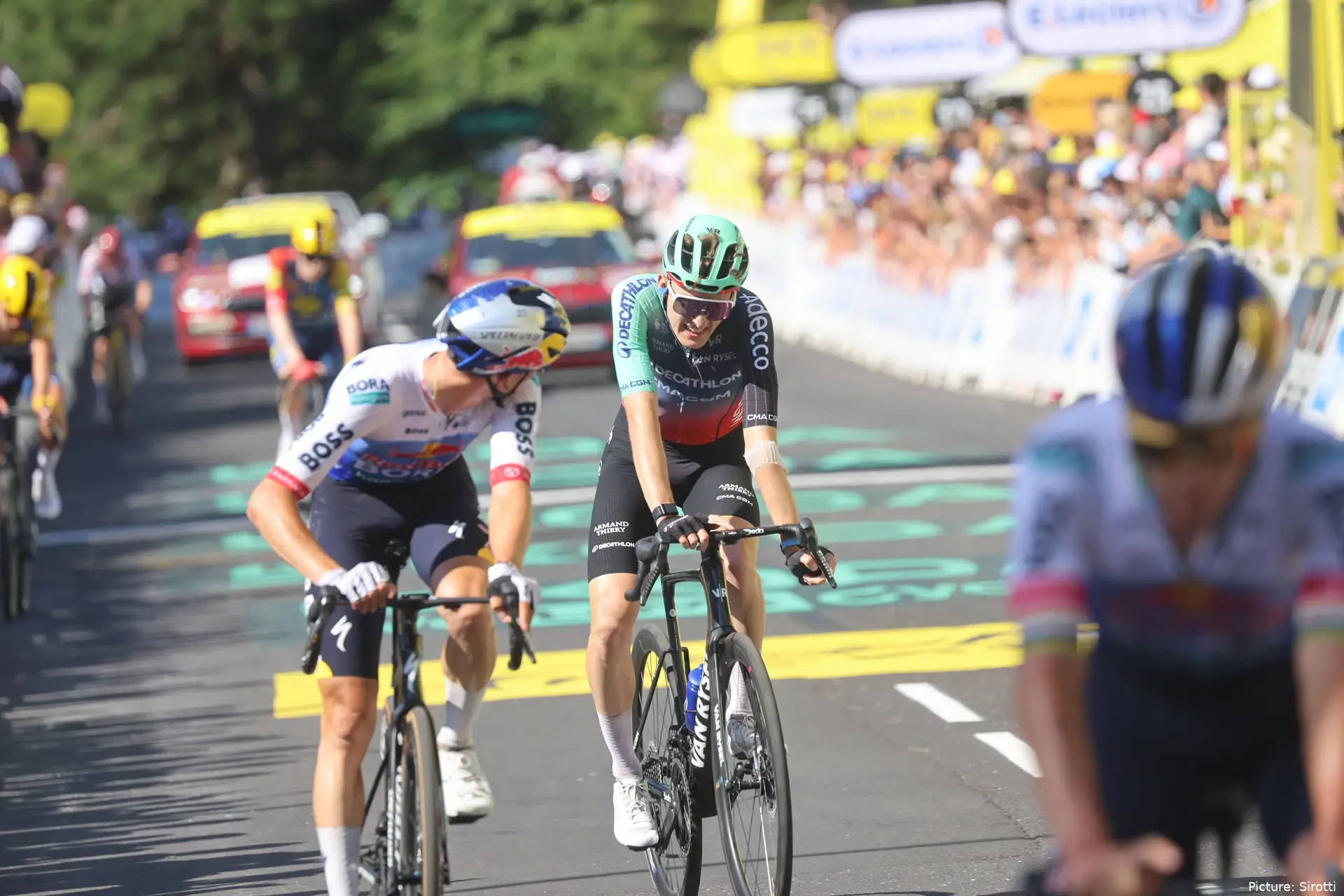
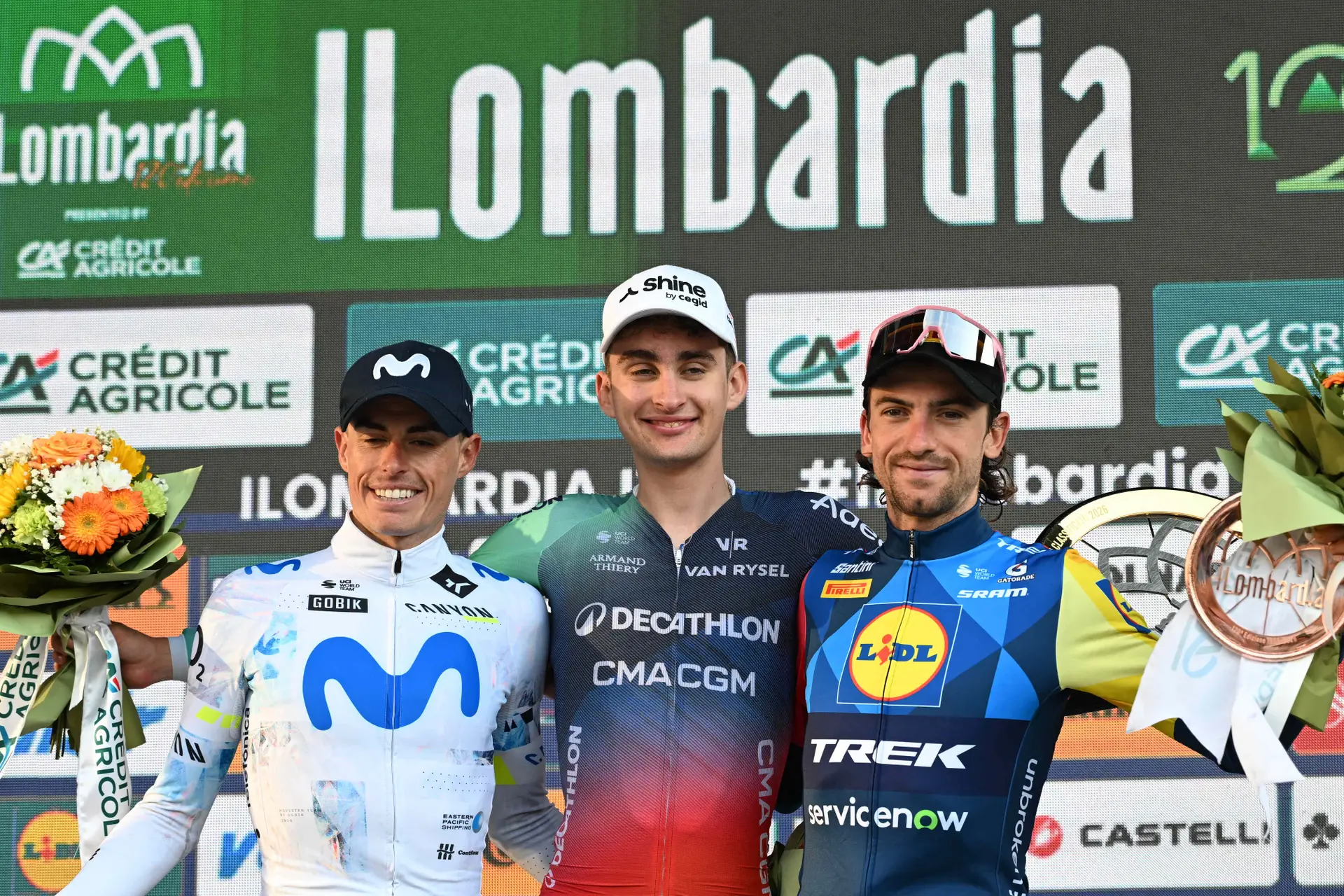
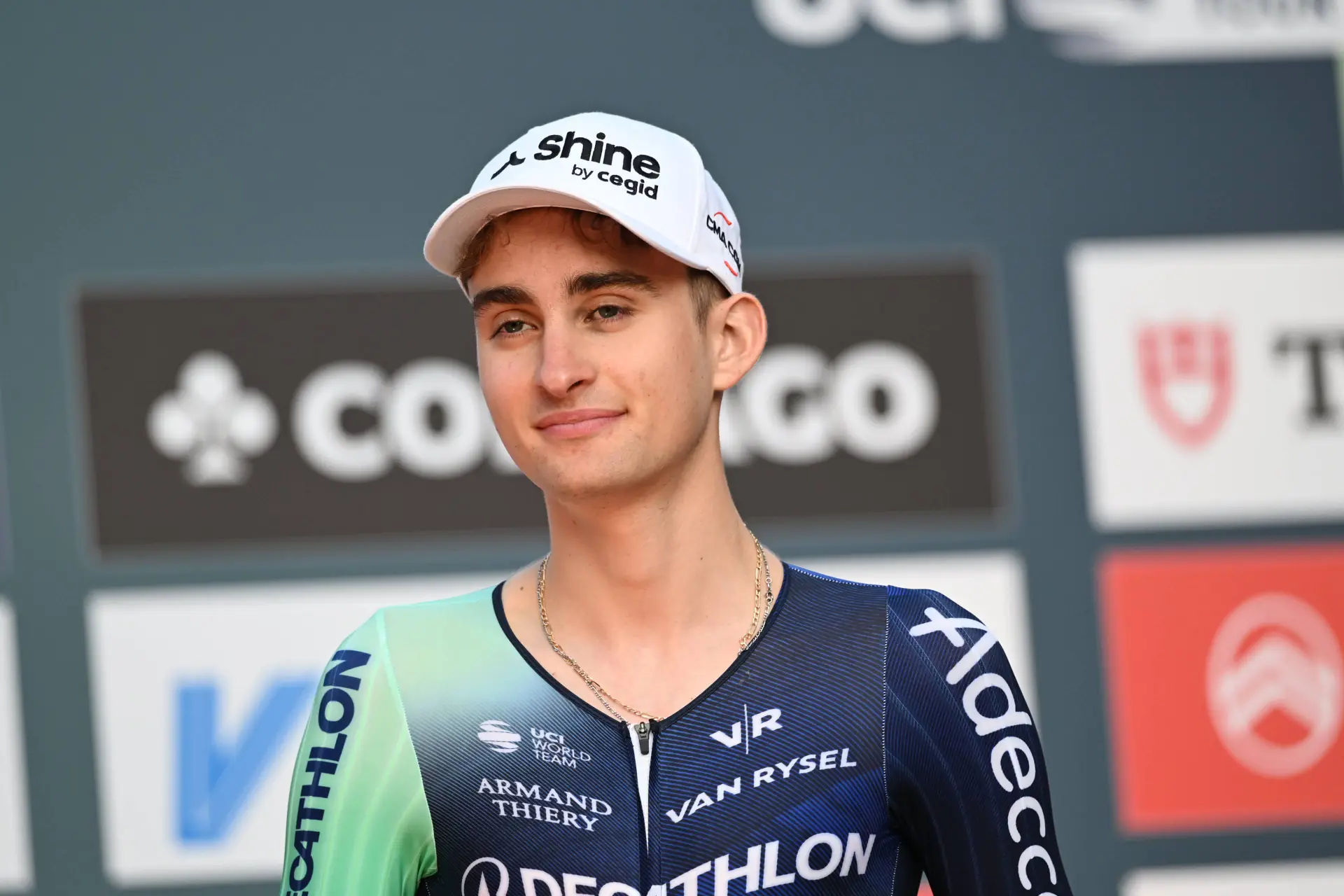
Paul Seixas’s fourth place at the Tour de France and subsequent Il Lombardia victory have not eased Sean Kelly’s concerns about the Frenchman’s development.
The nine-time Monument winner fears that fighting for the general classification at just 19 could carry a cost that only becomes apparent over the next two seasons.
Seixas has since turned 20 and completed a campaign featuring eight professional victories, including the Basque Country overall title and La Fleche Wallonne. At his first Tour, he remained in contention for the podium into the final weekend before finishing fourth, 2:14 behind Isaac del Toro.
“I would be concerned that it was too young to do a Tour de France this year,” Kelly told Velo. “And also to ride it as he did, going for the general classification, every day being there in the battle. His potential might suffer because of doing the Tour de France too young.”

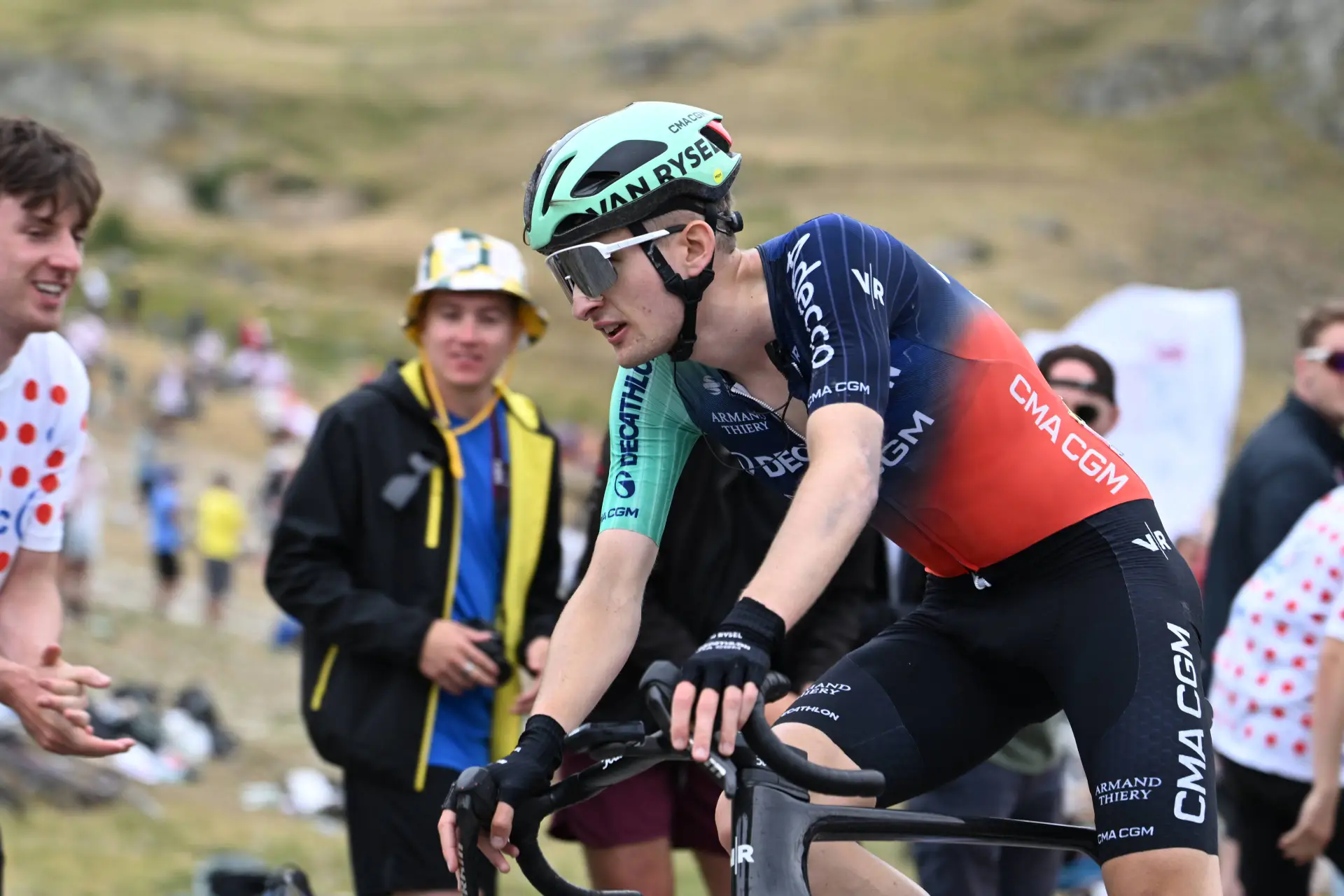
Paul Seixas in action at the 2026 Tour de France
A concern that survived Seixas’s breakthrough
Decathlon CMA CGM announced Seixas’s Tour participation on 4 May, after reviewing his spring performances and discussing the decision with him. The team committed from the outset to pursuing the best possible general-classification result, with Seixas becoming the race’s youngest starter since 1937. Kelly had argued against taking him in his Cyclingnews column the previous month.
“I would be concerned that a guy at 19, doing a Tour of France [as intensely] as they do it now, it could affect his performance next year, the year after,” he told Velo. “He mightn’t get that potential that would be there if he had been taken along at an easier level.”
Decathlon’s assessment at the end of July was considerably more positive. Team manager Julien Jurdie defended the decision to bring Seixas, praising his ability to fight throughout the race and the experience he had gained. The Frenchman subsequently finished second at the GP de Montreal, took World Championships time-trial bronze and won Lombardia.
“You couldn’t but be impressed about the performances,” Kelly acknowledged. “We were hearing about the power outputs that he was doing in training. We were hearing all that and then he comes to Pays Basques, the way he dominated there.”
That April victory brought three stage wins as well as the overall title. Seixas followed it with success on the Mur de Huy at La Fleche Wallonne, then second place behind Tadej Pogacar at Liege-Bastogne-Liege.
“The way he dominated the beginning of the year, that confirmed what we were hearing, what the French were talking him up about,” Kelly said. “And he’s confirmed all that through the year.”
Following Pogacar is only part of the challenge
Seixas has progressed from junior world time-trial champion to Monument winner in little more than two years. His first professional season in 2025 had already brought eighth place at the Dauphine and overall victory at the Tour de l’Avenir.
“It depends now where Seixas goes from here,” Kelly said. “Will he continue on improving? Is there much more improvement left in him? Or is he a very early developer, and the level he’s at now is pretty much the level he’s going to be at?”
“Maybe that is going to be his best level,” he added.
At Liege in April, Seixas alone followed Pogacar’s acceleration on La Redoute and began contributing to their move. Pogacar eventually dropped him on Roche-aux-Faucons, with 13.9km remaining, and won by 45 seconds.
“If you had Pogacar there on Saturday, Seixas probably would have been able to stay with him once again,” Kelly said of Lombardia. “But then in the flat sprint he doesn’t have any chance, because Pogacar is very fast in a two-up sprint or a little group sprint.”
“It’s the other quality that he’s got,” he continued. “As I said many times, Pogacar can do fecking everything.”
Pogacar’s Vuelta a Espana crash prevented that autumn rematch. Collarbone and cervical fractures, along with concussion, ended his season before the World Championships and Lombardia.
“To beat Pogacar next year, unless there is a major drop in performance from him because of his accident in the Vuelta, I don’t see Seixas beating him,” Kelly said. “If he’s at the level he was this year before his crash, I can’t see Seixas doing it.”
Read also
How long will Pogacar want to continue?
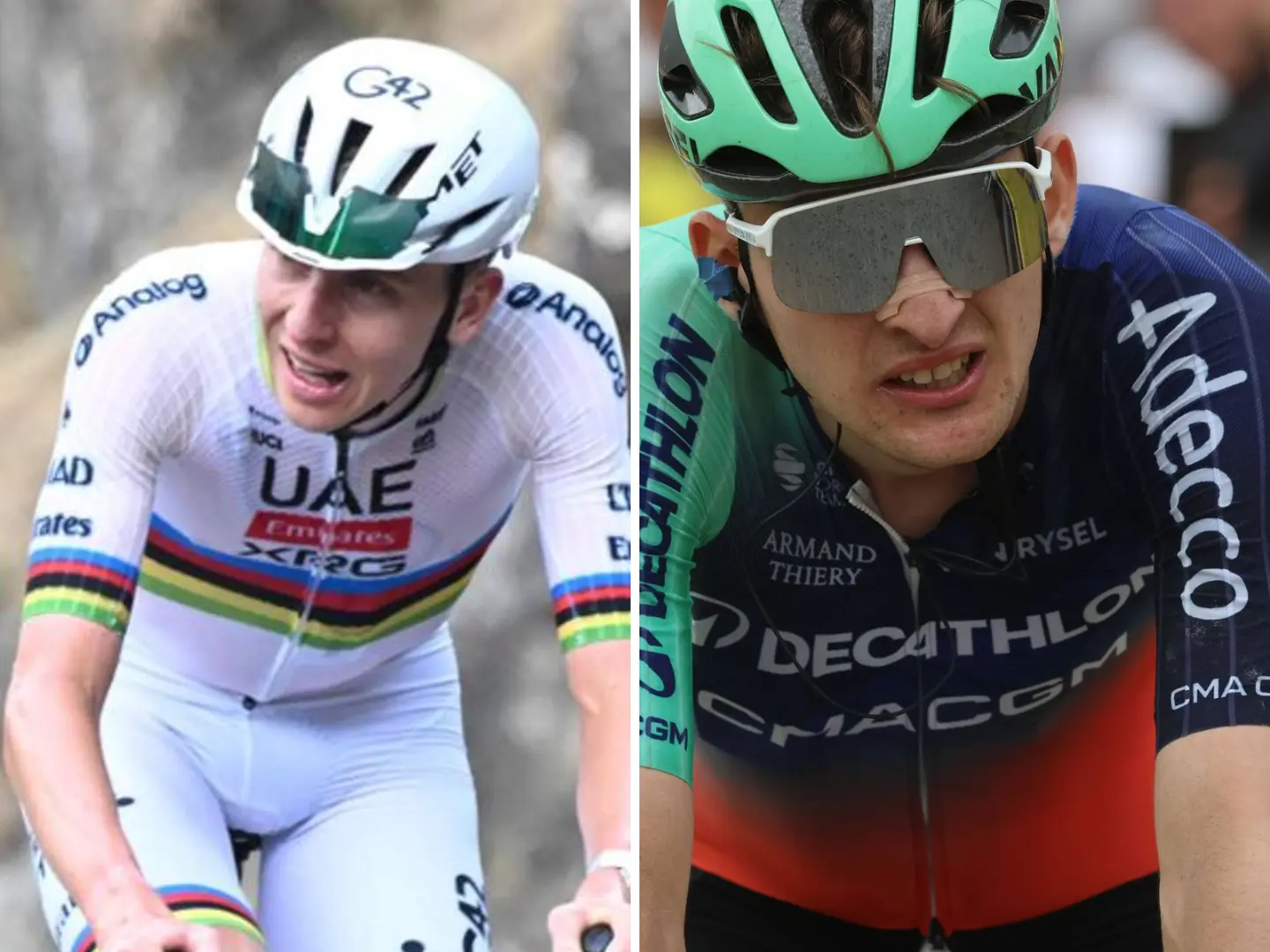
Pogacar and Seixas celebrated their birthdays three days apart in September, turning 28 and 20 respectively. Before his injury, the Slovenian had collected a fifth Tour title and three more Monuments during another dominant season.
“Pogacar at 28, 29 or 30 – if mentally he’s hungry enough to do it, I don’t think there’s going to be a problem age-wise,” Kelly said. “Pogacar definitely has another three or four top years left in him. But will he do four years? Will he have that focus, the mentality to continue on?”
UAE Team Emirates-XRG announced a contract extension through 2032 in September, alongside confirmation that Pogacar would not race again this season.
“We hear about these long term contracts and that, but in three years’ time, if Pogacar said after the Tour de France, ‘I’m finished, that’s it, I’m stopping at the end of this year,’ it wouldn’t surprise me,” Kelly said.
There are still major gaps for Pogacar to pursue on his return. Paris–Roubaix remains the only Monument he has not won, while his withdrawal from the Vuelta left his attempt to complete the set of Grand Tour titles unfinished.

Kieran WoodDeputy Editor-in-Chief
Kieran Wood is a sports journalist based in Wales and has been active in journalism since 2022. He regularly contributes to DartsNews.com and CyclingUpToDate.com, where he covers professional cycling and darts. In cycling, his work includes liveblogs from major races, including the Tour de France, the Giro d’Italia, and La Vuelta a España, alongside race reports and analysis. He has also conducted interviews with professional riders.
His reporting spans the full racing calendar, from one-day classics to stage races, with a focus on accurate, real-time coverage and clear contextual analysis. For statistics, results, and historical context, he regularly uses resources such as ProCyclingStats. To support reporting on rider activity and training context where relevant, he also references Strava.
In his work, Kieran places strong emphasis on careful sourcing, editorial accuracy, and updating articles as new, verified information becomes available.
claps 0visitors 0
Just in
Popular news
Latest comments
- Fiver he wins 🤣
 leedorney17-10-2026
 - “…measures to reduce speeds.” Might as well shorten the race course to just 50km as well? ASO generates at minimum €300m a year and 30- 40% profit. Maybe stop being greedy and spend more of the profit to protect the riders instead.b3tlla17-10-2026
- he also had quite the life off the bike during his pro years. he used his celebrity status to full affect.mij17-10-2026
- Nairo and Froome’s battles were great.mij17-10-2026
- I think it is a good sign to have only signed a couple of riders. it shows their system is working - retention of their own riders and using their development squad. As for retention of their own riders, they won a GT, a monument, they took a points jersey in another GT. They have a U23 WC. They have multiple one day and one week race wins. Keep the core. Their development squad has delivered fantastic results. And for all the talk of Vismas decline, their culture must be amazing since no one signed elsewhere. That is a very GOOD sign.mij17-10-2026
- Why is it beyond people's intellectual capabilities to stop accusing others of doping without proof? How are we supposed to live in a world where suspicion is evidence of guilt?This is pure infantile asinine nonsense.
 Brucegel17-10-2026
 - is that the standard for sharing thoughts here?OCexile17-10-2026
- If he was less brilliant than usual at the Tour, then I don't even want to imagine his 'usual' level of brilliance.Cooldude17-10-2026
- ok, i take back my wish. you’re right, i didn’t stop to think about how much i was damaging the sport. that was a close one. sometimes i forget how much power i wield and how capricious i can be…OCexile17-10-2026
- Reducing speed is not something that can realistically happen. This is all just a smokescreen for avoiding talking about the real solutions, such as airbags. A comparison to a more binary sport such as rock climbing (not free solo) would show this: Saying "go slower" is the same as "do easier climbs" Saying "use airbags" is like "use better harnesses"...
 Rafionain-Glas17-10-2026
Loading
Write a comment