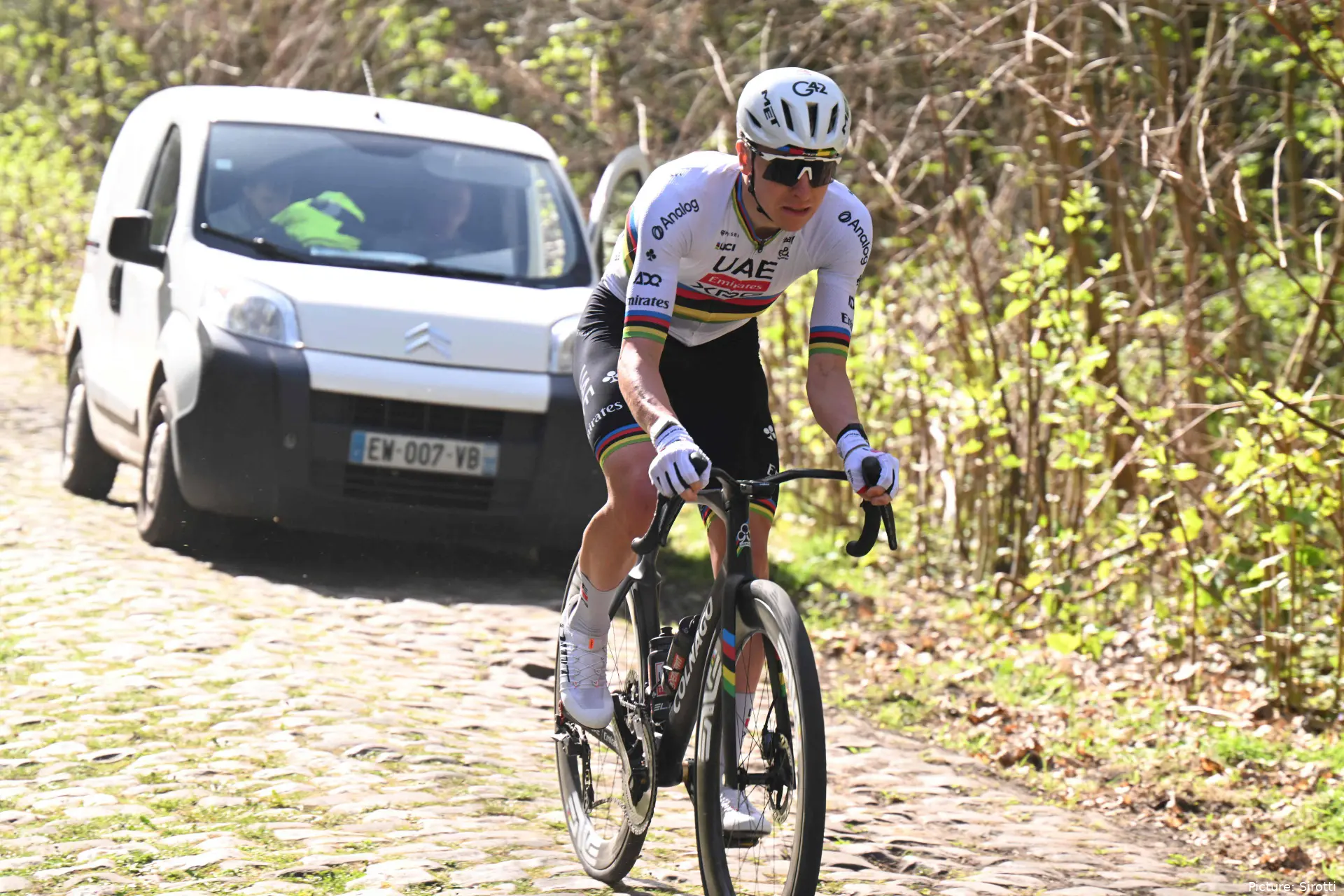
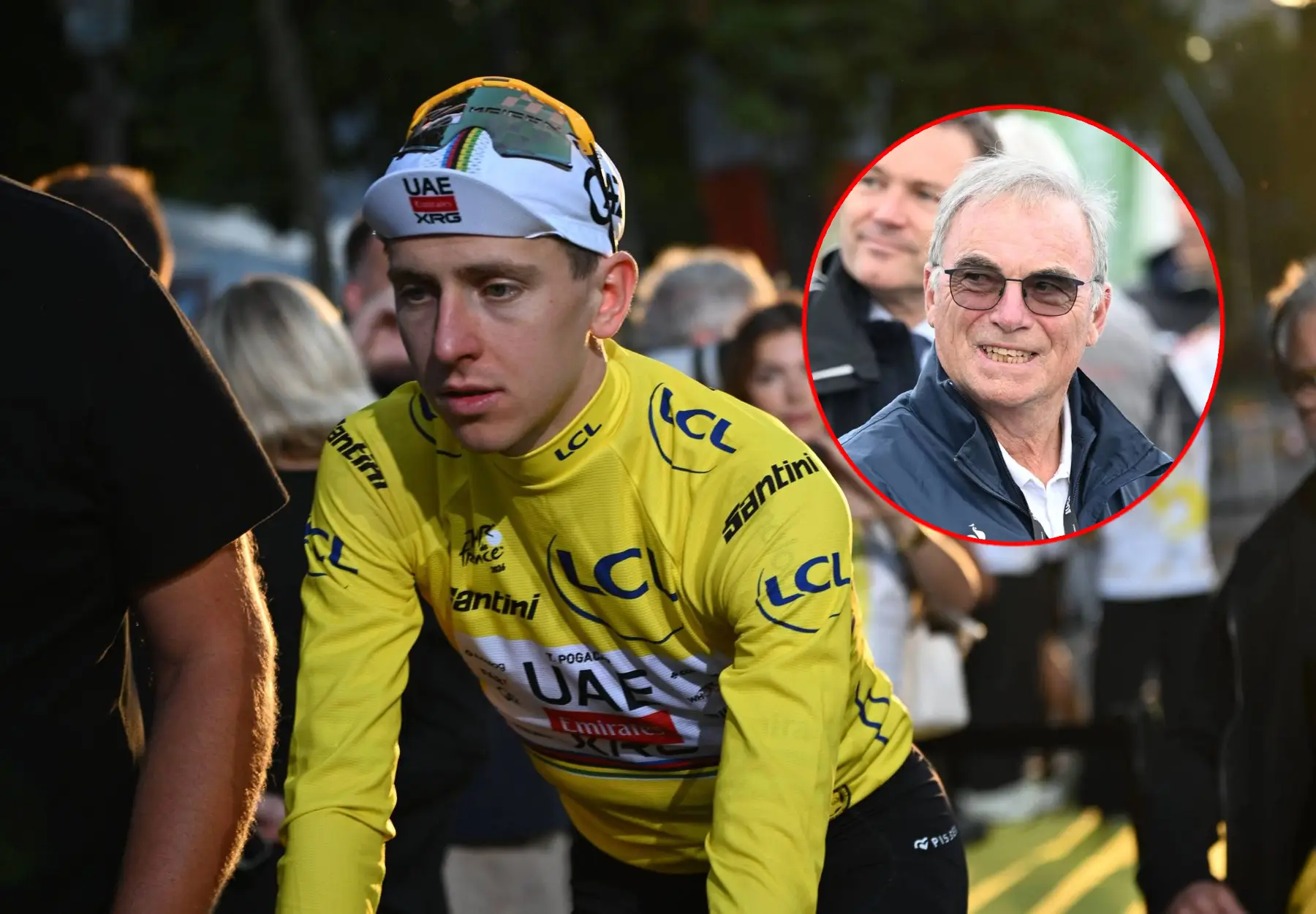
Just over a week after equalling the all-time record with his fifth Tour de France victory, Tadej Pogacar has officially returned to training. The Slovenian has resumed serious preparations for the Vuelta a España, balancing demanding road rides with gravel adventures before beginning his bid to complete cycling's full set of Grand Tour victories.
Training resumes after Tour triumph
After taking some time to recover following his Tour de France success in Paris, Pogacar has begun building towards the Vuelta a España, which starts in just over two weeks. His first proper training ride was uploaded to Strava under the simple title: “Back to work.”
On Wednesday, the world champion completed a 130.5-kilometre ride around his hometown of Komenda, climbing 2,195 metres at an average speed of 35.4 km/h. He followed that up on Thursday morning with another demanding outing, covering 121.6 kilometres and 2,262 metres of elevation at an average speed of 34.8 km/h.
Read also
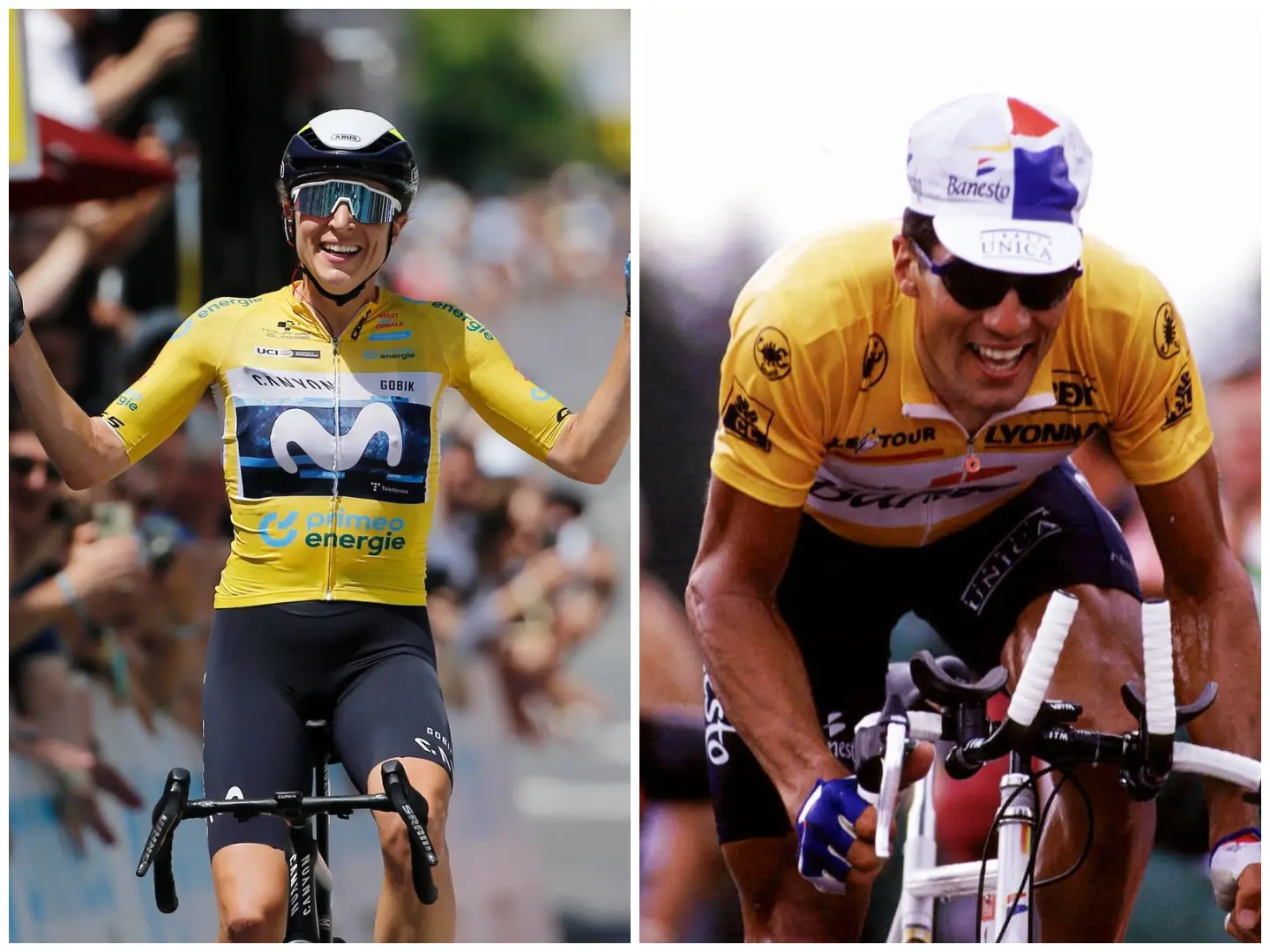
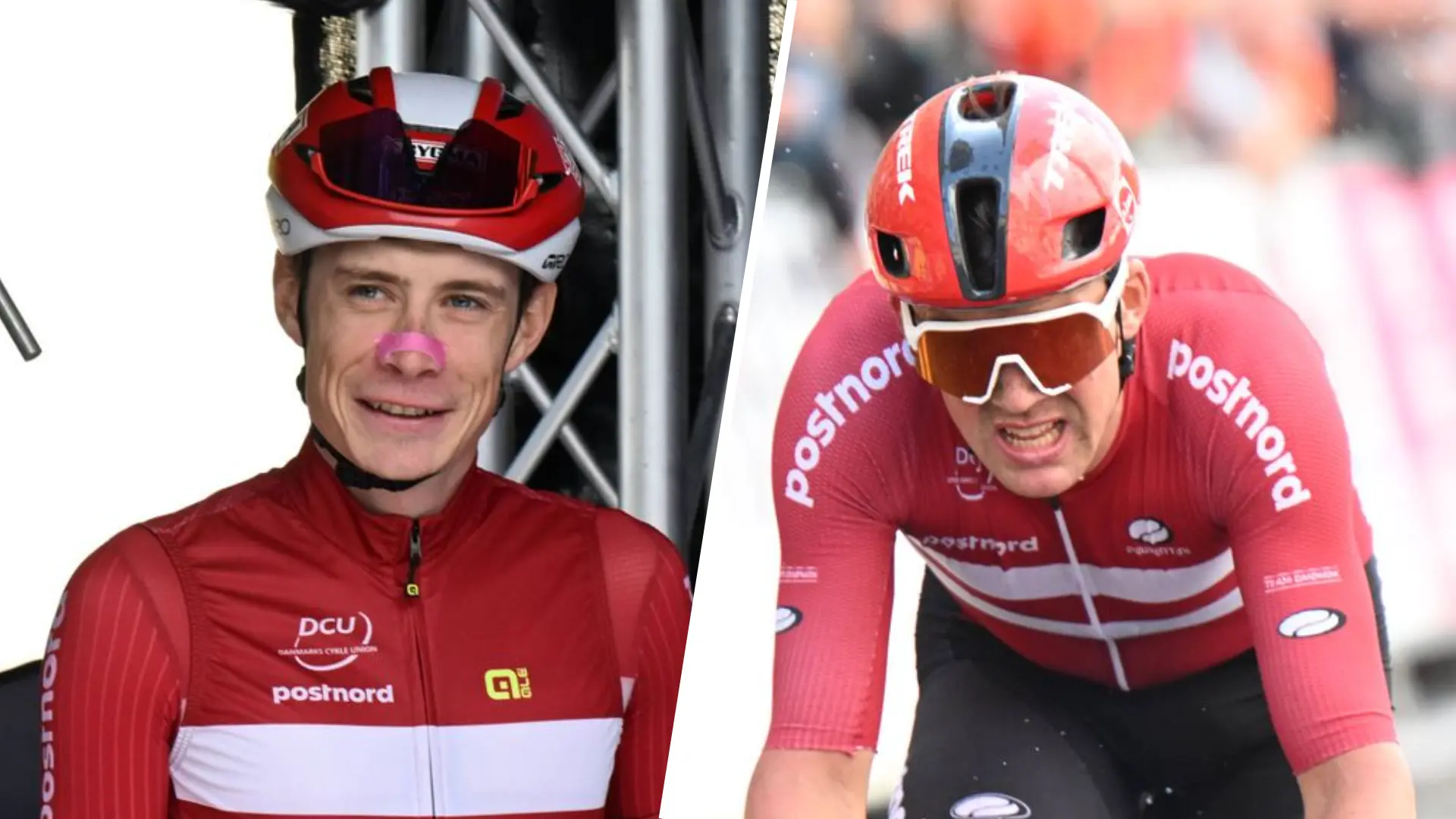
This second ride carried the title: “Train against clock.”
Following his return to training, Pogacar is expected to head to France to support his partner, Urska Zigart, who is competing at the Tour de France Femmes. Whether he will be present on the iconic Mont Ventoux stage on Friday remains uncertain, although the race concludes with two stages in Nice, close to the Monaco home the couple share.
A change of scenery on the gravel
Before returning to road training, Pogacar spent two days enjoying a different discipline. The four-time Strade Bianche winner swapped his standard road bike for a Colnago C68 Gravel and even abandoned his usual UAE Team Emirates kit in favour of unbranded cycling clothing.
On Monday he covered 62 kilometres of gravel roads, averaging 27.1 km/h, before riding another 39.6 kilometres on Tuesday. Describing the second outing, he simply called it: “Gravel jungle.”
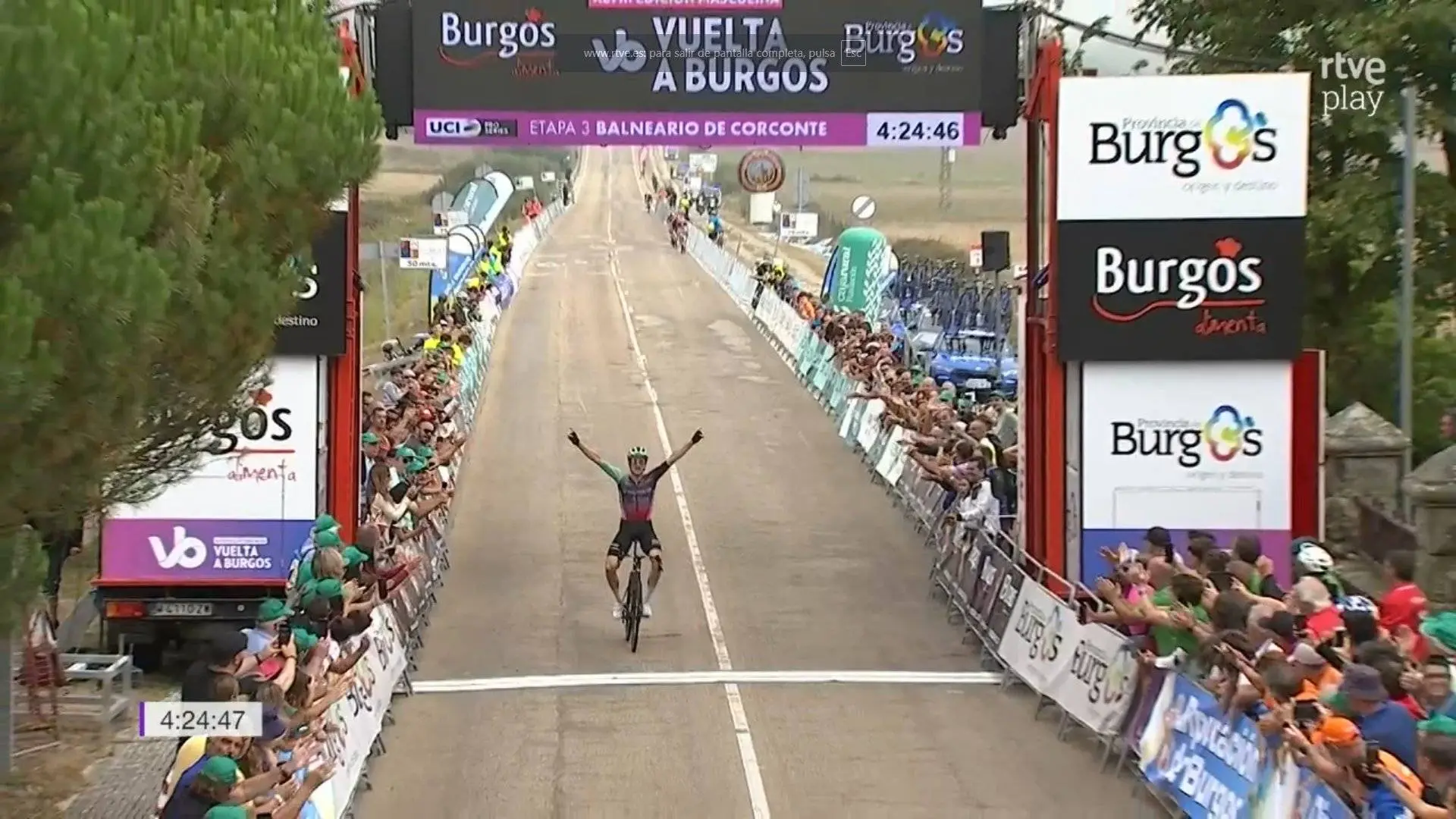
While the gravel rides offered a welcome mental break after the Tour, they may also provide useful preparation for what's ahead. Stage 6 of this year's Vuelta a España features a 3.5-kilometre gravel section on the category-one climb of El Bartolo, making off-road skills more relevant than ever.
Pogacar has not raced the Vuelta since his spectacular Grand Tour debut in 2019 (in which he secured three stage wins at the age of 20), but he returns this year as the overwhelming favourite.
Victory in Spain would complete his collection of Grand Tour titles, adding the Vuelta to his previous successes at the Tour de France and Giro d'Italia.

Félix SernaCycling Journalist
Félix Serna is a writer at CyclingUpToDate and has been part of the team since 2025. He covers professional cycling across both the men’s and women’s calendars, with a focus on UCI rankings, race developments, and rider performance. His work includes interview-based reports, liveblogs, and tournament coverage designed to provide clear, accurate context throughout the season.
In his reporting, Félix regularly uses ProCyclingStats for results, statistics, and historical reference. He places strong emphasis on careful sourcing, editorial accuracy, and updating articles promptly when new, verified information becomes available. He holds a bachelor’s degree in International Studies.
claps 1visitors 1
Just in
Popular news
Latest comments
- At this point, Tadej doesn't just need an aero helmet; he needs a restraining order and a fruit basket sent to Mou’s house just to keep him from declaring war on the entire Visma LAB, or Remco subreddit (or any other subreddit that isn’t dedicated to his truly).anonymouscyclist06-10-2026
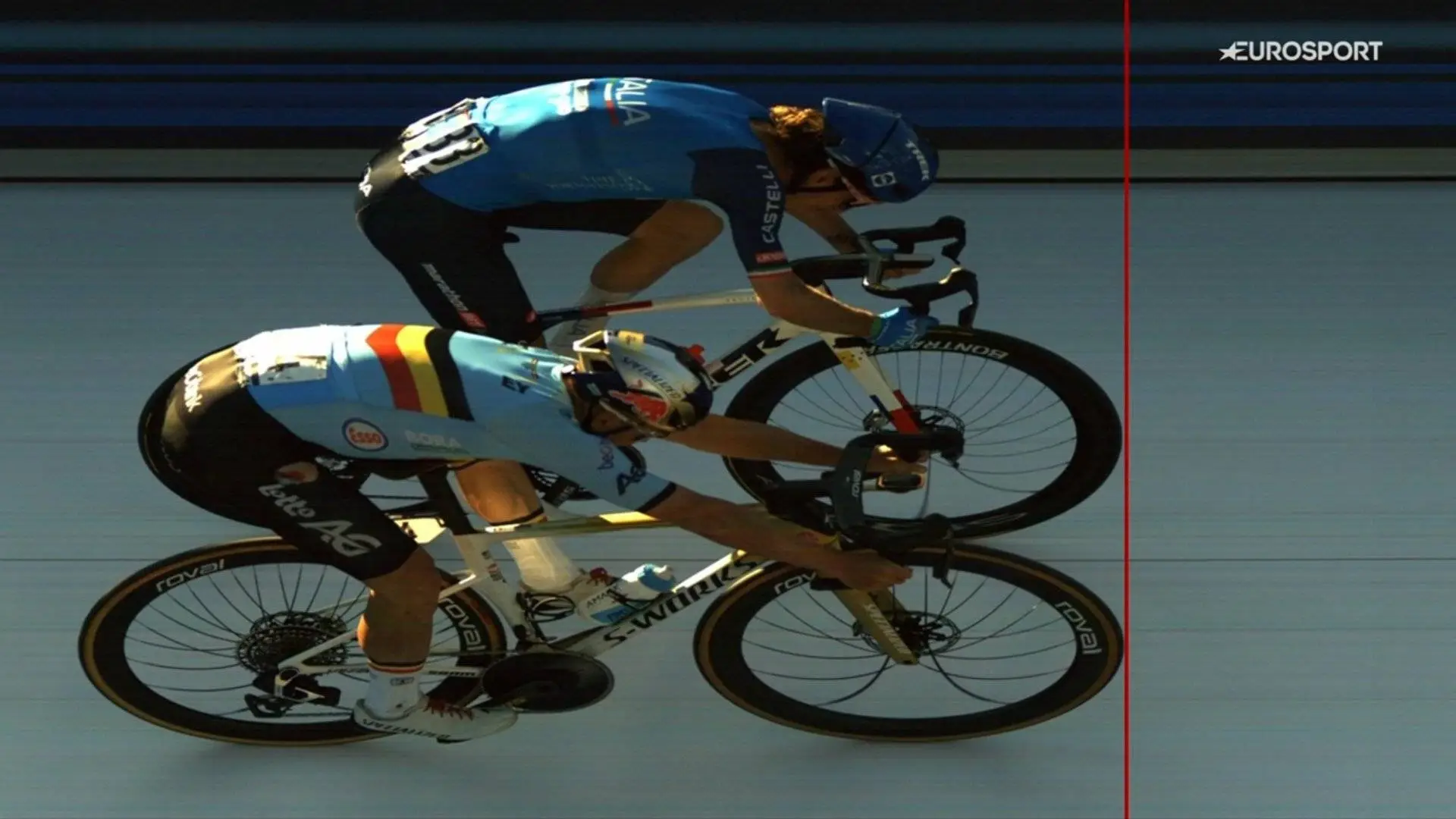
- question: photo finish pictures have been released for many races. do they all lack the finish line on the ground or is this only here the case?Ketterechts06-10-2026
- Cool that Remco has done that. it's one record that is likely to stand a long time and won't be taken by pogimobk06-10-2026
- Poor pogi. There is literally nothing more cringe than fanboys like this.mobk06-10-2026
- :)Hills3306-10-2026
- Hey Hills old chap, I read your posts again and yeah, I guess we're on the same wavelength :)PogiSloFans06-10-2026
- Ayrton Senna used to say: second place is just the first loser. If Tadej is in the race, everyone else is a loser. Remco included. ;)MajorPayne06-10-2026
- PogiSloFans, I mean read my first post above, and only then read my reply to Lozza.Hills3306-10-2026
- Hi PogiSloFans, I was actually agreeing with you! Maybe read it again.Hills3306-10-2026
- Hey Hills33, you wrote: "Perhaps a better measure would be the strength of the competition beaten." ... So Lozza is correct in saying: "Pogi 5 TDF...Jonas 2 TDF." In what other GT is the competition even close to TDF? In no other GT, Giro or Vuelta. Ad acta.PogiSloFans06-10-2026
Loading
1 Comments