"You don’t want that during your night’s rest" - Visma boss Richard Plugge reacts to Vingegaard and Pogacar doping tests during the night
Cycling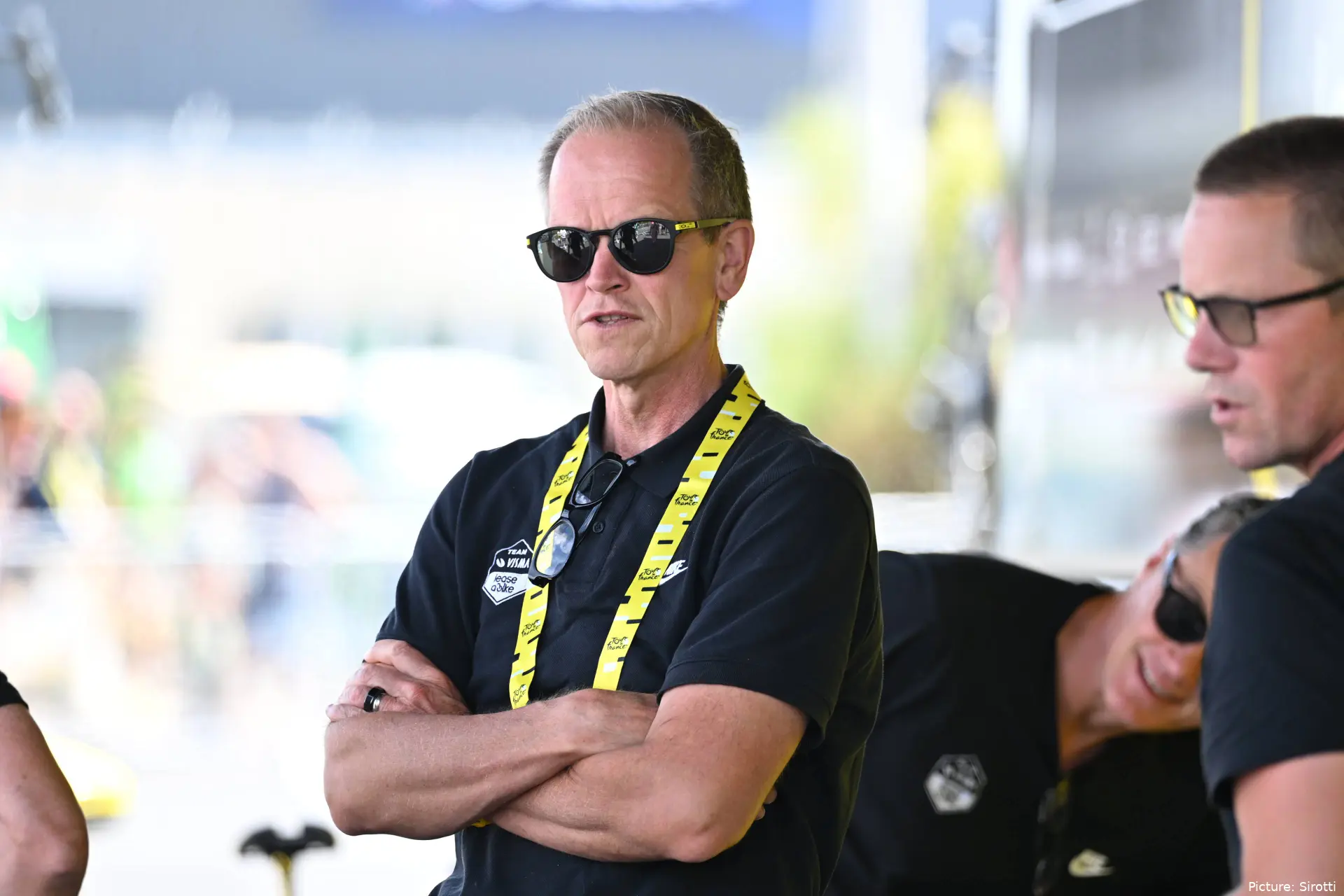
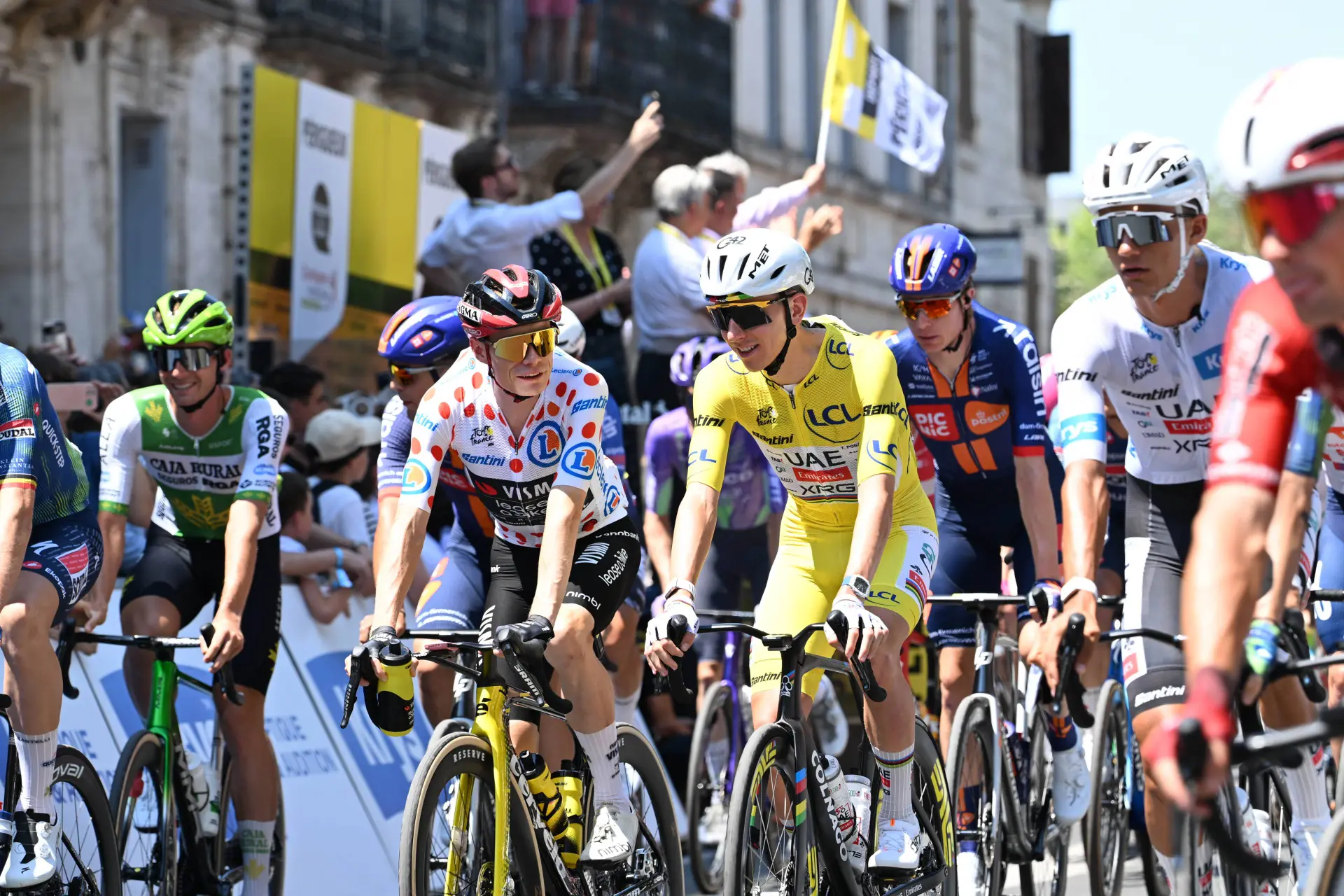
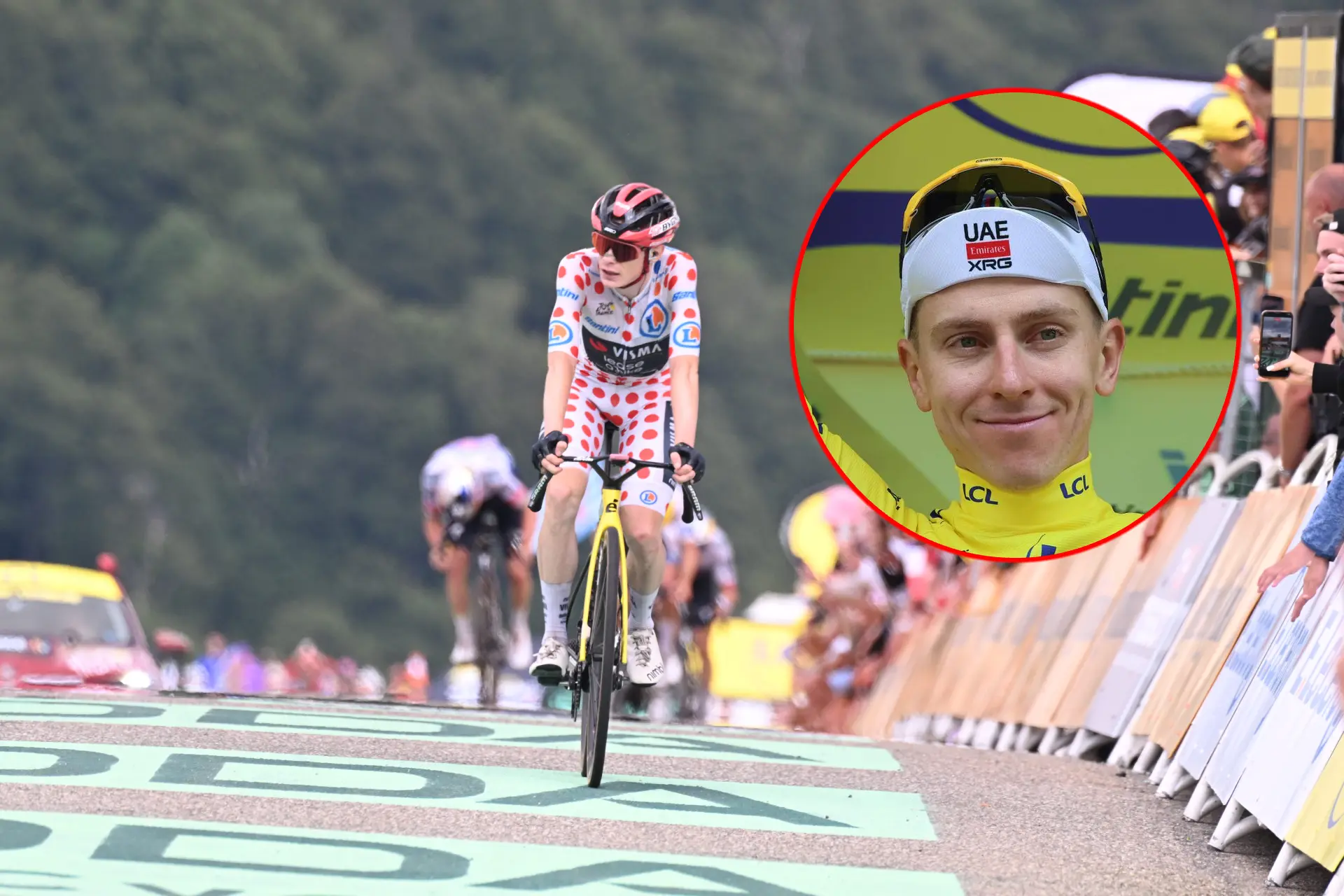
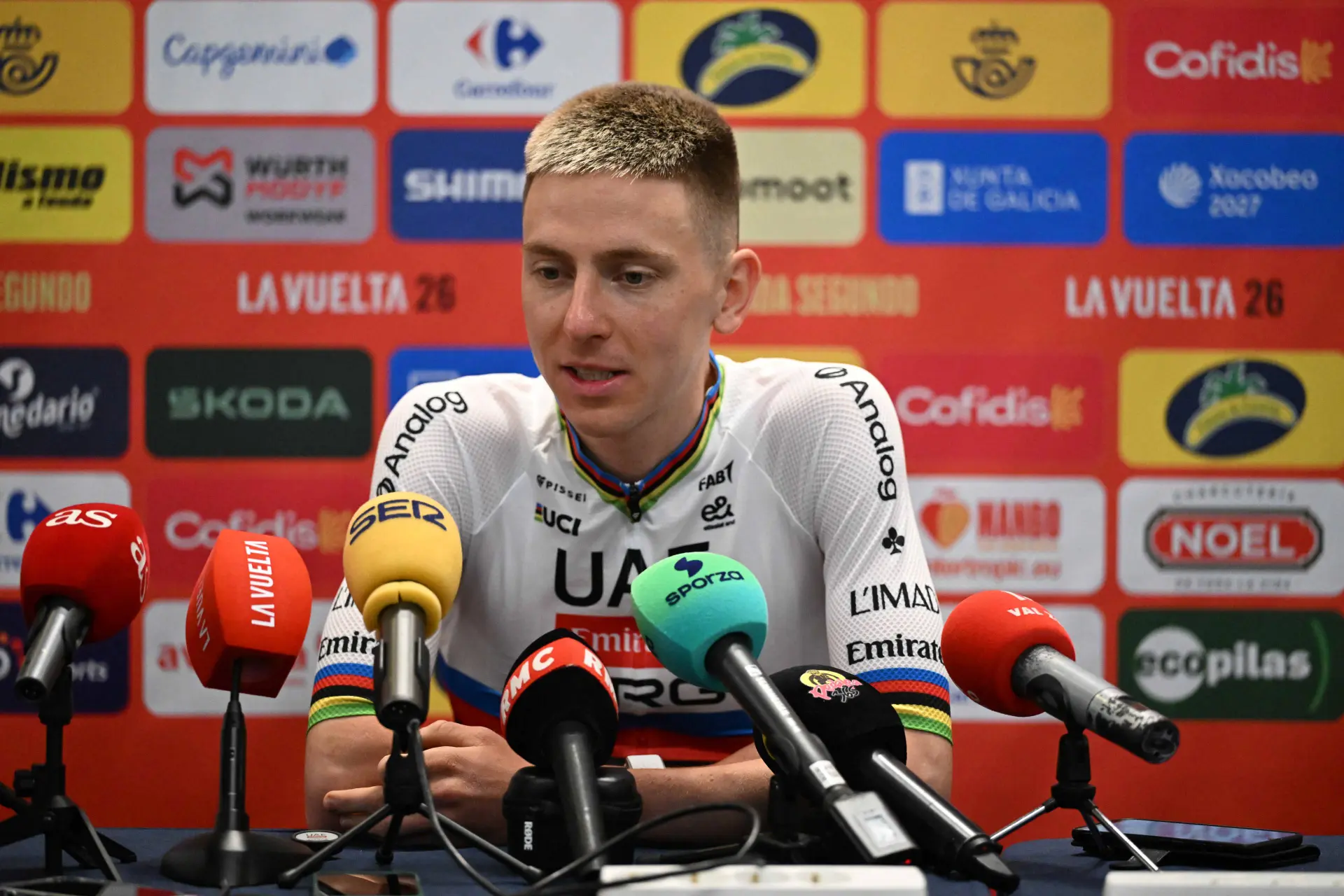
Richard Plugge has responded after Jonas Vingegaard was woken up at 2am overnight for an unannounced doping test on Saturday night into Sunday morning. Tadej Pogacar was also woken at 5am for a test as the Tour de France general classification leaders suffered some sleepless parts of the night.
Vingegaard admitted that he didn't know the procedure could be implemented while his teammate Matteo Jorgenson voiced his anger before stage 15. However, the VIsma CEO admitted that while positive for the sport, the move's timing is not ideal for the Dutch team.
Riders are subject to around the clock doping tests during La Grand Boucle, however teams are reportedly not pleased with the timing of these tests given that it comes between two key mountain stages.
For Plugge, he's pleased to see the testing procedure at work as he admitted that thorough monitoring of riders is a positive for the sport.
Plugge supports testing but admits "not ideal" timing a disruption
“Apparently, more teams have been visited. In any case, it is good that our sport is, and remains, so on top of the anti-doping fight," Plugge told Wielerflits.
"Two o'clock in the night is not ideal, although it doesn't matter what time of the night it is. It remains not ideal. The ITA (International Testing Agency) will have their reasons for this. We have to follow suit. Once again: it is good that they are doing this, and with different teams as well.”
When it comes to performance, an interrupted sleep disrupts an athlete's recovery, especially with a gruelling stage looming on Sunday. While Pogacar admitted that he could not get back to sleep and found himself making coffee, Plugge implied that Vingegaard got back to sleep.

Plugge on effects of night testing on performance
“Performance-wise, it is, to put it mildly, unpleasant. They wake you up, and you are easily out for half an hour to forty minutes afterwards," Plugge said.
"You don’t want that during your night’s rest. That is never nice. On the other hand, 2 AM might actually be good, because you still have a long stretch of the night to sleep afterwards.”
Read also
Plugge knew that during the night tests were a possibility during the grand tour. He underlined his support for the testing to ensure that the sport remained "fair".
“We know this is possible. These are the rules. From one minute before the start of the Tour until the finish in Paris, checks can take place 24 hours a day. That is stated in the rules. So you know this can happen.
"The fact that it is happening is also a good sign. I keep saying it: because in this sport we do everything we can – much more than in many other sports – to ensure that cycling remains fair.”
Gavin QuinnCycling Journalist
Gavin Quinn is a cycling journalist and ultra-distance cyclist with a BA in Journalism from Dublin City University. Formerly the Press & Communications Officer for Cycling Ireland, Gavin has worked inside the national team at the World Championships and has reported for the Irish Mirror, Mirror UK, and The42.
His expertise is backed by elite-level access, having interviewed stars like Sam Bennett and Ben Healy, as well as immense personal endurance. In 2025, he completed a 12,000km solo cycle from Ireland to Vietnam, following a 4,600km tour across Europe. From the cobbles of Paris-Roubaix to the gradients of the Tourmalet, Gavin’s writing focuses on the "romance and brutality" of the sport. Having visited 50+ countries, he brings a global, cultural perspective to his coverage of the pro peloton for CyclingUpToDate.
claps 0visitors 0
Just in

Popular news
Latest comments
- He is a great teammate.
 MarkFour21-10-2026
 - Given that the headline did not restrict the conversation to men’s cycling and only asked about cycling as a whole, perhaps mention of Lorene Wiebes would be appropriate? She had an astonishing season, 24 wins, though not all WT level like Pogačar. He has always won with a higher percentage of WT wins than almost anyone else.RidesHills21-10-2026
- POGI NEEDS NO TEAM! Entire UAE squad liquidated, Pog's salary jumps to 50m Euros. Will win every stage at all 3 GTs in 2027 and break the speed of sound at Worlds! ET ACTAAAAAAAwrsty21-10-2026
- Will be a big test for Trek with their GC riders barring Skelly who was their best this year closely followed by Cicco who has left. Jury out on why they signed Gee. Lots of changes in the Mens and Womens WT some good (Kasia) some puzzling and off the bike too.
 Davide21-10-2026
 - "And we’ll avoid rushing from race to race"...LOL he took all that time off between the end of the Tour and the Canadian one day races ! That got him one win and a failed worlds RR title ! Only thing he got a was TT titles and a Euro championship against a weak field !frieders321-10-2026
- Rasmussen hasn't been relevant for years and that's only because he was booted out of the tour wearing the yellow due to failed doping !frieders321-10-2026
- Yep Pogi can't win the Vuelta if he doesn't cross the finish line in stage 21! PogiFanStalker can't seem to understand that.frieders321-10-2026
- This PogiFanStalker can't seem to help himself with his constant nonsensical comments here.frieders321-10-2026
- Only thing boring here is reading your constant drooling comments about him!frieders321-10-2026
- So much clickbait hereDAS21-10-2026
Loading
Write a comment