“We live with this burden from the past” - Paul Seixas was just 6 when Lance Armstrong was stripped of his Tour de France titles but doping is back in the headlines
Cycling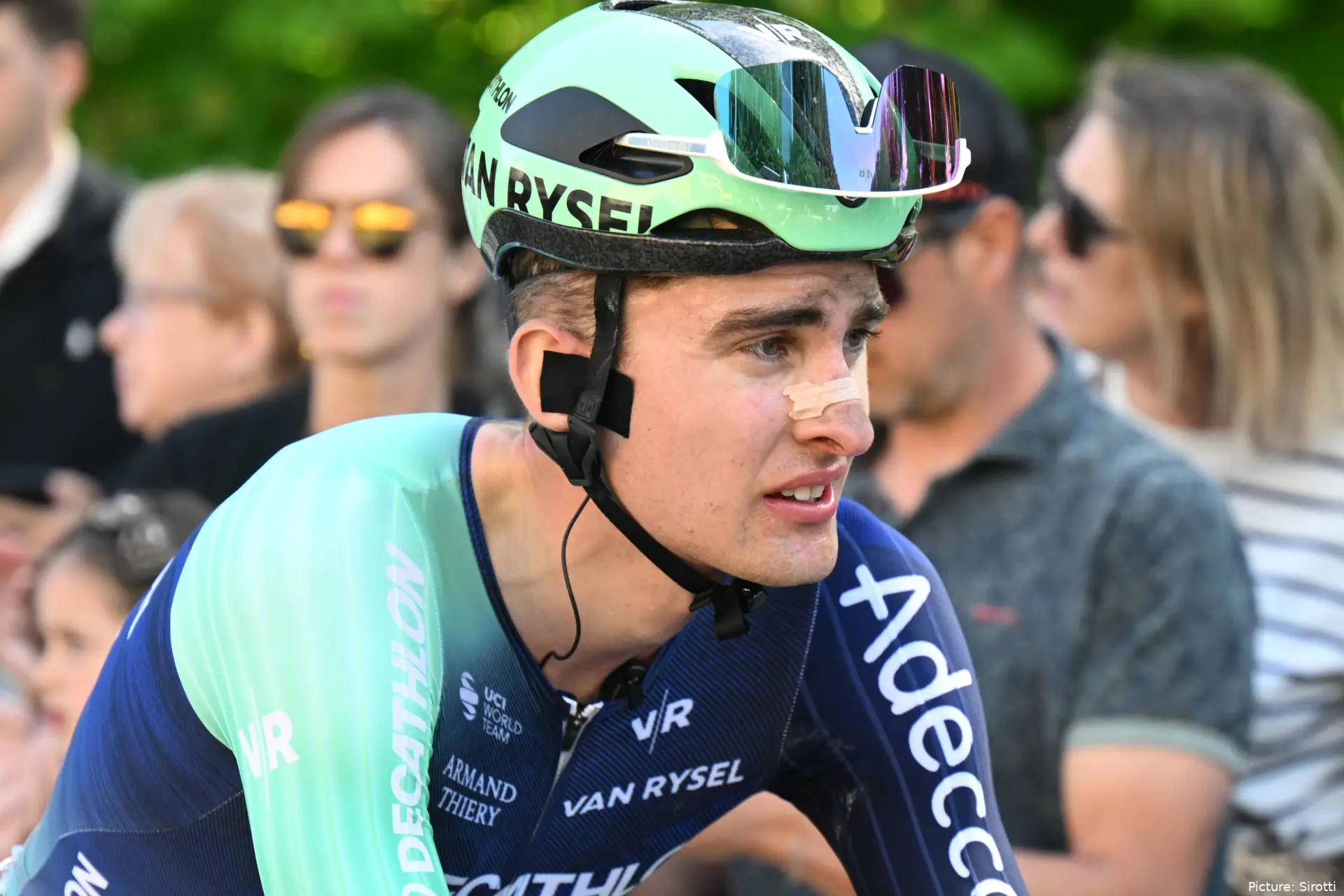
Paul Seixas had only just turned six when Lance Armstrong was stripped of his seven Tour de France titles in October 2012. Fourteen years later, the Frenchman is one of the biggest stars in a sport still living with the legacy of that era.
Having finished fourth on his Tour de France debut this summer before becoming the youngest winner of Il Lombardia, the 20-year-old believes professional cyclists have a greater responsibility than athletes in other sports to prove their integrity.
Speaking in an interview with GQ magazine, Seixas acknowledged that doping remains a burden for cycling, "but little by little, we're starting to believe that doping is no longer tolerated in cycling as it once was, and people understand that," he said, in quotes reported by RMC Sport.
Seixas believes cyclists face greater scrutiny than other athletes
Seixas became junior world time trial champion in Zurich in September 2024, the day before his 18th birthday. Two years later, he is racing against the likes of Tadej Pogacar, Jonas Vingegaard and Remco Evenepoel at the head of the WorldTour peloton.
"We live with this burden from the past. Measures have now been put in place to prevent it from happening again. (...) We have to be beyond reproach, we have to prove our integrity more than athletes in other sports," continued the Decathlon CMA CGM Team rider. "And I believe we're the only athletes who contribute part of our salary to anti-doping research. It's a good thing, because we need the resources to fight against it and to have a clean sport."

Seixas took a stunning first Monument win of his career at Il Lombardia 2026
Professional cycling's anti-doping programme is funded through contributions from across the sport, including teams, race organisers and the UCI itself. The professional riders' association, the CPA, is also represented in the oversight of anti-doping funding.
The UCI's financial regulations for the 2026 road season provide for deductions from prize money, although these should not be confused with contributions taken directly from riders' contractual salaries.
In July, the UCI revealed that more than €10 million is invested annually in cycling's anti-doping operations, including the collection and analysis of samples, retrospective testing and intelligence gathering. "I don't want to risk my life for my sport, even though I love it. I'm happy doing this sport," added Seixas.
How cycling's fight against doping has changed during Seixas' lifetime
Seixas was one year old when cycling introduced the Athlete Biological Passport in 2008. Rather than relying solely on tests designed to detect specific prohibited substances, the passport allows anti-doping authorities to track changes in a rider's biological markers over time.
Four years later, the UCI accepted the findings of the United States Anti-Doping Agency's investigation into Armstrong and the US Postal Service team, with the American banned for life and his seven Tour victories removed from the record books.
Responsibility for the UCI's anti-doping programme was transferred to the International Testing Agency (ITA) in 2021. Earlier this year, the governing body went a step further by delegating the management of potential anti-doping violations to the ITA.
Cycling's anti-doping milestones during Paul Seixas' lifetime
| Year | Seixas' age | Development |
| 2008 | 1 | UCI introduces the Athlete Biological Passport |
| 2012 | 6 | Armstrong stripped of his seven Tour de France titles |
| 2021 | 14 | ITA takes over the UCI's anti-doping programme |
| 2026 | 19 | UCI delegates anti-doping results management to the ITA |
The ITA is also exploring the possibility of using riders' power data to monitor changes in performance over the course of their careers, working with the University of Kent on the feasibility of incorporating such information into its anti-doping operations.
Pogacar and Kimmage weigh in on cycling's doping debate
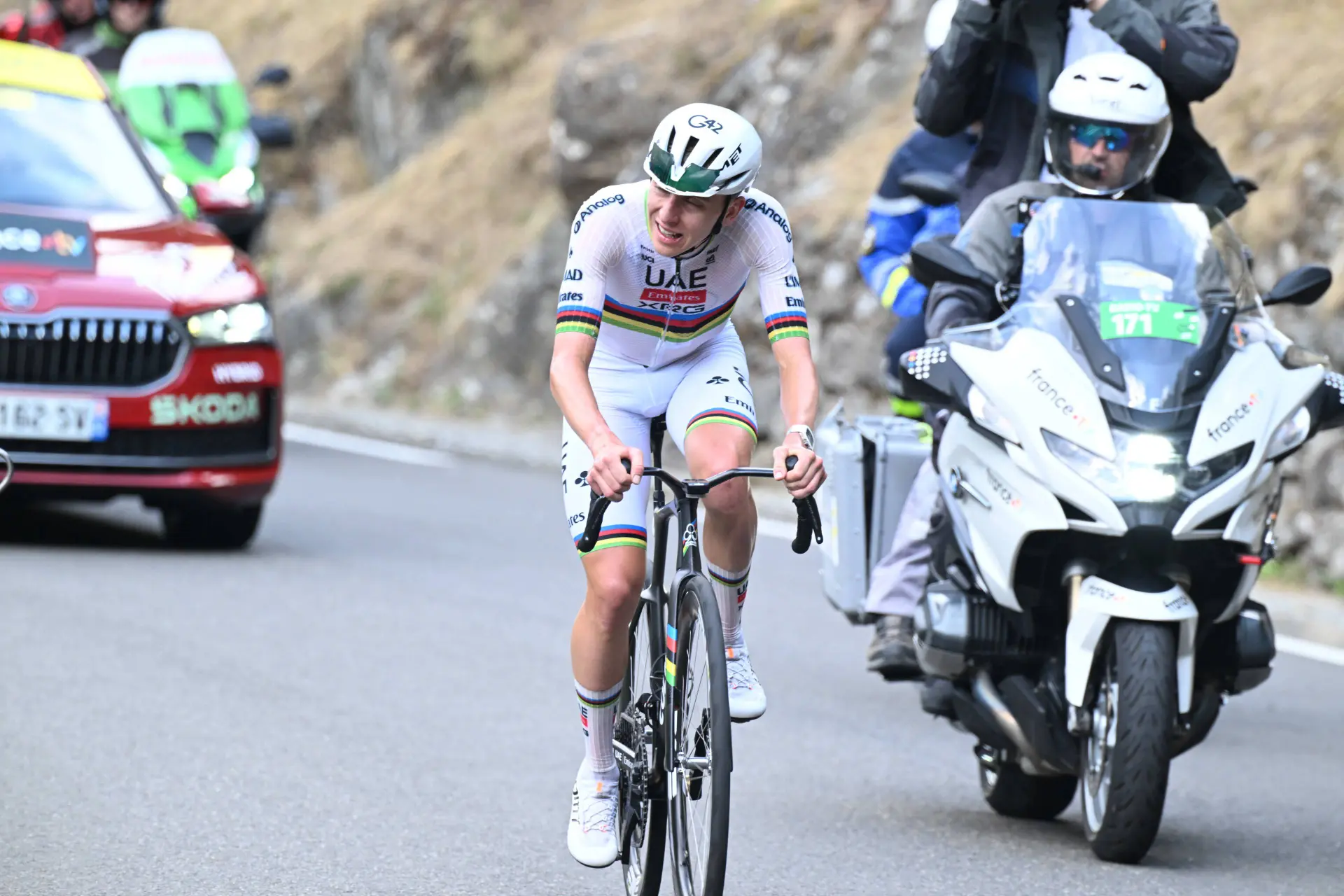
Seixas' comments come at the end of a week in which Pogacar's own assessment of doping in the modern peloton has prompted responses from several former professionals.
Speaking to La Gazzetta dello Sport about the overnight anti-doping controls conducted during this year's Tour de France, the five-time winner expressed his confidence in the vast majority of his fellow riders.
"Doping no longer exists for the vast majority of the peloton," said Pogacar. "We race with our hearts and with the right mentality. We all know that banned substances can damage your health. At the same time, cycling is a sport and nobody wants to risk their life for it. Of course, there will always be someone who tries to take a shortcut..."
Pogacar's subsequent reference to the possibility of a rider losing their career in cycling and ending up selling ice cream drew a response from lifetime-banned former Italian professional Riccardo Ricco, who now runs ice cream parlours in Italy.
Former professional and anti-doping whistleblower Paul Kimmage also challenged Pogacar's assessment, arguing that cycling had missed an opportunity to rebuild trust following Armstrong's downfall.
"I wanted to see Chris Froome, Bradley Wiggins, Geraint Thomas, the whole lot of them, walk into press conferences and raise their hands and say: 'before we start, I want you to ask me about doping and any questions you may have about performance and what I've just done'," Kimmage told the road.cc Podcast. "That's what should have happened immediately after the Armstrong era. You're actually inviting scrutiny, that's what should have happened. But it didn't."
Read also

Harold Tejada case brings anti-doping back into focus
Seixas' interview with GQ was conducted before the news broke on Friday that Harold Tejada had been provisionally suspended following abnormalities in his biological passport.
The Colombian, who won a stage of Paris-Nice earlier this season and finished tenth overall at the Vuelta a Espana, had been due to join Netcompany INEOS from XDS Astana Team on 1 January. That transfer has now been cancelled before his contract even began.
In its official announcement on 27 November, the ITA confirmed that an expert panel had reviewed Tejada's explanation for the abnormalities and maintained that the findings were consistent with the suspected use of a prohibited substance or method.
Seixas is now carrying the hopes of a French public that has been waiting for another home winner of the Tour de France since Bernard Hinault's fifth victory in 1985, more than 20 years before Seixas was born.
The 20-year-old is yet to settle on his Grand Tour programme for 2027, with a potential Giro d'Italia debut, a return to the Tour and a home World Championships in the French Alps among his options for next season.
Kieran WoodDeputy Editor-in-Chief
Kieran Wood is a sports journalist based in Wales and has been active in journalism since 2022. He regularly contributes to DartsNews.com and CyclingUpToDate.com, where he covers professional cycling and darts. In cycling, his work includes liveblogs from major races, including the Tour de France, the Giro d’Italia, and La Vuelta a España, alongside race reports and analysis. He has also conducted interviews with professional riders.
His reporting spans the full racing calendar, from one-day classics to stage races, with a focus on accurate, real-time coverage and clear contextual analysis. For statistics, results, and historical context, he regularly uses resources such as ProCyclingStats. To support reporting on rider activity and training context where relevant, he also references Strava.
In his work, Kieran places strong emphasis on careful sourcing, editorial accuracy, and updating articles as new, verified information becomes available.
claps 0visitors 0
Just in
Popular news
Latest comments
- Remco will go to the TDF and will request Lipo not to be there. Guilio will do the Giro but will share leadership with Lipo. Karma will strike Remco and he will flop in the TDFabstractengineer28-11-2026
- Lidl Trek is like a person who has eaten more than their stomach can accommodate and now its about to burstabstractengineer28-11-2026
- The debate on doping is the most contentious issue. I can't say for sure. Perhaps they are perhaps their not. I tend to look at the human side. Given the microscopic focus on doping, I imagine it is impossible to keep it quiet. In the movie 'Goodfellas' Robert Di Niro quotes 'The only way three people can keep a secret is if two of them are dead' Too many folks involved is pro cycling.Paggss28-11-2026
- Look at the Worlds in Montreal that Merckx won in 1974: 70 starters, 18 finishers. The 2026 Worlds that McNulty won had 184 starters, 60 finishers. Different eras, different race dynamics.
 ScottG28-11-2026
- Stage 5 also passes through Giulio's hometown of Camerino
 Rafionain-Glas28-11-2026
- If he tries that it may be too much. Just do the classics Giro and the WCabstractengineer28-11-2026
- I love this crop of US riders these days. A bunch of hard men who love to race.Occam28-11-2026
- Crazy, I thought all the riders were clean. Realize that Tejada is a second tier climber at a GT, never left in the front group. But 7w/kg is totally normal, y'all.Occam28-11-2026
- It's funny. Read the comments here and it's the same stuff they said about Lance, Ulrich, Pantanai, etc. Training, nutrition, altitude tents. Noooo waaaay could it be PED's. Remember, these guys are turning 7w/kg for 30 minutes. It used to be 6 was the gold standard and what you needed to win a tour. Also recall that every single rider in history that could turn a top TT and climb with the best was doping. Every single one. Really, Froome came out of nowhere to dominate the TdF? Totes.Occam28-11-2026
- Also, Pedersen doesn't win that TdF stage without Simmons working for him in the break. What a silly contention that Mads won that on his own. Simmons has been an excellent teammate on that team.Occam28-11-2026
Loading
Write a comment