Should Juan Ayuso make a drastic change? - Dropping Grand Tour ambitions could help Lidl-Trek rider realise his true potential
Cycling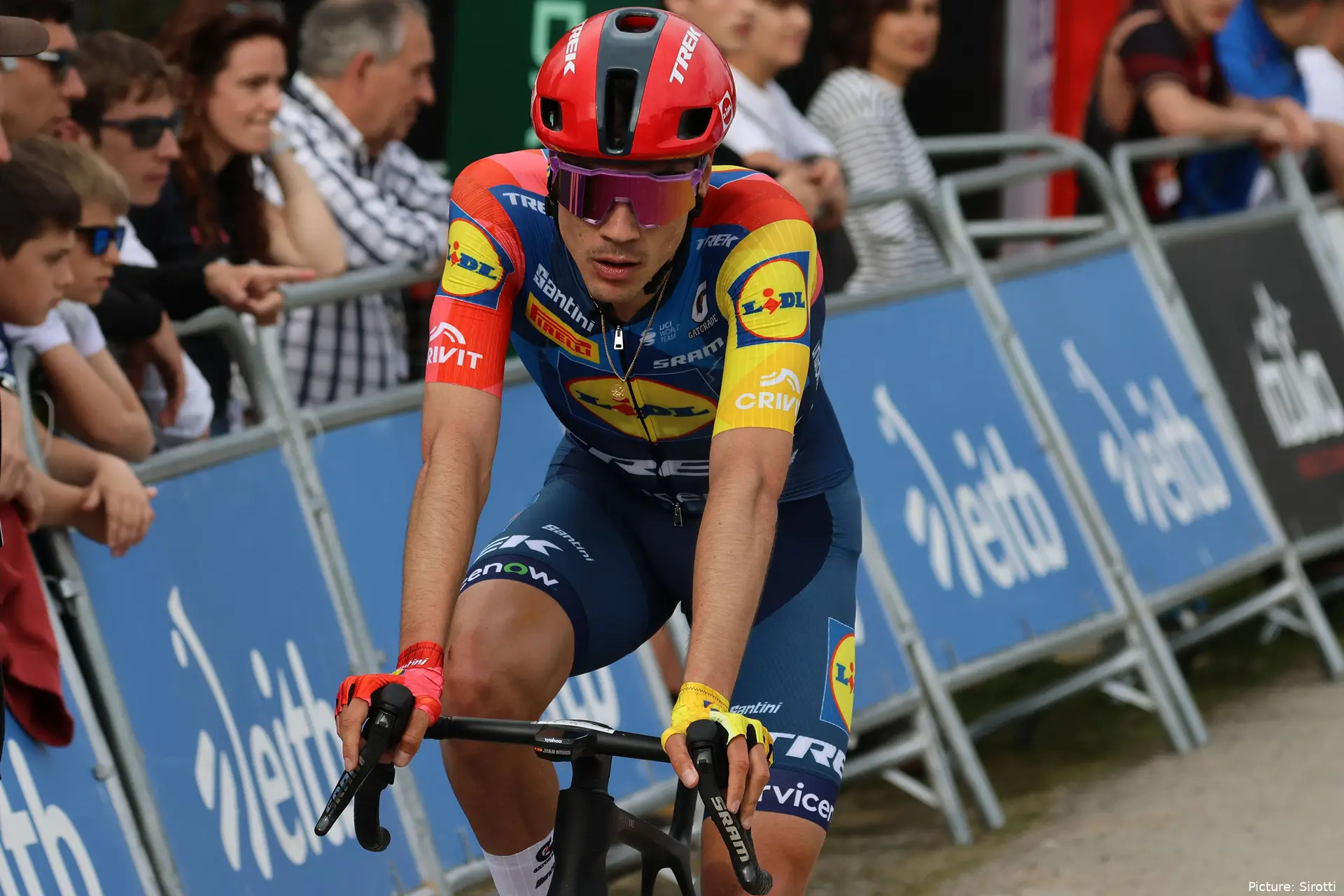
Juan Ayuso is 24 and still far from writing the definitive chapters of his career. Even so, his first season at Lidl-Trek leaves an obvious conclusion: the path chosen so far is not delivering the expected results. The Valencian has bet on becoming a Grand Tour rider, but his seventh place at the Tour de France and a low-key end to the season force a rethink on whether that is truly the terrain where he can unlock his full potential.
Javier Rampe, CiclismoAlDía staff writer, has long defended an idea that now carries extra weight: Ayuso should drop the obsession with proving he can be a top-tier Grand Tour contender and focus on races where his profile can make him a difference-maker. “Juan Ayuso is not a diesel rider,” he concludes, pointing straight at one of the Valencian’s main weaknesses.
The issue is not a lack of talent. Ayuso can climb, reads races well, positions himself with ease, and has a sharp acceleration. He also knows how to finish it off. The debate is how long he can sustain those qualities once races go beyond 180–190 kilometres or when Grand Tours hit the third week.
At 24, there is still time to change course. In fact, a reset of objectives could help him regain confidence, rack up wins, and become the attacking rider he seemed destined to be in his early pro years. The alternative means no longer measuring his season solely by three-week general classifications.
Drop the obsession with three-week races
Rampe believes Ayuso is sacrificing too many of his strengths to force a Grand Tour profile. “He’s a rider who lacks endurance, a rider who has very poor third weeks,” he explains. For the writer, that trait has repeated across several seasons and should be factored in when building his future calendar.
Instead of spending months preparing a single Grand Tour, Ayuso could build a season around one-day races and week-long stage races. The Basque Country, the Ardennes-style mountain classics, and select Italian races look like natural hunting grounds for his characteristics. There he would not need to save energy for three weeks, but to pick the right moment to attack and use his punch.
Rampe himself points to a very specific template: “He could be a kind of modern Purito Rodríguez 2.0.” The comparison is telling because Joaquim Rodríguez turned his explosive climbing, brutal uphill finishes, and mountain classics into a steady stream of success. Ayuso could follow a similar path without abandoning stage races altogether.
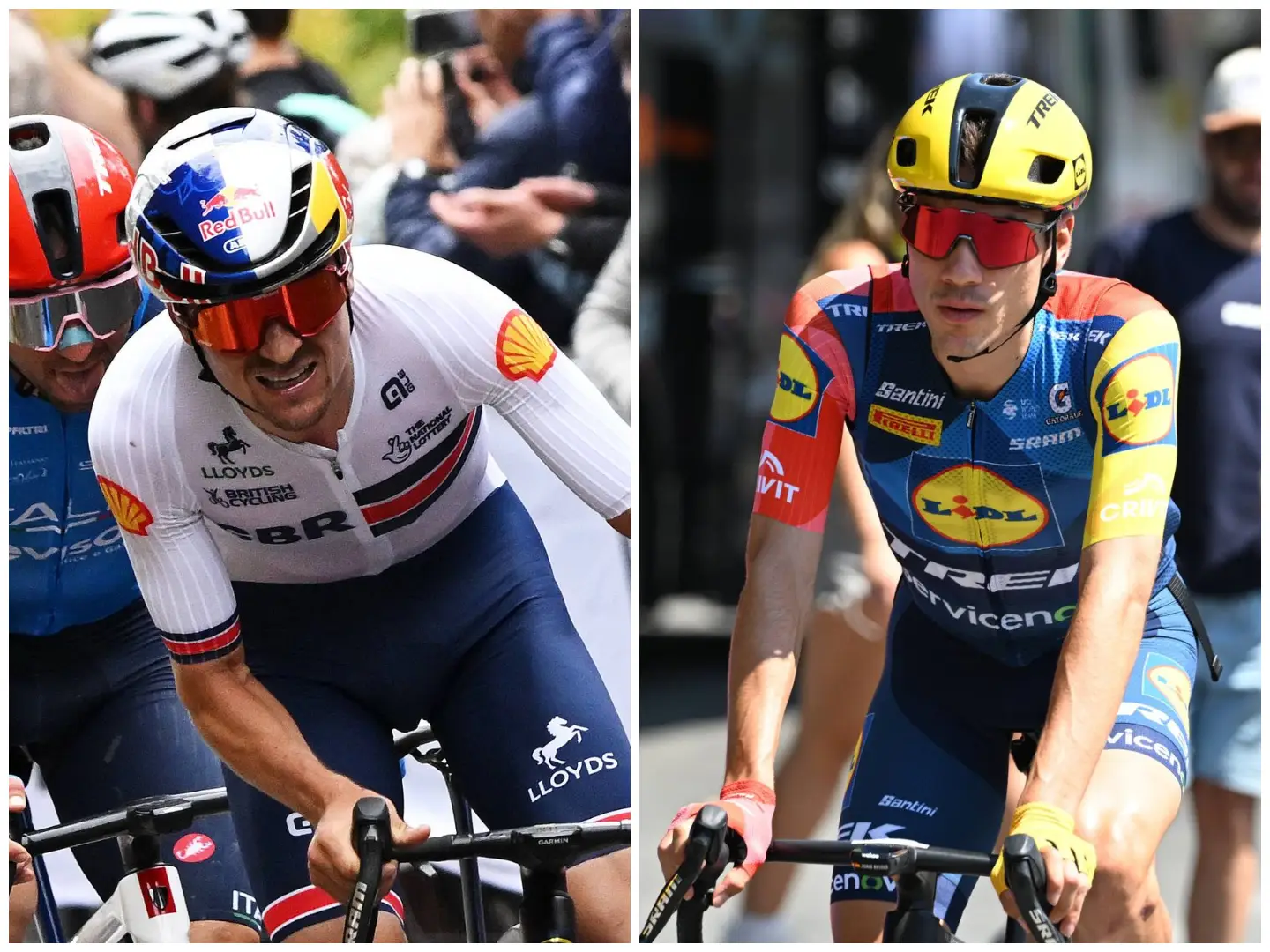
That shift would also restore something he has lost lately: prominence. At the Tour de France, his fixation on the general classification ended up shaping his race behaviour. While Richard Carapaz hunted breakaways and stage wins, Ayuso stayed focused on defending his place.
Ayuso must race where he feels free to attack
The second big change should be mental. Ayuso needs to race to win again, not just to finish high up. His seventh place at the Tour may look like a solid result for many riders, but for a cyclist signed by Lidl-Trek as outright leader it falls short of expectations.
Rampe uses Carapaz as the blueprint for what should change. “He was a protagonist, he got into breakaways and even netted stages,” he notes. That kind of racing could suit Ayuso far better than spending three weeks obsessing over who is ahead or who might pass him on GC.
Week-long stage races can also offer him a middle ground. He would not have to abandon general classifications entirely, but could target events where his ability on explosive finishes weighs more than pure endurance. País Vasco, Catalunya, Tirreno–Adriatico, Dauphiné or similar races could become specific goals.
The calendar should also be broader. In 2026, Ayuso raced relatively little and concentrated much of his build-up on the Tour. Rampe calls it “a very exclusive calendar,” a strategy that left him too exposed. If the main goal fails, much of the season vanishes. With a more diversified schedule, Ayuso would have many more chances to regain feeling and collect wins.

Juan Ayuso, Lidl-Trek star in 2026.
Lidl-Trek can be the opportunity
The team change need not be an irreversible mistake. Lidl-Trek can now offer the framework to reinvent himself. If Ayuso accepts he does not have to prove right away that he can win a Grand Tour, he could exploit the freedom to lead in other races and regain prominence.
The key will also lie in the conversation with his own team. Lidl-Trek paid a significant fee to sign him and expected him to be a major reference point. But turning that investment solely into the obligation to fight for the Tour could be counterproductive. Ayuso could justify his leadership status by stacking wins in different arenas.
“He’s still young, maybe 24, but he should start fighting for his place within Lidl-Trek and take a hard look at where he wants to steer his career,” Rampe explains. That reflection could be the launchpad for a far more productive second phase.
The goal should not be to abandon Grand Tours for good. Ayuso could return to them later, once his endurance is better developed. But right now it may be smarter to build a career around his strengths instead of constantly trying to erase his weaknesses.
Objective: rediscover the rider he promised to be
Ayuso entered the pro ranks as one of Spain’s top cycling talents. His podium at the Vuelta a España, his performances with UAE, and his victory at the Volta ao Algarve 2026 showed the potential is still there. What’s missing is the right context to turn it into results on a regular basis.
The punchy climbing classics could be especially appealing. Races like the Ardennes, events in the Basque Country, or selected Italian fixtures can offer finishes tailored to his profile. He could also become a specialist in week-long stage races, where the required endurance is lower and explosiveness plays a bigger role.
The big advantage is that time is still on his side. At 24, a shift in direction wouldn’t mean giving up a Grand Tour career. On the contrary, it could help him rebuild confidence, rack up wins, and reach 26 or 27 with a much clearer identity. The aim would be to stop being a rider desperately trying to prove he can win a Grand Tour and become one who wins races because he knows exactly which scenarios suit him best.
Ayuso’s future will depend, to a large extent, on that decision. He can keep chasing the Grand Tour specialist model, or commit to a more offensive and versatile style. As Rampe sums it up, he must decide “whether he wants to be a gloomy top-10 Grand Tour rider or a more upbeat, eye-catching racer.” At 24, he still has time to choose the second path and revive a career that, despite a disappointing 2026, can still be exceptional.
Javier RampeCycling Journalist
Javier Rampe is a sports analyst with more than 15 years of experience. He holds a degree in Economics from the University of Rome and a Diploma in Business Studies from the University of Cádiz. Despite coming from an academic background not particularly associated with cycling, his passion for both cycling and journalism was instilled in him from an early age. He grew up following Miguel Indurain and José María “El Chava” Jiménez. An admirer of Michael Robinson’s communication style and journalistic approach, he was inspired to pursue a degree in Journalism at the University of Buenos Aires, which he is currently completing.
He has always maintained close ties with the worlds of sport and culture, contributing from a young age to sports blogs and film and music review websites. His work has appeared in media outlets such as Cope, RAI, and Radio Con Vos. He is also the founder of the cycling-focused podcast El Contraanálisis and the football interview channel Días De Fútbol, dedicated to conversations with professional footballers.
In addition to his work at Ciclismoaldia, Javier has interviewed some of the most influential figures in modern cycling, including Alejandro Valverde and Tadej Pogačar, as well as key voices in anti-doping policy such as Alberto Yelmo, David Varillas, and Marcelo Milano. Marcos Maynar, in relation to the ‘Operación Ílex’ case, is also among the personalities he has interviewed. He enjoys conducting in-depth analysis of the cycling ecosystem and has attended major events such as Strade Bianche, the Vuelta a Andalucía, and Itzulia, as well as numerous national cyclo-cross races.
His background in economics, combined with extensive experience in marketing and corporate communications, drives his continuous study of positioning strategies and ensures that he always keeps his focus on crafting compelling and evocative headlines.
claps 0visitors 0
Just in
Popular news

Latest comments
- It will absolutely change his tt position. Call me out if I'm wrong, when we start seeing him training on the tt bike, you will see.awp27-10-2026
- please , come on now! The Tour begins July 2, 2027!!! It is still 2026 !!!! Get a hobby or something.dave26-10-2026
- How is this relevant? Perhaps you are doing a Coleridge but not poetic
 Rafionain-Glas26-10-2026
 - Brilliantly putRafionain-Glas26-10-2026
- vingegaard will get humiliated. he might not even make the podium. he should retire, or accept being handed down the ranks.Ketterechts26-10-2026
- Bull crap...his C7 injury won't affect his TT position!frieders326-10-2026
- blah blah blah is all I see in your comment!frieders326-10-2026
- i thought they were cycling journalists. either they don‘t know the basics or they don‘t write their reports. either way suboptimal … it is not an american team anymore!Ketterechts26-10-2026
- Quiz, who said "When I watched the Worlds and the Euros, it made me miss racing of course, but I’d say that the older I get, the easier it becomes to stay away from racing and find other things I enjoy." Clue, not Elie Isabit in the doghouse now for supposing he can second guess MVDP, who has the added complication of women having a say these days in his circumstances, something Fien might have explained to him if he’d bothered asking, hope he doesn’t get a talking to for that. And speaking of that, I noticed he celebrated 10 years together in 2023 and yet in 2017 he was definitely with someone else, could get messy tonight. Bye for nowJumpyjohn26-10-2026
- Wout has the lifetime contract. I think he gets first shot no matter what.mij26-10-2026
Loading
Write a comment