“Pogacar is racing La Vuelta for Wikipedia” - World Champion returns to Spain as the undisputed favourite to take GC win
Cycling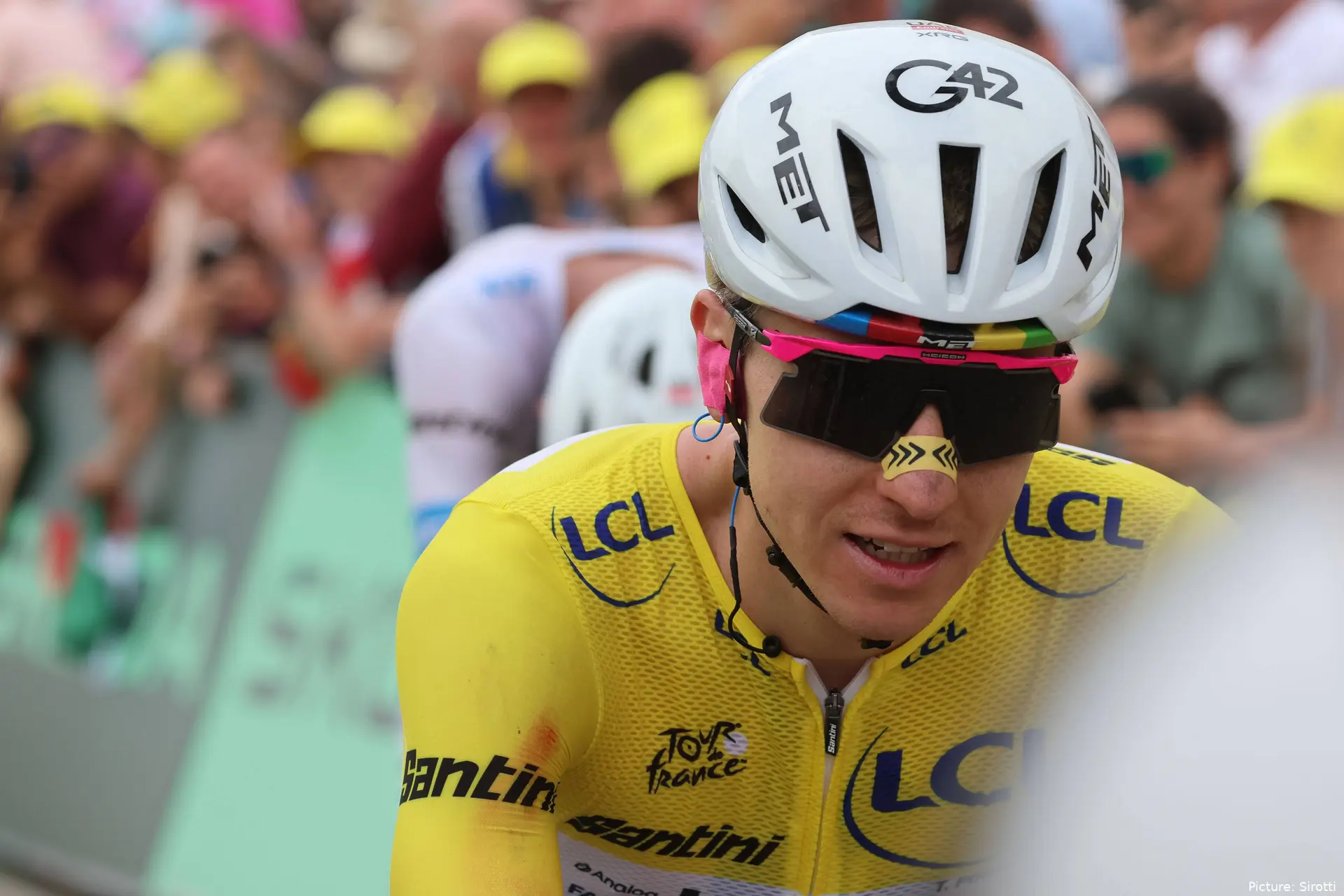
The 2026 Vuelta a España is the season’s final Grand Tour with a game-changing ingredient: Tadej Pogacar. The world champion arrives in Spain after winning the Tour de France and aiming to extend a palmarès that already seems inexhaustible. From Monaco, the race gets underway this Saturday with an opening time trial that serves as the first taster of three mountain-heavy weeks.
In the latest 'Espresso de CiclismoAlDía', Juan Larra and Javier Rampe broke down the keys to a Vuelta that, beyond its route, has regained extraordinary prominence thanks to the Slovenian’s presence. Both agreed that Pogacar’s participation even changes how we view the season’s final stretch, traditionally less attractive after the Tour de France.
For Juan Larra, the cycling season splits into three big blocks: the spring classics, the Giro and the Tour as the competitive core, and finally a last third shaped by riders’ choices. In that context, Pogacar’s presence makes the Vuelta an exception. “This year the last third has a bit more caffeine,” he summed up, convinced many fans will now follow more closely a part of the calendar that usually loses prominence.
Javier Rampe focused on a parallel issue: the calendar’s structure. The analyst finds it hard to understand why a Grand Tour must share the spotlight with other major races and criticised the overlap of WorldTour events with the Vuelta. In his view, the UCI should seek a more rational spread to avoid the big races competing for riders, audiences, and media attention.
“Pogacar’s presence completely changes the final third of the season”
The Slovenian will inevitably be the centre of attention. Larra recalled that Pogacar will not come to Spain merely to fulfil a commitment, but arrives after winning the Tour with a real chance to fight for the overall. His decision to race the Vuelta was shaped by the international calendar and the clash of the Canadian classics with the Spanish race, but the outcome is a historic participation.
The presenter was even blunt when assessing his chances of stage wins. “I think he can win 15 looking at the route,” he said provocatively, before scaling it back to a more realistic five to seven stage victories. The route’s severity and the absence of many big Tour names make Pogacar the unchallenged favourite.
Rampe added another factor: audiences. The analyst argued that the Slovenian’s presence raises interest in any race and rejected the idea that his dominance necessarily harms the spectacle. For him, viewing figures show that whenever Pogacar competes, attention to the event increases, even among those who question his racing style.

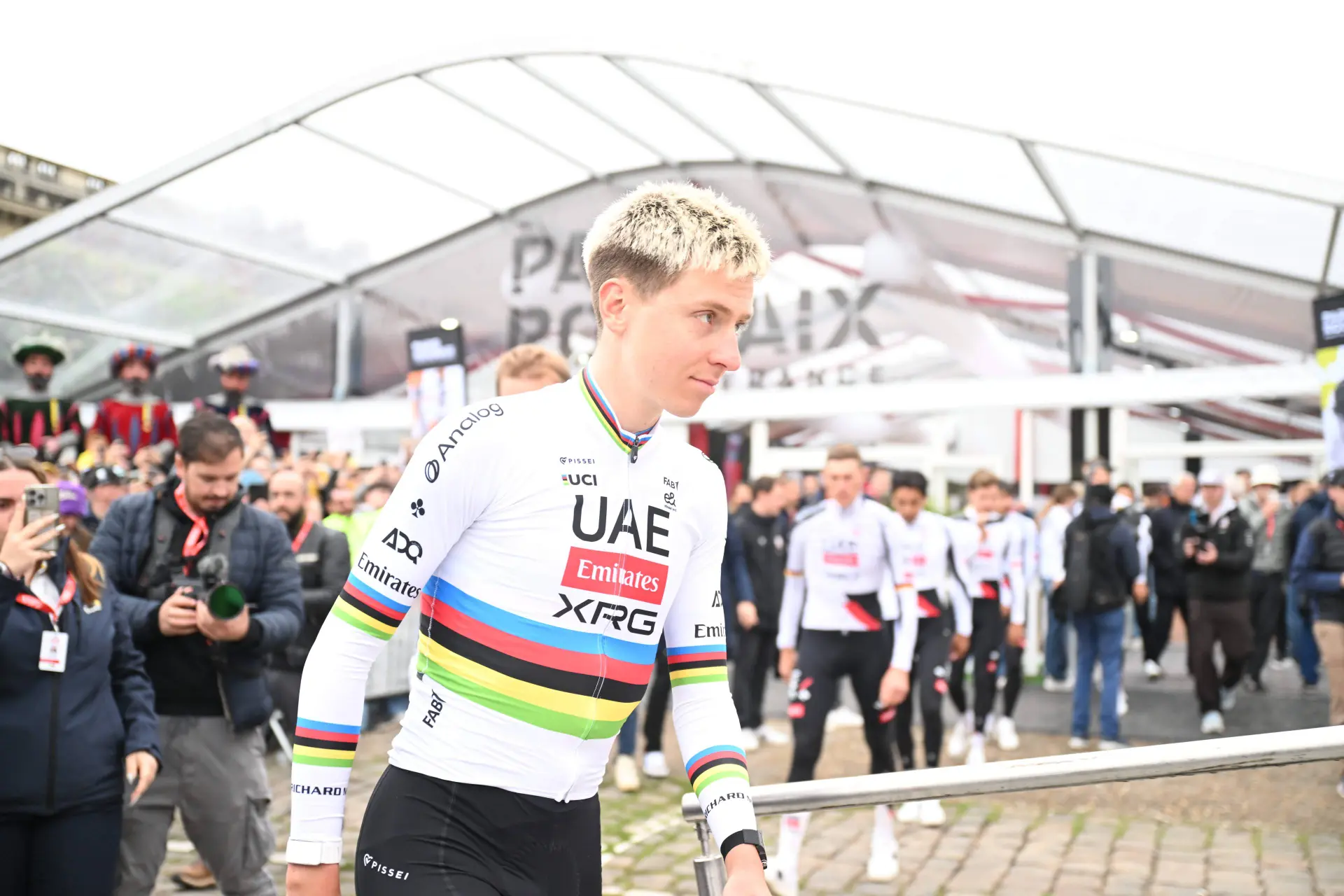
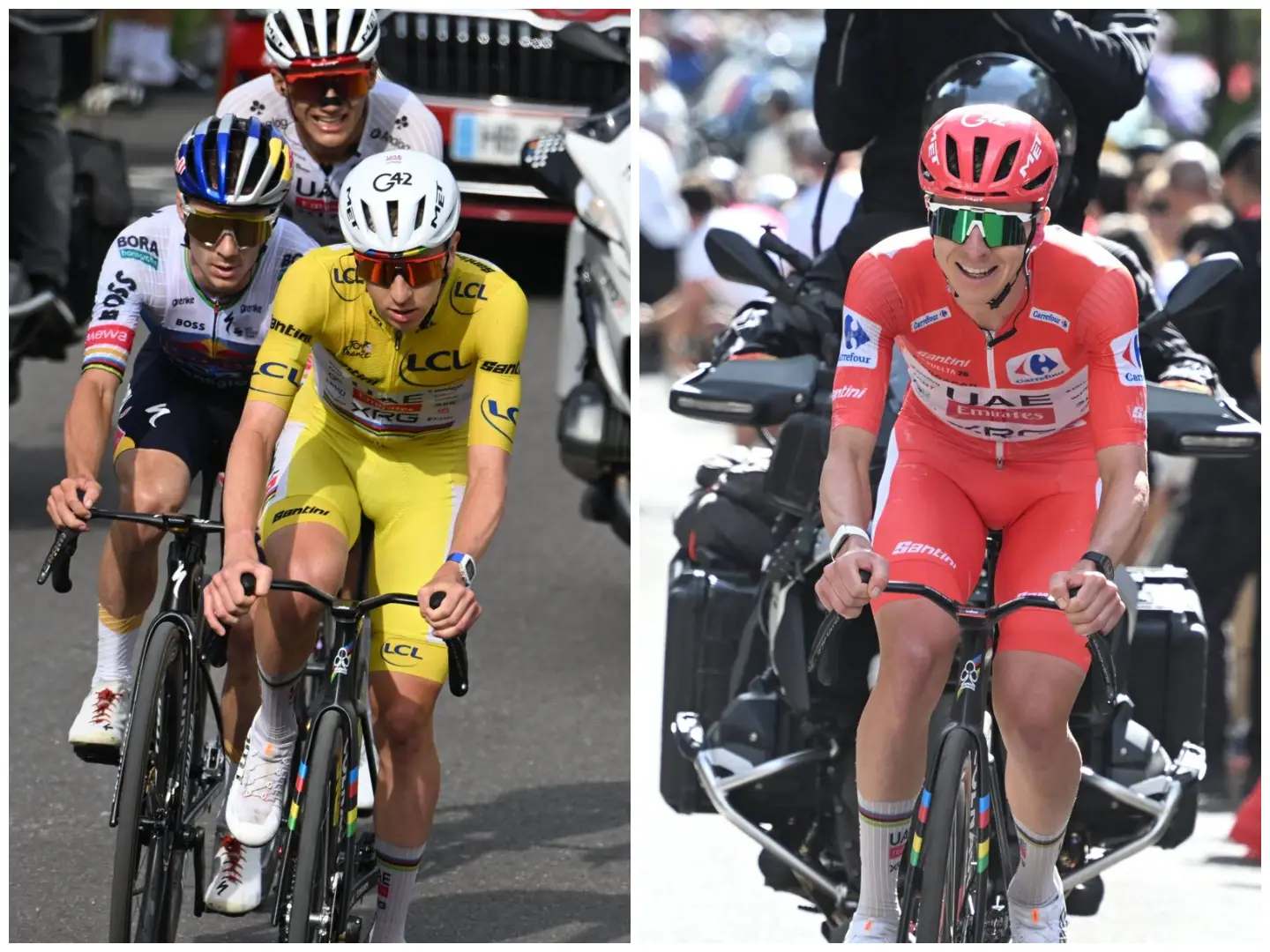
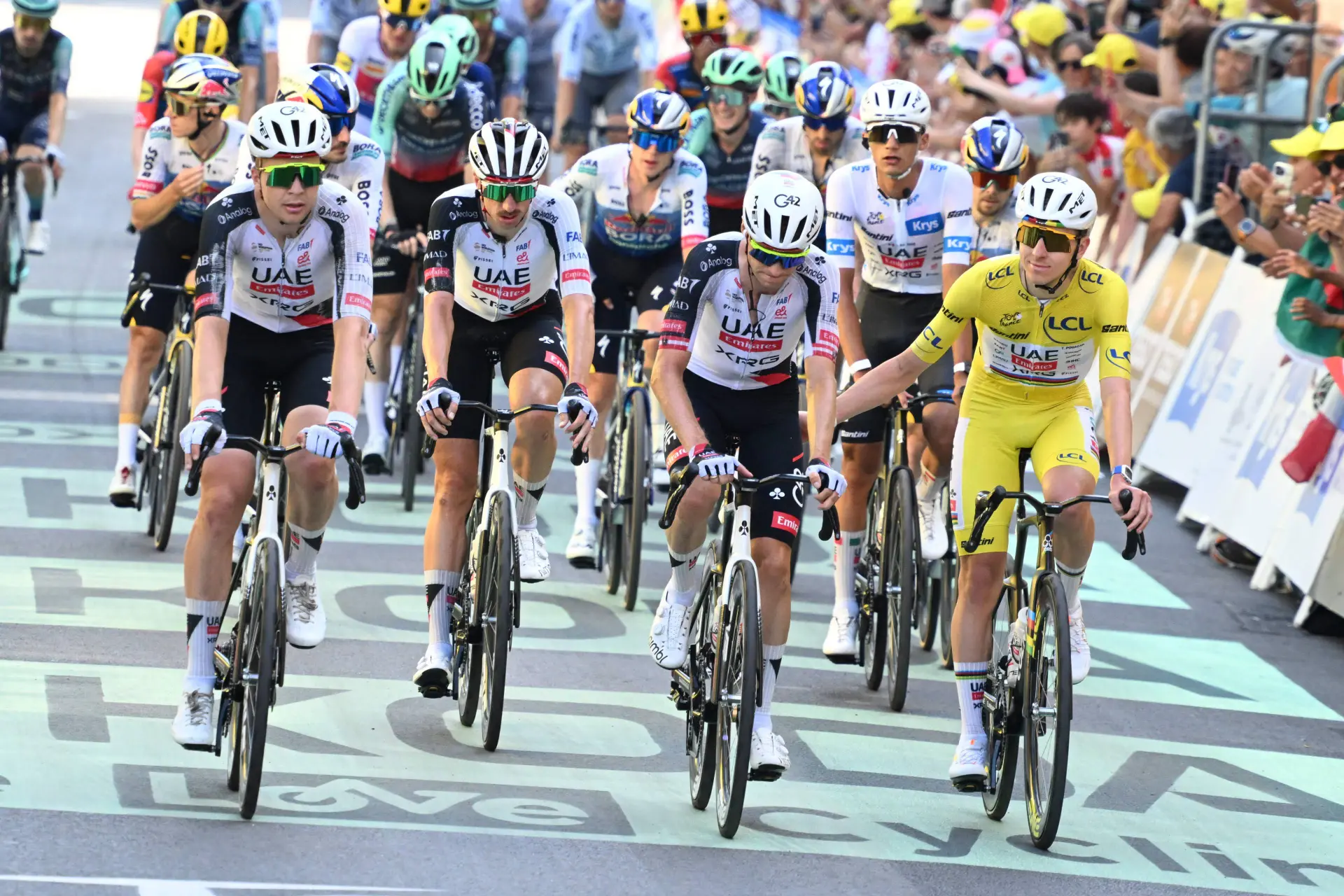
Tadej Pogacar competes at the 2026 Vuelta a España
“The Vuelta has turned extreme hardness into its hallmark”
The route will be the other major protagonist. The 2026 edition stacks up an extraordinary amount of climbing, with nine mountain stages and several medium-mountain days that will test the GC riders’ resilience. The route offers few respites and turns demanding finishes into a constant.
Rampe believes Javier Guillén has forged a distinct identity built on a constant hunt for spectacle. In recent years, the Vuelta has doubled down on explosive finales, impossible ramps, and climbs capable of opening gaps in a few kilometres. However, the analyst questions whether piling on extreme gradients always makes for a more compelling race.
His critique is clear: a stage with 15, 17, or even 20% ramps can end up becoming a survival race. “I’m not saying Pogacar won’t come and blow the race to pieces, but the rest of the mortals should be able to look each other in the eye,” he explained. For Rampe, cycling also needs steadier climbs that allow long-range attacks and favour a contest less dictated by the final kilometres.
“The alternative is still just a survival race”
The route debate led both to call for a Vuelta more connected to Spain’s geographic diversity. Rampe would restore prominence to regions like the Pyrenees, the Basque Country, or Asturias, but also explore less common areas. Extremadura, for instance, strikes him as a territory with huge potential thanks to its roads and mountains, where difficulty does not necessarily rely on extreme gradients.
Larra and Rampe also questioned the overuse of iconic climbs. The Angliru, for example, should retain its special aura and not become a recurrent summit finish. The same logic, they said, could apply to major Italian or French climbs. A mountain’s power also lies in its rarity.
In that vein, Rampe argued that Spain has ample resources to build a spectacular Vuelta without constantly resorting to extreme summit finishes. The country offers a vast range of climbs and terrains, and a Spanish Grand Tour could make better use of that diversity.
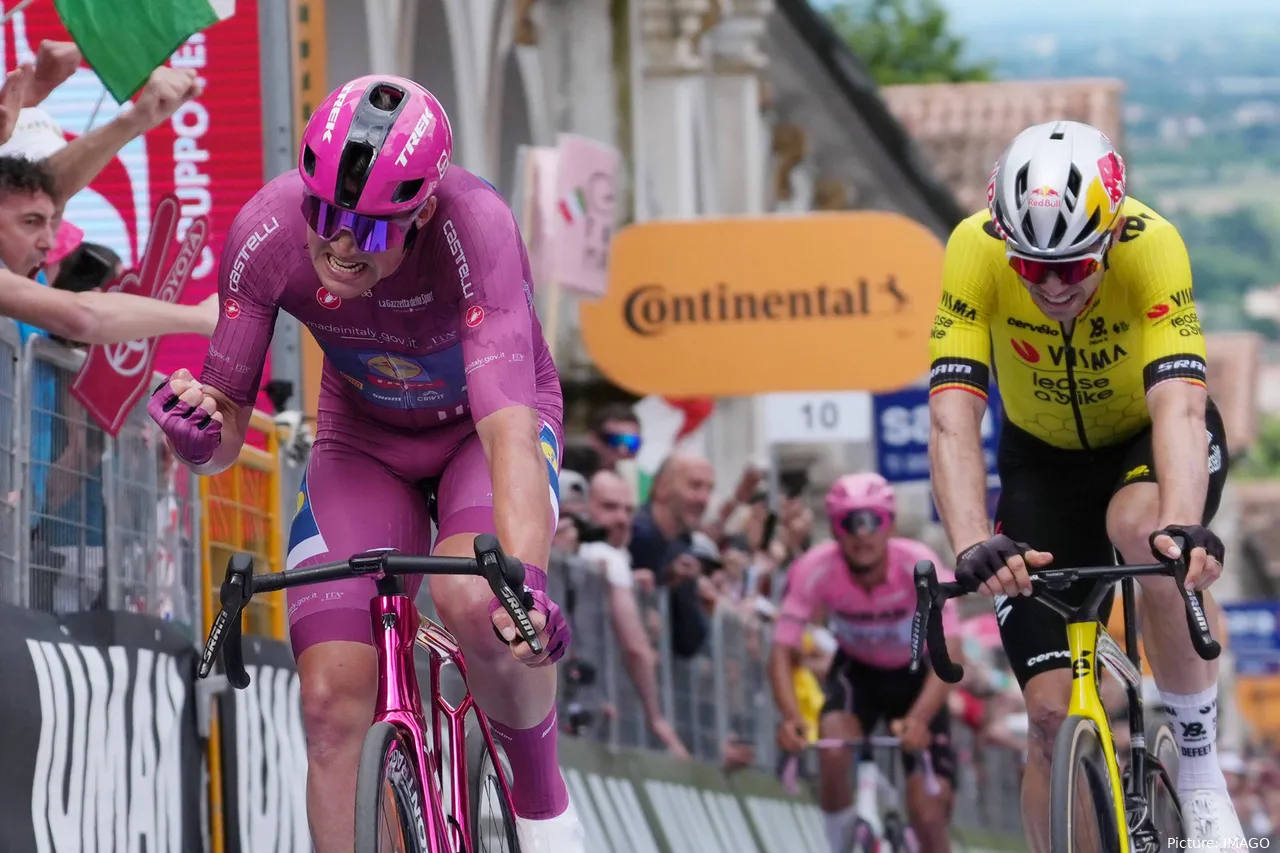
Mads Pedersen and Wout Van Aert should be two of Tadej Pogacar's rivals, on the hilly stages
“If Pogacar weren’t here, the list of favourites would look pretty thin”
The huge anticipation around the Slovenian also exposes a truth: the Vuelta’s start list is clearly shaped by the Tour calendar. Primož Roglič stands out as a leading rival, although his age and a recent crash raise questions about his condition. Behind him, the chasing pack includes names such as Enric Mas, Felix Gall, Oscar Onley, and Mattias Skjelmose.
Larra was especially blunt when comparing this field to the Tour. While France gathered Pogacar, Vingegaard, Evenepoel, Del Toro, Seixas, and other headline riders, Spain will only have the Slovenian from that front rank. “If Pogacar had decided not to ride this Vuelta, the list of favourites would have been pretty thin,” he said.
Javier Rampe agreed that Pogacar is a game-changer, though he noted the Vuelta can open doors for riders who usually live in the shadows of the big names. Among them he placed Skjelmose, a rider who can hold his own against the clock, albeit also vulnerable to the heat expected in Spain.

“Heat could be a decisive factor at the Vuelta”
The weather could become one of the favourites’ biggest foes. The time trial in Jerez de la Frontera will be especially demanding due to high temperatures. Rampe believes a stage seemingly built for specialists could end up shaped by the heat, particularly for riders who struggle in extreme conditions.
Pogacar is not immune to that issue. The Slovenian has shown on several occasions that extreme heat can affect his performance, so a Vuelta held in the height of the Spanish summer could add an unexpected variable to the fight for red. The fatigue accumulated over three weeks will be another decisive factor.
Spain’s Grand Tour thus arrives with an unusual blend: an extremely mountainous route, high temperatures, an indisputable favourite, and a group of chasers ready to exploit any weakness. For Larra and Rampe, the key question is not who starts as favourite, but how soon Pogacar will try to impose his will.
Pogacar could turn a race that often closes the season into one of the year’s major events. The Slovenian arrives fresh from winning the Tour, with the Worlds and the Italian classics still ahead, and with the chance to write a new chapter in an already extraordinary career.
Javier RampeCycling Journalist
Javier Rampe is a sports analyst with more than 15 years of experience. He holds a degree in Economics from the University of Rome and a Diploma in Business Studies from the University of Cádiz. Despite coming from an academic background not particularly associated with cycling, his passion for both cycling and journalism was instilled in him from an early age. He grew up following Miguel Indurain and José María “El Chava” Jiménez. An admirer of Michael Robinson’s communication style and journalistic approach, he was inspired to pursue a degree in Journalism at the University of Buenos Aires, which he is currently completing.
He has always maintained close ties with the worlds of sport and culture, contributing from a young age to sports blogs and film and music review websites. His work has appeared in media outlets such as Cope, RAI, and Radio Con Vos. He is also the founder of the cycling-focused podcast El Contraanálisis and the football interview channel Días De Fútbol, dedicated to conversations with professional footballers.
In addition to his work at Ciclismoaldia, Javier has interviewed some of the most influential figures in modern cycling, including Alejandro Valverde and Tadej Pogačar, as well as key voices in anti-doping policy such as Alberto Yelmo, David Varillas, and Marcelo Milano. Marcos Maynar, in relation to the ‘Operación Ílex’ case, is also among the personalities he has interviewed. He enjoys conducting in-depth analysis of the cycling ecosystem and has attended major events such as Strade Bianche, the Vuelta a Andalucía, and Itzulia, as well as numerous national cyclo-cross races.
His background in economics, combined with extensive experience in marketing and corporate communications, drives his continuous study of positioning strategies and ensures that he always keeps his focus on crafting compelling and evocative headlines.
claps 1visitors 1
Just in

Popular news
Latest comments
- No it’s not, what utter drivel. How do you know he wasn’t presented the option to stay with a renegotiated contract. I’m sure if he’d not gotten a better deal elsewhere he would even have considered accepting. It’s not like they would have told him to ride for free like Cavendish had to.Jumpyjohn21-10-2026
- It’s been a long time since any real Special accomplishments.Jumpyjohn21-10-2026
- It's nice to know that (some of) this article is not AI generated... igneous is autocorrected Ineos
 Rafionain-Glas21-10-2026
 - What are they doing nobody knows.abstractengineer21-10-2026
- Well JV, thats the text book definition of forced🤣🤦abstractengineer21-10-2026
- Sivakov was like the 5th best rider in the team, maybe not even that. He dropped before the other, he was not the final man. Besides when you got a leader who is attacking from 50-100k out , you dont really need a entire team, let alone Sivakovabstractengineer21-10-2026
- Visma is broke and cant sign any top riders. If anyone still dont get that after riders, coaches leave mid contract and even the ownwer going out publicaly saying they cant compete financially anymore. I dont know what copium world one live in lolmiguel21-10-2026
- If I were Visma I would take a bunch of money, buy out the Seixas contract and get him on that team. He is the next star after Tadej starts to slow down in two or three years.awp21-10-2026
- If the UAE follows Saudi fortunes, a lot of this might actually happen.Jumpyjohn21-10-2026
- Really? And you know this from who?Jumpyjohn21-10-2026
Loading
Write a comment