Opinion: Felix Gall discovers the route to the Vuelta podium as Richard Carapaz faces a major dilemma
Cycling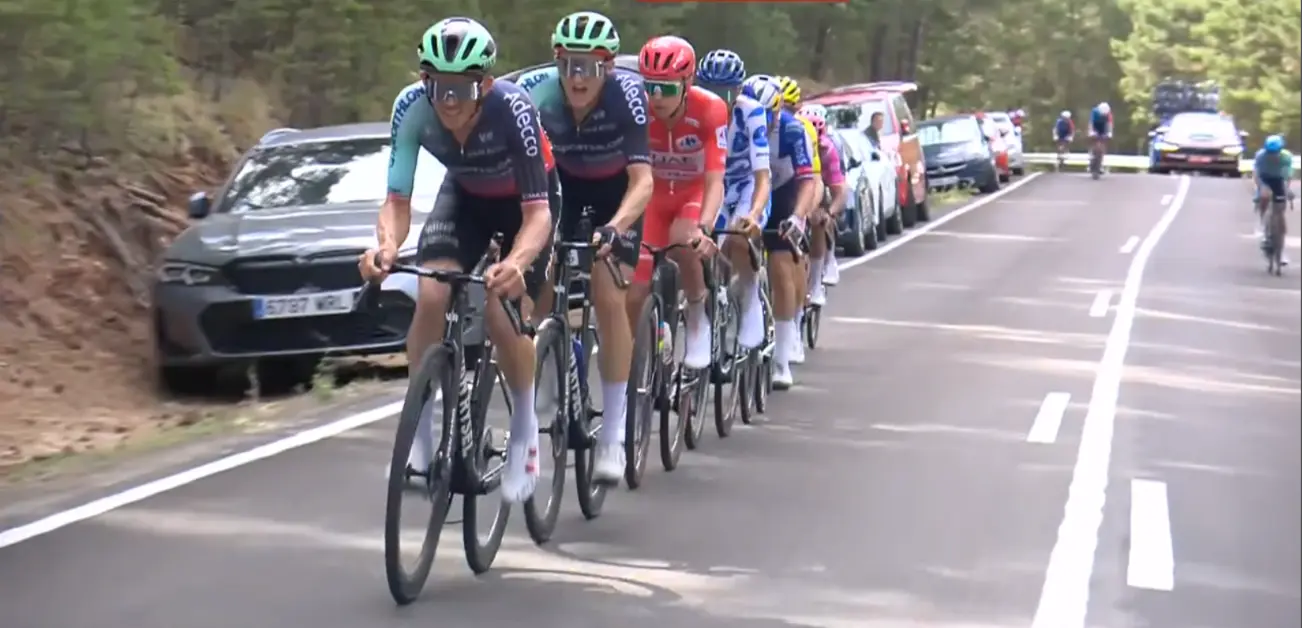
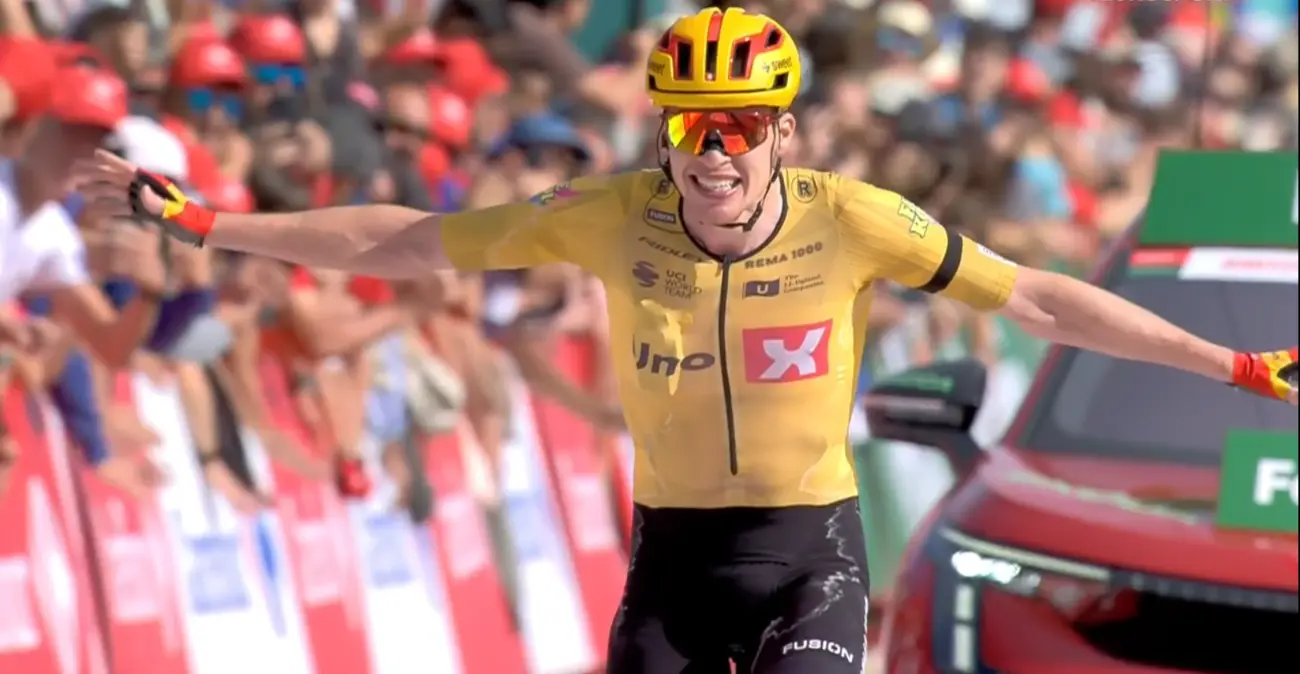
What a magnificent stage Uno-X Mobility produced at the Vuelta a Espana. Andreas Leknessund and Tobias Halland Johannessen completed a memorable one-two for the Norwegian team, delivering a performance that went far beyond the sporting result. Just hours after the death of Norway’s king, the two riders paid a beautiful and emotional tribute to their country.
It was a fitting conclusion to one of the most entertaining stages of this Vuelta so far. The racing began at an extraordinary speed, with attack after attack as countless riders attempted to force their way into the breakaway. The battle lasted for a long time and showed just how highly the peloton regarded this opportunity.
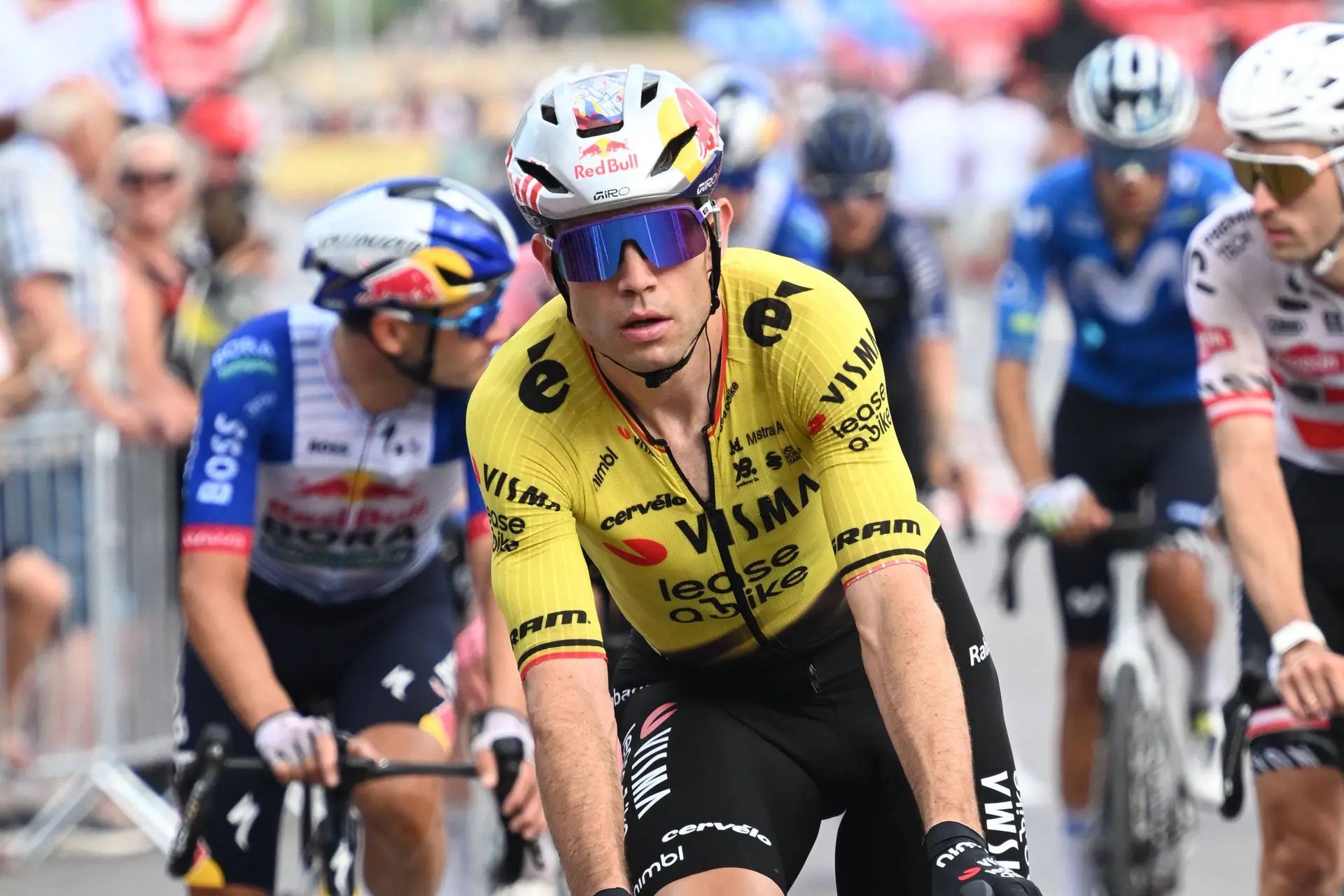
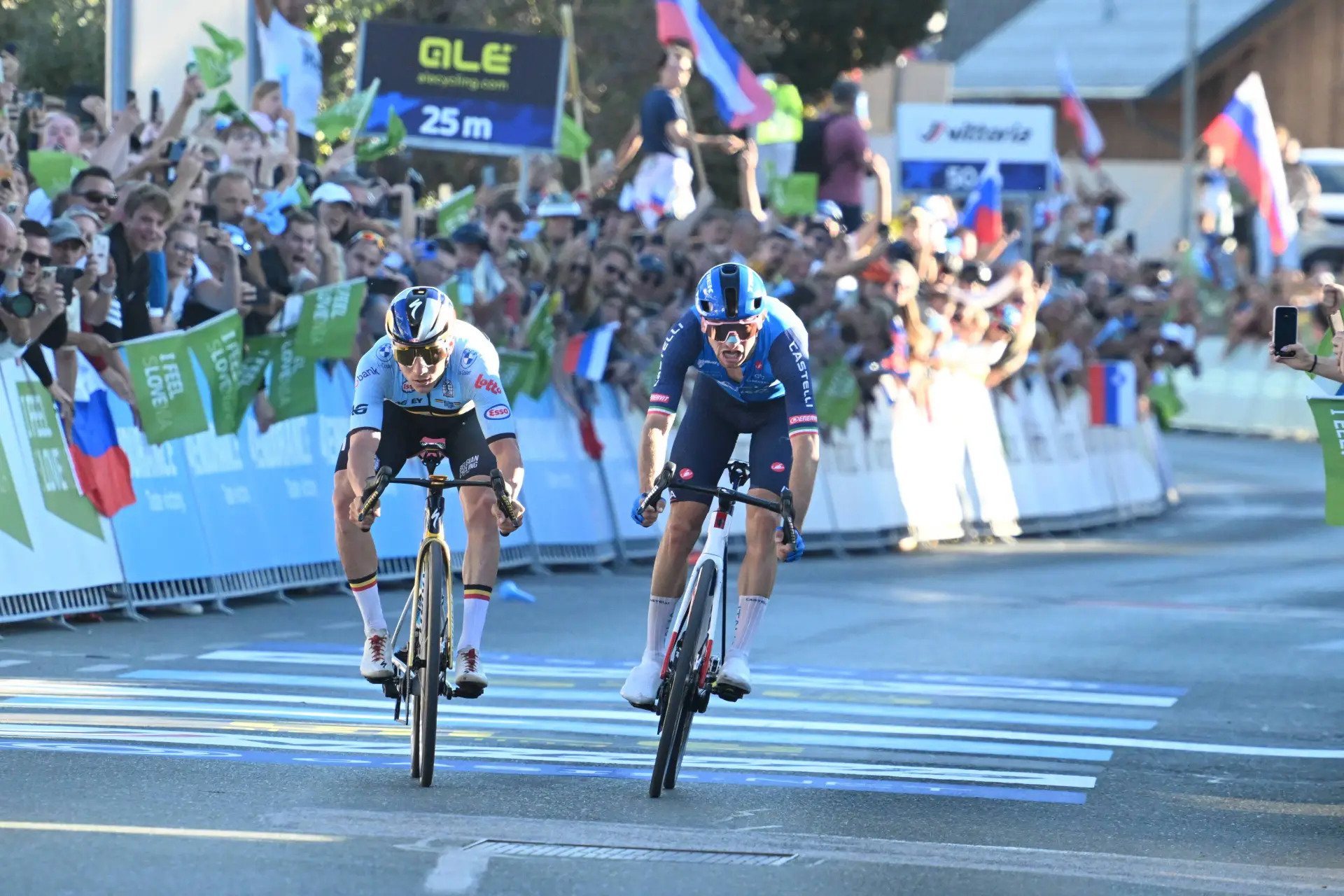
Wout van Aert was among the first riders to make his move. The Belgian went on the attack almost as soon as the flag dropped and eventually finished the stage in third place. His original objective was to collect the 20 points available at the intermediate sprint in his pursuit of the green jersey, but he ultimately gained much more than expected.
Van Aert gets more than he bargained for
By taking another 15 points at the finish, Van Aert added 35 points to his tally and moved into the lead of the points classification. The green jersey is clearly a major objective for the Team Visma | Lease a Bike rider at this Vuelta, and this was almost the perfect day for him.
Van Aert was already achieving his initial goal by joining the breakaway and winning the intermediate sprint. Finishing third on such a demanding stage was a considerable bonus. It was another reminder of his extraordinary versatility: he can fight for sprints, survive a difficult climbing finale and still compete with riders who are far more specialised for this terrain.
The fight to establish the breakaway was arguably the best we have seen during this edition of the Vuelta. Four riders eventually found themselves at the front, while a strong chasing group of approximately 22 riders formed behind them. That second group contained more than enough quality to close the gap.
Alexey Lutsenko, Cristian Rodriguez, Leo Bisiaux, Valentin Paret-Peintre, Raul Garcia Pierna and Guillaume Martin were among the riders involved. On paper, it was a group with sufficient climbing strength and tactical options to bring the leaders back. In practice, however, its cooperation left a lot to be desired.

The moment Andreas Leknessund attacks from the breakaway group to win Stage 7 of La Vuelta.
A chasing group that wasted its opportunity
If you want to win a stage from the breakaway, you have to be prepared to make sacrifices. Riders and teams cannot simply continue riding at a comfortable pace while hoping that somebody else will do the hard work. At some point, one rider has to empty himself to give a teammate a genuine chance of victory.
That never really happened in the chasing group. Despite having climbers of the calibre of Paret-Peintre among them, the pursuit lacked both urgency and commitment. It was almost incomprehensible that nobody was prepared to adopt a more aggressive strategy and burn their own chances for the benefit of a stronger teammate.
Paret-Peintre appeared to be one of the biggest favourites for the stage victory among the riders behind. Perhaps he did not have his best legs, as he later lost contact on the final climb, but the group could not have known that beforehand. By hesitating and refusing to fully commit, the chasers allowed the four leaders to retain their advantage.
For the first time in this Vuelta, a breakaway was rewarded with the stage victory. After six days dominated by the same small group of winners, the race finally produced a different outcome. Leknessund seized that opportunity brilliantly, while Halland Johannessen completed an unforgettable afternoon for Uno-X.
Decathlon finally gets its tactics right
Behind the breakaway, Decathlon CMG CGM Team also deserves credit for the way it approached the stage. The French team raced intelligently and, crucially, resisted the temptation to take responsibility for controlling the peloton throughout the day.
Instead, Decathlon left that task to UAE Team Emirates - XRG. That decision paid dividends on the final climb. For once, the French squad did not spend the entire stage working only to make life easier for Tadej Pogacar.
That is the lesson Decathlon needed to learn. Taking control of the peloton and setting a hard pace effectively means delivering the race into Pogacar’s hands. He has the strongest team and is the strongest rider, so there is little sense in helping UAE dictate the stage before attempting to challenge him in the finale.
Felix Gall was consequently able to ride the final climb at his own pace. Only Enric Mas briefly attempted to follow him, but even the Spaniard could not remain on his wheel. Gall gained time on all of his main rivals and once again demonstrated that he has the legs to fight for the final podium in Madrid.
This is precisely how Decathlon should race from now on. The team must avoid taking unnecessary responsibility and preserve Gall for the decisive moments. Trying to control the peloton all day will only leave its leader isolated or exhausted when the real attacks begin.

As soon as the flag dropped, Wout van Aert attacked. At the end of the day, he was rewarded with 35 points in the points classification and third place on the stage.
Gall emerges as a genuine podium contender
Primoz Roglic, Sepp Kuss and Richard Carapaz all produced respectable performances, but none of them could match Gall’s acceleration. Mas also confirmed that he is in strong form, although his inability to follow Gall showed that being good is not the same as being the best of the challengers.
Gall was the most impressive general-classification rider behind Pogacar on this stage. He looked composed, chose the right moment and did not waste energy earlier in the day. Decathlon’s more restrained tactical approach gave him the opportunity to express his strength when it mattered.
Whether he can maintain that level for the remainder of the Vuelta is another question, but his team now has a clear blueprint. Gall does not need Decathlon to dominate stages. He needs teammates around him for as long as possible and the freedom to ride his own tempo on the decisive climbs.
Read also
Lidl-Trek must reconsider its priorities
Mattias Skjelmose was among the riders who lost time, and his performance only reinforced the feeling that Lidl-Trek made a serious tactical mistake on the previous stage. Mads Pedersen sacrificed his own chance of fighting for a stage victory because the team wanted him to protect Skjelmose.
Crosswinds were offered as the explanation, but the real issue appears to be much simpler: Skjelmose does not have the legs he showed at the Tour de France. He is not completely out of contention for the top ten, but a place on the final podium already looks beyond his reach.
Lidl-Trek should therefore give its riders more freedom to chase stage victories. Continuing to sacrifice opportunities in order to protect a leader who is unlikely to improve dramatically makes little sense. Skjelmose may have to be honest with himself and the team about what is realistically achievable.
A secondary top-ten finish has value, but it should not come at the expense of every other ambition. Pedersen is capable of winning stages and playing a major role in the points classification. Lidl-Trek should not restrict him unnecessarily when Skjelmose is struggling to compete with the strongest general-classification riders.
Carapaz is more exciting when he is liberated
There is also a wider question surrounding Richard Carapaz. The Ecuadorian remains a high-quality general-classification rider, and both he and his team are understandably interested in achieving the best possible overall result. Yet Carapaz is a completely different, and much more exciting, rider when he is freed from those responsibilities.
When Carapaz races for stage victories, he is aggressive, adventurous and unpredictable. He attacks from distance, takes risks and forces his rivals to react. That is the version of Carapaz that brings something special to a race.
At this Vuelta, we are seeing a more restrained rider. He is calculating his efforts, following wheels and protecting his position in the standings. It is logical from a general-classification perspective, but it also removes some of the beauty from the way Carapaz usually races.
Ultimately, what is more valuable: finishing in a relatively anonymous position inside the top ten, or hunting stage victories, producing memorable performances and ensuring the entire cycling world is watching? For me, Carapaz is at his best when he chooses the second option.
Carlos Silva is a writer for CyclingUpToDate.com, where he contributes race reports, interviews, analysis pieces, and live coverage of the international cycling calendar. Holding a degree in Sports from the Jean Piaget Institute, he combines academic knowledge of performance, training, and competition with hands-on journalism experience in professional cycling.
Throughout his career, Carlos has conducted interviews with leading figures in the sport, including Alberto Contador, Joaquim Rodríguez, Óscar Pereiro, João Almeida, Isaac del Toro, Derek Gee, John Degenkolb and Geraint Thomas. These conversations reflect direct engagement with Grand Tour winners, Classics specialists, and emerging talents.
He has provided on-site coverage at major events ranging from the Vuelta a España to the Tour de France, alongside stage races such as Vuelta a Andalucía, Volta ao Algarve, Volta a Portugal and O Gran Camiño. Covering the mythical climbs of the Giro d'Italia remains one of his professional ambitions.
Carlos is responsible for liveblog coverage of all major WorldTour races and beyond, including the Tour de France, Giro d'Italia and Vuelta a España. His reporting integrates verified data from ProCyclingStats to ensure statistical accuracy, contextual depth, and analytical precision.
A lifelong cycling enthusiast, he approaches storytelling across written, photographic, and video formats with a focus on credibility, tactical insight, and informed race interpretation.
claps 2visitors 2
Just in
Popular news
Latest comments
- Maybe Net Company INEOS should be signing Roglic. Feels like they have been mostly irrelevant since G hung up the shoes. At least they would have someone who is there or there abouts on GC.MASnell09-10-2026
- Maybe Net Company INEOS should be signing Roglic. Feels like they have been mostly irrelevant since G hung up the shoes. At least they would have someone who is there or there abouts on GC.MASnell09-10-2026
- i guess there's journalism and then there's journalism. this website simply collects cycling stories and aggregates them in one portal for us fans to access. they aren't really investigative reporters, and their team likely isn't big enough to go into real depth... which is fine by me since i don't expect much more from them. that said, i agree with your view. it would be nice to see a bit more follow-up that pushes the people in charge to actually take a stance.Ketterechts08-10-2026
- UAE was really badly positioned at the last climb, and Ineos did a great job of making that happen at the bottom. That must have affected del Toro and the rest. His attack wasn't spectacular, and they hadn't ripped apart the bunch enough, letting a large group remain in back to reel him in. UAW lost the race on the road to the climb and the bottom third of it, I think.RidesHills08-10-2026
- He won in exactly the same way as others. By being the fastest to complete the stages.mobk08-10-2026
- Very surprised del toro couldn't beat everyone here against lesser competition. He's well on his way to being top 5 in the worldbruins3008-10-2026
- Being the best rider left in the race is pretty much the only way to win in any edition, surely? Seems reductive to say "they only won because the entire peloton wasn't as absolutely stacked as it could've been" - you can only beat who is in front of you.wrsty08-10-2026
- I’m sorry but generally the coverage on your site is first class but this incident highlights something I just don’t get with cycling journalism. This accident should never have been allowed to happen, it comes uncomfortably close to the Finlay Tarling tragedy and two other incidents took place within days of this. I checked all of the cycling websites and you all put out basically the same story. Pidcock gave journalists the perfect opening to blow this sky high, what has the UCI got to say? What is Adam Hansen doing? What do the organisers say? Nothing, you all trot out the same easy quotes taken from Pidcocks interview after the race but do nothing to follow it up. I see it time and time again, journalists taking the easy way out but being outraged when it happens again as it surely will. Riders can’t do this but journalists should be independent and should be able to raise these uncomfortable questions but cyclinguptodate and every other on line publication prefer to take the easy way out. That’s the real tragedy here.Paul53108-10-2026
- Happy to help :-)Mistermaumau08-10-2026
- Well, ok but, it’s also a structural, team, budgeting, direction and all sorts of other issueMistermaumau08-10-2026
Loading
Write a comment