“I went so deep... I was dead there” – Tom Pidcock’s Alpe d’Huez hopes unravel after brutal penultimate climb
Cycling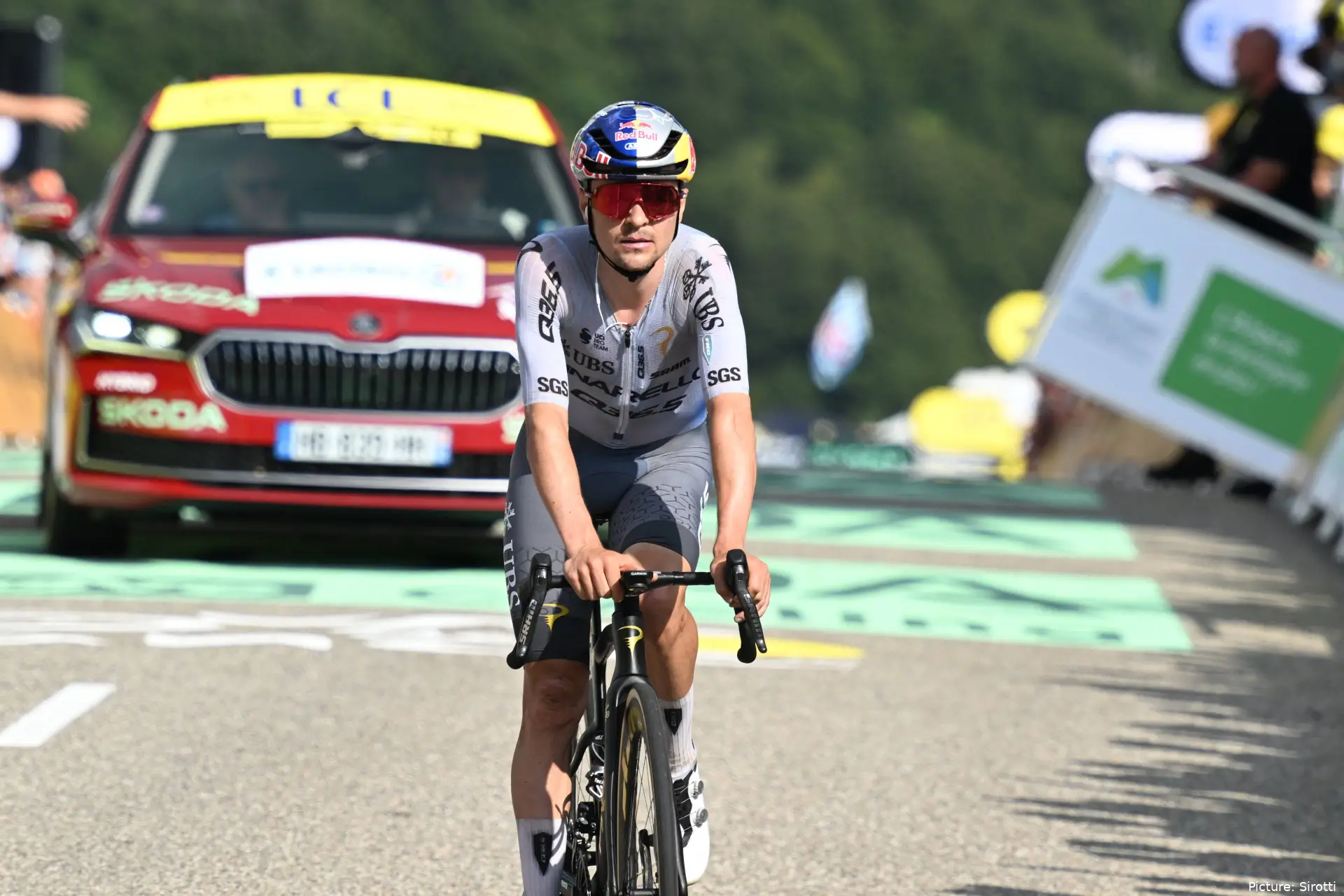
Tom Pidcock admitted he reached Alpe d’Huez with almost nothing left after going too deep on the Col d’Ornon during stage 19 of the Tour de France.
Returning to the climb where he claimed one of the biggest victories of his career in 2022, Pidcock had hoped to remain among the leading general classification contenders. Instead, the effort required to survive the penultimate ascent caught up with him as the decisive selection began.
“That second last climb, I went so deep, I think I paid for that on the last climb; I was dead there,” Pidcock said after the finish.
“Of course I had hoped for more, but there was nothing more I had in my legs there, so it is what it is.”
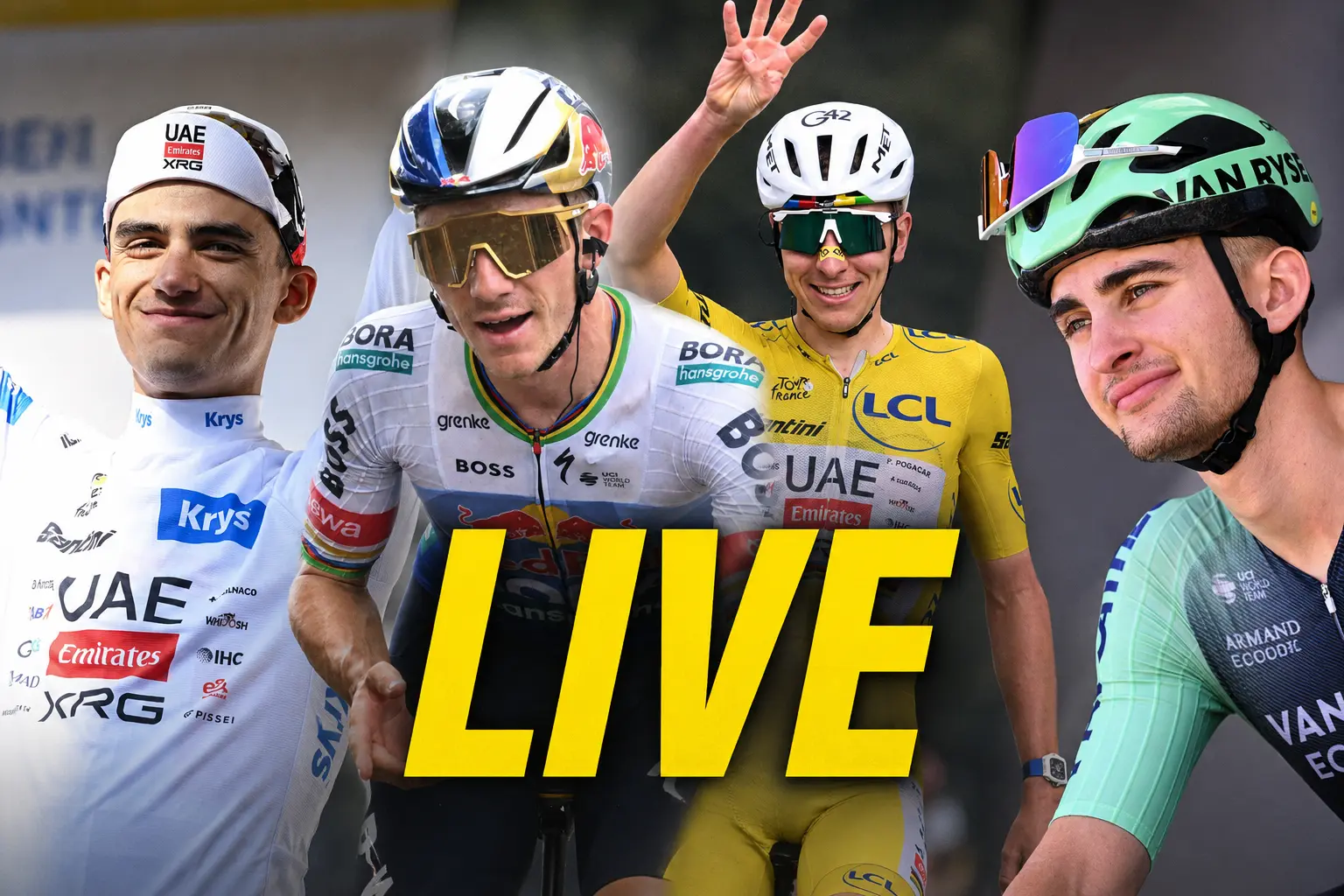
Pidcock stayed with the reduced favourites group through the Col d’Ornon, where Felix Grossschartner’s pace for UAE Team Emirates – XRG had already begun to expose riders further down the general classification.
Once the race reached Alpe d’Huez, Maxim Van Gils increased the pressure for Red Bull - BORA - hansgrohe. Pidcock and Juan Ayuso were among the first riders unable to remain with the group containing Remco Evenepoel, Isaac del Toro, Paul Seixas and Mattias Skjelmose.

Pidcock remains inside the top-10 on GC
Col d’Ornon effort leaves Pidcock exposed
The problem was not a sudden collapse on the final climb. Pidcock had already spent heavily trying to stay in contact before the descent towards Bourg-d’Oisans, leaving him unable to respond when the tempo rose again.
His losses dropped him one place to ninth overall, although he remained inside the Tour’s top ten with a 1:51 advantage over Jordan Jegat.
That position has required a very different approach from the one that carried him to victory on Alpe d’Huez four years earlier. In 2022, Pidcock reached the climb from the breakaway after a celebrated descent of the Col du Galibier and rode clear to take his first Grand Tour stage win.
On stage 19 of the 2026 race, he arrived after nearly three weeks of defending a general classification position. Rather than attacking the mountain from the front, he was already fighting the accumulated damage of the race and the pace imposed on the approach.
Pidcock had entered the stage with ambitions beyond simply protecting ninth place. His brief verdict at the summit made clear there had been no tactical decision to ease off or save himself once he lost contact. There was simply nothing more available.
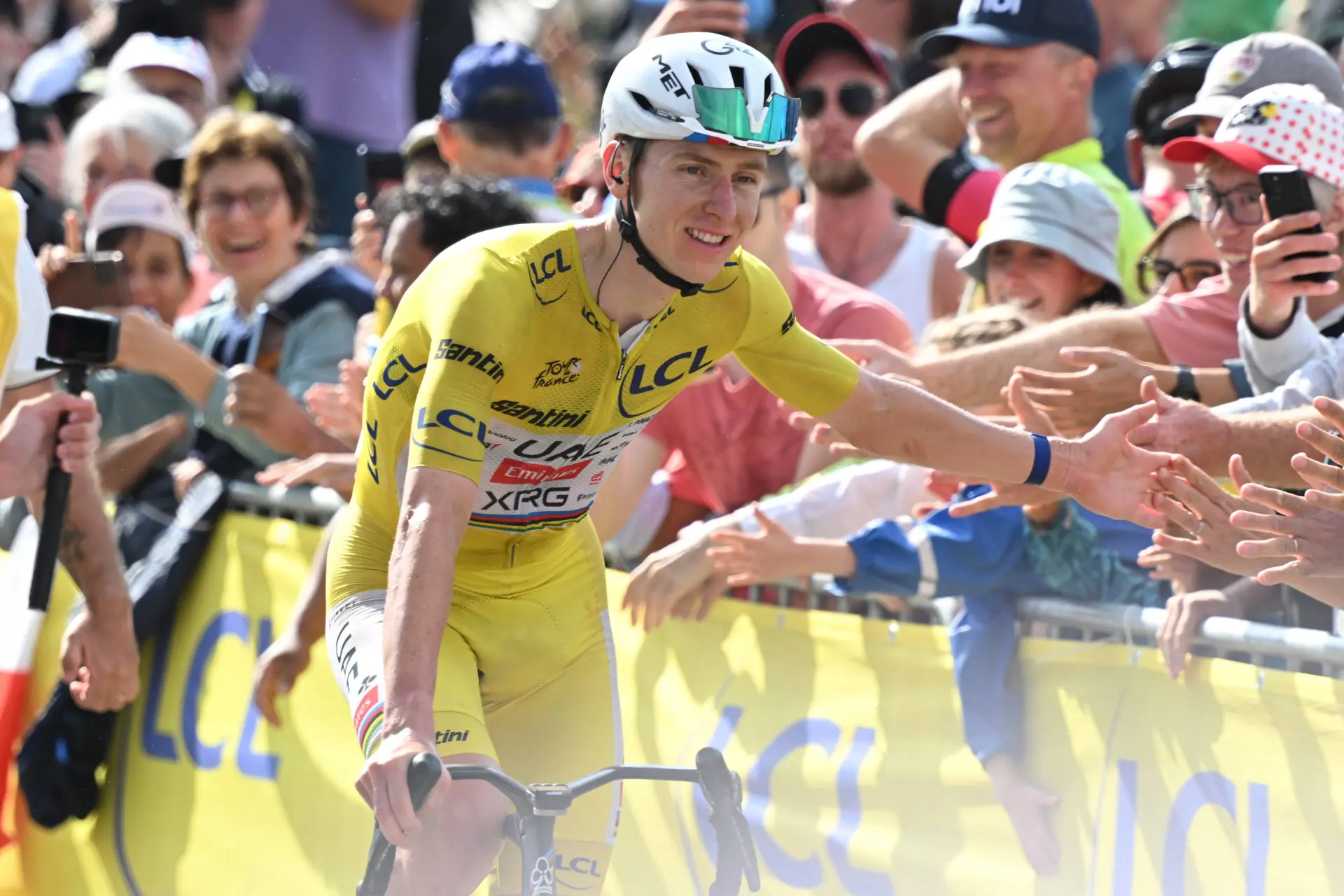
Pidcock salutes Alpe d’Huez crowd
The physical suffering did not lessen his appreciation of the spectators lining the final climb, where the road narrowed into walls of supporters through the famous hairpins
“It’s incredible,” Pidcock said. “The amount of people who come here and watch bike racing – it’s amazing, they make the atmosphere. My thanks to everybody who comes out and makes it so magical.”
The noise on Alpe d’Huez also left Paul Seixas and Evenepoel reporting ringing ears after the finish, although the crowds created problems as well as spectacle when Evenepoel found his first attack obstructed by supporters and race motorbikes.
Pidcock’s own frustration was directed at his legs rather than the conditions around him. His attempt to survive the Col d’Ornon had emptied the reserves he needed for Alpe d’Huez, turning a hoped-for return to the scene of his greatest Tour stage win into an afternoon of damage limitation.
He nevertheless remains ninth overall with one final Alpine examination standing between him and a place inside the Tour de France top ten.
Kieran WoodDeputy Editor-in-Chief
Kieran Wood is a sports journalist based in Wales and has been active in journalism since 2022. He regularly contributes to DartsNews.com and CyclingUpToDate.com, where he covers professional cycling and darts. In cycling, his work includes liveblogs from major races, including the Tour de France, the Giro d’Italia, and La Vuelta a España, alongside race reports and analysis. He has also conducted interviews with professional riders.
His reporting spans the full racing calendar, from one-day classics to stage races, with a focus on accurate, real-time coverage and clear contextual analysis. For statistics, results, and historical context, he regularly uses resources such as ProCyclingStats. To support reporting on rider activity and training context where relevant, he also references Strava.
In his work, Kieran places strong emphasis on careful sourcing, editorial accuracy, and updating articles as new, verified information becomes available.
claps 0visitors 0
Just in


Popular news

Latest comments
- writing about yourself in third person ... please, at least have someone else from your staff author these self-coverage articles!Ketterechts25-11-2026
- Don’t forget Yates’s podium at 2023 TdF!Lozza25-11-2026
- It was stage 14 to Morzine that Carlos Rodriguez won in 2023, not Puy de Dome. And Kwiato actually won the previous stage himself to Grand Colombier!Lozza25-11-2026
- Go Pogi!! 🐐❤️Lozza25-11-2026
- They didn’t have or need “extraordinary information”. All they needed was for a French judge to sign off on the night-time testing for it to go ahead.Lozza25-11-2026
- If the sponsors voted for Primoz then you get him, otherwise not.flyer25-11-2026
- It sure can feel or seem that way but I wonder if the same amount of prodigious performances (compared to the others) would occur if no one was ever doping at all.flyer25-11-2026
- Given the similarity of two articles (published on I think the same date), I'm reusing (copy-n-pasting) my post from the twin: I've always thought the last day of each of the grand tours was problematic mostly in that the GC is considered completed before the race starts when that is not really true. There is some tension, but not desirable tension. What saves the awkward practice is the race finish is legit for those who participate - so it's not wholly different from the other stages. That neutralizations usually make good sense demonstrates their necessity so if that has to be the way to go I agree that the design plan for the neutralization should be completed before the race starts. This years end stage in the Vuelta had one of the best first half's I've seen in that many of the riders looked to be thoroughly enjoying themselves making it a joy to watch. But I think it was slightly closer to the exception rather than the rule.flyer25-11-2026
- Even I often win without being there at all, not even breaking a sweat. Beat that!flyer25-11-2026
- It is not about rest and peaking again - 5 weeks is not enough for that. It is about recovery while maintaining form. 4 weeks is easier for that. With a Giro-Vuelta, the 12 week break is enough to rest and then peak again. Not for the Tour
 Rafionain-Glas25-11-2026
Loading
Write a comment