“I don’t want them using Isaac del Toro” – UAE boss pushes back as Mexican star becomes central to Vuelta a Mexico revival hopes
Cycling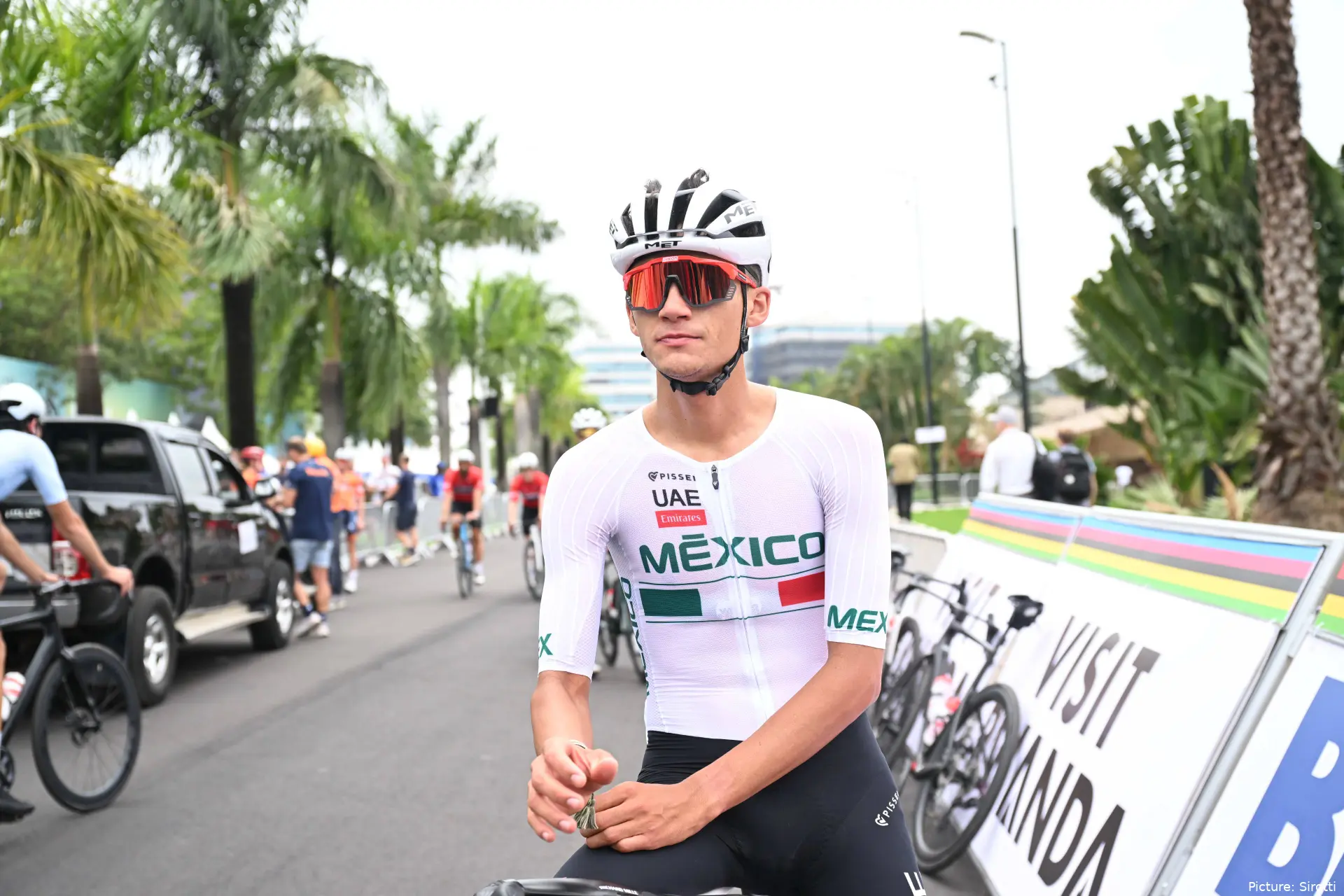
Joxean Matxin has pushed back against suggestions that a revived Vuelta a Mexico should depend on Isaac del Toro being on the start line, insisting UAE Team Emirates – XRG will make any decision based on their own sporting plans.
Del Toro’s rapid rise has transformed interest in Mexican cycling. The 22-year-old followed his breakthrough 2025 Giro d’Italia with third overall, the white jersey and a stage victory on his Tour de France debut in 2026, while his profile at home has grown with every major result.
That success has inevitably fed hopes that Mexico could bring back its own major stage race after more than a decade away. Matxin, however, does not want Del Toro’s name turned into a condition for making it happen.
“If they organise the race, we as a team will assess whether we take part or not,” Matxin told ESPN Ciclismo. “But I don’t want them using Isaac del Toro at any point and saying that if he doesn’t come, the race won’t happen. Because Isaac del Toro is not the one who decides whether he races.”
Mexico rallies around Del Toro
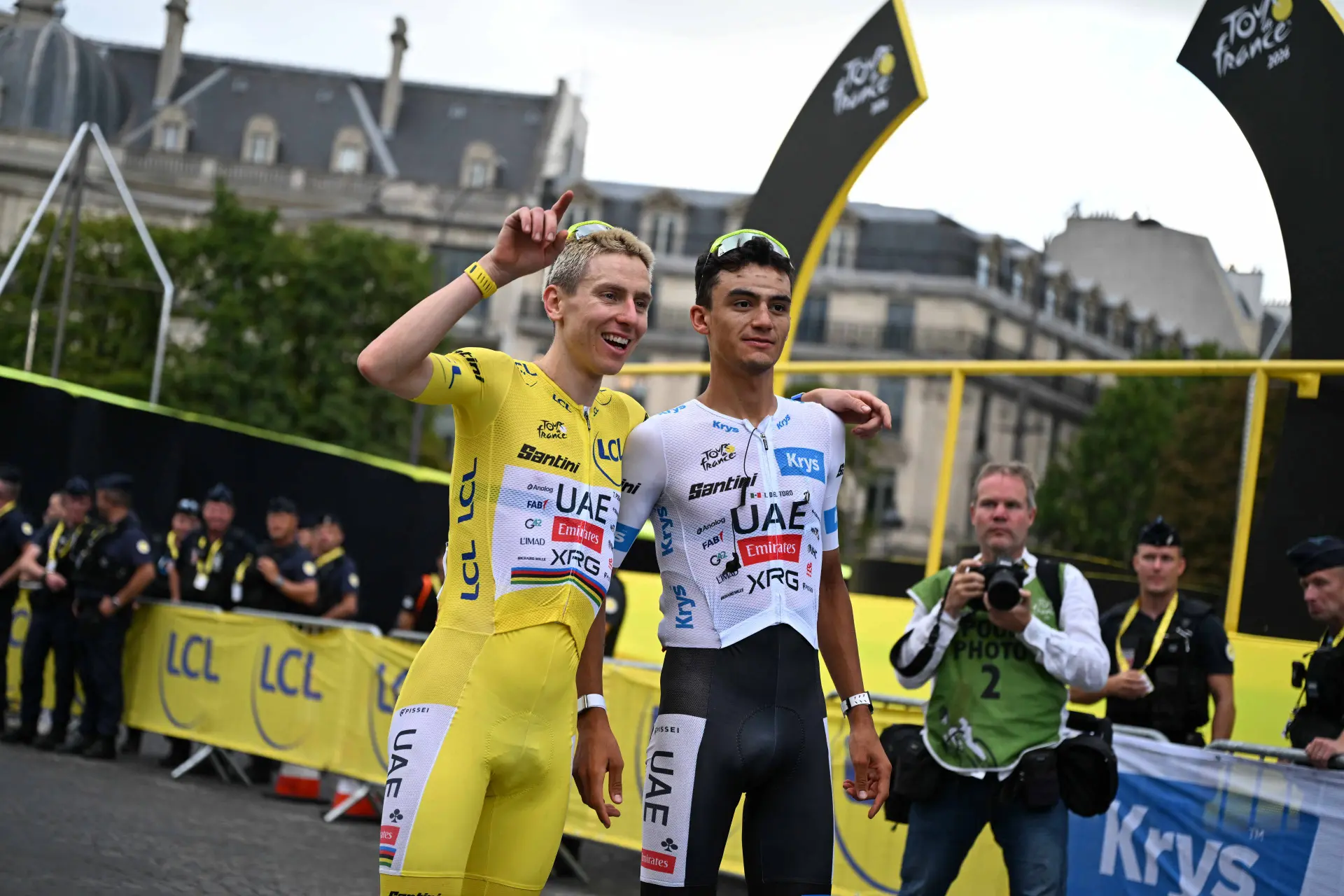
Del Toro has become the clear face of Mexican road cycling during his rapid emergence with UAE. Mexican supporters were highly visible throughout the Tour de France, with flags and chants following Del Toro across the race as he secured the first Tour podium of his career alongside overall winner Tadej Pogacar.
For Matxin, that response was entirely predictable. “I had no doubt that the Mexican people would get behind Isaac,” he said. “When an emerging star like him appears in a sport that isn’t one of the biggest in Mexico, and then becomes one of the best riders in the world, it’s logical that the fans identify with him.”
The enthusiasm does not mean Del Toro can simply choose to add a home race to his programme. UAE plan their leading riders’ schedules months in advance, balancing Grand Tour objectives, recovery periods and preparation blocks across a packed WorldTour calendar.
“He belongs to a team and the team is the one that decides whether to compete in the race,” Matxin continued. “From there, we decide whether one rider or another takes part. But the race should not depend on whether Isaac del Toro comes or not. There is a huge amount of talent in Mexican cycling and it deserves the same respect.”
Matxin warns against ‘unnecessary pressure’
The possibility of Del Toro racing at home carries obvious appeal. His profile has never been higher, while UAE reinforced their long-term commitment to the Mexican this week by extending his contract through the end of 2031.
Matxin nevertheless wants a clear separation between Del Toro’s growing status and the future of the Vuelta a Mexico itself. “That really would be unnecessary pressure,” he said. “Nobody should say that if Isaac comes, the race happens, and if he doesn’t, it doesn’t. The world calendar is already designed and we decide where we race.”
There are practical complications too.
A trip to Mexico or another high-altitude race in Latin America can occupy considerably more time than the race itself. Matxin explained that UAE may need roughly three weeks: a period beforehand to adapt to the altitude and time difference, the competition itself and further time afterwards to readjust before returning to racing in Europe.
UAE’s most recent racing trip to Latin America came in 2020, when the team competed at both the Vuelta a San Juan in Argentina and the Tour Colombia. Any Vuelta a Mexico appearance would therefore depend on considerably more than Del Toro’s popularity. UAE would need to assess its place in the 2027 calendar, the route, altitude, security and how the race fits around the programmes of its leading riders.
The Vuelta a Mexico has not been held since 2015, although efforts to revive the race have gathered momentum following the creation of the new Mexican Cycling Union in 2025.
Del Toro could unquestionably transform the attention surrounding any comeback. Matxin’s message is that the comeback itself has to stand without him.

Kieran WoodDeputy Editor-in-Chief
Kieran Wood is a sports journalist based in Wales and has been active in journalism since 2022. He regularly contributes to DartsNews.com and CyclingUpToDate.com, where he covers professional cycling and darts. In cycling, his work includes liveblogs from major races, including the Tour de France, the Giro d’Italia, and La Vuelta a España, alongside race reports and analysis. He has also conducted interviews with professional riders.
His reporting spans the full racing calendar, from one-day classics to stage races, with a focus on accurate, real-time coverage and clear contextual analysis. For statistics, results, and historical context, he regularly uses resources such as ProCyclingStats. To support reporting on rider activity and training context where relevant, he also references Strava.
In his work, Kieran places strong emphasis on careful sourcing, editorial accuracy, and updating articles as new, verified information becomes available.
claps 4visitors 2
Just in
Popular news
Latest comments
- i dont think this team is all in for womens cycling ,it aint lack of funds ....funny that.
 Davide07-10-2026
 - Would luv to see him pull off a big win.Another good team mate like Wally.Davide07-10-2026
- You can't win if you don't race! Guess you still don't understand that concept CAPISH !frieders307-10-2026
- At this point, Tadej doesn't just need an aero helmet; he needs a restraining order and a fruit basket sent to Mou’s house just to keep him from declaring war on the entire Visma LAB, or Remco subreddit (or any other subreddit that isn’t dedicated to his truly).anonymouscyclist06-10-2026
- question: photo finish pictures have been released for many races. do they all lack the finish line on the ground or is this only here the case?Ketterechts06-10-2026
- Cool that Remco has done that. it's one record that is likely to stand a long time and won't be taken by pogimobk06-10-2026
- Poor pogi. There is literally nothing more cringe than fanboys like this.mobk06-10-2026
- :)Hills3306-10-2026
- Hey Hills old chap, I read your posts again and yeah, I guess we're on the same wavelength :)PogiSloFans06-10-2026
- Ayrton Senna used to say: second place is just the first loser. If Tadej is in the race, everyone else is a loser. Remco included. ;)MajorPayne06-10-2026
Loading
1 Comments