In cycling, not every hero raises his arms at the finish line. Some make history without winning a stage, wearing the yellow jersey or receiving the recognition their sacrifices deserve. They are the domestiques, riders willing to set aside their own ambitions to help their leaders become champions. Their work, particularly in Grand Tours, can be just as decisive as the favourites’ talent.
The Tour de France is the perfect stage on which to measure the importance of these loyal lieutenants. Over three weeks, controlling the peloton, positioning riders before climbs, shielding them from the wind and wearing down rivals can make the difference between victory and defeat. Behind every champion is usually a team ready to work from the very first kilometer, even when its riders know they are unlikely to get a chance to shine.
Throughout the history of the French race, some domestiques have stood out for their ability to read the race and adapt to their team leaders’ needs. From pure climbers to all-rounders capable of controlling any situation, they share one virtue: knowing when to sacrifice themselves so someone else can claim the glory.
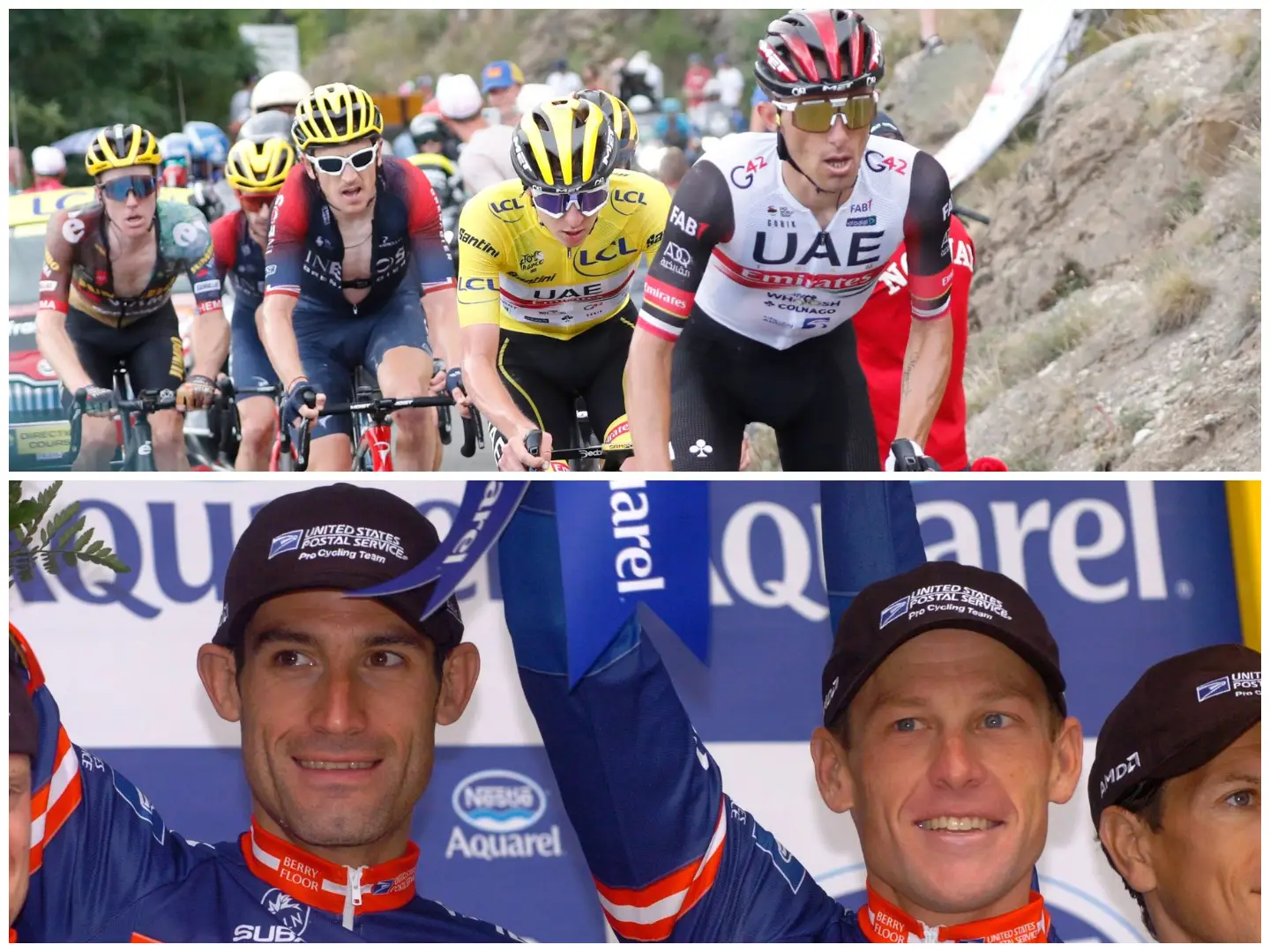
Sepp Kuss, George Hincapie, Rafal Majka, Alain Vigneron and Marino Alonso represent five different sides of this quiet work. Their careers have been linked to some of cycling’s great champions, from Miguel Indurain to Tadej Pogacar, and including Jonas Vingegaard, Bernard Hinault and Greg LeMond. These five riders show why success at the Tour de France never depends solely on the leader’s legs.
George Hincapie, Lance Armstrong’s trusted lieutenant
For years, George Hincapie was one of Lance Armstrong’s most trusted riders at US Postal Service. The American stood out for his versatility and his ability to protect his leader on almost any terrain. On flat stages, when wind, echelons and crashes threatened to disrupt the general classification, he took on the vital task of keeping his team leader out of trouble.
His importance extended to the mountain stages, too. Though not a pure climber, he could hold on through much of the toughest days and stay with the favourites until the race was down to the best specialists. That blend of power, endurance and experience made him one of the most valuable riders of his generation. A trusted domestique need not win a stage to shape the course of a Grand Tour.
Hincapie was part of Armstrong’s teams during his seven Tour de France victories from 1999 to 2005, results later annulled following sanctions for the American’s doping. His career was therefore tied to one of the most controversial chapters in cycling history. Even so, his role as a support rider exemplifies the all-rounder capable of taking on many different duties over three weeks of racing.

George Hincapie, classics specialist and longtime Lance Armstrong domestique
Sepp Kuss, powerful climber at Jonas Vingegaard’s service
American Sepp Kuss has earned his place among modern cycling’s great domestiques thanks to his extraordinary climbing ability. Known as the “Eagle of Durango”, the Colorado-native was a key part of Jonas Vingegaard’s Tour de France victories in 2022 and 2023, having also worked alongside Primoz Roglic for years at Jumbo-Visma. His climbing talent allows him to stay with the world’s best climbers and sustain a pace few riders can match.
His greatest strength comes to the fore when the road steepens and the favourites begin to test each other. Kuss can harden the race for several kilometres, thin out the group of contenders and force rivals to expend energy before his leader launches the decisive attack. In that role, his job is not simply to set the pace, but to lay the groundwork for Vingegaard to exploit his advantage.
His career reached a new level in 2023, when he won the Vuelta a España after first working for his teammates at the Giro d’Italia and the Tour de France. That season showed his ability extended far beyond the role of domestique. Even so, his willingness to sacrifice himself for other leaders remains one of his defining qualities. Kuss is a climber who can decide a race without contesting the win himself.
Rafal Majka, Tadej Pogacar’s guardian
Rafal Majka is one of the climbers who has excelled as a luxury domestique in modern cycling. The Pole has also won stages and achieved individual success at different points in his career. With Tadej Pogacar, he found a leader who could benefit from his experience and his ability to sustain long efforts on major climbs. At UAE Team Emirates - XRG, his presence has been especially important on decisive days in the Alps and Pyrenees.
Majka’s role was to select the group of favourites and wear down their rivals before Pogačar launches his attacks. When the Pole sets the pace, riders aiming to contend for the overall title must decide whether to follow his wheel or pace themselves to avoid blowing up later. That constant pressure allows the Slovenian leader to reach the decisive moments with fewer rivals and in better shape to make his moves.

Rafal Majka with Tadej Pogacar at the 2022 Tour de France
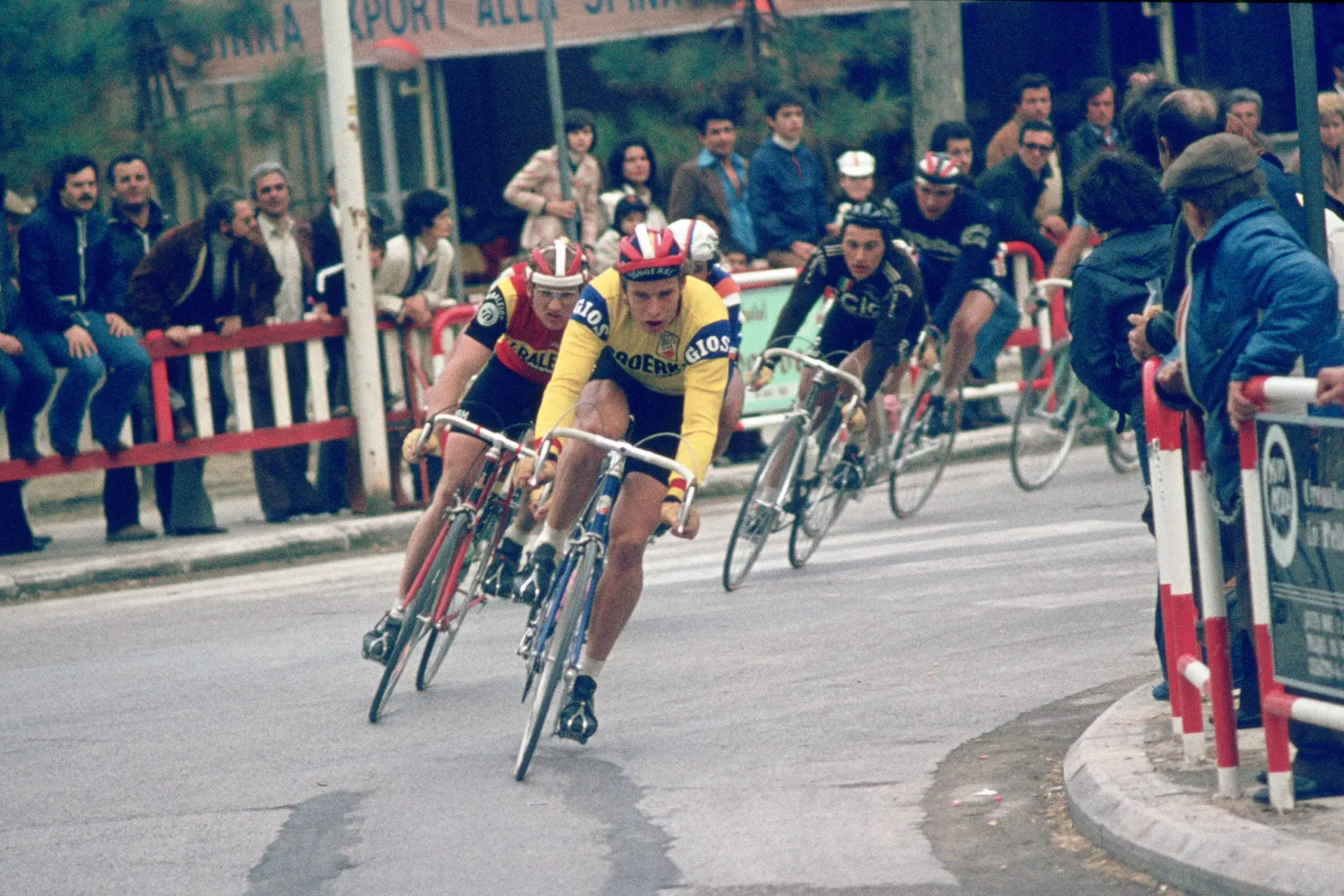
Alain Vigneron, a worker for three legends
Alain Vigneron represents a generation of riders for whom teamwork was an essential part of the job. In the 1980s, when teams had fewer technological resources and strategy relied heavily on riders’ experience, domestiques had to handle countless situations on the fly. Positioning, controlling breakaways and protecting the leader all required constant reading of the race.
His name is linked to three defining figures of that era: Bernard Hinault, Laurent Fignon and Greg LeMond. Working for champions of that calibre meant adapting to different ways of racing and meeting the demands of leaders with very different personalities and sporting qualities. A good domestique does not impose his own strategy; he understands what the team needs at each moment and acts accordingly.
Vigneron’s story is a reminder that elite cycling is also built away from the spotlight. While the great champions battled for the yellow jersey, other riders had to control the peloton, chase down breakaways and keep the team organised on the toughest days. His profile embodies the tradition of versatile riders who brought hard work, discipline and reliability. Their worth may not always show in the palmarès, but they are essential to understanding how historic teams functioned.
Marino Alonso, indispensable support for Miguel Indurain
Marino Alonso was one of the riders who helped Banesto work as a unit during Miguel Indurain’s golden era. The Spanish rider dominated the Tour de France with five consecutive victories from 1991 to 1995, a feat that would have been far harder without a team capable of protecting him through every phase of the race. At a time when time trials carried great weight and the high mountains decided the general classification, keeping the group organized was essential.
Banesto’s domestiques had to keep Indurain well positioned, control dangerous situations and help him stay calm when the race reached its most tense moments. The Navarrese champion’s particular strength against the clock required his teammates to minimise risks and prevent rivals from exploiting any situation that could threaten his advantage. Indurain’s individual strength was thus complemented by collective discipline.
Alonso represents a generation of Spanish riders whose contribution to success was measured by both their physical ability and their commitment to the leader. In the Tour, where every stage presents a different challenge, having riders ready to take on supporting roles can separate a competitive team from one capable of controlling the race. Indurain’s reign was the result of exceptional talent, but also of a structure that supported him through five consecutive summers. That is the essence of a domestique: working so someone else can make history.
Javier RampeCycling Journalist
Javier Rampe is a sports analyst with more than 15 years of experience. He holds a degree in Economics from the University of Rome and a Diploma in Business Studies from the University of Cádiz. Despite coming from an academic background not particularly associated with cycling, his passion for both cycling and journalism was instilled in him from an early age. He grew up following Miguel Indurain and José María “El Chava” Jiménez. An admirer of Michael Robinson’s communication style and journalistic approach, he was inspired to pursue a degree in Journalism at the University of Buenos Aires, which he is currently completing.
He has always maintained close ties with the worlds of sport and culture, contributing from a young age to sports blogs and film and music review websites. His work has appeared in media outlets such as Cope, RAI, and Radio Con Vos. He is also the founder of the cycling-focused podcast El Contraanálisis and the football interview channel Días De Fútbol, dedicated to conversations with professional footballers.
In addition to his work at Ciclismoaldia, Javier has interviewed some of the most influential figures in modern cycling, including Alejandro Valverde and Tadej Pogačar, as well as key voices in anti-doping policy such as Alberto Yelmo, David Varillas, and Marcelo Milano. Marcos Maynar, in relation to the ‘Operación Ílex’ case, is also among the personalities he has interviewed. He enjoys conducting in-depth analysis of the cycling ecosystem and has attended major events such as Strade Bianche, the Vuelta a Andalucía, and Itzulia, as well as numerous national cyclo-cross races.
His background in economics, combined with extensive experience in marketing and corporate communications, drives his continuous study of positioning strategies and ensures that he always keeps his focus on crafting compelling and evocative headlines.
claps 0visitors 0
Just in

Popular news
Latest comments
- Roglic could not have won anyway, after Jonas followed him when Roglic decided it was his turn for a stage win. Jonas had already attacked Kuss twice, so it was Jonas who was within seconds of taking the lead before Kuss was 'gifted' the win. It felt a bit like Roglic was being thrown under the bus when the team made his unhappiness public.Hills3314-11-2026
- POG1, another nice doc about our favourite, I watched most of it with a big smile on my face (except for the bits about his crashes 😢 obvs!).Lozza14-11-2026
- Martinez had a good year! 5th at the Tour was a great result for him, albeit largely through getting in successful breaks, but he held it better than Pidcock who’d done the same.Lozza14-11-2026
- guess what Valgren, you're 34, and no you're not good enough. sorry to say.mij14-11-2026
- I'm a sepp fan and like to think he earned that LOL, indulge me : ) I think Jonas was fine. Roglic did not want to concede to Sepp. and I don't think you ever attack your own teammate in the leaders jersey if he is holding his own, which Sepp just about was.mij14-11-2026
- enough time? he's 24 years old. He's won 10 races over the last 2 years and some are significant. I won't argue about his attitude being good - it needs to improve. But with some coaching and mentorship he has a lot of winning ahead of him and has plenty of time to win a GT. I don't think he will ever beat Tadej, but everyone else is fair game Look at Mas and Valverde - they were 31 and 29, respectively, when they won the Vuelta.mij14-11-2026
- Pogacar has a fine head on his shoulders.Careful investments and a couple of coffee shops sounds like a wonderful way to chill after an intense career.Stay healthy GOAT.
 Brucegel14-11-2026
- I live in Maribor.PogiSloFans14-11-2026
- I live in Ljubljana and often go on trips in the surrounding area, where I frequently see young cyclists in 'Pogi Team' jerseys training, either alone or in groups. By simply motivating so many young people to take up cycling, Tadej has already achieved something truly significant.Velijo14-11-2026
- That's an excellent point. It's interesting that Vader came to that realization only after he learned that his contract wasn't going to be renewed.
 santiagobenites14-11-2026
Loading
1 Comments