Even Tadej Pogacar, Jonas Vingegaard and Mathieu van der Poel can't solve their teams' problem - Their dominance brings up an uncomfortable question
Cycling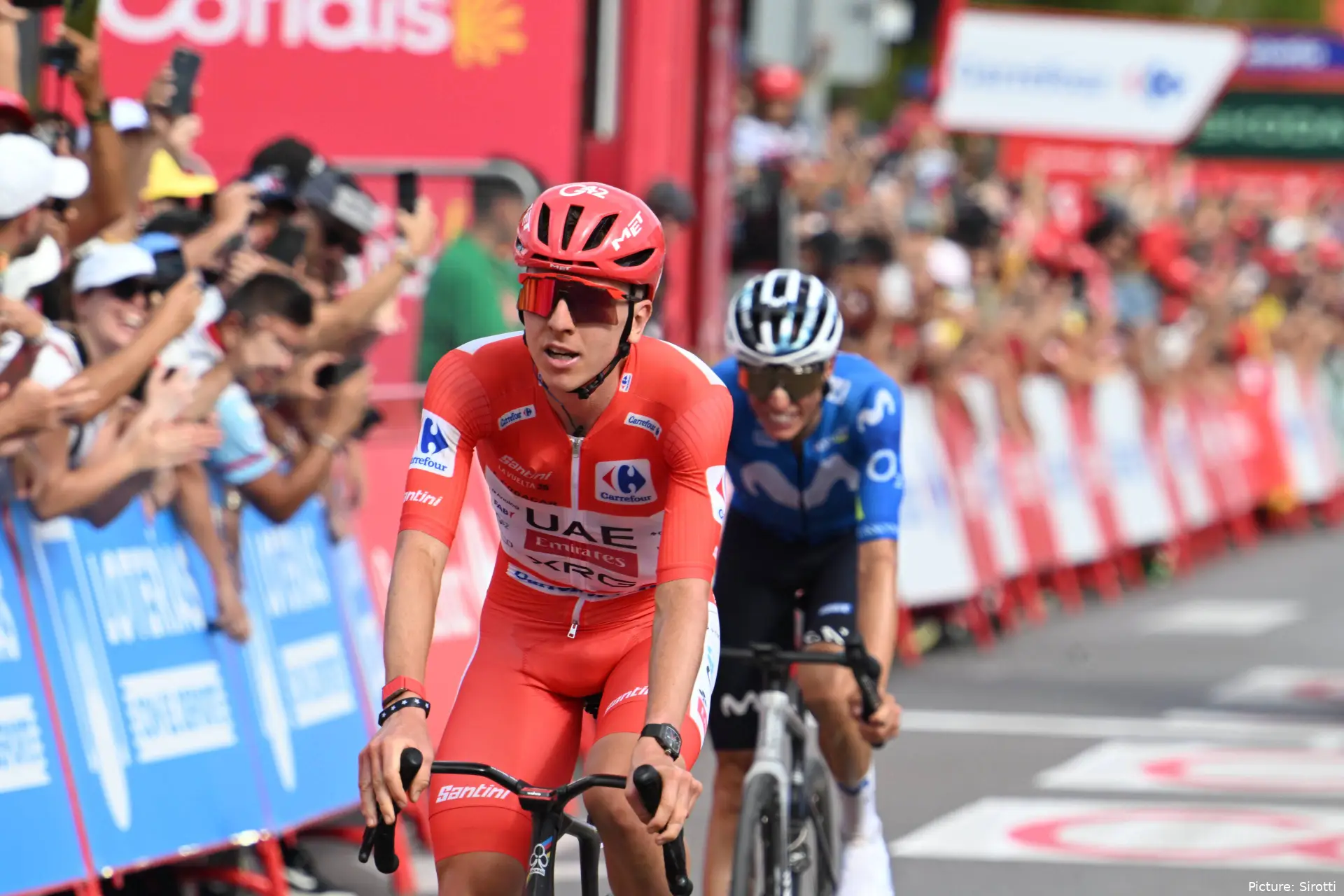
The dominance of Tadej Pogacar, Jonas Vingegaard, Remco Evenepoel and Mathieu van der Poel has raised the bar in professional cycling. It has also left their teams with an uncomfortable question: what happens when their biggest leaders are absent?
The 2026 season has once again shown that the sport’s biggest stars can make a huge difference. Yet the UCI rankings reveal another reality: some teams depend far more on a single rider than they might appear to.
An analysis published by Domestique last month measures just how much the leading riders carried their teams’ results in 2026. The figures make for striking reading. Tadej Pogacar contributed 30.1% of UAE Team Emirates-XRG’s points, Remco Evenepoel accounted for 28.2% of Red Bull - BORA - hansgrohe’s, and Richard Carapaz represented 28.3% of EF Education-EasyPost’s total.
That is not necessarily a bad thing. Having a star capable of accumulating thousands of points is a major competitive advantage. The problem comes when a team lacks enough alternatives to maintain its level if that rider is injured, loses form or leaves the squad. That is where the differences between the peloton’s strongest teams become particularly interesting.
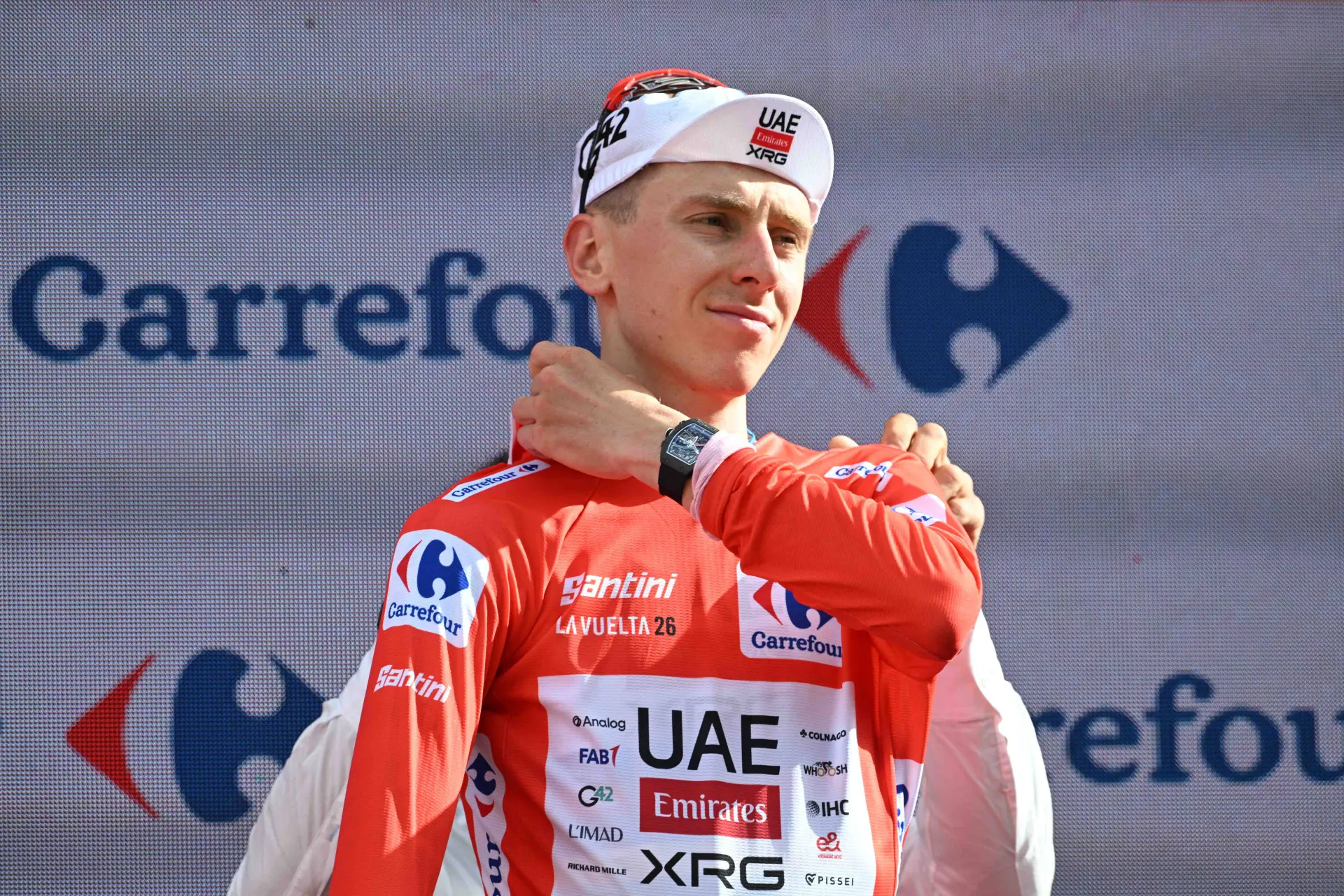
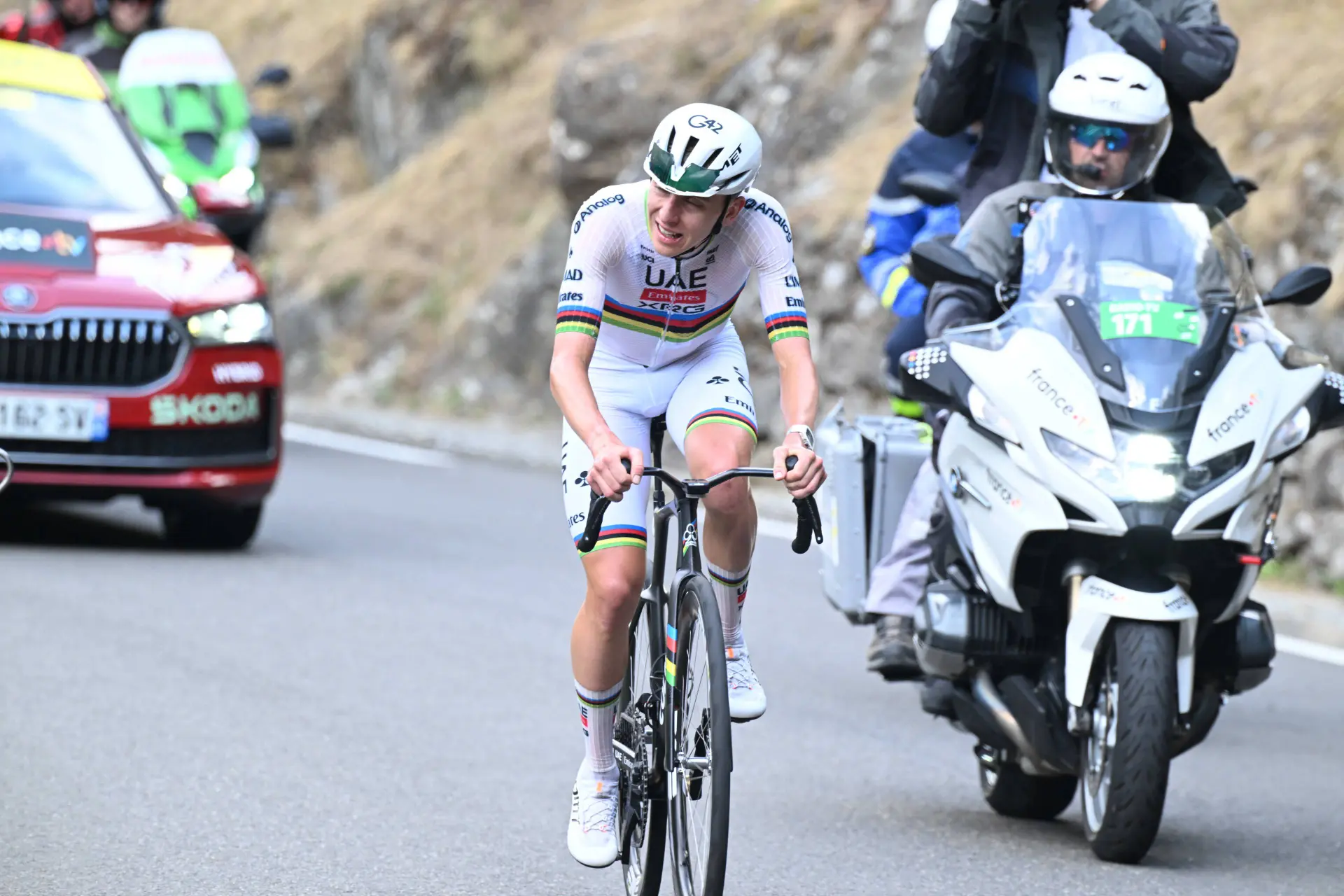
UAE Team Emirates-XRG finished 2026 as the world’s top-ranked team, with 30,982.1 UCI points. That put them more than 5,000 points clear of second-placed Red Bull-BORA-hansgrohe. Tadej Pogačar was once again the main force behind that dominance, scoring 9,331.75 points, or 30.1% of his team’s total.
That figure might suggest UAE rely too heavily on the Slovenian, but such a conclusion would be incomplete. Isaac del Toro ended the year with 5,606.46 points, while Brandon McNulty added 2,710.89. What is more, 20 different riders from the Emirati team won races on the international calendar in 2026.

Tadej Pogacar
Pogačar carries UAE, but he is not the only winner
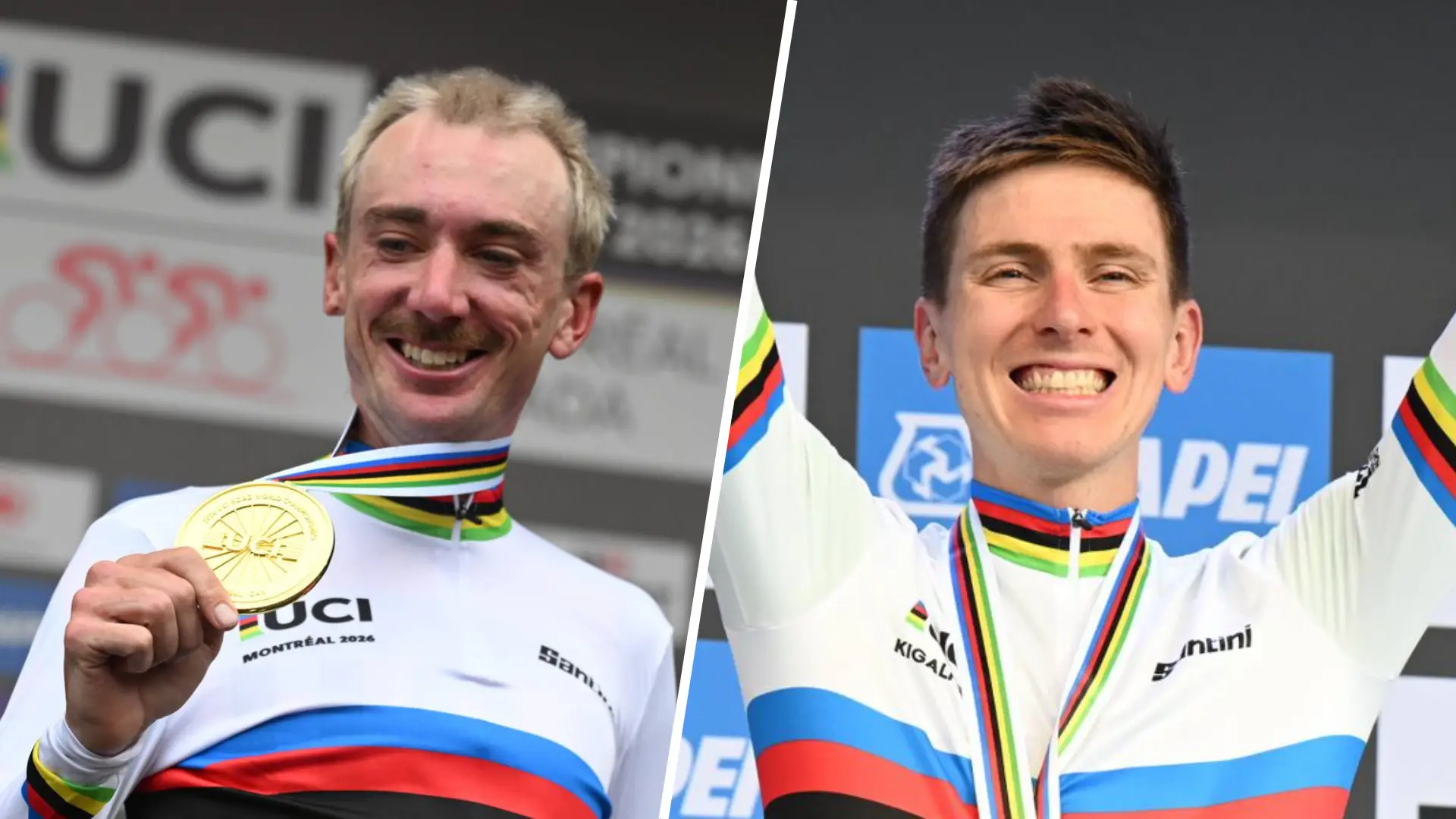
The squad’s depth was especially clear after a crash ruled Pogačar out of the Vuelta a España and prevented him from riding the World Championships. Brandon McNulty became world champion in Montreal, while Del Toro also finished in the top five. UAE remained in the spotlight even without its leading rider.
Pogačar remains almost impossible to replace given his ability to win Monuments, Grand Tours and week-long stage races. But the team has built a squad that can keep scoring when he is absent. That is the difference between having a dominant star and relying on one exclusively.
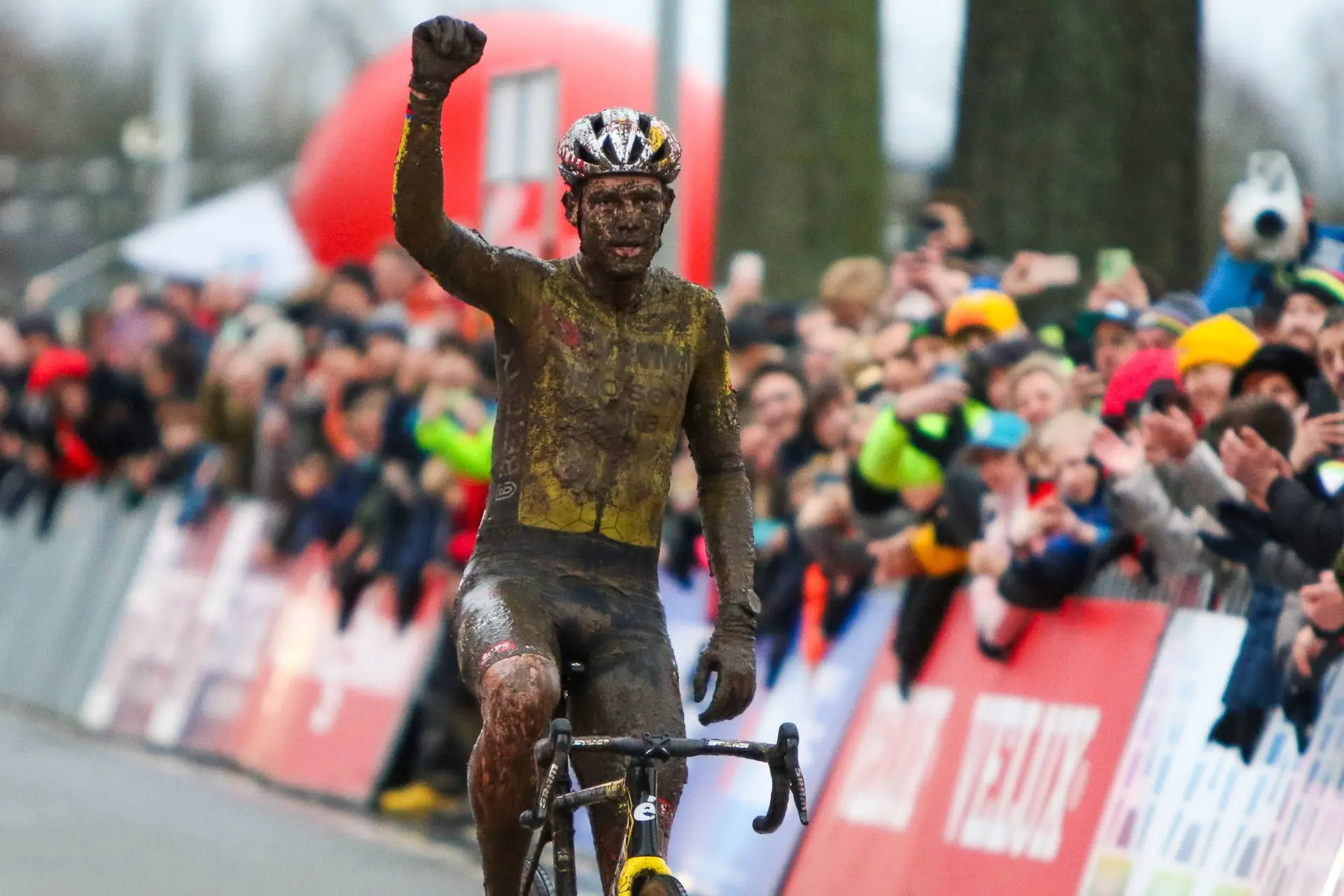
One of the most striking cases is Alpecin-Premier Tech. Jasper Philipsen was the team’s top points scorer in 2026, with 3,665.62, or 31.6% of its total. Mathieu van der Poel was close behind, with 3,404.62 points, equivalent to 29.3%.
Together, they scored 60.9% of the Belgian team’s points. They also claimed 18 of the squad’s 21 victories during the season, an extraordinary concentration of results in just two riders.
There are two ways to read the situation. Alpecin has two of the peloton’s most decisive riders, capable of winning on very different terrain. But the simultaneous absence of Philipsen and Van der Poel would be a serious blow, one that would be difficult to offset.
The team has found a winning formula with both riders, but the rest of the squad must continue to deliver results. Otherwise, any setback for its two leading figures could have far-reaching consequences.

Remco Evenepoel, one of the peloton’s biggest stars in 2026.
Red Bull-BORA shows that a star can thrive in a deep squad
Remco Evenepoel’s arrival at Red Bull - BORA - hansgrohe has had an immediate impact. The Belgian scored 7,191.61 UCI points, accounting for 28.2% of the team’s 25,464.59-point total as they finished second in the world rankings.
Those are huge numbers, but the German team’s collective performance also deserves attention. Red Bull-BORA recorded 44 victories in 2026, the best season in its history, with 15 different riders sharing those wins.
Evenepoel was the leading figure, with ten individual victories according to ProCyclingStats, but he was far from alone. Laurence Pithie claimed six wins, Jordi Meeus added four and Giulio Pellizzari also finished with four. Florian Lipowitz and Lorenzo Mark Finn contributed other important results.
Unlike other teams, Red Bull-BORA does not need Evenepoel to win every week to remain among the best. His presence raises the team’s competitive ceiling, but the depth of the squad allows it to share responsibilities.
Visma and Lidl-Trek, two models less reliant on a single rider
The figures for Visma-Lease a Bike and Lidl-Trek reveal two of the most balanced models among the peloton’s leading teams.
Jonas Vingegaard scored more points than any other rider for Visma in 2026, but accounted for just 18% of the team’s total. The Dane amassed 4,160.82 points, while Wout van Aert and other squad members also made significant contributions to the team standings.
The Dutch team does not need Vingegaard to race every event to achieve results. Van Aert can lead in the Classics and one-day races, while other riders are capable of targeting stage-race victories. This variety of strengths reduces the team’s reliance on a single leader.
Lidl-Trek’s points were spread even more widely. Giulio Ciccone was its top scorer, but accounted for only 14% of the team’s points. The American team finished fifth in the UCI rankings with 19,361.68 points, showing that its performance did not hinge on one rider.
That does not mean Lidl-Trek has fewer stars or that its leaders are less important. It means the team has several ways to achieve results, with points more evenly distributed across the squad.
Here are some of the most notable figures from the analysis, based on the UCI points earned by teams and their riders in 2026:
The rankings reveal which teams rely most on their star rider
| Team | Top scorer | Rider’s points | Share of team total |
| Alpecin-Premier Tech | Jasper Philipsen | 3,665.62 | 31.6% |
| UAE Team Emirates-XRG | Tadej Pogačar | 9,331.75 | 30.1% |
| EF Education-EasyPost | Richard Carapaz | 3,031.12 | 28.3% |
| Red Bull-BORA-hansgrohe | Remco Evenepoel | 7,191.61 | 28.2% |
| Decathlon CMA CGM | Paul Seixas | 5,580.38 | 27% |
| Movistar Team | Enric Mas | 2,798.14 | 26% |
| Visma-Lease a Bike | Jonas Vingegaard | 4,160.82 | 18% |
| Lidl-Trek | Giulio Ciccone | 2,728 | 14% |
| Netcompany INEOS | Thymen Arensman | 1,499.75 | 11.7% |
The table points to an interesting conclusion: the most powerful teams are not always the least reliant on their stars. UAE and Red Bull-BORA have leaders who account for a significant share of their points, but both also have squads capable of delivering results in their absence. At the other end of the scale, Alpecin relies heavily on Philipsen and Van der Poel, even though the team’s overall performance has been outstanding.
EF Education-EasyPost also stands out. Carapaz contributed 28.3% of its points before leaving for NSN Cycling Team ahead of 2027. His departure means losing not only a leader, but also a considerable share of the team’s points from the season. The American team will need to find new ways to make up for that loss.
Having a star is not the problem; having no alternatives is
Cycling has always relied on its great champions. Teams need riders who can win the biggest races and score points at decisive moments. The problem comes when the gap between the leader and the rest of the squad becomes too large.
The 2026 season shows that there are several ways to compete at the highest level. UAE has built its team around Pogačar, but also has Del Toro, McNulty and many other riders capable of winning. Visma shares responsibility between Vingegaard, Van Aert and the rest of its squad. Lidl-Trek, meanwhile, has achieved a much more balanced spread of points.
Read also
By contrast, Alpecin and EF illustrate the risks of concentrating so much of a team’s performance in one or two riders. For the American team, Carapaz’s departure makes that reliance an even clearer concern heading into 2027.
The big question in the years ahead will not simply be which team has the world’s best rider, but which has enough alternatives to keep winning when its star is absent. A season can change because of an injury, a crash or a spell of poor form. The teams with more answers will be best equipped to withstand those setbacks.

Jorge BorregueroWriter
Jorge Borreguero is a journalist with a degree from the Complutense University of Madrid and has been a writer for Cyclinguptodate and Ciclismoaldia since early 2023. In this role, he has played a key part in the evolution of the website, particularly as a specialist covering Movistar Team. He regularly writes race reports, analytical pieces, and in-depth features about the team, and has conducted exclusive interviews and attended multiple team presentations, providing readers with firsthand insights into one of the leading professional cycling squads.
Throughout his career, Jorge has maintained a strong focus on sports journalism, gaining experience across a variety of disciplines, including basketball and football. However, his current work is almost entirely dedicated to cycling, contributing extensively to Ciclismoaldia and its sister website Cyclinguptodate. For these platforms, he combines thorough research with detailed reporting to deliver high-quality content, ranging from race previews and results to expert analysis of teams and riders.
Jorge’s reporting is marked by accuracy, depth, and a commitment to providing readers with reliable and authoritative information. His direct engagement with teams, athletes, and events ensures that his coverage reflects firsthand knowledge and professional insight. Through his work, he has established himself as a trusted voice in professional cycling journalism, bridging the gap between the sport and its global audience while maintaining rigorous editorial standards.
claps 0visitors 0
Just in
Popular news
Latest comments
- By contrast, American Brandon McNulty won the men's 2026 World Championship road race, but I haven't heard him chirping about how now maybe things are going to be different at UAE because of it. He seems like a pretty humble guy, and though he may still get his chances next season, I expect we will see him in the rainbow jersey doing everything he can to help Pogi. Mads: 12 GT stages, a green Jersey, the points jersey, 5 Semi Classic wins and a Rainbow Jersey. Quinn: 0. ... Mads is a top 5 classics rider in the world. Quinn: Water Boy... Maga Quinn couldnt tie Pedersens shoe laces. He aint gonna be leading any TDF squad anytime soon. Maybe he should get into gravel racing in the US of A, and stay there. Europe cycling doesn't need an american maga Trump voter. Simmons has had rascist remarks a few years ago. Shame on him.PogiSloFans28-11-2026
- Paul Kimmage will be rubbing his hands in glee. Another page on the sports section lol🫣🫣🫣🫣🫣🫣paultryan200228-11-2026
- Cycling is so much harder now. Lots if not most of the peleton are well versed in nutrition and training methods now. The days of Paul Kimmage when the peleton were rather chunky or over weight and not really professional compared to todays riders is long gone. Better bikes equipment and training methods. Sorry Paul as much as i enjoyed your book you did not really come across as a professional rider at all just a good amateur on a mediocre French team at best.paultryan200228-11-2026
- While none of us know if they are doping, I prefer to believe they aren't until it comes out, if it ever does. I think it's a disservice to the top riders who constantly have to defend themselves.awp28-11-2026
- I'm surprised because he seemed pretty happy with things, at least a few years ago. He was saying the racing was believable and the teams were more open than ever.megasmacky28-11-2026
- When?
 Rafionain-Glas27-11-2026
- No need to apologize. You make excellent points!RidesHills27-11-2026
- The cycling world typically doesn't like ambition, and likes deference to team leadership deciding what to race and the team for one's win. It's uncouth, in a way, to be so blunt about desires. But I get it. He wants to win, and claims to be good enough to do so. Of course, there's that middle ground, why not become a second option for Mads? Why do I like this idea? To pick but one race each, one of them has attacked repeatedly in Lombardia, the other has attacked repeatedly in Flanders, and both are great to watch when they do it. One of them is a past world champion, and the other could have been had he not been reeled back in (while the next attack from the US squad wasn't reeled in, and there you go). Meaning: this could be fun, if it happens. Or it could be a disaster, two egos not making space. Who knows, until it happens.RidesHills27-11-2026
- Merckx raced against plumbers and pipefitters. There is no comparison, had Tadej and Jonas been racing in Merckxs' day he would have never won a grand tour.awp27-11-2026
- Is Paul writing another book? He must be..awp27-11-2026
Loading
Write a comment