Remainder of Vuelta a Colombia cancelled - Organisers release statement confirming decision after earthquake strikes country
Cycling
The Vuelta a Colombia has been ended after a devastating earthquake struck the country, leading to all stakeholders making the decision to end the 76th edition of the race prematurely.
A 7.4 magnitude quake struck the country on Monday and 273 people have been killed while hundreds are still missing as the South American's country's infrastructure and emergency services attend to those injured and affected.
Nine stages were planned, but Wednesday's stage 5 proved the final stage with stage 6 cancelled before organisers announced the cancellation. Diego Camarga was announced winner of the general classification after taking victory during the mountain stage.
“In light of the circumstances that arose during the race and the situation the country is currently facing as a result of the recent earthquake in Colombia," the Colombian Federation said in a statement.
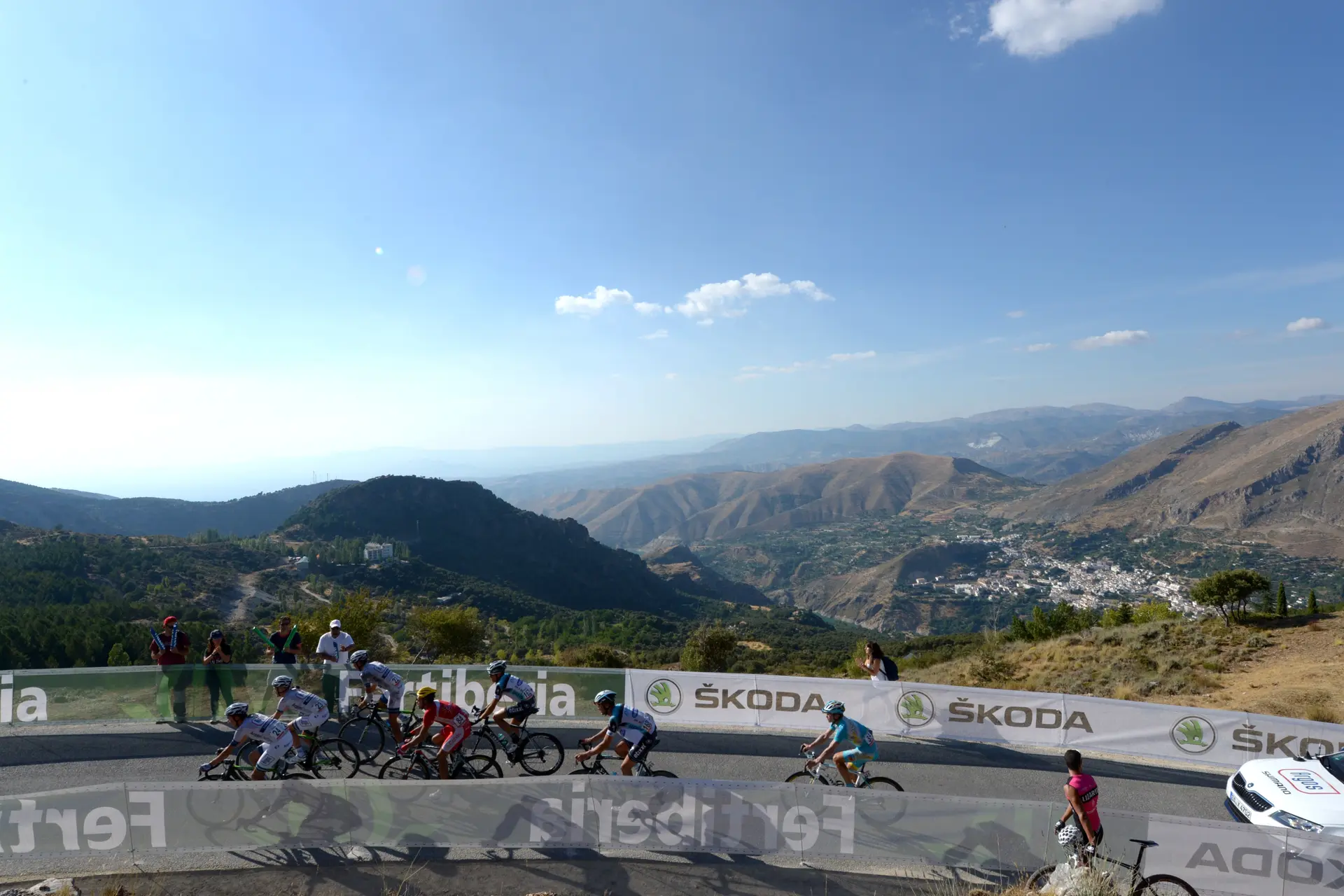
Colombian Cycling Federation releases statement confirming cancellation
"The decision has been made to bring the 2026 Vuelta a Colombia, its 76th edition, to an end."
The route of subsequent stages were interrupted by road access and emergency services availability, the federation said the decision was taken after discussions with road authorities and other parties involved in the race.
The safety of riders, teams, staff, authorities, media and fans were considered among the priorities.
Transport and emergency services need roads open
The road corridor connecting Antioquia, Caldas and Risaralda were among the important factors in the decision and needed to be available for passenger traffic, transport and emergency response following the earthquake.
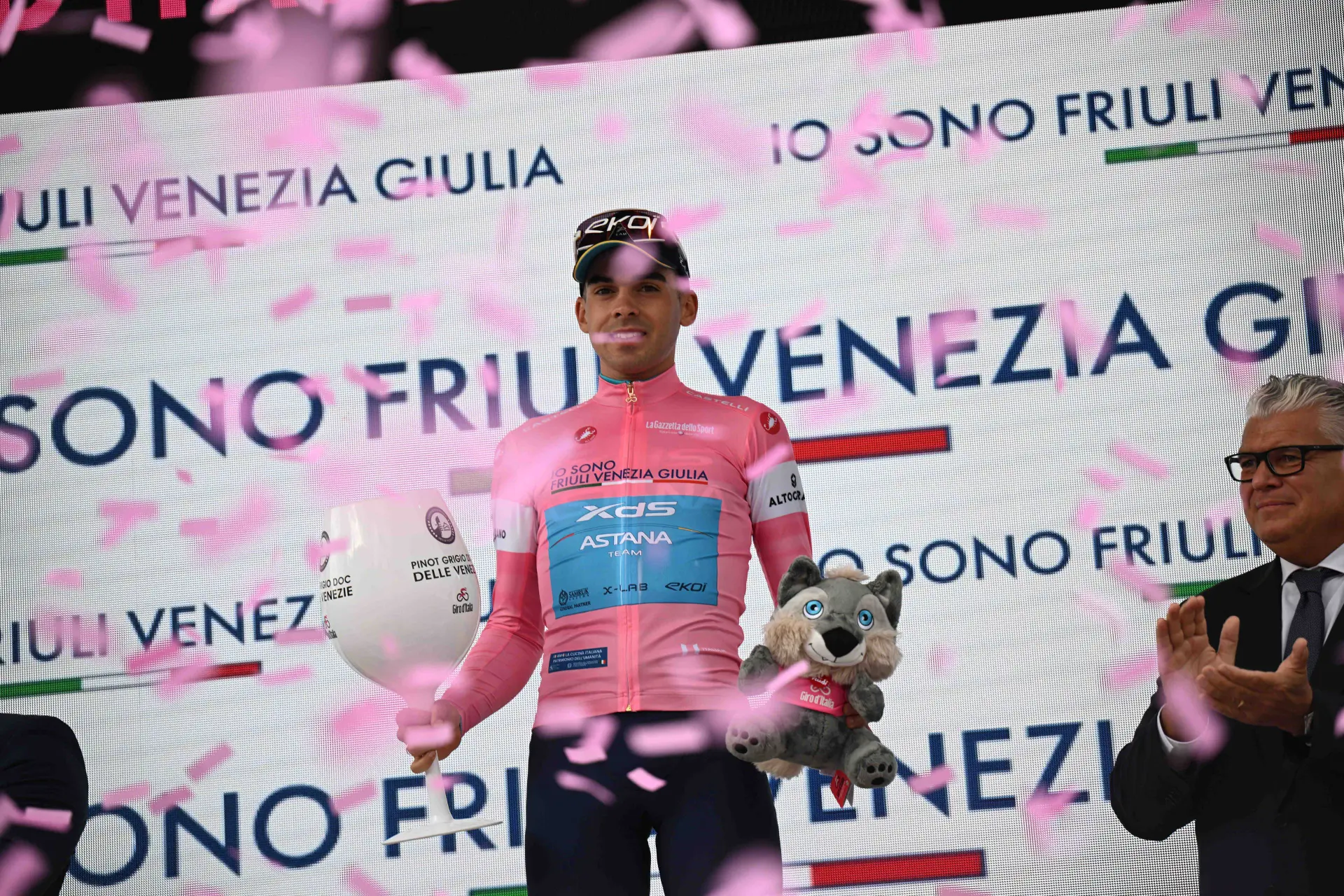
Camargo had taken the lead on Wednesday as he won a notable 165km mountain stage from Ibagué to Alto El Sifón.
With over 4,600 metres of climbing, and a finish above 4,100 metres, the stage caught attention due to the whopping 78.6-kilometer climb at an average of 4.6-percent gradient to the finish.
Gavin QuinnCycling Journalist
Gavin Quinn is a cycling journalist and ultra-distance cyclist with a BA in Journalism from Dublin City University. Formerly the Press & Communications Officer for Cycling Ireland, Gavin has worked inside the national team at the World Championships and has reported for the Irish Mirror, Mirror UK, and The42.
His expertise is backed by elite-level access, having interviewed stars like Sam Bennett and Ben Healy, as well as immense personal endurance. In 2025, he completed a 12,000km solo cycle from Ireland to Vietnam, following a 4,600km tour across Europe. From the cobbles of Paris-Roubaix to the gradients of the Tourmalet, Gavin’s writing focuses on the "romance and brutality" of the sport. Having visited 50+ countries, he brings a global, cultural perspective to his coverage of the pro peloton for CyclingUpToDate.
claps 0visitors 0
Just in


Popular news

Latest comments
- writing about yourself in third person ... please, at least have someone else from your staff author these self-coverage articles!Ketterechts25-11-2026
- Don’t forget Yates’s podium at 2023 TdF!Lozza25-11-2026
- It was stage 14 to Morzine that Carlos Rodriguez won in 2023, not Puy de Dome. And Kwiato actually won the previous stage himself to Grand Colombier!Lozza25-11-2026
- Go Pogi!! 🐐❤️Lozza25-11-2026
- They didn’t have or need “extraordinary information”. All they needed was for a French judge to sign off on the night-time testing for it to go ahead.Lozza25-11-2026
- If the sponsors voted for Primoz then you get him, otherwise not.flyer25-11-2026
- It sure can feel or seem that way but I wonder if the same amount of prodigious performances (compared to the others) would occur if no one was ever doping at all.flyer25-11-2026
- Given the similarity of two articles (published on I think the same date), I'm reusing (copy-n-pasting) my post from the twin: I've always thought the last day of each of the grand tours was problematic mostly in that the GC is considered completed before the race starts when that is not really true. There is some tension, but not desirable tension. What saves the awkward practice is the race finish is legit for those who participate - so it's not wholly different from the other stages. That neutralizations usually make good sense demonstrates their necessity so if that has to be the way to go I agree that the design plan for the neutralization should be completed before the race starts. This years end stage in the Vuelta had one of the best first half's I've seen in that many of the riders looked to be thoroughly enjoying themselves making it a joy to watch. But I think it was slightly closer to the exception rather than the rule.flyer25-11-2026
- Even I often win without being there at all, not even breaking a sweat. Beat that!flyer25-11-2026
- It is not about rest and peaking again - 5 weeks is not enough for that. It is about recovery while maintaining form. 4 weeks is easier for that. With a Giro-Vuelta, the 12 week break is enough to rest and then peak again. Not for the Tour
 Rafionain-Glas25-11-2026
Loading
Write a comment