Movistar Team leaves Nairo Quintana out in the cold: did the Colombian deserve to be left out of the Vuelta a Espana?
Cycling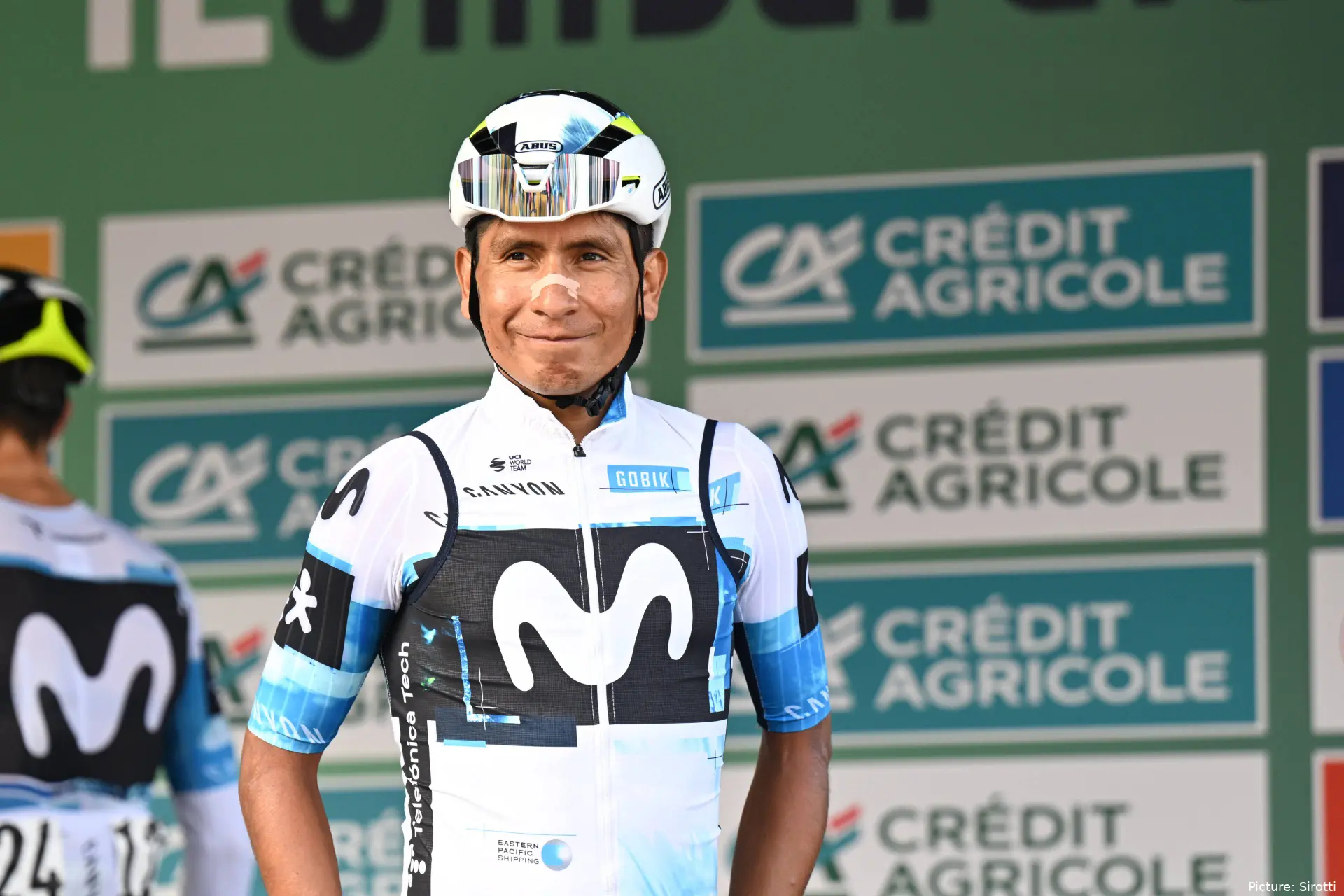
Nairo Quintana will not race the Vuelta a España 2026. Movistar Team’s decision leaves the Colombian out of what could have been his last Grand Tour, precisely in the year when the Giro d’Italia and Vuelta a España champion approaches the final stretch of his professional career.
There is a sporting explanation for the absence. Quintana no longer delivers the same level as in his peak years, and this season he has struggled to compete at the highest level in marquee races. However, his form in lower-category events and, above all, his victory at the Vuelta a Asturias showed he can still make a difference in specific scenarios.
Movistar also faces an especially important Vuelta. After a difficult season in the Grand Tours, Eusebio Unzué’s structure needs to project a competitive image in Spain. Enric Mas and Cian Uijtdebroeks are the standout names for the overall, while the rest of the roster will have to take on very defined roles.
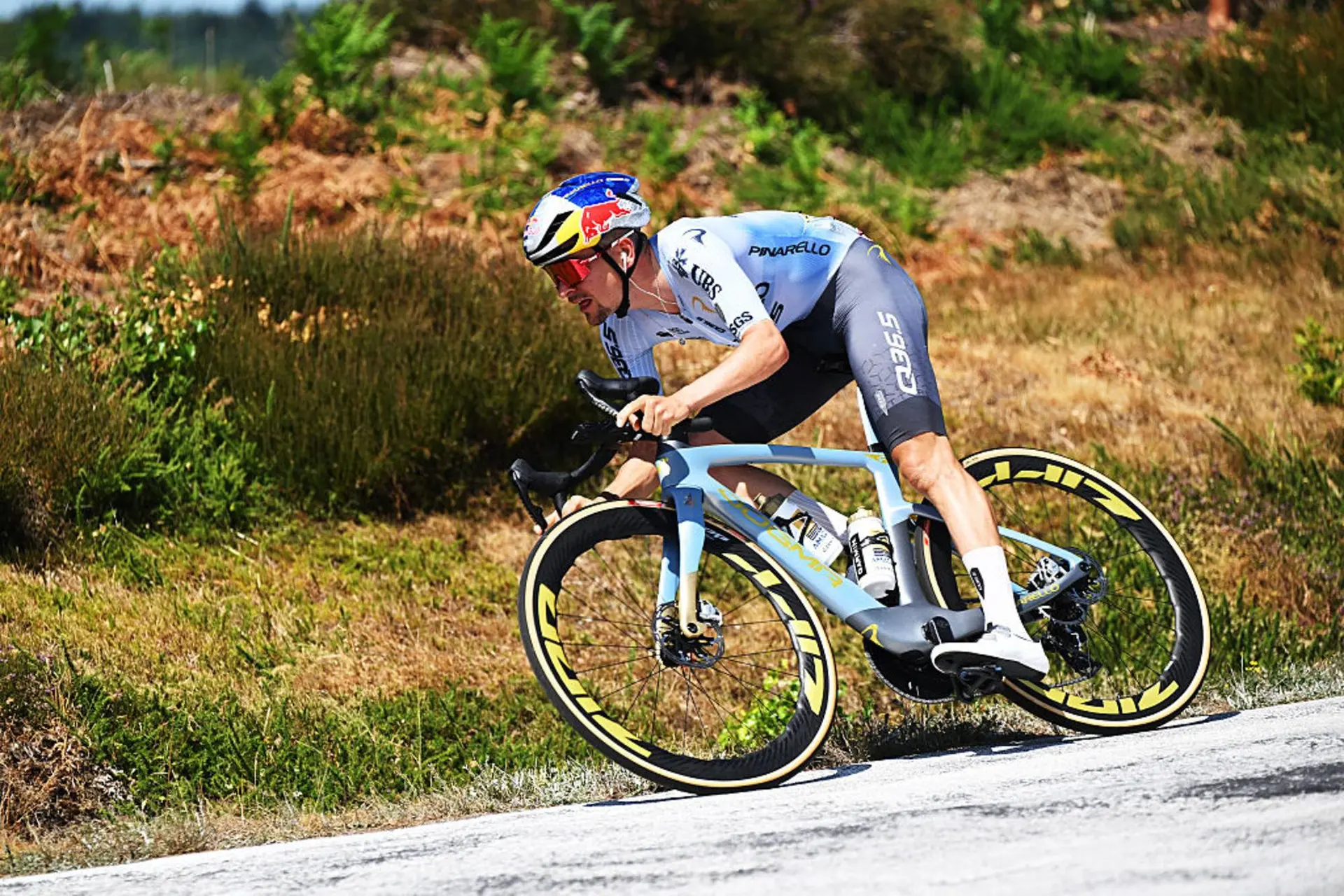
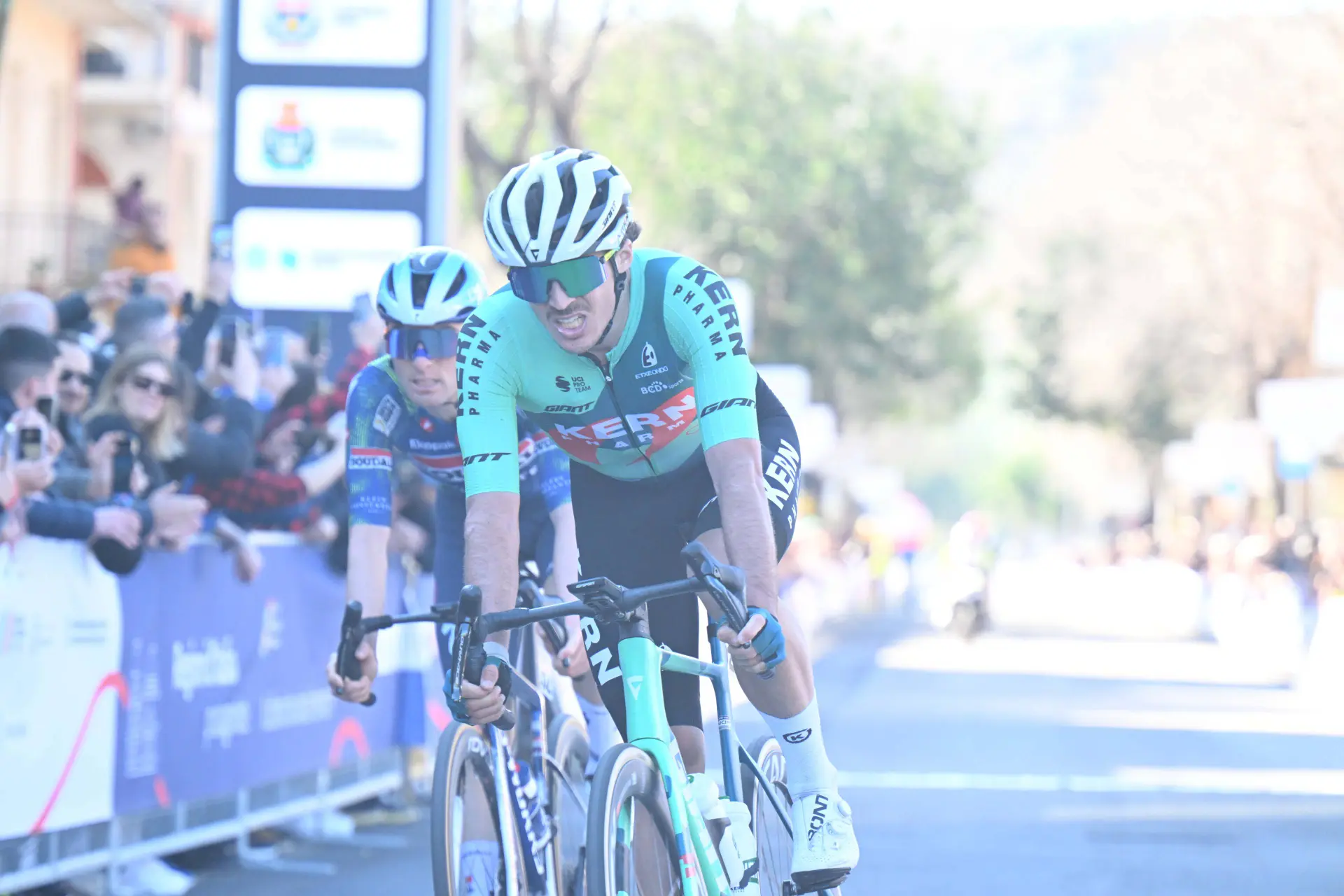
Juan Larra acknowledges that, from a strictly sporting point of view, the decision not to take Nairo is understandable. "I was very clear that, from a sporting perspective, it wasn’t a good idea," he explains. The reason is that the Colombian has not shown his best version in the major races he has contested this year.
Read also
"Nairo is no longer up for that"
The issue is that the Vuelta is not only about immediate performance. For Movistar there is also a symbolic dimension. For years, Nairo was the team’s standard-bearer in three-week races, and his farewell could have had one last chapter precisely in the race he won in 2016.
The debate becomes even more interesting when assessing what Quintana could have added. It would not be about asking him to fight for the general classification or take on the leader’s role. His function could have been much more specific: get into breakaways, chase a stage win, or provide support at key moments in the race.
Larra believes Movistar needs two clear blocks for the Vuelta: riders to protect their leaders and riders free to hunt stage wins. "Nairo is no longer up for that," he says of the first task, though he insists the team must secure riders capable of winning stages.
Javier Rampe, however, takes a different stance. For him, age and physical decline should not have prevented Quintana from receiving a last opportunity. The Colombian has still shown he can win races and, above all, compete on certain terrains.
"He could fight to win from the break"
"I personally would take Nairo to the Vuelta a España," says Rampe. His argument is that Quintana, although far from his peak, could still play a role similar to other riders on the roster. The key would be to reset expectations and not ask him to contest the GC.
The question is whether Quintana himself would be willing to accept that secondary role. His statements this year point in that direction. The Colombian has already admitted he is not there to fight for top spots in the general classifications, but that does not mean he cannot seek chances in breakaways.
Rampe outlines a very specific scenario: a mountain stage with a large break, riders far down on GC, and freedom to race for the win. In that context, Quintana’s experience could become a weapon. "Yes, perhaps Nairo Quintana could fight to win," he argues.

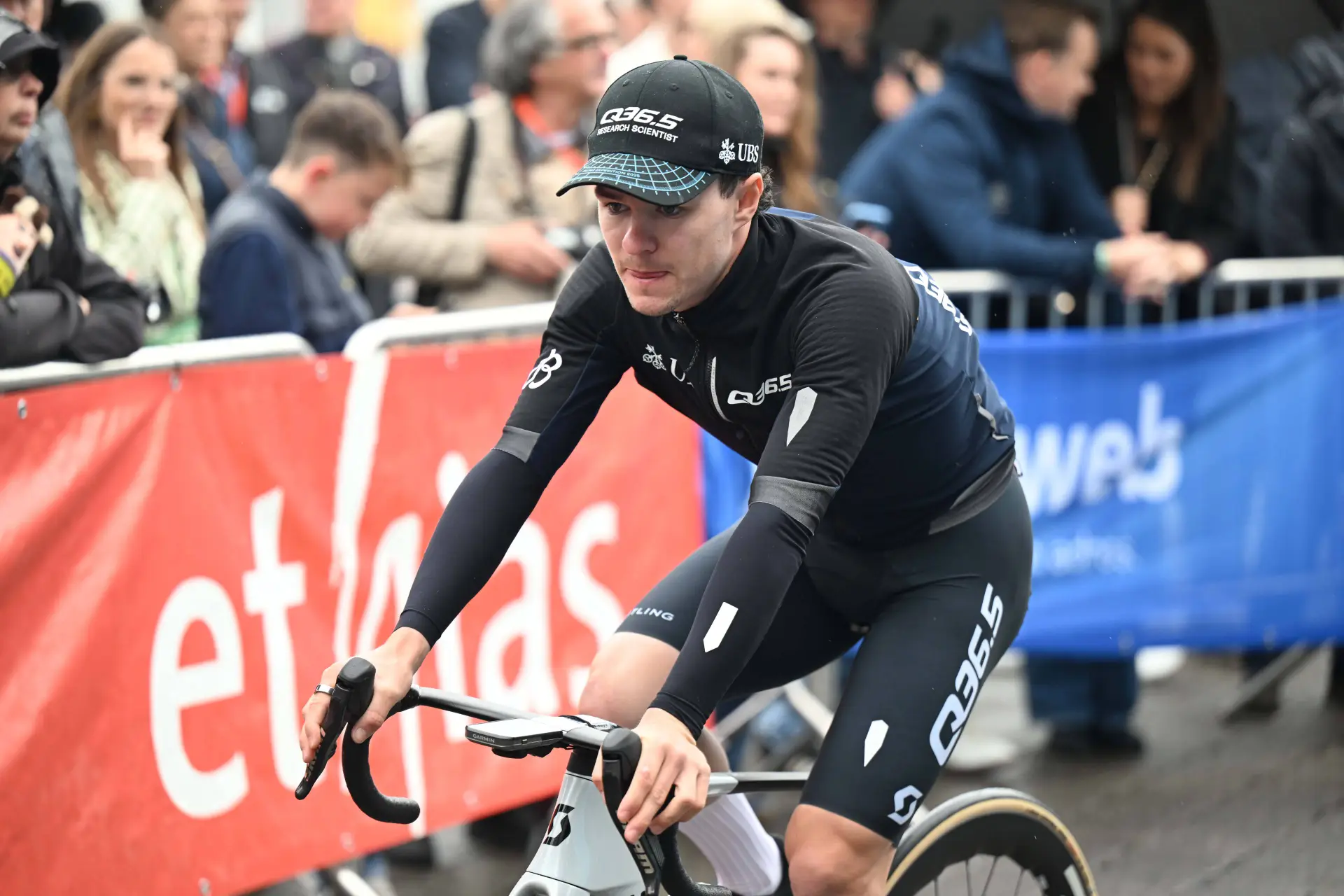
Nairo Quintana crosses the line at the 2026 Tour de Romandie
That is why the decision brings a measure of frustration. It is not about assuring that Quintana would have won a stage or claiming he would have been decisive for Movistar. It is about asking whether the team could afford to gift him one last Vuelta, to the rider who for years was its leading reference in the Grand Tours.
"Why deny him that last dance, his final bow?" asks Rampe. For him, the Vuelta would have been a perfect chance to close a historic career, although he admits a three-week WorldTour race may be too demanding for the Colombian at this point.
Moreover, the immediate future does not offer many alternatives. If Quintana misses the Vuelta, finding a race with similar characteristics before his retirement will be difficult. Germany might have been an option, but he will not be there either. Movistar’s remaining calendar leaves few clear choices for a farewell worthy of his trajectory.
Rampe goes further, arguing that his absence represents a loss of quality for Movistar. "I think he is at a better level than many others still active within that structure," he says, comparing Quintana’s current potential with some riders who could still get opportunities in other team races.
The competitive context does not fully support the decision either. Movistar will face a Vuelta with an exceptionally strong field and several podium contenders. The pressure on Enric Mas and Uijtdebroeks will be intense, and the team will need to get its strategy right.
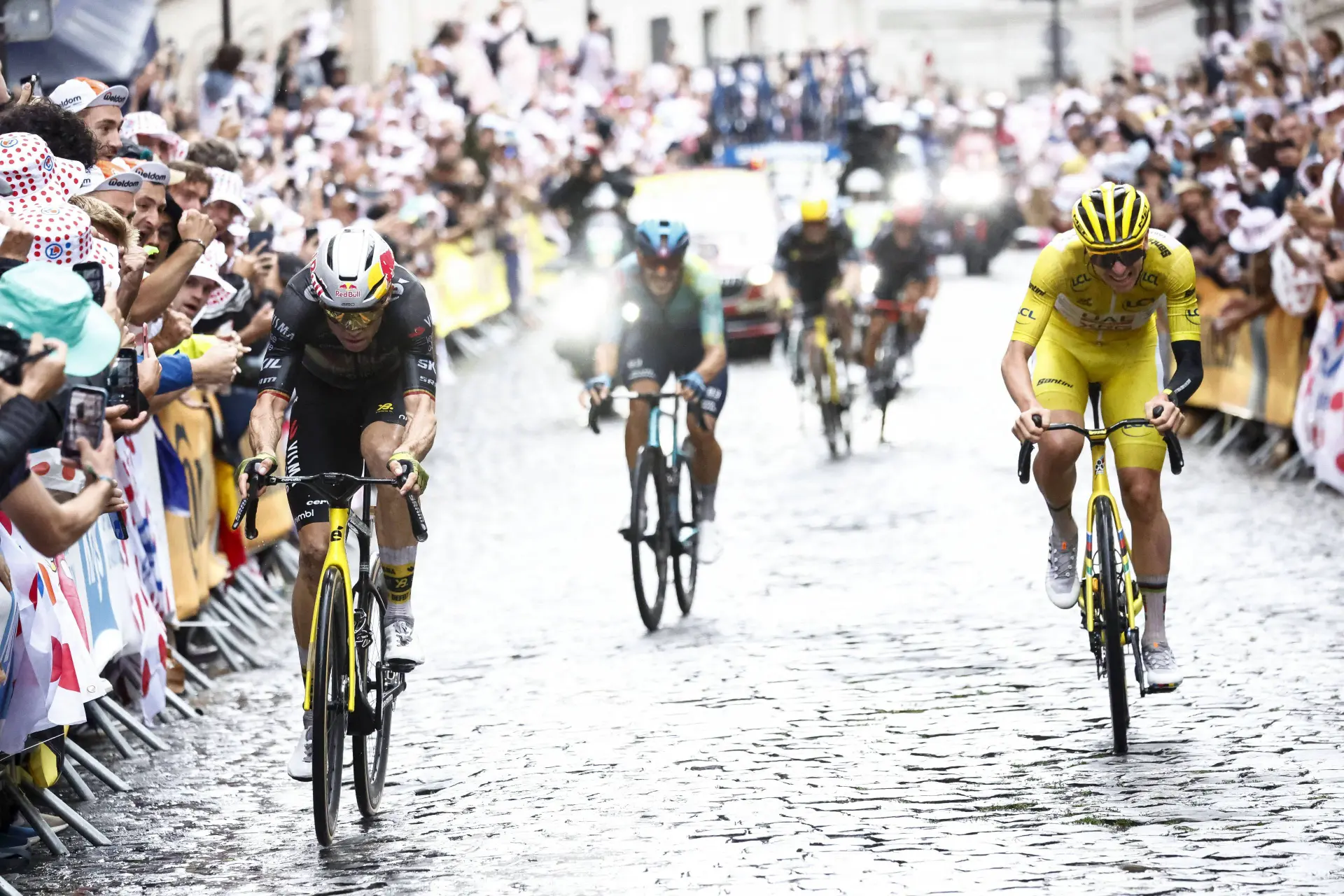
Movistar Team’s last great Grand Tour specialist to miss the next Vuelta
Precisely for that reason, Quintana’s figure could have made sense from another angle. Without pressure for the GC, he might have had freedom to target a break and seize a stage opportunity. It was no guarantee, but it was a possibility.
What remains now is a more emotional question: what will be Nairo Quintana’s last dance? Rampe believes he could still compete in an Italian race before saying goodbye for good.
Whatever the setting, his exit from Movistar’s structure will not include one last Vuelta. And that leaves a strange feeling: the rider who took the team back to the top of the Grand Tours will not be able to close his story in the Spanish race wearing the telephone jersey.
For Rampe, Quintana remains "the last great Grand Tour specialist" that Movistar has had. Larra agrees on his historical stature and recalls his victories at the Giro and the Vuelta, and his Tour podium.
Perhaps that is why this decision goes beyond a simple selection debate. It is a question of performance, yes, but also of memory and recognition. Nairo is no longer the rider who won the Giro or fought Chris Froome at the Tour. But he is still Nairo Quintana. And his last dance, wherever it is, at least deserved the chance to have been at a Vuelta a España.

Ondrej ZhasilCycling Journalist
Ondřej Zhasil is a cycling journalist at CyclingUpToDate and has been part of the team since 2023. He is based in Ostrava, the third-largest city in the Czech Republic, and covers professional cycling across the main UCI competitions, including the Tour de France, the Giro d’Italia, and La Vuelta a España. A key focus of his work is startlist analysis and pre-race coverage, where he examines team selections, rider line-ups, and tactical scenarios ahead of major events.
Alongside WorldTour coverage, Ondřej has developed specific expertise in junior cycling and in racing across East Asia, including competitions in China and Japan. He also maintains a broad working knowledge of other disciplines and levels, including cyclocross, while continuing to expand his understanding of mountain bike racing.
Ondřej holds a bachelor’s degree in Mathematics and Physics, which supports his analytical, data-driven approach to performance and race analysis. In his reporting, he regularly uses ProCyclingStats for results, statistics, and historical context. He places strong emphasis on careful sourcing, editorial accuracy, and updating articles promptly when new, verified information becomes available.
claps 1visitors 1
Just in

Popular news
Latest comments
- Noted. But I had to appease his fans.MajorPayne19-10-2026
- I wonder if he'll race Challenge Mallorca
 Rafionain-Glas19-10-2026
 - Head to head time-splits: Jay Vine vs Remco Evenepoel: 10.5 km - Vine lost 45 seconds to Evenepoel 34.2 km - Vine lost a further 1:10, and was caught in the vicinity of that checkpoint. Note: I remember Vine getting caught before the second checkpoint, and ProCyclingStats log supports that, however, the gap at the second checkpoint was less than 2 minutes. 45.4 km - Vine lost only 16 seconds Of course, Vine lost less time in the middle section than the early section, but at the final segment rate, he'd have lost 15 seconds in the opening section and and 34 seconds in the middle. It is possible that Vine paced himself very well but that seems unlikely. In comparison with Stefan Küng: Kung lost: 26 seconds at T1. A further 1:11 by T2. A further 40 seconds by the finish. Relative to Evenepoel, Küng did slow down by the end. Maxime Decomble: Lost 47 seconds at T1. A further 1:20 by T2. A further 26 seconds by the finish. Mikkel Bjerg: Lost 37 seconds at T1. A further 1:34 by T2. A further 46 seconds by the finish. It is not concrete evidence that Vine cheated though it certainly doesn't absolve him. However, watching the race, I am 100% sure that Vine did not pull over and follow a different line when Remco passed him. Remco pulled away quite quickly, but the gap did not balloon and Vine definitely got aero assistance.Rafionain-Glas19-10-2026
- That ship has sailed years agovappaxbipmv19-10-2026
- He doesn't have to. I'd be perfectly happy if he loses SB if he then wins everything elsevappaxbipmv19-10-2026
- Please don't put Remco in the same sentence as Tadej. It's disrespectful to Tadej. Please make a note of this.KissinKate19-10-2026
- ....and you just described how americans are fleecing american fans as well. We don't even get the eurosport coverage you get. What you see on yurrup HBO is not available in this country. Trust me, being a cycling fan sucks everywhere.KissinKate19-10-2026
- While media outlets point to the loss of Richard Carapaz, Kasper Asgreen, and rising talents like Steinhauser as a sign of trouble, this is actually classic EF Pro Cycling tactical pivot at play. Operating on less than half the budget of state-backed super-teams, Jonathan Vaughters smartly maximized Carapaz’s return on investment by turning high salary and health setbacks into Tour stage wins, Yellow, and the Polka Dot jersey, before freeing up vital capital when his valuation peaked. Let us be completely honest here: Carapaz’s departure to NSN is strictly about securing one final massive payday before calling time on his career, rather than building a lasting sporting legacy. EF built a squad around him and gave him tactical freedom that few teams would offer, but given his ongoing health concerns and age, keeping him at that price point represented an unsustainable risk. It is very unlikely he will match the freedom or success he enjoyed at EF with his new team, making this move a pure business decision for a veteran rider cashing in on his remaining value. In contrast, while signing Tao Geoghegan Hart carries its own physical risk, it comes at a vastly different financial scale that protects EF's bottom line while offering immense upside. Replacing that climbing depth won't happen overnight, but bringing in Tao fits EF’s proven reclamation playbook perfectly by providing a low-pressure, culture-first environment for a proven Grand Tour winner to find his magic legs again. Backed by a secured core in Ben Healy, Neilson Powless, and Sean Quinn through 2029, EF isn't crumbling; they are simply resetting their wage structure, staying nimble, and betting on high-ceiling upside where richer teams only see risk.wambo19-10-2026
- This is classic EF Pro Cycling: where other WorldTour squads see risk and injury recovery as a liability, Jonathan Vaughters sees high-ceiling potential and an opportunity to build a custom runway for a rider's resurgence. While Richard Carapaz's high salary and health setbacks made a traditional Grand Tour victory unlikely against today's dominant talents, EF smartly maximized every ounce of his ability by pivoting toward high-visibility targets like a Tour de France stage win, the Yellow Jersey, and the King of the Mountains title. Now, with Carapaz moving on, Tao Geoghegan Hart’s ceiling when healthy is undeniable, and after a tough couple of years recovering from his Giro crash, EF's patient, culture-first approach might be the exact environment he needs to find his magic legs again. EF has consistently proved that they do not need the largest budget in the peloton to extract elite value and deliver memorable performances. By giving Tao the time and tactical freedom to rebuild without overwhelming pressure, this move could easily pay huge dividends and shock a lot of people in the coming seasons.wambo19-10-2026
- The article makes it sound like a great thing and something to be applauded. The reality is is gives the Americans another 6 years to fleece European cycling fans or force them to hunt around Europe with VPN’s for free feeds. Not something to be celebrated in my book. Before someone points out that coverage of this depth costs money, yes, I agree but not £30+ per month a fee I will wager will gradually increase now this deal has been cemented.Paul53119-10-2026
Loading
Write a comment