"It's no longer the transitional stage of old" - Marco Pantani's former sports director explains the hidden difficulty of the 2027 Giro d'Italia
Cycling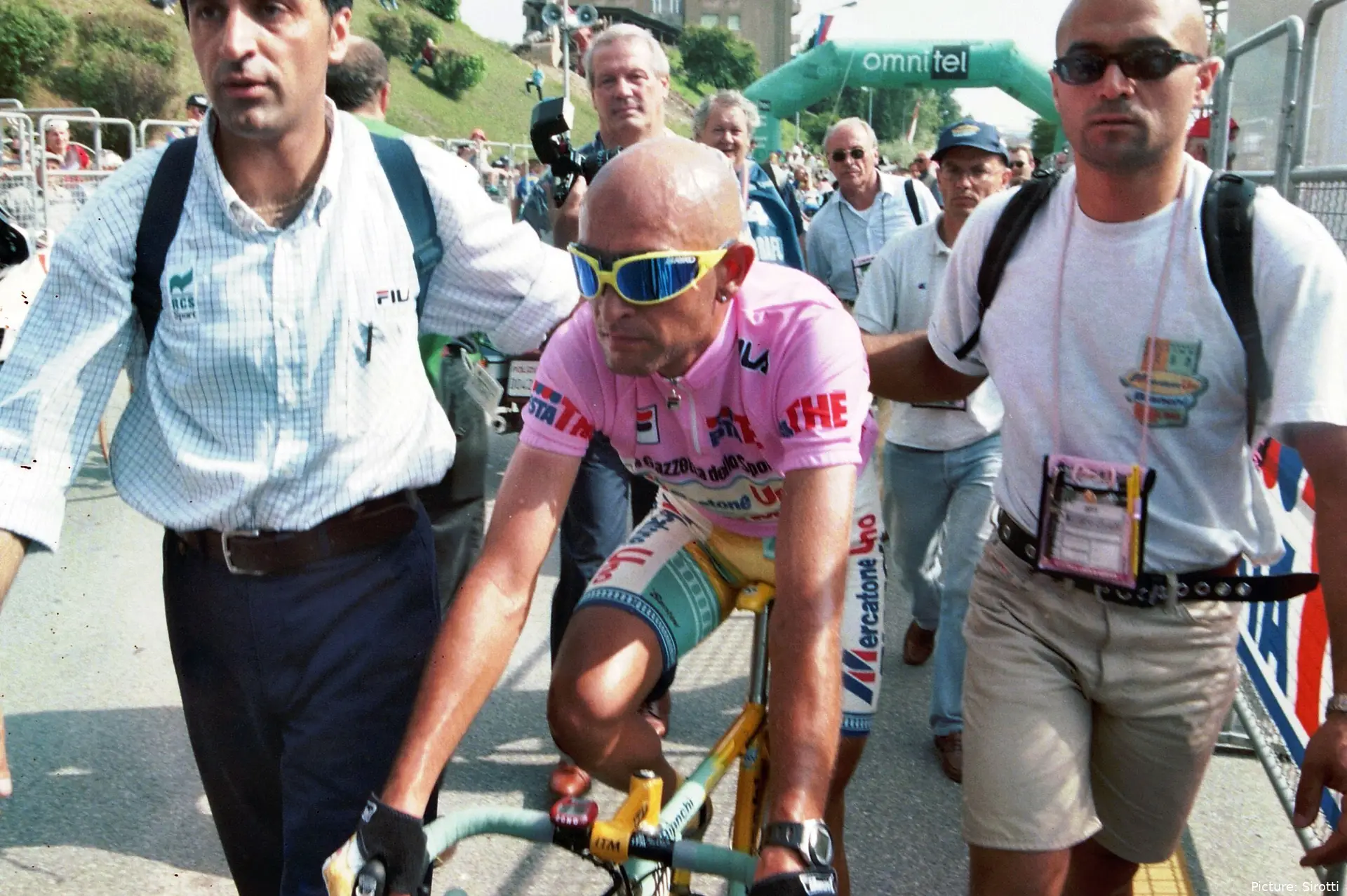
Giuseppe Martinelli helped Marco Pantani win the 1998 Giro d'Italia, with three successive high mountain stages seeing the Italian wrestle the Maglia Rosa from Alex Zulle and end the Swiss rider's hopes of victory. Almost three decades later, Martinelli believes the demands of modern Grand Tour racing have rendered such blocks of mountain stages less necessary.
The 2027 Giro d'Italia features less climbing than next year's Tour de France, despite the return of the Passo Gavia and Monte Zoncolan. The intermediate stages separating the major mountain tests, however, offer few opportunities for the GC contenders to recover.
"No three consecutive mountain stages? I'd say it's a modern route," Martinelli tells Bici.Pro. "But be careful: it's not modernity itself that changes things. If we really look at cycling today, there's a battle every day. Even an undulating or intermediate stage, which might not appear particularly significant, can turn into something important for the general classification."
Why even the sprinters could influence the Giro d'Italia GC battle
Having tackled 5,700 metres of climbing on the queen stage to Aprica, the peloton faces a largely flat stage from Chiari to Vo', although the late ascents of Passo Roverello and Castelnuovo complicate matters for the sprinters.
"It's no longer the transitional stage of old, because nowadays they ride even a normal stage at an average speed of 44-45kph," Martinelli explains. "And they ride it like that because someone wants to get into the breakaway, because something can be done in the finale to take a few seconds out of their rivals. Even when there are sprint finishes, or when you expect the bunch to arrive together for a sprint, it's not quite so predictable."
Without the cooperation of the sprint teams, the Maglia Rosa's domestiques could find themselves spending much of stage 17 controlling a dangerous breakaway less than 24 hours after crossing the Gavia and Mortirolo.
"With those little climbs in the finales, especially after two or three weeks of racing in their legs, the pure sprinter might start waiting a little longer before putting his team on the front," Martinelli continues. "He doesn't take responsibility because he can see that perhaps he hasn't recovered from the previous day. And because there's always an undulating stage or a big mountain stage, just as there aren't three consecutive mountain stages, there aren't three consecutive genuinely flat stages that allow you to recover either."

Martinelli played a key role in Pantani's Giro d'Italia success
From the Milan time trial to the Mortirolo
The 37.3km individual time trial from Monza to Milan closes the second week of the Giro. Riders will then have Monday's rest day to prepare for the 192km queen stage from Sondrio to Aprica, which features two ascents of the Mortirolo, designated as the 2027 Montagna Pantani, and the Passo Gavia.
"The Sondrio-Aprica stage on the Tuesday after the rest day is no trivial matter," says Martinelli. "If they've done that deliberately, they've done very well. I want to see what happens on that rest day. Unfortunately for them, the riders have to train; they can't just go for an easy coffee ride. The next day, straight from the start, you've got the Mortirolo.
"So, in my opinion, the fact that there aren't those famous three consecutive mountain stages doesn't change much. Especially because nowadays all the riders arrive very well prepared."
| Date | Stage | Route | Terrain |
| 23 May | 15 | Monza - Milan | 37.3km ITT |
| 24 May | Rest day | ||
| 25 May | 16 | Sondrio - Aprica | High mountains |
| 26 May | 17 | Chiari - Vo' | Undulating finale |
| 27 May | 18 | Rovereto - Madonna di Campiglio | Summit finish |
| 28 May | 19 | Rovereto - Sacile | Hilly, flat finale |
| 29 May | 20 | Pordenone - Monte Zoncolan | Summit finish |
With no further time trials after Milan, the pure climbers can begin attacking on the Mortirolo without having to account for potential losses against the clock later in the week.
"I come back to the big Aprica mountain stage, which I think is the real turning point of the Giro. The following day isn't hard, but how will the riders react?" Martinelli asks. "Then there's the stage after Madonna di Campiglio, another stage that isn't easy and has a tricky finale... There's always something to cause problems, in a good way. So, for me, it's a very well-designed Giro."
Read also
Grand Tour contenders can no longer ride themselves into form
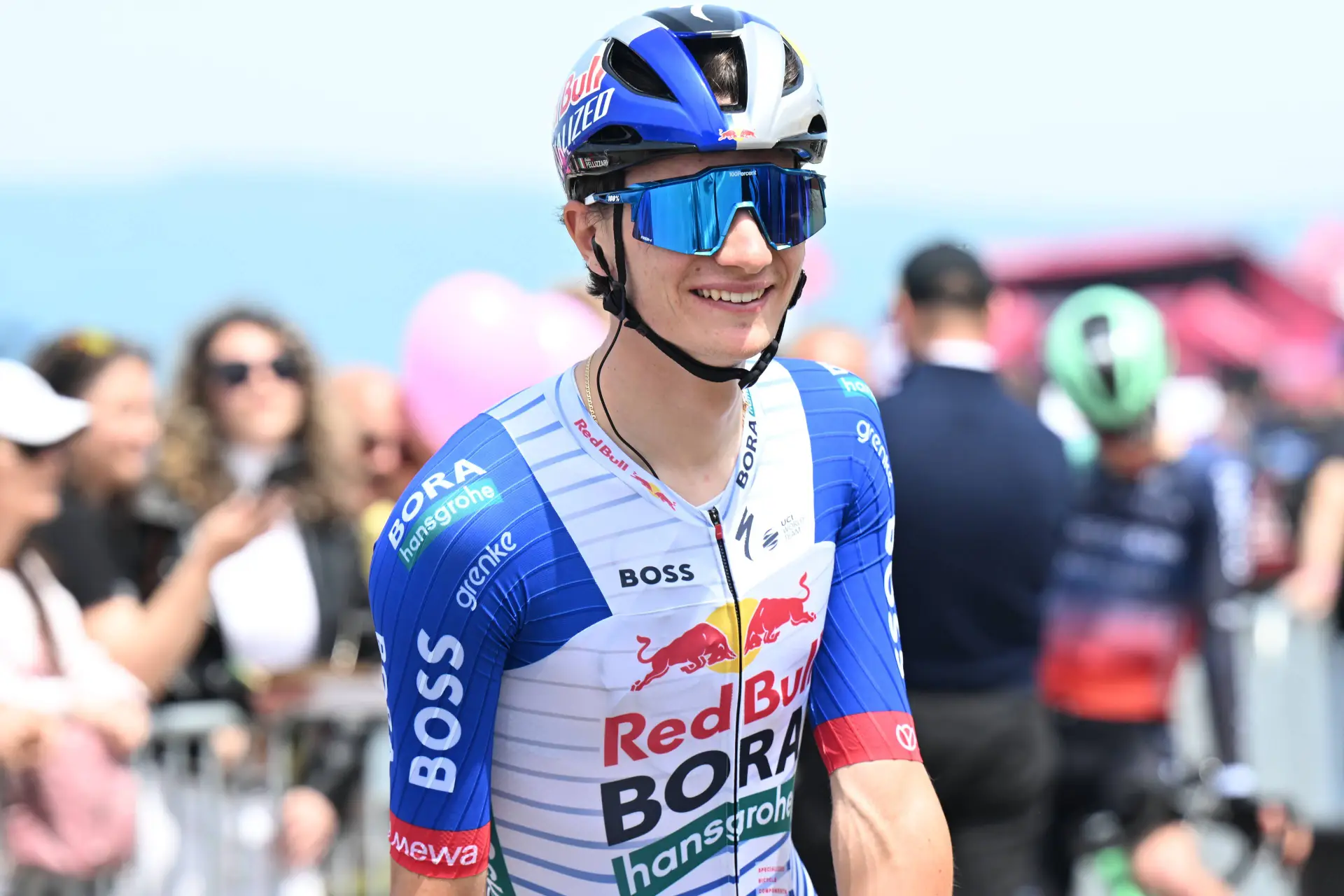
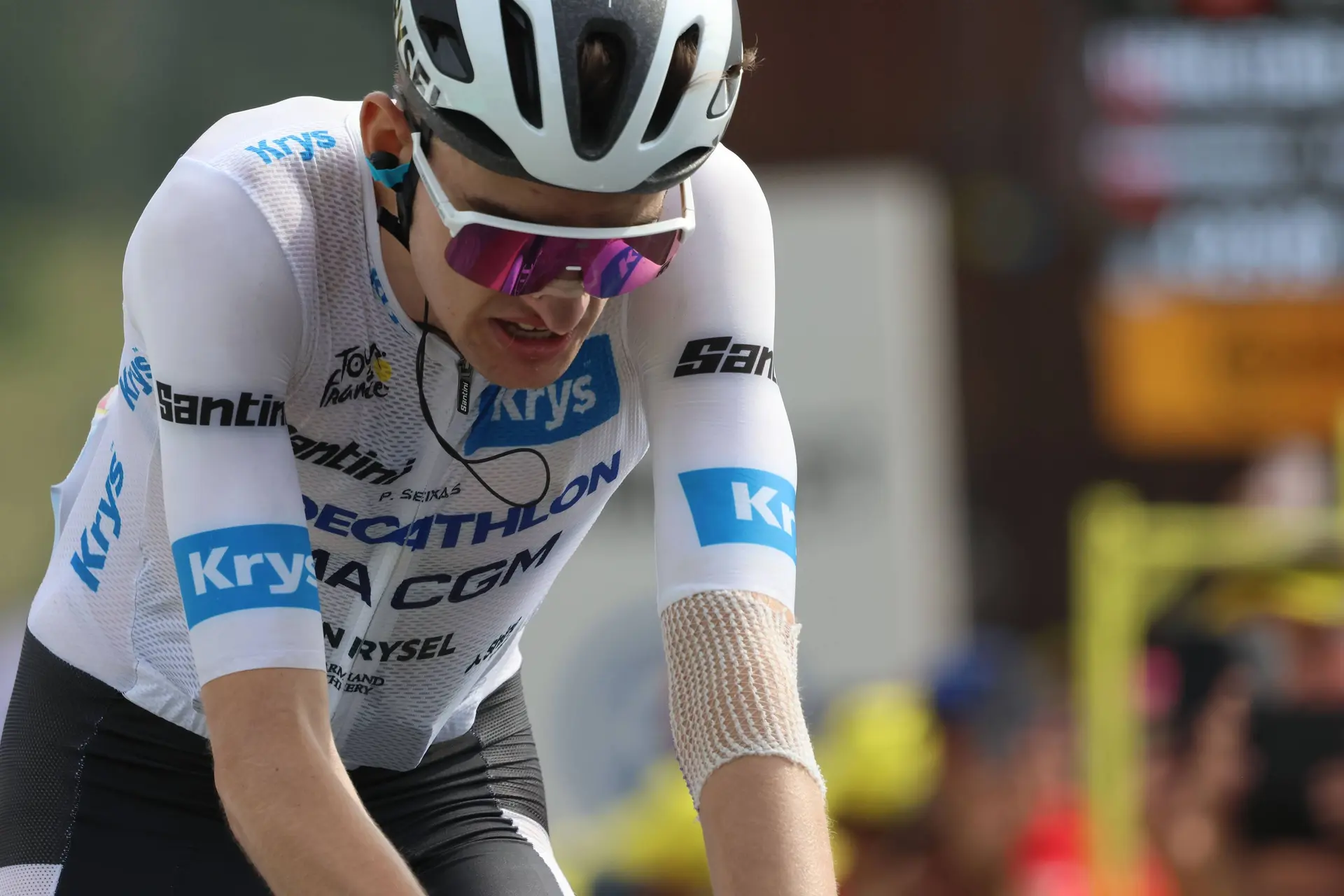
Giulio Pellizzari has expressed a preference for the Giro over the Tour de France, while the possibility of Paul Seixas attempting the Giro-Tour double remains the subject of speculation.
For anyone targeting both Grand Tours, the conservative approach to preparation common during Pantani's career, when riders could build towards their best condition during a three-week race, holds little appeal for Martinelli.
"Today, that's unthinkable," Martinelli says. "As I said, the riders arrive already prepared. It's difficult for someone to arrive at a Giro or a Tour with form that improves day by day. That's where the modernity of the route lies: it forces you to be ready straight away... and I don't think that's a bad thing."
The first nine days of the 2027 Giro d'Italia feature summit finishes at Sassotetto and Monte Livata, separated by a 19.6km individual time trial to Campo di Giove. By the first rest day, the favourites will already have contested three significant GC tests.
Kieran WoodDeputy Editor-in-Chief
Kieran Wood is a sports journalist based in Wales and has been active in journalism since 2022. He regularly contributes to DartsNews.com and CyclingUpToDate.com, where he covers professional cycling and darts. In cycling, his work includes liveblogs from major races, including the Tour de France, the Giro d’Italia, and La Vuelta a España, alongside race reports and analysis. He has also conducted interviews with professional riders.
His reporting spans the full racing calendar, from one-day classics to stage races, with a focus on accurate, real-time coverage and clear contextual analysis. For statistics, results, and historical context, he regularly uses resources such as ProCyclingStats. To support reporting on rider activity and training context where relevant, he also references Strava.
In his work, Kieran places strong emphasis on careful sourcing, editorial accuracy, and updating articles as new, verified information becomes available.
claps 0visitors 0
Just in
Popular news
Latest comments
- If Pogi hadn’t won it would have been a massive farce!Lozza29-11-2026
- Read a cycling book recently (can’t remember which- read too many lately!) and there was a quote from someone who said that most teams’s budgets back in the bad days were spent not on better equipment, clothing, nutrition, training etc. but on drugs.Lozza29-11-2026
- crazy to thinkl visma onyl won one monument aswell in 6 years lol. Even when they was a good classic team (many years ago, now their washed and broke) that they still just won one monument in 6 years is crazy bad actuallymiguel29-11-2026
- I remember that crash seemed quite innocuous when I was watching it live on tv (even though he lay motionless afterwards, but the cameras moved on with the race after a few minutes), and then being shocked to find out on the news later that it was a fractured femur (from my limited knowledge, it takes a big impact to fracture the femur bone). Anyway, all the best to him, but even if he doesn't ever reach his best again, he will always be a grand tour winner, which is more than a lot of pro cyclists can claim!Pogboom29-11-2026
- Well deserved, but he needed all the luck, as he clearly isn't on the same level as Pogi and MVDP.
 Front24229-11-2026
- Surprise,surprise....Best mate of Thomas. Still so "Clickey" at Ineos. Will never change.
 Senna196029-11-2026
- 20 20 vision
 leedorney29-11-2026
- Today there is huge risk, You can go from earning millions to just a normal person earning a daily wage in a matter of months. Only those that think they dont have much to lose or have a narcissistic personality like Lance might do it but the constant hounding/stress led to him also confessing in the end. Most of the explosion was due to the benefits and the certainty that they will not get caught due to no test developed for EPO/blood transfusion. Epo test was only developed in 2000.abstractengineer29-11-2026
- They have got a Belt around the stomach Called Tadej that keeps a tight leash to prevent bursting, but No Pogi and you can see the effectabstractengineer29-11-2026
- whats UAE then?
 Davide29-11-2026
Loading
Write a comment