“All three Grand Tours have to be equal in length, there can't be differences”: Giro director Luca Guercilena rejects proposal to shorten the race
Cycling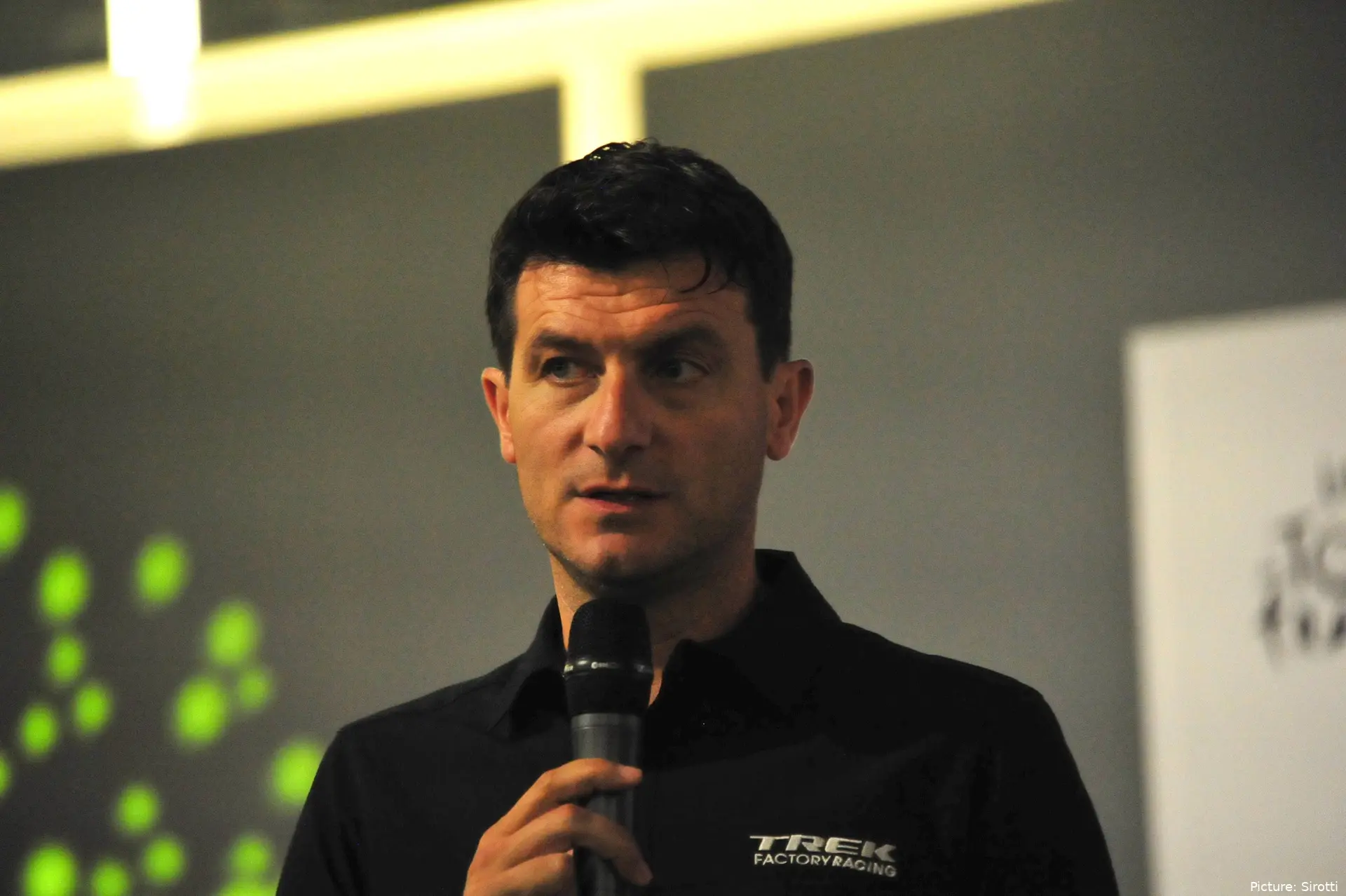
Luca Guercilena has firmly rejected the possibility of shortening the Giro d’Italia, arguing that all three Grand Tours must retain the same length as professional cycling considers changes to its calendar and commercial structure.
“I think Grand Tours should remain Grand Tours. The Giro d'Italia won't change. All three Grand Tours have to be equal in length, there can't be differences,” Guercilena told Domestique at Il Lombardia.
His comments come amid discussions about the future of professional road cycling, with reports suggesting that some figures involved in reform talks would like to reduce the Giro and Vuelta a España to 16 or 17 days while keeping the Tour de France at its traditional three weeks. Such a change would risk creating a clear distinction between the sport’s biggest race and its two other Grand Tours.
Tour de France director Christian Prudhomme has also ruled out shortening his event. Speaking to RMC Sport and other French media on Friday, he said: “The Tour de France lasts three weeks, four weekends, and that's perfectly fine.”

Luca Guercilena at Gran Piemonte 2026
Guercilena argues that three-week races define the sport
For Guercilena, preserving the length of the Giro is essential, as he believes the physical demands of a three-week race are fundamental to what makes a Grand Tour distinctive and meaningful. “I think the idea that Grand Tours last for 21 stages is something to defend,” he said.
“Pro cycling is about testing riders' endurance and a three-week Grand Tour guarantees that whoever wins is a special talent. If we change that, we dramatically change the sport. I don't think that's worth it.”
Guercilena also challenged the suggestion that the demands of the current calendar make it unreasonable for riders to compete in more than one Grand Tour during a season. “Riders train very carefully these days and so I believe that they can handle two Grand Tours in the same season.”
The debate also has commercial implications. The Tour de France commands a substantially larger global audience and provides teams with the majority of their sponsor exposure. The Giro and Vuelta can struggle to attract the same concentration of leading general classification contenders, particularly when riders prioritize the Tour or choose a different race schedule.
Reducing the length of the other two Grand Tours could make them easier to accommodate in a rider’s season, but it might also reinforce the perception that they occupy a lower tier than the Tour.
Read also

UCI reform talks remain at an early stage
The discussion forms part of the UCI’s wider Future of Road Cycling consultation, launched in February 2026. The governing body published a summary of stakeholder contributions in September, identifying safety, financial fairness between teams, the racing calendar, and commercial and media rights as major areas for reform.
The UCI has since established a steering committee to lead the next phase of discussions and appointed Deloitte as a strategic adviser. Its first meeting took place in Geneva on October 6, with further meetings planned before a progress update at the WorldTour and Women’s WorldTour seminar in Benidorm in December. The UCI has said that initial measures could be introduced as early as 2029.
Guercilena, who took responsibility for RCS Sport’s cycling division in September after leaving his role as Lidl-Trek general manager, will have a central role in shaping the future of the Giro and the Italian organizer’s other major races. His remit includes events such as Milan-San Remo, Strade Bianche and Il Lombardia.
Félix SernaCycling Journalist
Félix Serna is a writer at CyclingUpToDate and has been part of the team since 2025. He covers professional cycling across both the men’s and women’s calendars, with a focus on UCI rankings, race developments, and rider performance. His work includes interview-based reports, liveblogs, and tournament coverage designed to provide clear, accurate context throughout the season.
In his reporting, Félix regularly uses ProCyclingStats for results, statistics, and historical reference. He places strong emphasis on careful sourcing, editorial accuracy, and updating articles promptly when new, verified information becomes available. He holds a bachelor’s degree in International Studies.
claps 0visitors 0
Just in

Popular news
Latest comments
- Same excuse he had at the worlds! He's probably lucky he won the Euro's due to a weaker field, easier course and not as long of race!frieders311-10-2026
- Get out of your parents basement ! They are bored by you as well!frieders311-10-2026
- This PogiSlo guy has been booted from this site multiple times and has had many alias's over the year. Now you know why !frieders311-10-2026
- Tadej can't win races he doesn't show up for ! LOL!frieders311-10-2026
- Lots of changes on and off the bikes at Lidl-Trek mens and womens....Not sure if they all good..other fans would have more insight than myself. i think ciccone had plenty to offer trek as some others did too imho. Am disappointed to lose two of my fave dutchy girls Lucinda and Shirin but did gain another fave in Kasia. Losing Luca Guercilena seems to upset something off the bike ... Since Lidl took over lots of changes.
 Davide11-10-2026
 - So, was Remco’s EC win a fluke or not?Mistermaumau11-10-2026
- Let’s not limit this to riders and you could provoke the man a little by completing his statement but plenty who’d rather stay at work than spend more time with their family. Only reasonable conclusion, they probably weren’t very good at choosing their partners or raising their kids.Mistermaumau11-10-2026
- Yes, nothing to do with translation, it’s just the opinion of some, unlikely to have much experience in the matter or perhaps having failed themselves. On the other hand, if so many men (can’t call them fathers in that case) feel babysitting is all they need to do it explains a lot about so many kids and adults around these days.Jumpyjohn11-10-2026
- For a moment I was worried, before the quote was attributed.Jumpyjohn11-10-2026
- Yep, sounds like someone who just hasn’t kept up with the times. Besides that, so much of the rest he’s saying according to this just isn’t really saying anything or makes little sense. Riders are not immobile characters, they also evolve with time. They may be quite egoistical for a while but age brings maturity, wisdom, reflection, a different sense of responsibilities and importance and faster for some than others. Certain events or situations can affect that quite a bit.Jumpyjohn11-10-2026
Loading
Write a comment